
The ED coating process, also known as electrocoating or e-coating, is a foundational finishing method used across global industries. It provides unparalleled corrosion protection and uniform coverage for metal components, from automotive frames to intricate hardware. This immersion-based technique uses electrical current to deposit paint onto a conductive substrate, creating a consistent, high-performance layer.
For manufacturers considering this method, understanding its steps, advantages, and requirements is crucial. A well-controlled ED coating process is not just about the tank—it's an integrated system of pre-treatment, application, and curing. This article breaks down how it works, where it excels, and what it takes to run it effectively in your facility.
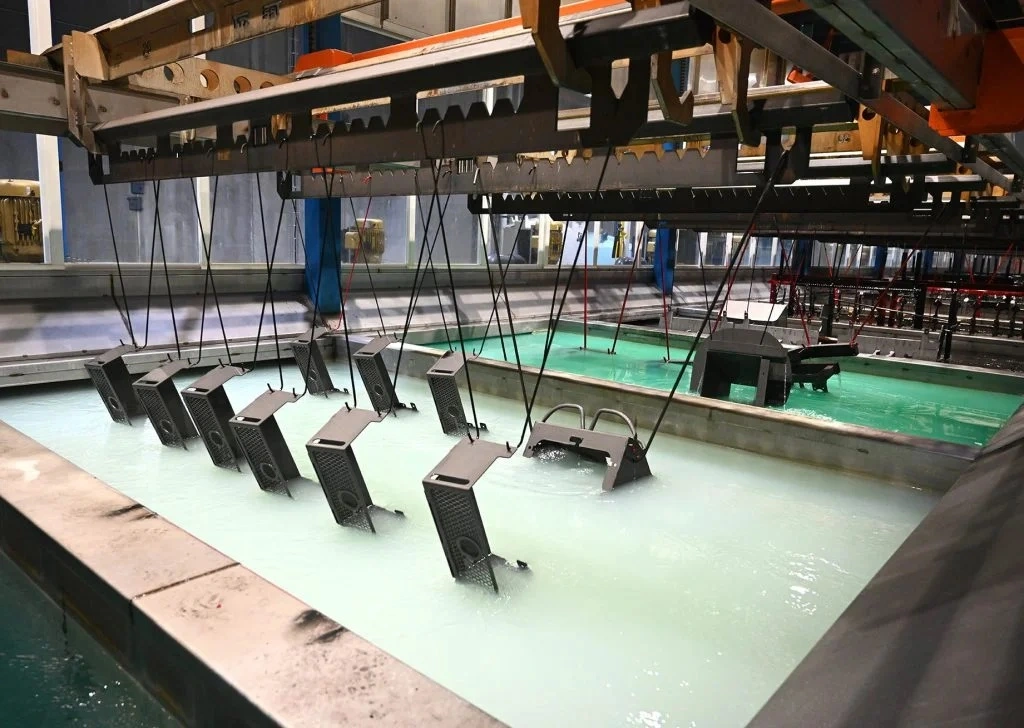
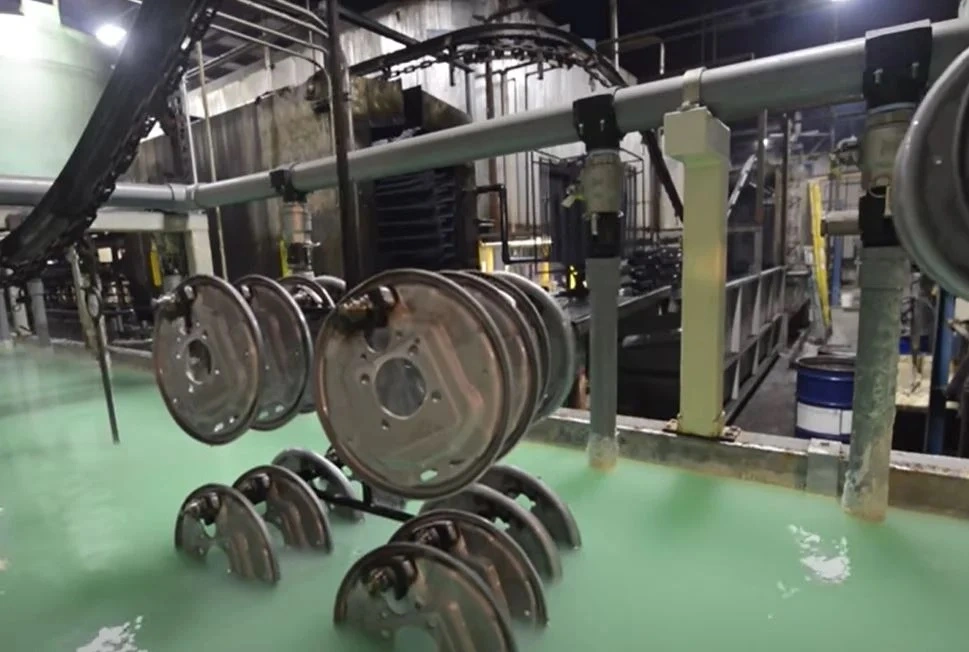
At its core, the ED coating process is an immersion application of paint using principles of electrophoresis. Parts are submerged in a water-based paint bath, and an electrical charge is applied.
The part acts as one electrode (anode or cathode, depending on the system). The paint tank walls or separate electrodes act as the opposite pole. This creates an electrical field through the bath.
Charged paint particles migrate through the solution and are deposited onto the part's surface. The process continues until the coating achieves a specific thickness, at which point it self-insulates and deposition stops.
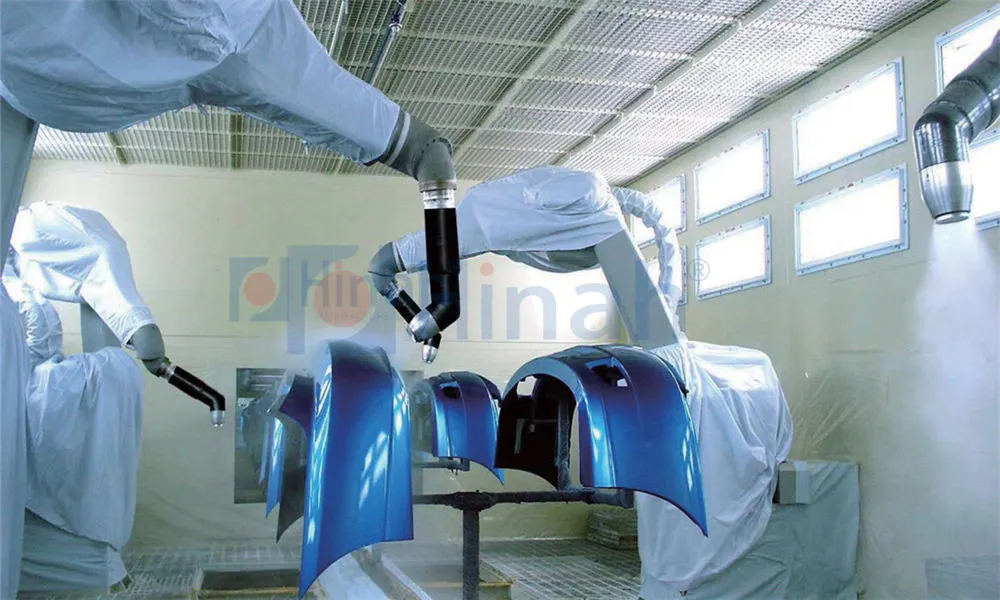
This mechanism ensures coverage on all exposed surfaces, including edges, recesses, and complex geometries that are difficult to reach with spray methods.
A successful ED coating process relies on a precise sequence of stages. Each one prepares the part, applies the coating, or finalizes its properties.
1. Pre-treatment Cleaning and Phosphating
This is the most critical stage for long-term adhesion and corrosion resistance. Parts must be meticulously clean. The sequence typically involves alkaline cleaning, multiple rinses, a phosphate conversion coating (zinc or iron phosphate), and a final rinse. Any contamination left here will be sealed under the coating.
2. The Electrocoat Bath Immersion
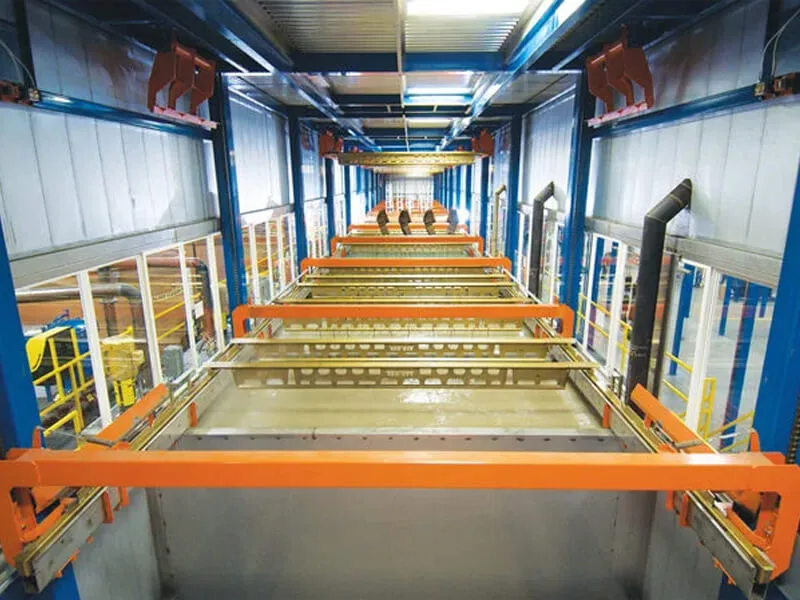
The cleaned parts are immersed in the main paint bath. The bath is a carefully maintained mixture of deionized water, paint resin, pigments, and co-solvents. Temperature, pH, and solid content are constantly monitored and adjusted. The electrical charge is applied for a predetermined time to achieve the desired film build.
3. Post-Immersion Rinses
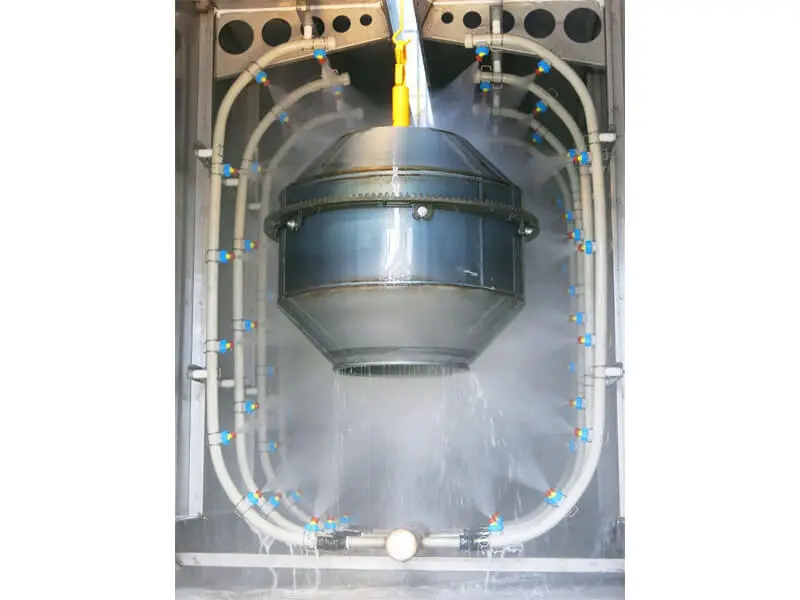
After exiting the bath, parts carry out excess, loosely adhered paint. This material is recovered through a series of rinse stages—often an ultrafiltration rinse loop—that washes the parts and channels the recovered paint back into the main tank. This makes the ED coating process exceptionally efficient, with material utilization rates often exceeding 95%.
4. Curing the Coating
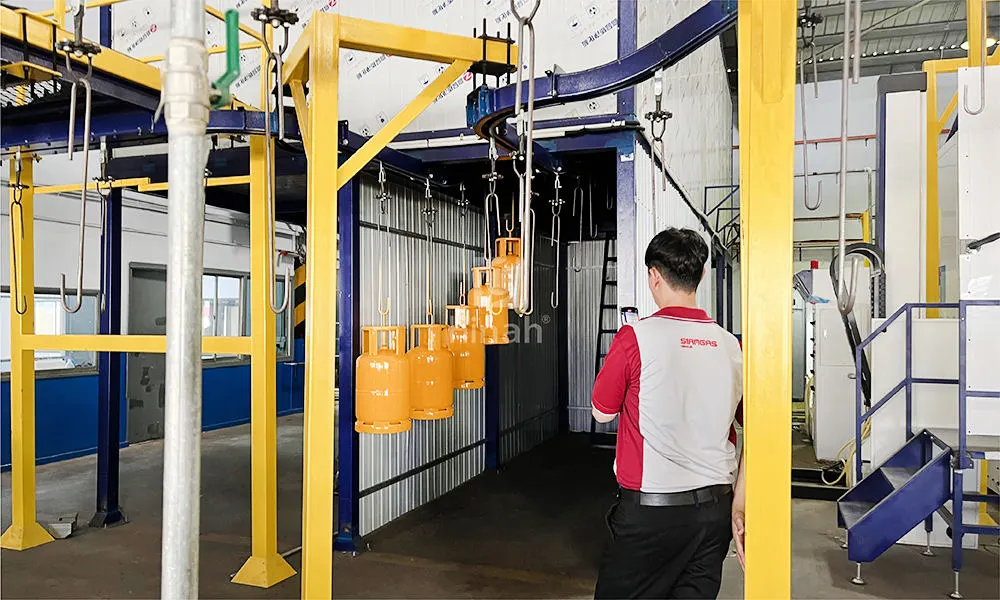
The rinsed parts move into a bake oven. The heat triggers a cross-linking reaction in the deposited film, transforming it from a soft, gel-like layer into a hard, durable, and chemically resistant finish. Cure temperature and time are specified by the paint manufacturer.
Why do major industries rely on this method? The benefits are significant and impact quality, cost, and environmental compliance.
Unmatched Uniformity and Edge Coverage
The electrochemical deposition is not line-of-sight. It naturally coats every exposed conductive surface evenly, including sharp edges, welds, and interior box sections. This eliminates thin spots common with spray techniques, providing consistent corrosion protection.
Extremely High Transfer Efficiency
Because the post-rinse captures unused paint and returns it to the tank, material waste is minimal. Almost all paint purchased is applied to the parts. This reduces material costs and simplifies waste management compared to overspray-heavy processes.
Excellent Corrosion Resistance
The combination of a thorough pre-treatment and a uniform, pore-free organic coating creates a formidable barrier. ED coated parts typically perform exceptionally well in salt spray and humidity testing, making them ideal for harsh environments.
Reduced Labor and Process Automation
Once the line is set up and parameters are dialed in, the ED coating process is highly repeatable and easy to automate. Part handling (via hoists or conveyors) and bath control can be managed with minimal direct operator intervention, ensuring consistency.
Like any industrial process, challenges can arise. Recognizing and preventing these issues is key to maintaining quality.
Cratering or Rough Finish
This is often caused by oil contamination in the pre-treatment stage or from part fixtures. Even micron-sized oil droplets can disrupt film formation. Maintaining clean pre-treatment stages and managing fixture contamination is essential.
Low Film Build or Bare Spots
Insufficient coating thickness can result from low bath voltage, short immersion time, or low bath temperature. It can also be caused by poor electrical contact where the part is racked. Regular monitoring of bath parameters and rack maintenance prevents this.
Blistering After Curing
Blisters or pinholes usually indicate gas entrapment. Hydrogen gas generated at the cathode (in a cathodic ED coating process) can become trapped if the coating gels too quickly. Adjusting voltage ramp-up or bath chemistry can solve this.
Poor Corrosion Performance
This is almost always traced back to pre-treatment. Inadequate cleaning, improper phosphate crystal formation, or contaminated rinse water will compromise adhesion and protection, regardless of the coating's quality.
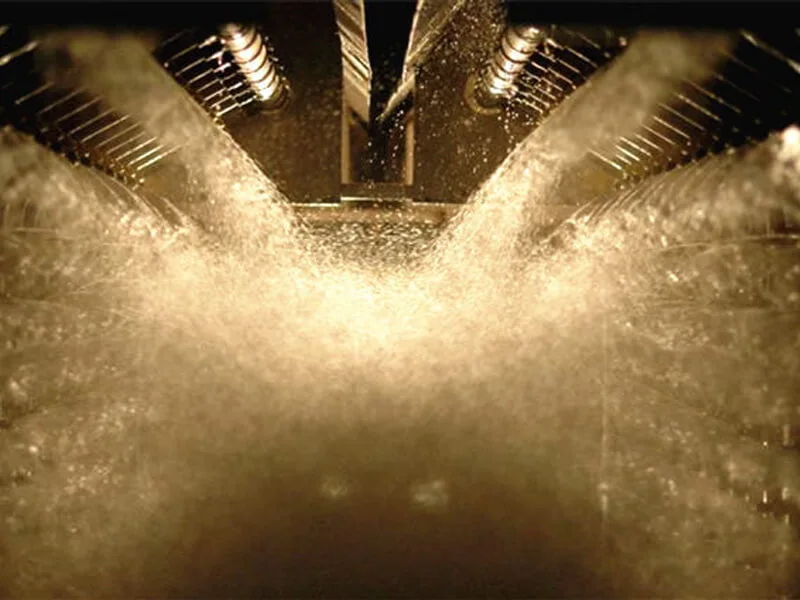
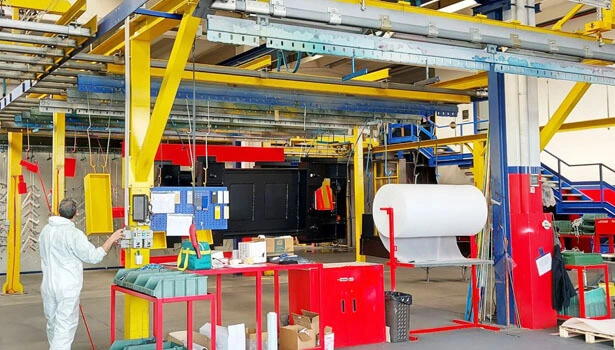
Implementing this process requires significant infrastructure. Partnering with an experienced supplier like HANNA ensures your system is designed for reliability.
The system is built around the immersion tank, which must be constructed from compatible, non-conductive materials (like lined steel or stainless) to prevent stray currents. Proper agitation and filtration are needed to keep solids in suspension.
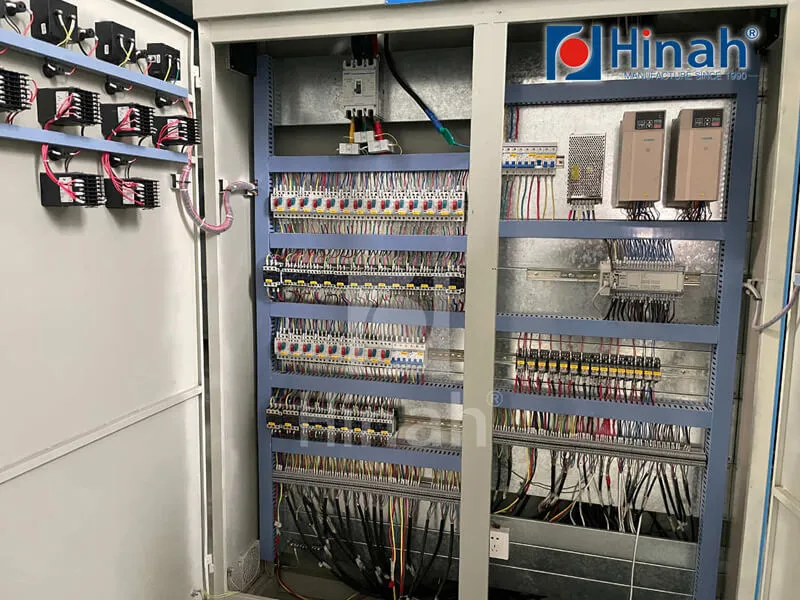
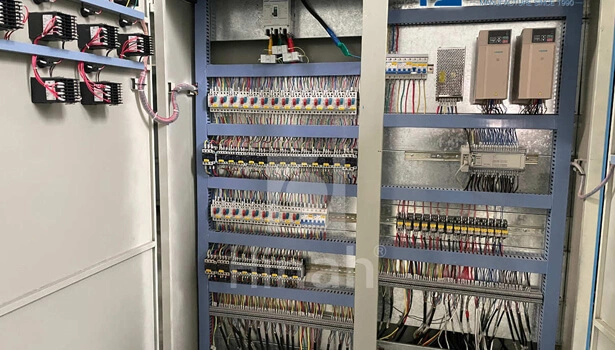
The rectifier provides the direct current (DC) power. Its size must match the total surface area of parts being coated simultaneously. A well-designed control system manages voltage, immersion time, and often features programmable recipes.
The ultrafiltration (UF) system is the heart of paint recovery and rinse management. It separates water and solvents from the paint solids, creating permeate for rinsing. A reliable UF system from HANNA maximizes paint usage and controls contamination.
Finally, a dedicated bake oven is required. A HANNA convection oven, engineered for the specific cure profile of the electrocoat paint, ensures complete cross-linking without hot or cold spots that could affect performance.
This process is a significant investment best suited for high-volume production of metal parts where superior corrosion protection is mandatory. Industries like automotive, agriculture, furniture, and appliances are typical users.
Consider your annual production volume, part size and mix, and required quality standards. For lower volumes or prototype work, outsourcing to a commercial coater may be more practical.
For those ready to invest in a captive line, working with a single-source provider like HANNA streamlines the project. We design and integrate the entire system—from pre-treatment stages and tanks to ovens and controls—ensuring all components work seamlessly together for a robust and efficient ED coating process.
Q1: What is the main difference between anodic and cathodic ED coating processes?
A1: The key difference is the part's electrical charge. In anodic (AED), the part is the anode (positively charged). In cathodic (CED), the part is the cathode (negatively charged). CED is now far more common as it offers superior corrosion resistance because the deposited film is less susceptible to saponification at the metal-coating interface.
Q2: What types of materials can be processed with ED coating?
A2: The ED coating process is designed for electrically conductive substrates, primarily metals. This includes cold-rolled steel, galvanized steel, aluminum, and some magnesium alloys. Plastics or composites must be made conductive through a preliminary metallization step to be coated.
Q3: How is coating thickness controlled in the ED process?
A3: Thickness is primarily controlled by the applied voltage and the immersion time. As the coating deposits, it electrically insulates the part. Deposition slows and eventually stops at a thickness proportional to the voltage. Time allows the coating to reach this self-limiting thickness on all part surfaces.
Q4: How environmentally friendly is the ED coating process?
A4: It is considered one of the more environmentally sound finishing technologies. It uses water-based paints with very low or no VOCs (Volatile Organic Compounds). Its near-closed-loop rinse system minimizes paint waste and water consumption compared to many spray processes.
Q5: What is the typical maintenance focus for an ED coating bath?
A5: Constant monitoring and adjustment of bath parameters (pH, temperature, solids content, conductivity) are daily tasks. The anode/cathode cells require regular cleaning to prevent membrane fouling. The ultrafiltration membranes need periodic cleaning and eventual replacement. A consistent maintenance schedule is vital for bath stability and coating quality.