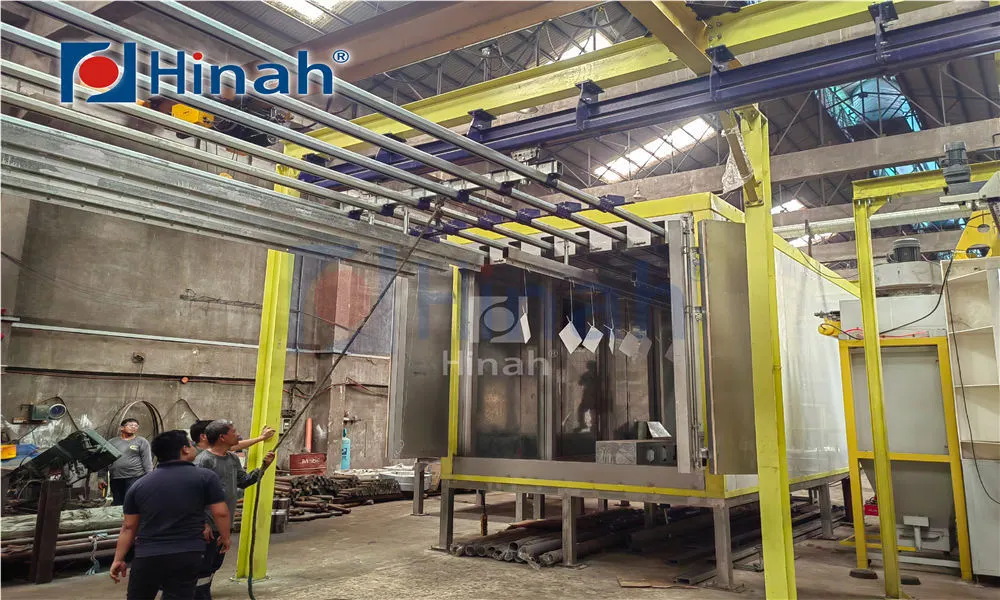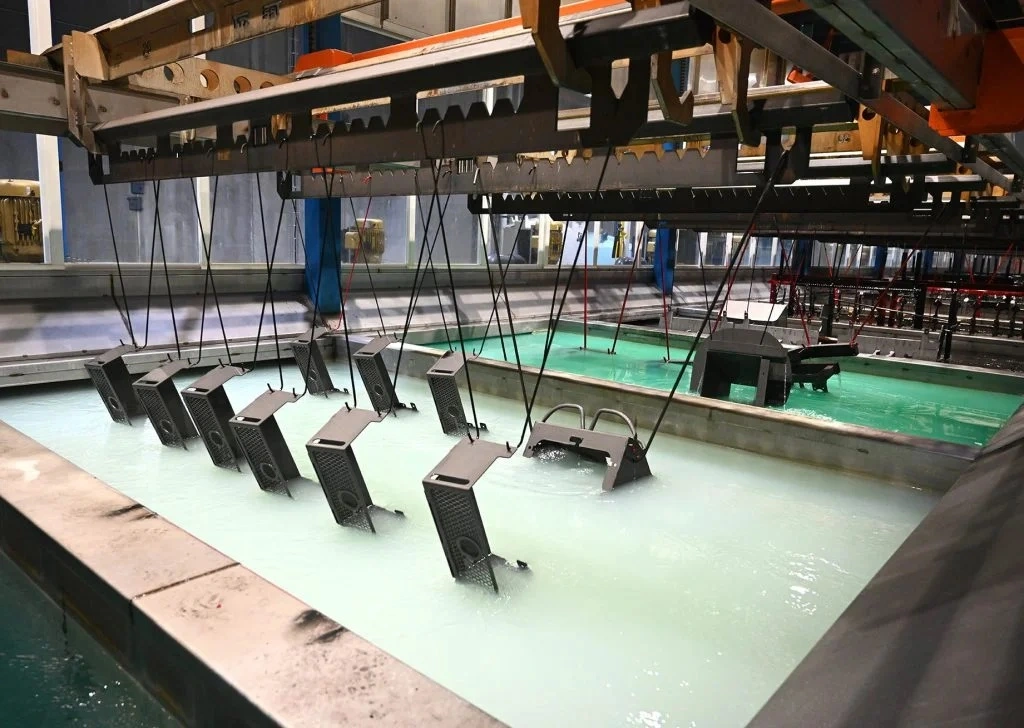
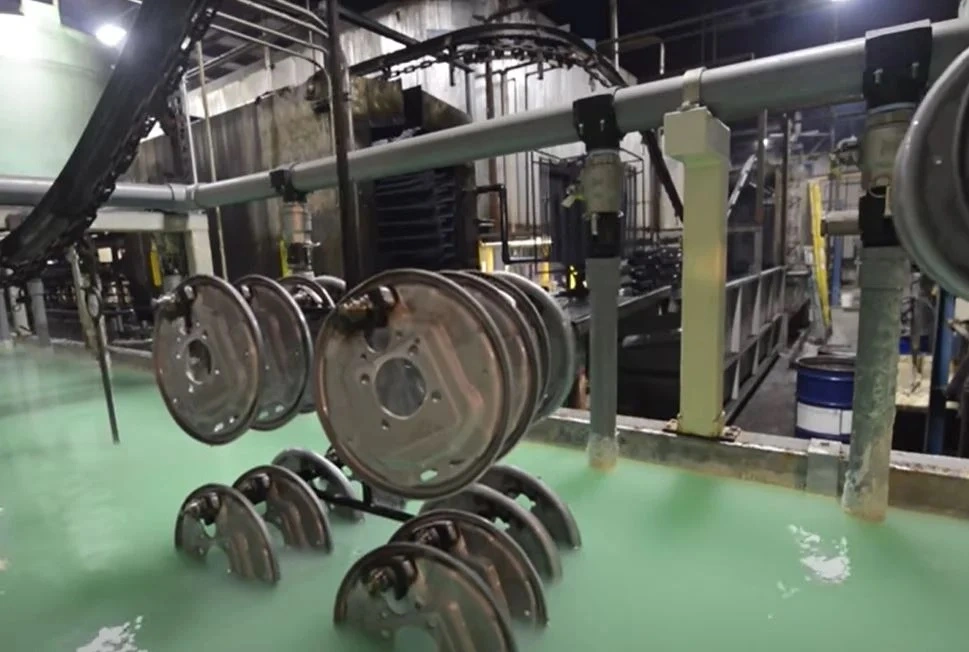

A paint baking oven is an essential piece of equipment in any finishing line that uses liquid paints, primers, or coatings requiring a thermal cure. Its primary job is to accelerate the drying and cross-linking process, transforming a wet layer into a hard, durable finish. The performance of this oven directly impacts production speed, film properties, and overall product quality.
Choosing the right system involves more than just finding a box that gets hot. You need to match the oven’s technology to your coating chemistry, part size, and production volume. Understanding the different types of paint baking oven systems and their core features will help you make a cost-effective and reliable investment for your shop.
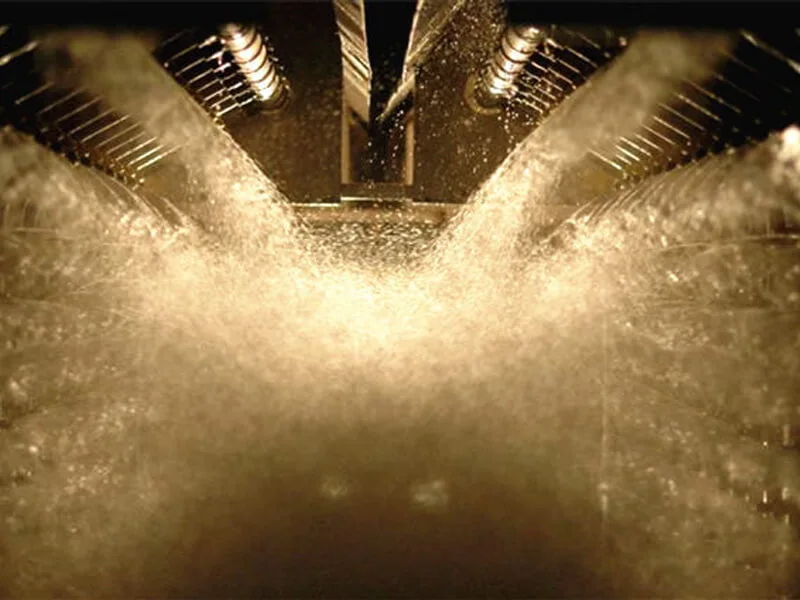
The market offers several heating technologies, each with distinct advantages. Your choice will depend on your specific application and shop constraints.
Convection ovens are the most common type of industrial paint baking oven. They work by heating air, which is then circulated around the parts by fans. This method provides excellent temperature uniformity, which is critical for achieving a consistent cure on complex parts with varying thicknesses. It’s a versatile and reliable choice for most liquid coatings.
Infrared (IR) ovens use radiant energy to heat the parts and coating directly. They offer very rapid heat-up times, which can be great for thin substrates and high-speed lines. However, achieving an even cure can be challenging with complex, three-dimensional parts, as shadows and differences in mass can lead to hot and cold spots.
Combination ovens hybridize these technologies. They might use IR for a fast initial flash-off or heat-up phase, followed by convection to complete and equalize the cure. This approach can optimize line speed and energy use for certain applications.
Beyond the heating method, several engineering details separate a basic oven from a high-performance asset. These features determine reliability, efficiency, and finish quality.
Temperature uniformity is non-negotiable. A properly designed paint baking oven must maintain a tight temperature range (e.g., ±5°C to ±10°C) throughout the entire workspace. This is achieved through careful airflow design, sufficient heater capacity, and high-quality insulation. Inconsistent temperatures lead to under-cure or over-cure.
Airflow design is the engine of a convection system. A well-engineered paint baking oven uses strategically placed supply plenums, baffles, and return ducts to create a consistent, turbulent flow over all parts. Horizontal crossflow or vertical downdraft patterns are common. The goal is to eliminate stagnant air pockets.
Insulation quality directly affects operating costs and shop comfort. Look for ovens with thick, high-density mineral wool insulation in all walls, ceilings, and doors. A well-sealed door with robust latches is also crucial. Good insulation reduces heat loss, improves temperature stability, and keeps ambient temperatures manageable.
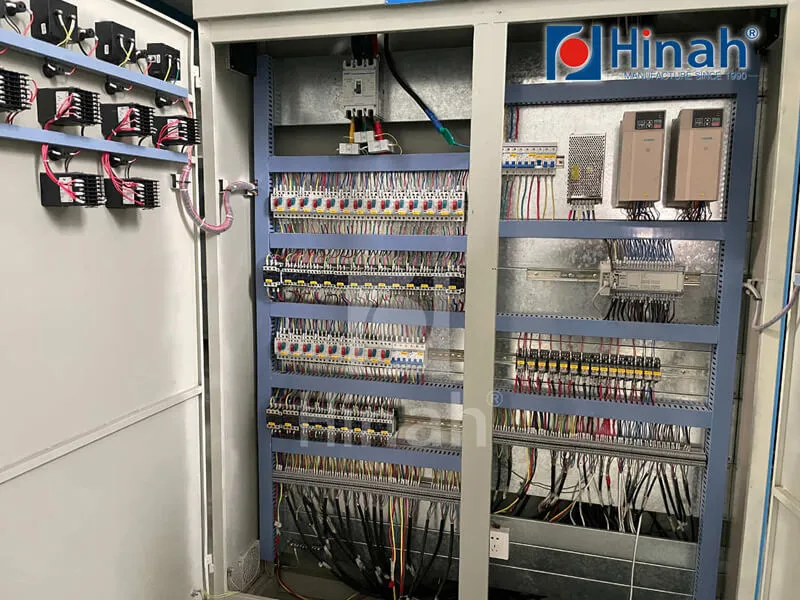
Control systems range from simple thermostats to sophisticated programmable logic controllers (PLCs). A modern PLC allows operators to save and recall precise cure recipes—setting ramp-up, hold, and cool-down stages. This ensures repeatability, reduces human error, and provides valuable process data.
While the fundamental purpose—applying heat to cure a coating—is similar, ovens designed for liquid paint have some specific considerations that differentiate them from those built solely for powder.
Ventilation and exhaust requirements are often higher. A paint baking oven must handle solvent vapors released during the cure cycle. This requires properly sized exhaust stacks and often, explosion-proof electrical components depending on the solvent's flash point. Make-up air systems are critical to replace the exhausted air.
Cure profiles can be different. Powder coatings typically require reaching a specific metal temperature for a set time. Liquid paints may require a slower ramp-up to allow solvents to evaporate properly before the film skins over, preventing solvent pop or blistering. The oven controls must accommodate this.
Cleanliness is a constant focus. Overspray from liquid paint can bake onto oven walls, interior ducts, and fans, requiring regular cleaning to prevent contamination and fire hazards. Interior surfaces should be smooth and easy to clean. Access panels for maintenance are a vital feature.
An oven is not an island. Its performance is tied to your overall process flow and the safety protocols you implement.
Process integration is key. The paint baking oven must be correctly positioned in your line after the spray booth and any necessary flash-off zone. Consider part transfer methods—overhead conveyor, cart, or monorail—and ensure the oven entrance and exit are compatible. Proper spacing prevents bottlenecks.
Essential safety systems cannot be overlooked. Any paint baking oven should have, at a minimum, an independent high-limit temperature controller that cuts power if the primary control fails. Door safety interlocks, proper ventilation monitoring, and clearly marked emergency shut-off buttons are standard requirements. For solvent-based paints, explosion relief panels may be necessary.
Regular maintenance is a safety and performance imperative. This includes cleaning interior surfaces of residue, checking and calibrating temperature sensors, inspecting heating elements and fans, and verifying that all safety devices are functional. A simple weekly checklist prevents major issues.
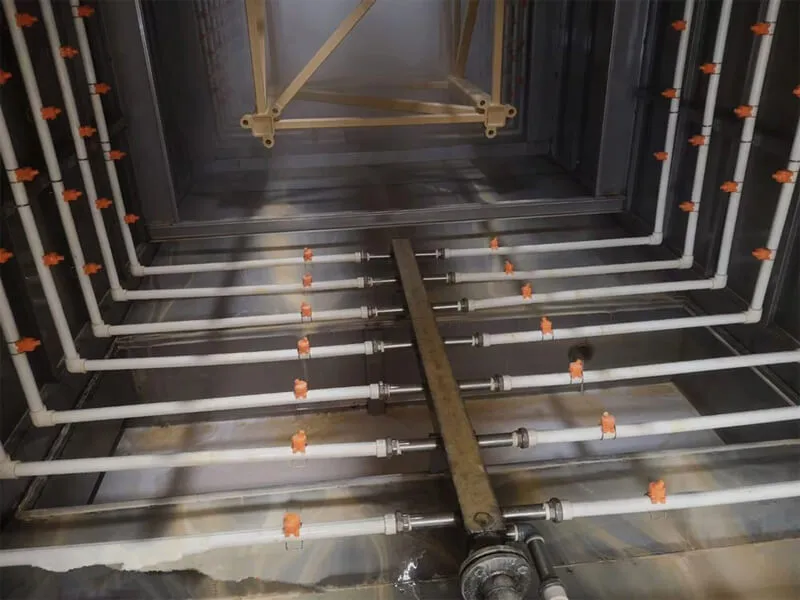
At HANNA, we build paint curing systems for the long run. We understand that downtime is lost revenue, and consistency is your reputation. A HANNA paint baking oven is engineered for precision and rugged daily use.
Our focus is on robust construction and smart design. We use heavy-gauge steel, commercial-grade insulation, and industrial fans and heaters. Components are chosen for serviceability, with easy access for maintenance. We avoid proprietary parts that can lead to long delivery times.
We offer tailored solutions. Whether you need a standard batch oven for a job shop or a large conveyorized system, our team works with you. We help specify the right size, heating technology, and controls to match your specific coating and production goals. A proper upfront analysis prevents underperformance later.
Energy efficiency is built in. Through superior insulation, efficient burner or heater design (including electric, gas, or steam), and smart control strategies, a HANNA paint baking oven is designed to minimize your operating costs over its lifespan. An efficient oven is a more competitive asset.
Investing in a properly specified paint baking oven secures the final, critical step in your finishing process. It ensures the coating you've carefully applied performs as intended, providing durability and appearance that meets your customers' expectations. For a system built with this level of practical engineering, exploring HANNA's proven designs is a logical step.
Q1: What temperature range is typical for a standard paint baking oven?
A1: Most industrial liquid coatings cure between 120°F (49°C) and 400°F (204°C). Low-bake enamels may cure as low as 180°F, while some high-performance industrial coatings require 375°F or higher. Always follow your paint manufacturer's Technical Data Sheet for the exact required metal temperature and time.
Q2: How do I determine the right size oven for our parts?
A2: Calculate the internal dimensions needed for your largest part or rack, then add significant clearance. For convection ovens, add at least 12-18 inches on all sides for proper airflow. Also, consider the length needed for your desired cure time at the line's production speed. HANNA's application engineers can assist with this critical calculation.
Q3: Is a gas or electric paint baking oven more cost-effective?
A3: It depends on local utility rates and production volume. Gas ovens typically have much lower operating costs for high-temperature, continuous use. Electric ovens can have a lower upfront cost and are extremely clean, making them suitable for environments with strict emissions concerns or lower usage. A lifecycle cost analysis is the best way to decide.
Q4: What are the most important safety features for a solvent-based paint line oven?
A4: Critical safety features include: 1) Explosion-proof electrical rating for internal components, 2) Adequate ventilation with a minimum air change rate, 3) An explosion relief vent or panel, 4) An independent, redundant high-temperature safety shut-off, and 5) Solvent vapor concentration monitors (LEL sensors). Never bypass these systems.
Q5: How often should we perform maintenance on our paint baking oven?
A5: A basic visual check should be done daily. Schedule a more thorough inspection monthly, including checking filter walls, verifying calibration of controllers with a separate thermometer, and inspecting heating elements. A comprehensive professional service, including cleaning internal ducts and checking safety systems, should be performed at least annually, or per the manufacturer's guidelines.