
For industrial finishing operations, process heating often represents up to 70% of total plant energy consumption. Making a purchasing decision based solely on the sticker price of a curing oven can lead to long-term financial strain. Understanding the comprehensive powder coating oven cost requires analyzing both upfront capital expenditure (CapEx) and multi-year operational expenditure (OpEx).
This guide breaks down the financial dynamics of industrial curing systems. It provides actionable frameworks to help procurement managers and plant engineers make data-driven decisions. By analyzing thermal efficiency and fuel choices, you can select a system that aligns with your production goals.
Whether you need a small batch oven or a fully automated, continuous curing system, calculating the total cost of ownership is essential. Working with established manufacturers like HANNA helps clarify these variables. Proper planning ensures your investment delivers consistent performance and long-term value.
To evaluate a curing system's actual cost, we use the Thermal Iceberg Framework. Many buyers focus only on the visible portion—the initial purchase price. However, the hidden expenses below the surface often determine your long-term profitability.
The visible tip of the iceberg is the purchase price, shipping, and installation. These are one-time costs that are easy to budget for. Yet, the larger submerged portion contains ongoing operational realities that persist for the lifetime of the equipment.
This submerged section includes fuel consumption, electrical demand, maintenance, and scrap rates from uneven heating. An oven with a lower purchase price may cost significantly more over its operational life due to poor insulation or inefficient burners. Analyzing these factors early protects your facility from unexpected operating costs.
The table below outlines how initial and ongoing costs are distributed across different system types:
| Oven Category | Average Capital Cost (USD) | Primary Fuel Source | Typical Annual Maintenance | Target Applications |
|---|---|---|---|---|
| Standard Batch Oven | $15,000 - $45,000 | Electric / Natural Gas | $1,200 - $2,500 | Low volume, custom job shops |
| High-Production Batch | $45,000 - $95,000 | Natural Gas / LPG | $2,500 - $5,000 | Medium volume, heavy parts |
| Continuous Conveyorized | $120,000 - $350,000+ | Gas / Infrared Hybrid | $6,000 - $15,000 | High volume, automated lines |
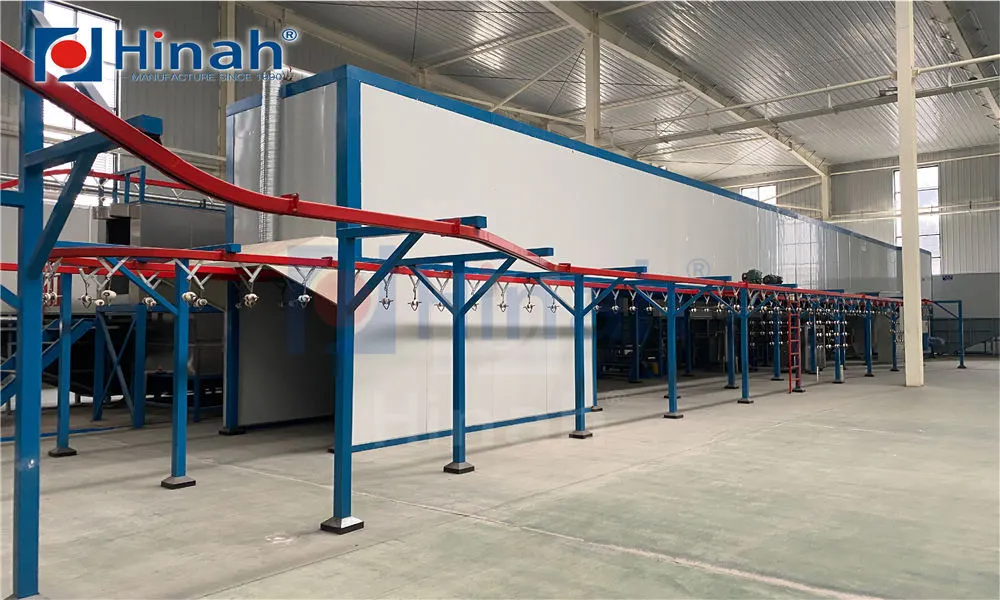
Understanding what influences the overall powder coating oven cost requires a look at its structural and mechanical components. Three primary factors dictate the final price of an industrial oven: heat source, insulation quality, and airflow engineering.
The choice of fuel—natural gas, propane, or electricity—significantly impacts both initial setup costs and daily utility bills. Gas-fired systems usually require a higher initial investment due to complex burners, piping, and venting requirements. However, they generally offer lower operating costs per BTU compared to electric models in most industrial regions.
Insulation and wall thickness also play a vital role in thermal efficiency. High-quality systems use double-walled panels filled with high-density mineral wool, often 150mm thick, to minimize heat loss. Selecting superior insulation reduces energy waste, keeping your long-term operating costs manageable.
Airflow design is another crucial element that affects both price and product quality. High-end systems utilize precise recirculation fans and adjustable ductwork to ensure uniform temperatures throughout the curing chamber. Partnering with experienced system integrators like HANNA ensures your oven achieves the thermal uniformity needed to prevent under-curing or over-curing.
A common mistake in finishing shops is buying an oversized oven to "future-proof" operations. While this seems logical, it often introduces unexpected financial challenges. Operating an oversized oven below its capacity leads to significant energy waste.
Heating empty air space requires the same thermal energy as heating a fully loaded oven. If your average batch occupies only 40% of the oven's volume, you are paying to heat the remaining 60% of empty space. This inefficiency can quickly erase your profit margins on smaller runs.
Additionally, larger ovens require larger exhaust and recirculation fans, which increases your facility's peak electrical demand. Instead of buying excess capacity, consider modular designs or high-density racking systems. These options allow you to increase throughput without increasing your footprint or utility costs.
Consulting with engineering specialists helps clarify your actual volume requirements. Industrial designers like HANNA analyze your part dimensions, cycle times, and material mix to calculate the ideal oven volume. This structured approach helps optimize both your initial capital spend and daily operational costs.
To obtain accurate pricing from manufacturers, you must supply detailed technical requirements. Using a standardized request for proposal (RFP) or request for quote (RFQ) ensures consistent, comparable bids. Use the template below to guide your inquiries:
Part Profile: Maximum envelope dimensions (L x W x H) and maximum weight per part/rack.
Substrate Material: Steel, aluminum, cast iron, or multi-metal configurations.
Production Goals: Desired parts per hour, conveyor speed (for continuous systems), or batch cycle times.
Utilities: Available on-site power (voltage/phase) and gas pressure (Natural Gas or LPG).
Plant Constraints: Floor space limitations, ceiling height clearance, and exhaust routing paths.
Providing these details helps manufacturers design a system tailored to your specific facility. It minimizes the need for costly field modifications during installation. This precision helps keep your overall project budget on track.
Additionally, ask vendors about compliance with safety standards, such as NFPA 86 in North America or CE directives in Europe. Meeting these regulations is essential for workplace safety and can affect your commercial insurance rates.
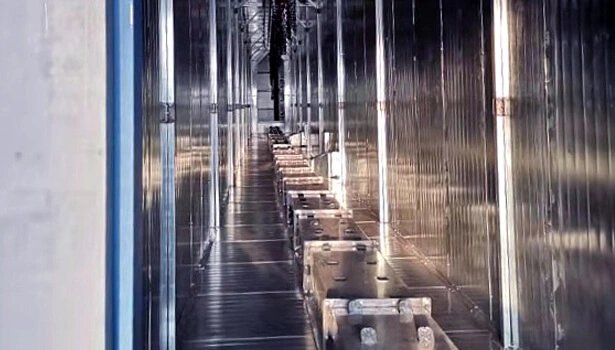
To justify your powder coating oven cost, you must calculate its projected return on investment. This process involves comparing the efficiency gains of a new oven against your current operating baselines.
Modern ovens feature advanced burner technology and smart controls that reduce heat-up times and fuel consumption. Reducing cycle times by even 15% can significantly increase your daily throughput. This extra capacity allows you to take on more business without extending work shifts.
Furthermore, precise temperature control reduces scrap rates and the need for expensive rework. Inconsistent curing often results in adhesion failures or color shifts, which can damage client relationships. Reliable equipment ensures consistent quality, protecting your brand reputation and bottom line.
To illustrate the potential savings, consider this standard operational comparison:
| Performance Metric | Legacy Standard Oven | Modern High-Efficiency Oven | Estimated Annual Impact |
|---|---|---|---|
| Heat-up Time (to 200°C) | 45 minutes | 25 minutes | ~120 hours of production gained |
| Gas Consumption (per hour) | 4.5 Therms | 3.2 Therms | ~25% lower fuel costs |
| Average Scrap Rate | 2.8% | 0.5% | Significant material savings |
Q1: How does the choice of fuel affect the initial powder coating oven cost and long-term operation?
A1: Gas-fired ovens typically have a higher initial purchase price due to the complexity of their burners and safety systems. However, in most industrial regions, natural gas is more cost-effective per BTU than electricity. This makes gas-fired models more economical for high-volume operations over time.
Q2: What is the typical lifespan of an industrial powder coating oven?
A2: With regular maintenance, a high-quality industrial oven can last between 15 and 25 years. Key factors in extending its lifespan include routine fan lubrication, burner calibration, and keeping the exhaust ducts clean.
Q3: Can I convert an electric batch oven to a gas-heated system later?
A3: While retrofitting is technically possible, it is often complex and expensive. It requires modifying the burner box, adding gas safety controls, and re-routing ventilation. It is generally more cost-effective to select your primary fuel source during the initial design phase.
Q4: How does temperature uniformity impact my operational costs?
A4: Poor temperature uniformity leads to uneven curing, resulting in parts that are under-cured or over-cured. This increases scrap rates and rework costs. An oven designed for uniform airflow ensures consistent quality and reduces energy waste.
Q5: What safety standards must a powder coating oven meet?
A5: Industrial ovens must comply with local safety regulations, such as NFPA 86 in the United States or the CE Machinery Directive in Europe. These standards require specific safety ventilation, explosion relief panels, and flame supervision systems to protect operators and the facility.
Investing in a curing oven is a major decision that affects your plant's efficiency and profitability for years. By focusing on the total cost of ownership rather than just the initial price, you can secure better long-term returns. Modern insulation, efficient burners, and optimized airflow all contribute to lower operating costs.
Every finishing operation has unique requirements based on part geometry, chemistry, and production volumes. Working with an experienced partner helps ensure your equipment is configured correctly for your application.
If you are planning to upgrade or install a new system, contact the engineering team at HANNA. We can help you analyze your process requirements and design a reliable curing solution tailored to your operational goals.