
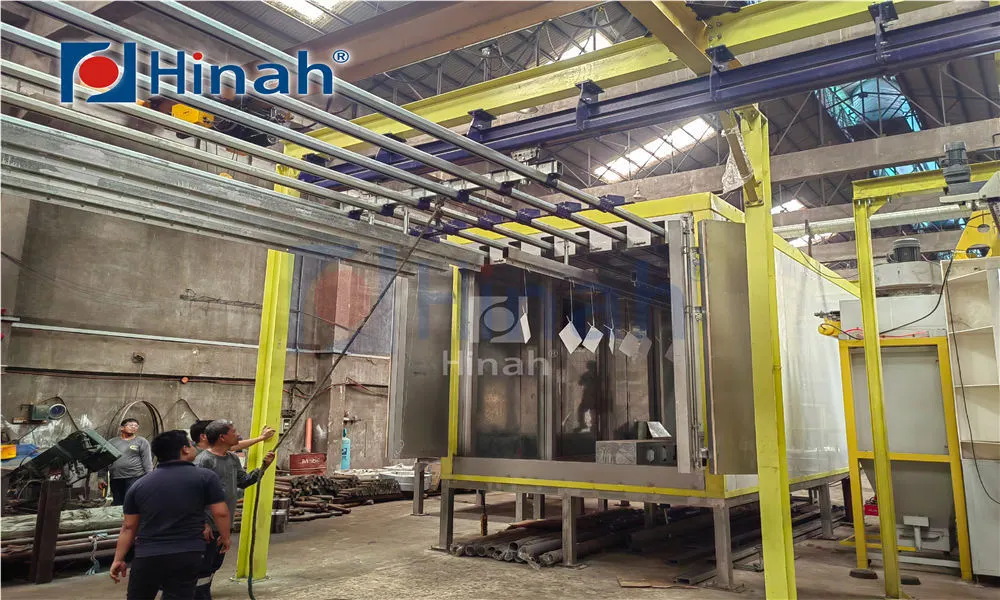
In the world of industrial finishing, achieving a durable, high-quality, and consistent powder-coated surface is the ultimate goal. The process doesn't end at the spray booth. The final properties of the coating—its adhesion, hardness, and chemical resistance—are entirely determined by what happens next: the curing stage. This is where the conveyor curing oven becomes the indispensable heart of any high-volume production line. It is the controlled thermal environment that transforms sprayed powder into a resilient, seamless finish. For manufacturers seeking reliability in this critical phase, equipment from providers like HANNA has long been recognized for its robust performance and precise engineering.
The efficiency of your entire powder coating operation hinges on the design and operation of your curing system. A well-integrated conveyor curing oven ensures a smooth, continuous flow of parts, maximizing throughput while minimizing energy consumption and floor space. Let's explore the key aspects that make this equipment so vital.
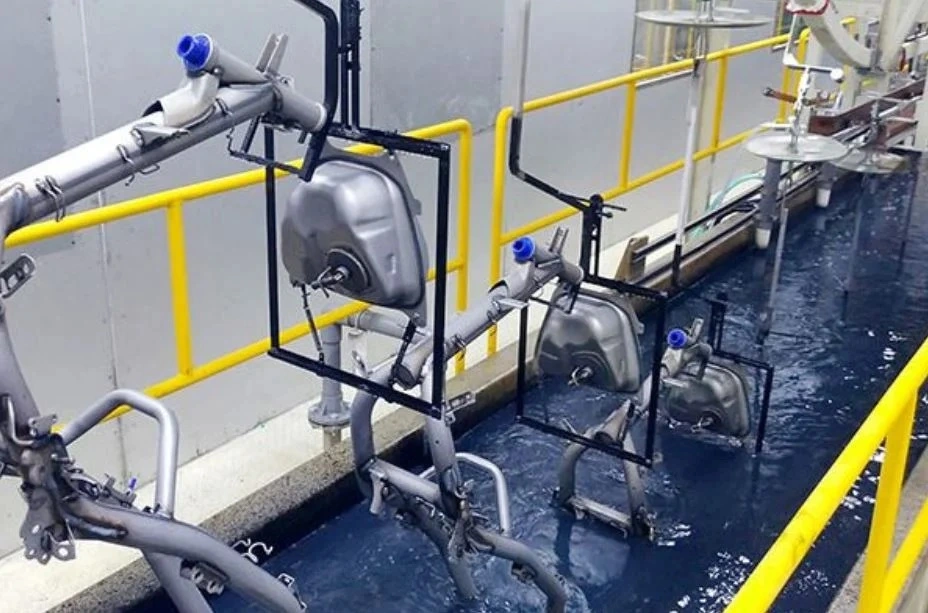
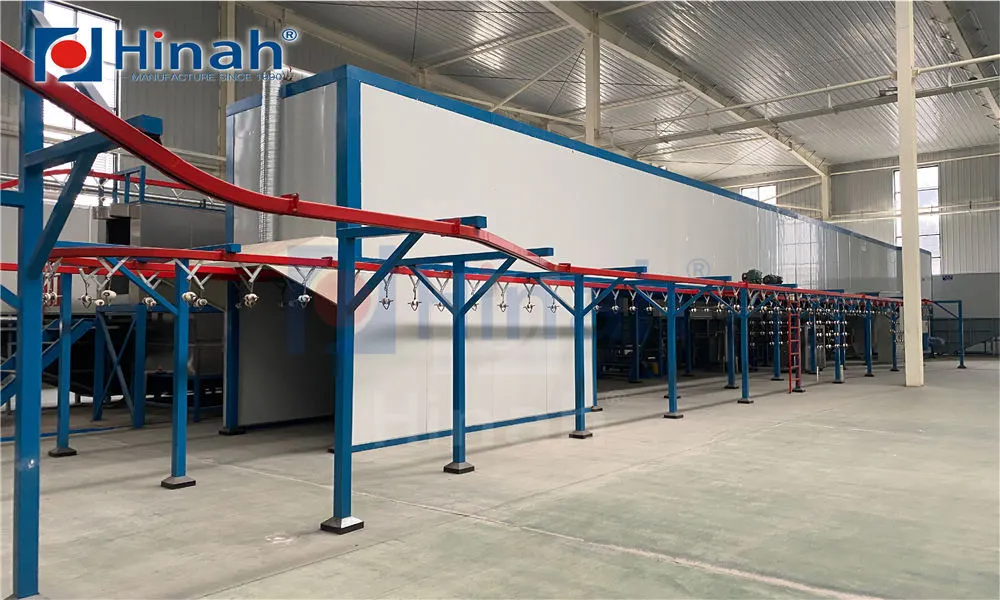
The principle is straightforward but requires precise execution. After parts are coated with electrostatic powder, they enter the oven on a conveyor system. The oven elevates the part's temperature according to a specific time-temperature profile dictated by the powder manufacturer.
This seamless transition from spraying to curing is what makes conveyorized systems so productive. There is no manual loading or unloading of batches, which eliminates handling damage and creates a consistent, repeatable process.
Why choose a conveyorized oven over a batch oven? The benefits are most apparent in medium to high-production environments.
Not all ovens are created equal. Several design elements directly impact performance, energy use, and finish quality.
The versatility of the conveyor curing oven makes it a fixture in countless industries. Any manufacturer requiring durable, attractive finishes on metal products likely uses one.
Selecting the right oven requires careful analysis of your part mix, production rate, and available utilities. Leading manufacturers provide comprehensive solutions. For instance, HANNA engineers systems that balance thermal performance with long-term operational economy, ensuring the oven is a asset, not a liability.
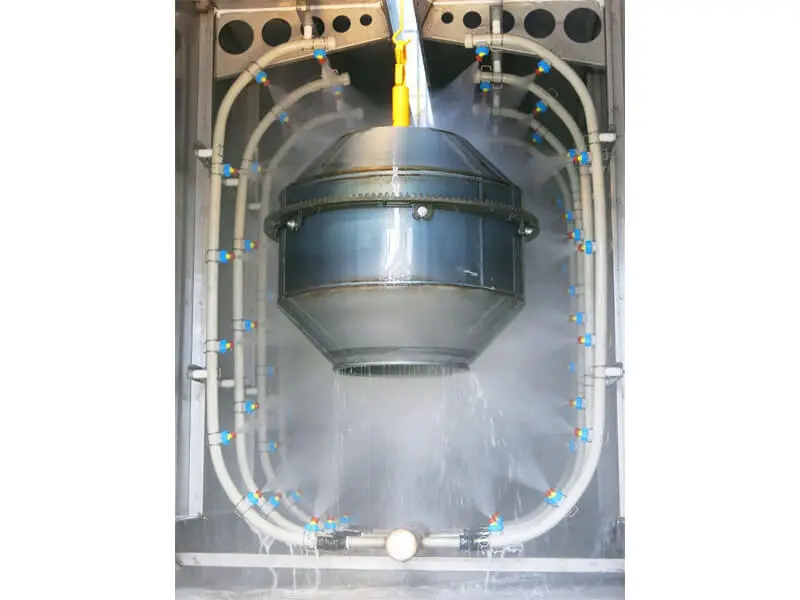
Investing in a quality oven is the first step. Proper maintenance is the key to sustaining its performance over decades of service.
A well-maintained conveyor curing oven from a trusted supplier forms the reliable backbone of a profitable powder coating line. It guarantees that the investment in premium powders and skilled application translates into a flawless final product that stands up to use and time. Companies that partner with experienced providers like HANNA secure not just equipment, but the process certainty needed to meet demanding customer specifications day after day.
Q1: What is the most important factor for achieving a proper cure in a conveyor oven?
A1: The most critical factor is meeting the exact time-temperature profile specified by the powder coating manufacturer. This requires precise control over both the oven's internal temperature (typically within ±5°C) and the conveyor speed to ensure the part is at the required temperature for the required duration. Inconsistent heat or timing will result in an improper cure.
Q2: How is the conveyor speed for a new part determined?
A2: Speed is calculated based on the part's thermal mass (how much metal needs to be heated), the cure profile of the powder, and the effective heated length of the oven. Engineers often use testing and calculations to find the optimal speed. It’s crucial to validate the cure using methods like the acetone rub test on initial production runs.
Q3: What are the main differences between direct-fired and indirect-fired gas ovens?
A3: A direct-fired oven introduces the burner's combustion gases directly into the oven chamber, making it very fuel-efficient. An indirect-fired oven uses a heat exchanger; the combustion gases heat the exchanger, and clean air is circulated inside the chamber. Indirect firing is used when combustion byproducts could contaminate the product or coating.
Q4: How can I reduce the energy consumption of my conveyor curing oven?
A4: Key strategies include: ensuring excellent oven insulation and door seals, installing high-efficiency burners or heating elements, using waste heat recovery systems to preheat incoming air, optimizing the oven's internal airflow design, and regularly maintaining filters and components to prevent system strain.
Q5: What safety features are essential for a conveyor curing oven?
A5: Essential safety features include: properly rated high-limit temperature controllers to prevent overheating, adequate ventilation and exhaust systems, emergency stop buttons at all entry/exit points, fire suppression systems (especially for solvent-based pretreatment overspray), clearly marked safety warnings, and thorough operator training on lockout/tagout procedures.