
Industrial surface finishing demands methods that provide robust corrosion protection, precise film thickness control, and uniform coverage across intricate geometries. Among the various industrial coating methods available, the Ed coating process—alternatively known as electrophoretic deposition, electrocoating, or e-coat—stands out as a highly efficient method for applying primer coats to metal surfaces. This electrochemistry-driven process has become a standard in the automotive, agricultural, and heavy machinery industries, where parts are subject to harsh environmental conditions and require reliable barrier protection.
Understanding the fundamental chemistry and mechanical operations of this method is necessary for production managers and manufacturing engineers who aim to maintain high quality standards. By utilizing electrical current to attract paint particles to a metallic substrate, this process ensures that even the most recessed areas, internal cavities, and sharp edges receive a uniform protective layer. This engineering analysis examines the scientific principles, process sequences, control parameters, and practical solutions to common production challenges associated with electrocoating.
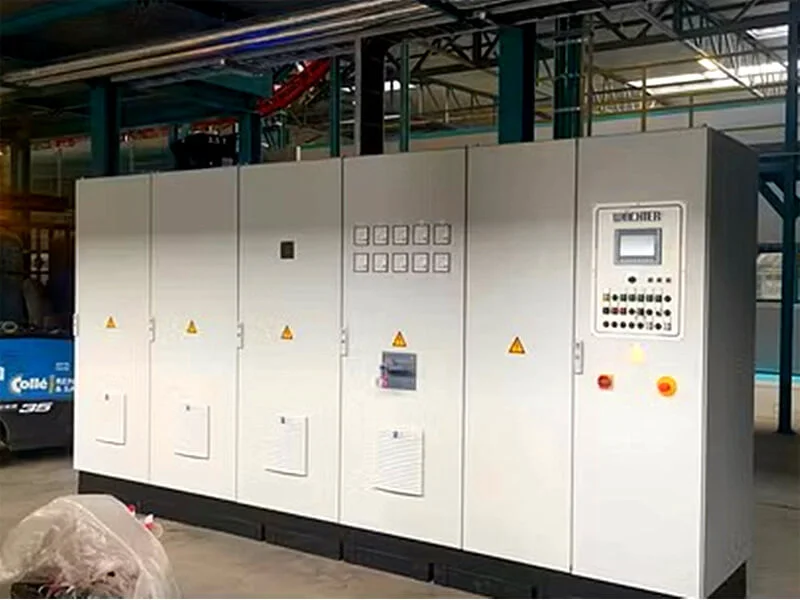
The deposition of paint via electric current relies on four distinct physical and chemical mechanisms: electrophoresis, electrolysis, electrodeposition, and electro-osmosis. These phenomena occur simultaneously within a precisely regulated aqueous bath containing organic resins, pigments, solvents, and deionized water.
Electrophoresis: Charged paint particles, suspended as micelles within the aqueous medium, migrate toward the oppositely charged electrode under the influence of an applied direct current (DC) electric field.
Electrolysis: Water molecules undergo electrochemical splitting at the electrode surfaces. At the cathode, water reduction generates hydrogen gas and hydroxide ions, locally increasing the pH value. At the anode, oxidation generates oxygen gas and hydrogen ions, lowering the local pH.
Electrodeposition: The localized change in pH at the substrate surface destabilizes the polymer emulsion. In cathodic electrodeposition (CED), the increased concentration of hydroxide ions near the metal surface neutralizes the positive charges on the polymeric micelles, causing them to coagulate and deposit as an insoluble organic film.
Electro-osmosis: As the polymer layer builds on the substrate, the applied electric field expels water molecules from the freshly deposited film. This dewatering process compacts the coating, leaving a dense, semi-dry film with low water content and high electrical resistance, which limits further film growth.
This self-limiting nature of the deposition is a key characteristic of the system. As the deposited film thickness increases, its electrical resistance rises, gradually shifting the current to uncoated areas of the workpiece. This phenomenon, known as throwpower, allows the coating to penetrate deep into hollow sections, channels, and complex structural features, achieving an even film thickness across the entire component.
To achieve a high-performance finish, the Ed coating process must follow a highly structured, multi-stage sequence. Any disruption in the early stages will compromise the adhesion and protective capabilities of the cured film.
The raw metal substrate must be free of mill scale, rust, lubricants, and drawing compounds. The pre-treatment sequence typically involves alkaline degreasing, rinse stages, surface conditioning, and a phosphating or zirconization stage. Zinc phosphate coatings are commonly applied to steel substrates to create a micro-crystalline structure that enhances mechanical adhesion and acts as a secondary barrier against under-film corrosion. Deionized water rinses conclude this phase to prevent the introduction of foreign ions into the main electrocoat bath.
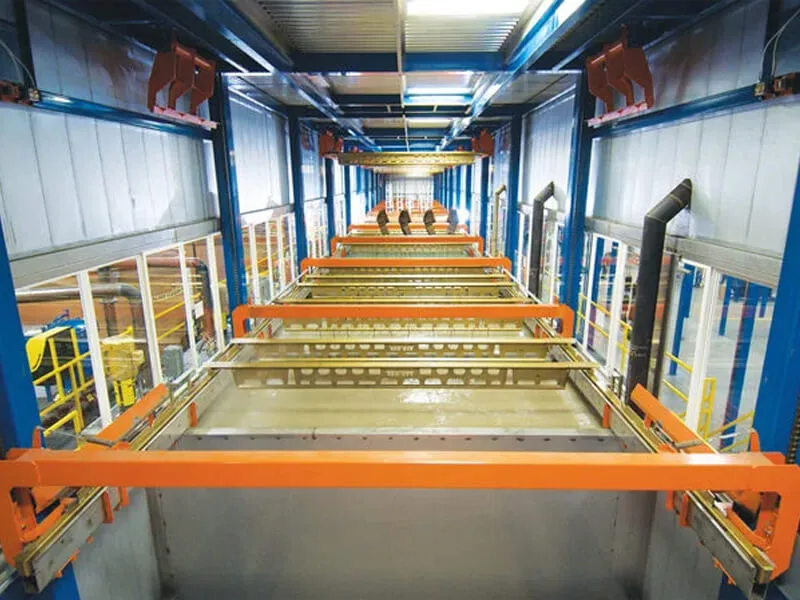
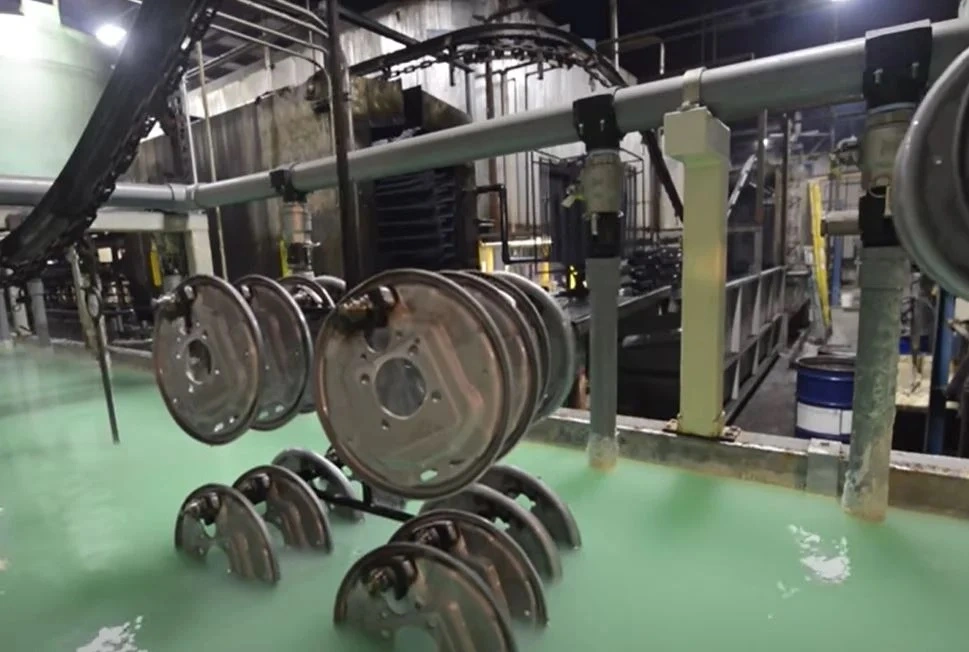
The clean, pre-treated workpiece enters the electrocoat tank, where it is submerged in a diluted paint mixture, typically containing 15% to 20% solids. The bath temperature is maintained within a narrow window, usually between 28°C and 32°C. A regulated DC voltage, typically ranging from 150V to 400V, is applied between the workpiece and the counter-electrodes. The immersion time generally lasts between two and three minutes, allowing the electrophoretic deposition to reach its self-limiting plateau.
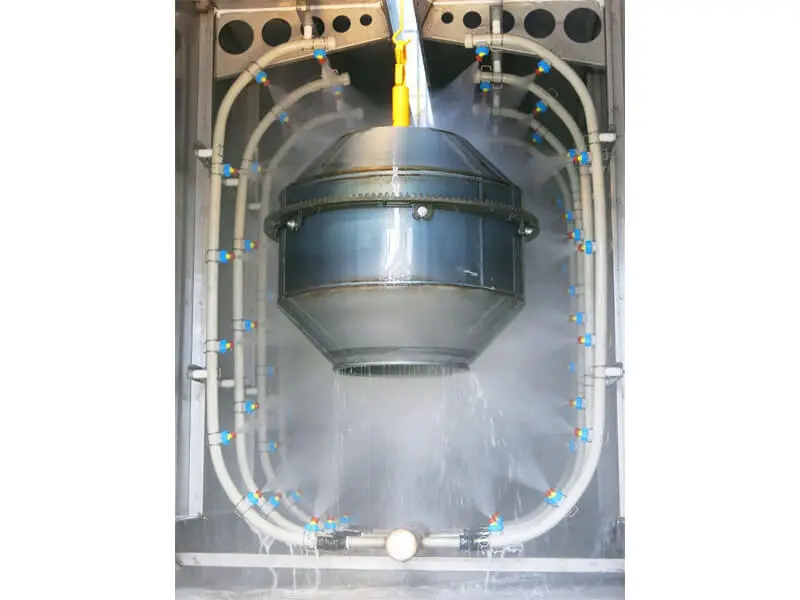
Upon exiting the deposition tank, the workpiece carries excess, non-deposited paint known as drag-out or cream coat. If left on the surface, this excess paint creates runs, sags, and rough textures during the baking phase. To prevent this, the parts pass through a series of ultrafiltration (UF) rinses. The ultrafiltrate, derived directly from the bath via membrane separation, dissolves and rinses away the cream coat while returning the recovered paint solids back to the main bath, maximizing material utilization.
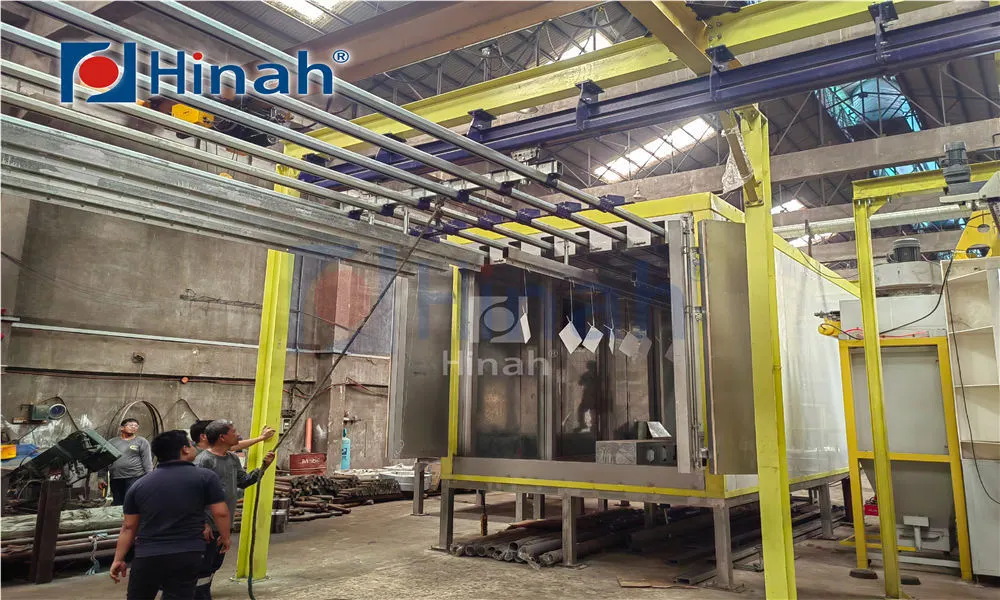
The rinsed parts enter a curing oven where they are exposed to high temperatures, typically between 160°C and 180°C, for 20 to 30 minutes. During this thermal process, the block-isocyanate cross-linkers within the formulation deblock and react with the hydroxyl groups of the epoxy resin. This chemical reaction forms a highly cross-linked, thermosetting polymer network that provides high chemical resistance, mechanical durability, and adhesion to the substrate.
Industrial applications categorize electrocoating into two primary groups based on the electrical polarity of the workpiece: anodic and cathodic systems. Each system has specific attributes that make it suitable for particular industrial applications.
In anodic electrodeposition (AED), the workpiece acts as the anode, and the paint micelles carry a negative charge. During the process, the metal substrate undergoes slight oxidation, releasing metal ions into the bath and integrating them into the deposited film. These metal ions can cause slight discoloration and reduce the chemical resistance of the cured coating. Consequently, anodic coatings are primarily used for interior applications, single-layer decorative finishes, and components that do not face extreme environmental conditions.
In cathodic electrodeposition (CED), the workpiece acts as the cathode, and the paint micelles are positively charged. Since the cathode does not undergo metal dissolution during electrolysis, there is no metal ion contamination within the deposited film. This leads to significantly higher corrosion protection. Cathodic coatings, typically based on modified epoxy resins, provide superior resistance to salt spray, humidity, and chemical exposure, making them the preferred choice for automotive underbodies, agricultural implements, and industrial machinery prime coats.
Maintaining the equilibrium of the electrocoat bath is a fundamental requirement for consistent production. The bath is a dynamic chemical system that requires continuous monitoring and adjustment.
The pH value of the bath determines the stability of the aqueous emulsion. In cathodic systems, the pH is typically kept slightly acidic or near-neutral. Deviations from the target range can lead to polymer destabilization, resulting in premature precipitation or coagulation of the paint within the tank. Conductivity is another factor, reflecting the concentration of soluble ions. High conductivity can cause excessive current draw, leading to thick, rough coatings and gas pinholing, while low conductivity reduces throwpower and film thickness.
For manufacturers seeking reliable turnkey installations, engineering firms like HANNA design integrated systems that regulate solvent concentrations and maintain precise temperature controls to avoid paint degradation. Coalescing solvents assist in film formation during the deposition and early baking stages, and keeping their levels within specified limits ensures optimal flow and surface smoothness without compromising the wet-film strength.
Surface defects in the electrocoat film can compromise the protective barrier, leading to localized corrosion and cosmetic rejection. Identifying the root causes of these defects requires systematic analysis of the bath chemistry, electrical parameters, and pre-treatment stages.
Pinholes and ruptures are frequently caused by excessive deposition voltage or incorrect bath conductivity. When the voltage exceeds the wet-film rupture limit, intense electrolysis occurs at the substrate, generating excessive hydrogen gas bubbles that break through the depositing polymer layer. Lowering the voltage, adjusting the bath temperature, or refining the solvent ratio can mitigate this issue. Cratering is another common defect, often caused by the presence of surface contaminants such as silicone oils, grease, or incompatible lubricants. Implementing strict pre-treatment filtration and ensuring clean hanger racks help prevent these hydrophobic contaminants from entering the deposition zone.
Orange peel, characterized by a bumpy, irregular surface profile, occurs when the paint film lacks sufficient flow during the initial phase of the curing cycle. This issue can be mitigated by implementing precision dosing pumps and circulation systems developed by HANNA. These systems help maintain the proper balance of coalescing solvents and regulate the oven heating rates to allow the polymer film to liquefy and level out before complete cross-linking occurs.
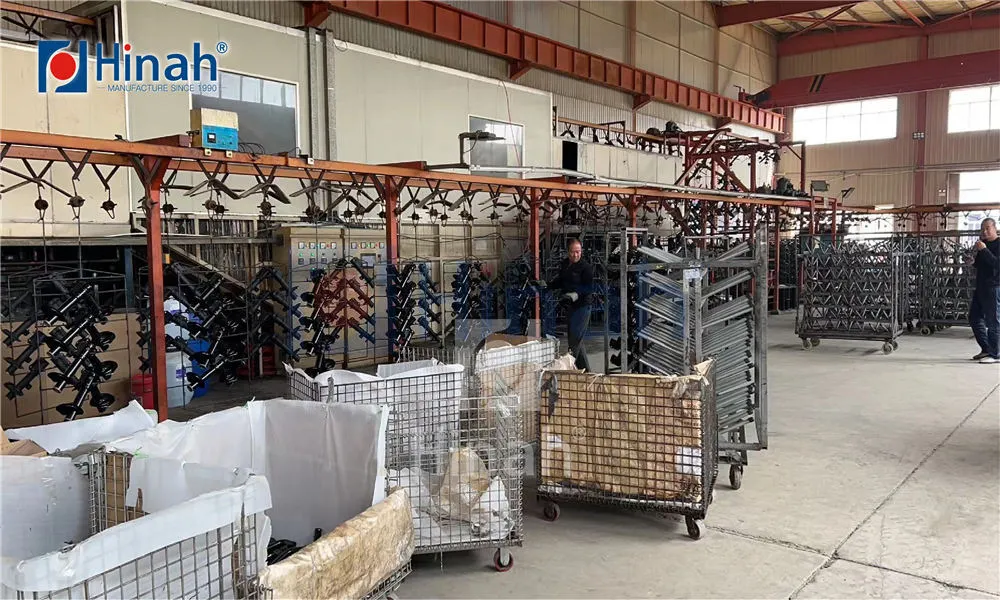
When comparing the Ed coating process with traditional electrostatic powder spraying or conventional liquid paint spraying, several distinct processing characteristics become apparent.
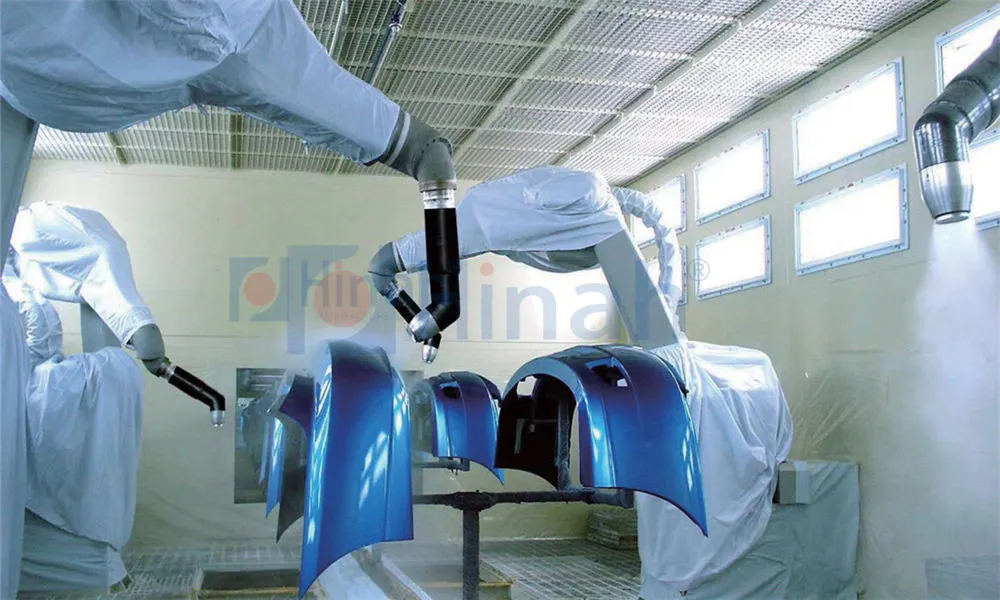
Liquid spray systems often struggle with transfer efficiency, as a significant portion of the atomized paint misses the workpiece, resulting in overspray and material waste. Liquid spraying also fails to coat the interior surfaces of hollow structures, leaving them susceptible to oxidization. While electrostatic powder coating offers excellent film thickness and impact resistance on exterior surfaces, it is subject to the Faraday cage effect, which prevents powder particles from penetrating deep recesses, tight corners, and Faraday cages.
The electrocoating method solves these issues through its dip-immersion nature and electrophoretic action. Because the paint is deposited electrochemically from an aqueous solution, the transfer efficiency exceeds 95%. Every portion of the metal surface that comes into contact with the liquid bath receives a highly uniform, continuous coating, regardless of the complexity of the part geometry. This high level of coverage and edge protection makes electrocoating an ideal primer coat, which can subsequently be topcoated with powder or liquid coatings for enhanced UV resistance.
| Process Feature | Electrocoating (Ed Coating) | Electrostatic Powder Coating | Conventional Liquid Spraying |
|---|---|---|---|
| Transfer Efficiency | 95% - 99% (via UF recycling) | 50% - 85% (with recovery systems) | 30% - 60% (significant overspray) |
| Throwpower & Internal Cavity Coverage | Excellent; coats hollow zones completely | Poor; limited by Faraday cage effect | Poor; line-of-sight application only |
| Edge Protection | Excellent; thin, uniform coverage on sharp edges | Moderate; tendency to pull back from sharp corners | Poor; surface tension causes edge thinning |
| Film Thickness Uniformity | Highly uniform across all surfaces | Varies; thicker on exterior, thin in recesses | Highly dependent on operator skill or robotics |
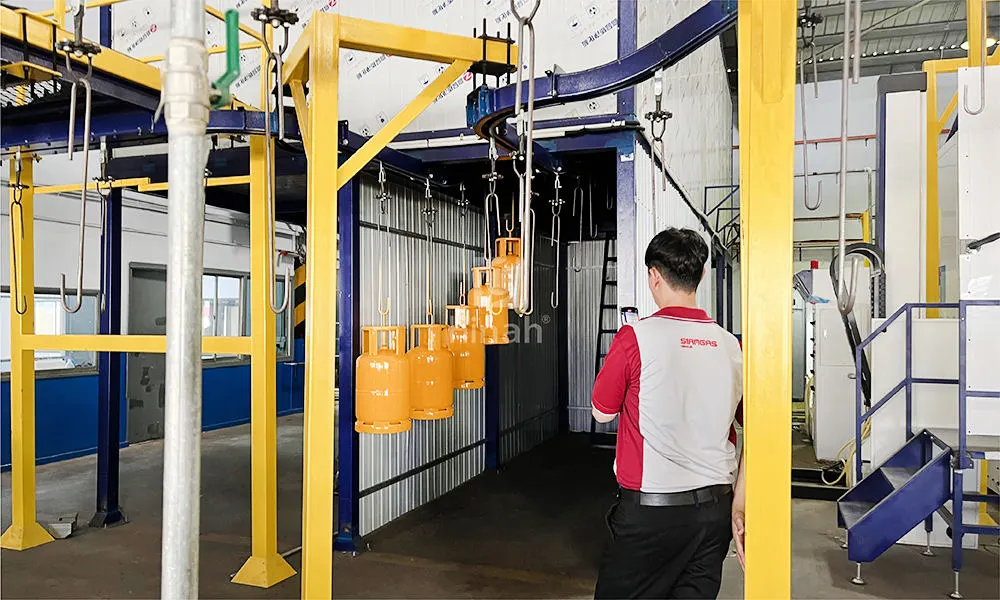
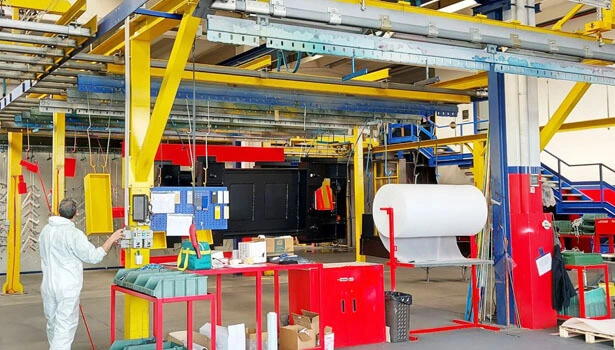
Heavy industrial manufacturers select the Ed coating process because of its ability to handle high-volume production lines with automated material handling systems. The automotive industry represents the largest user of this technology, using cathodic electrocoat as the primary corrosion-resistant primer for vehicle bodies, chassis assemblies, and under-hood components.
In the agricultural and construction machinery sectors, equipment is regularly exposed to moisture, fertilizers, mud, and physical abrasion. Utilizing a cathodic electrocoat primer underneath a durable topcoat ensures that structural frames, brackets, and panels resist premature rust and paint delamination. Similarly, the home appliance industry utilizes electrocoating for washing machine drums, refrigerator panels, and air conditioner housings, where uniform film coverage on stamped metal sheets is necessary to prevent localized rust propagation.
Below are the answers to the most common queries regarding the integration and performance of the Ed coating process in industrial environments.
A1: The typical dry film thickness for standard cathodic electrocoating ranges between 15 and 30 micrometers (0.6 to 1.2 mils). This thickness can be adjusted by altering the deposition voltage, bath temperature, and immersion time. For specialized thick-film applications, certain formulations can achieve thicknesses up to 40 micrometers, providing enhanced barrier protection without sacrificing film smoothness.
A2: No. The electrodeposition process relies on the flow of electric current through the substrate to initiate the localized chemical reactions necessary for paint precipitation. Therefore, the substrate must be electrically conductive, such as steel, iron, aluminum, brass, or copper. Non-conductive materials like plastics or composites cannot be directly coated using this process unless they are first treated with a conductive primer or metallized surface layer.
A3: Ultrafiltration (UF) systems separate the paint bath into concentrated paint solids and a clear, aqueous liquid called ultrafiltrate. This ultrafiltrate is used in the post-deposition rinse stages to wash off excess, non-deposited paint from the workpieces. The rinse water, containing the washed-off paint, flows back into the main electrocoat tank. This closed-loop design ensures almost complete recovery of drag-out paint, keeping overall paint utilization above 95% while minimizing waste generation.
A4: In a cathodic electrodeposition system, the workpiece acts as the cathode, and the anode cells serve as the counter-electrodes. These anode cells are usually enclosed within semi-permeable ion-exchange membranes. As deposition occurs, acid (hydrogen ions) builds up in the bath. The anode cells isolate and remove these excess acid ions, helping to maintain the pH stability of the bath and ensuring consistent deposition performance over prolonged production cycles.
A5: Yes. A cured electrocoat layer provides an exceptionally stable, uniform, and chemically receptive primer base. It is highly compatible with a wide range of topcoats, including liquid acrylics, polyurethanes, and polyester powder coatings. Applying a topcoat over the electrocoat layer creates a duplex coating system, combining the excellent corrosion resistance and edge protection of the e-coat with the high UV resistance and aesthetic appeal of the topcoat.
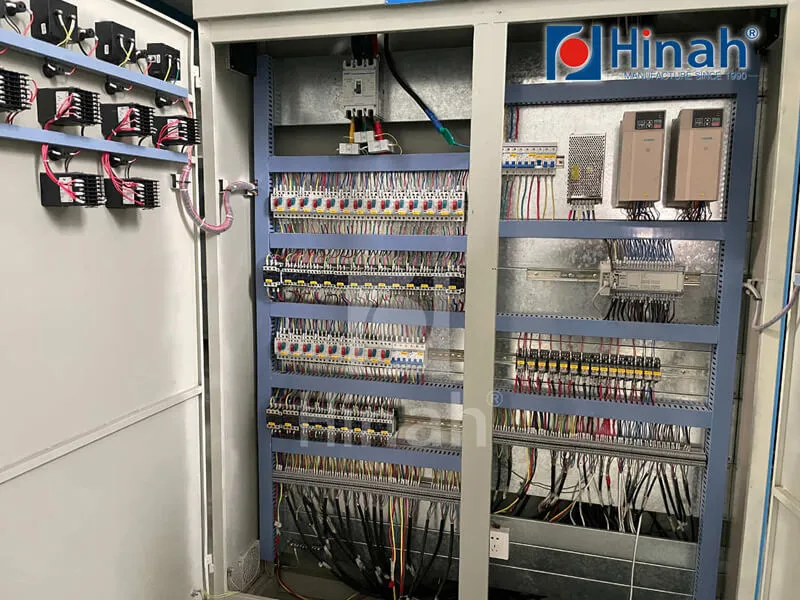
Integrating a complete finishing line requires careful coordination between chemical parameters, mechanical transport, and heat transfer systems. To obtain a customized proposal for your production facility, please submit an inquiry to the HANNA engineering team. Our technical experts can evaluate your component dimensions, production volumes, and coating specifications to design an automated finishing system that meets your quality and throughput objectives.