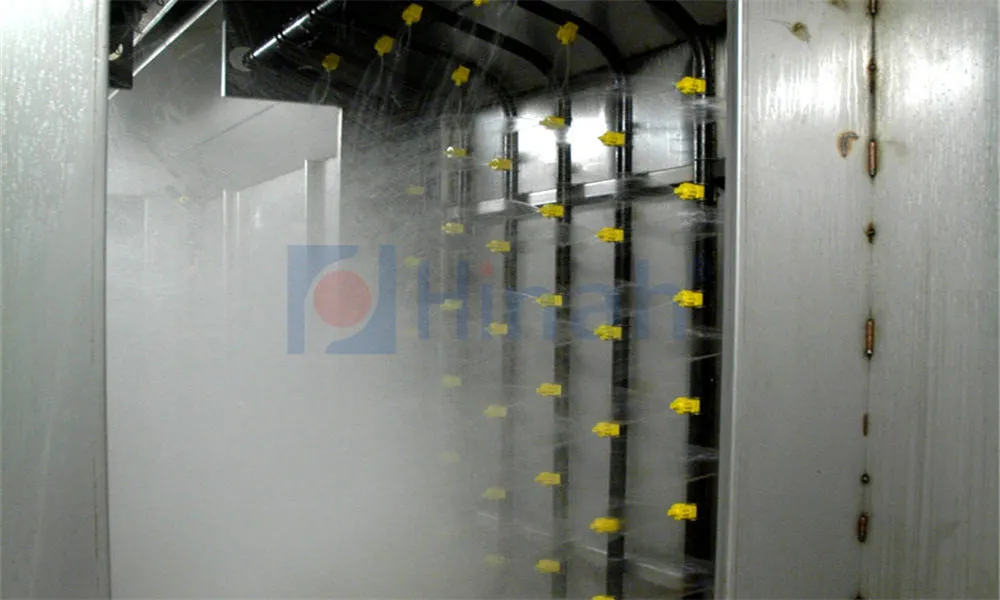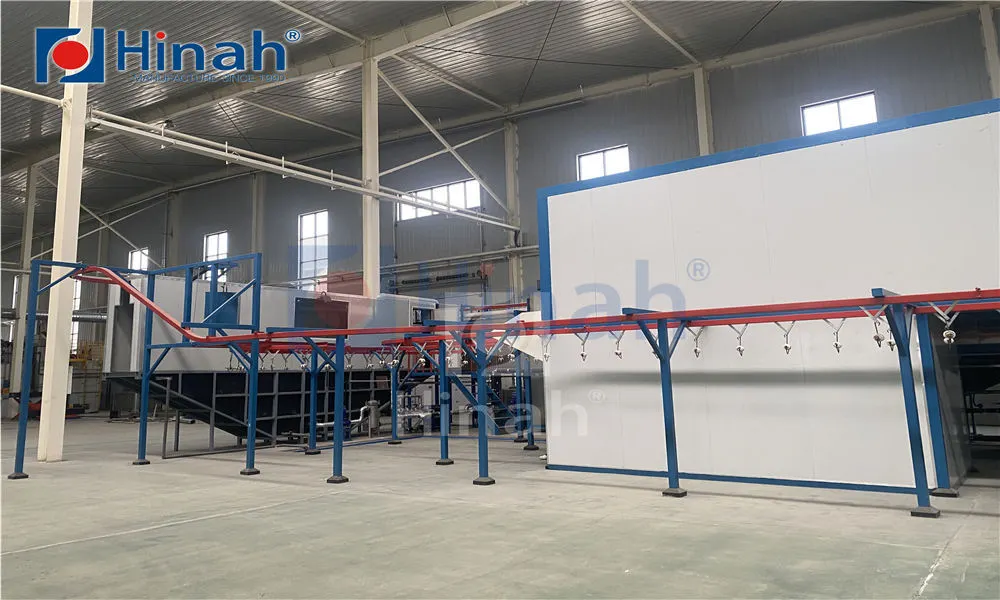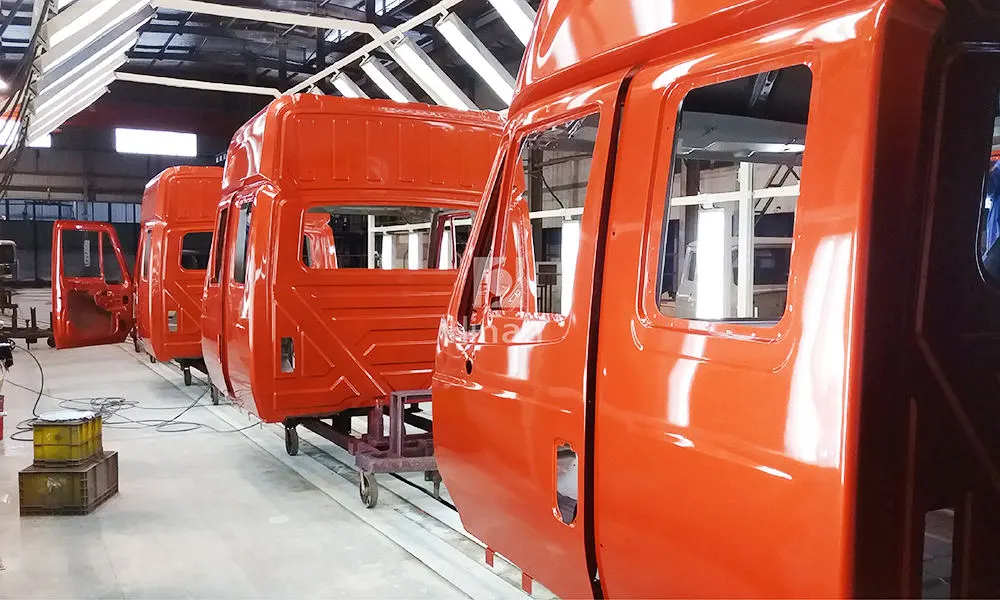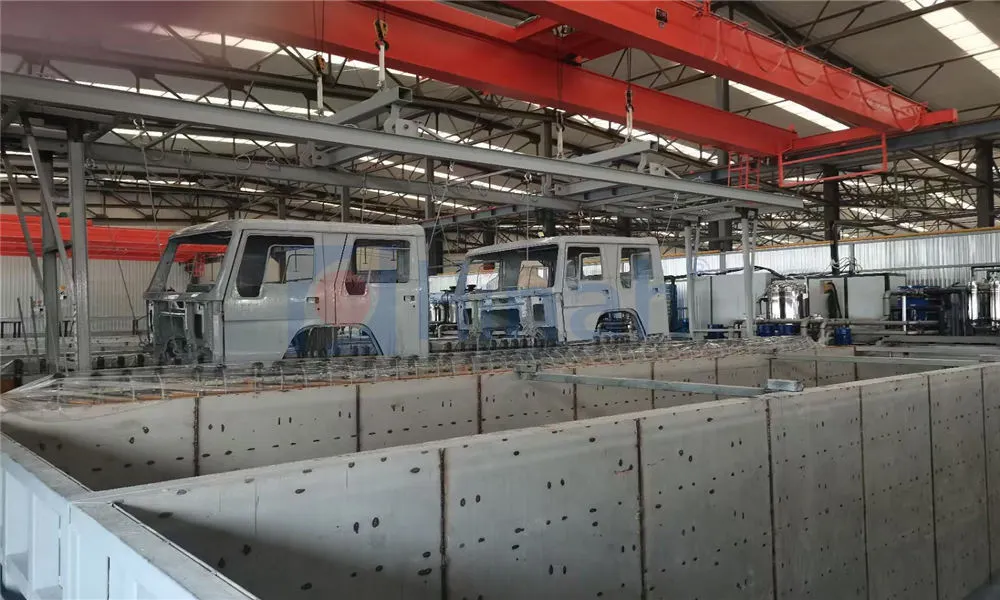

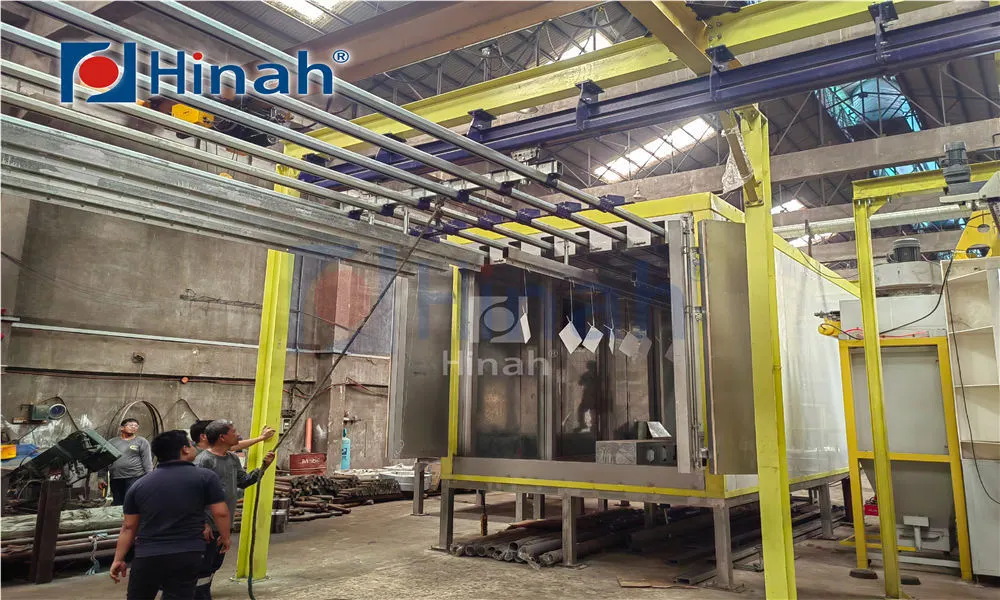
The spray booth constitutes the physical interface between powder application equipment and the manufactured component, determining transfer efficiency, film thickness uniformity, and contamination incidence in the coating process. Spray booth powder coating systems must manage overspray capture, airflow distribution, temperature stability, and humidity control to achieve consistent finish quality across varying part geometries and production rates. For facility engineers and production managers, the booth selection and configuration directly influence first-pass yield, rework frequency, and material utilization rates. Unlike liquid painting booths, powder coating spray booths incorporate cartridge filter collection, automatic reverse pulse cleaning, and rapid color change capabilities that distinguish them as specialized industrial equipment.
Overspray collection efficiency in powder coating booths typically ranges from 95% to 99.5% depending on filter media grade, air-to-cloth ratio, and pulse cleaning parameters. The booth enclosure design affects powder cloud containment and worker exposure, requiring integration with ventilation systems that maintain face velocities between 80 and 120 feet per minute. Spray booth powder coating installations demand careful consideration of explosive atmosphere regulations, with NFPA 33 and EN 12981 providing guidance on electrical classification, grounding, and fire suppression. This article examines the engineering principles, operational parameters, and maintenance practices that govern effective powder coating booth deployment in automotive, appliance, and general finishing industries.
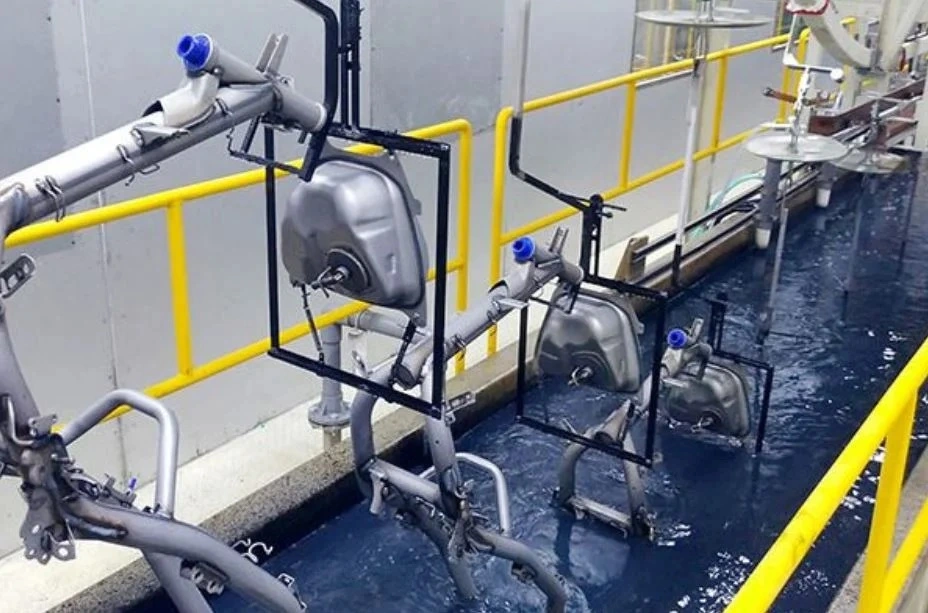
The performance of a powder coating spray booth depends on several interrelated design parameters that affect both coating quality and operational efficiency. Airflow management, filter selection, and booth construction materials each contribute to the overall system capability.
Airflow within the spray booth determines powder cloud confinement and overspray capture. Downdraft booths direct air vertically from ceiling supply filters to floor exhaust grilles, providing superior containment for large parts with complex geometries. Crossdraft booths move air horizontally from the operator side to the exhaust wall, suitable for smaller components and lower production volumes. The booth design must maintain balanced air distribution to prevent turbulence that would disturb the powder spray pattern and cause uneven deposition. Pressure differentials across the booth enclosure ensure that airborne powder does not escape into surrounding work areas, protecting operators and adjacent processes from contamination.
Face velocity measurement at the booth opening confirms that airflow meets the design specification. For manual spray booths, face velocities between 100 and 120 fpm provide adequate containment without interfering with operator technique. Automatic spray booths can operate at lower velocities—80 to 100 fpm—because the robot trajectory maintains consistent spray gun positioning and the enclosure minimizes disturbance. Velocity profiling across the booth opening identifies dead zones where powder accumulation could occur, allowing adjustment of exhaust damper positions and supply air distribution to achieve uniform flow.
Cartridge filters represent the primary collection method in powder coating spray booths, offering high filtration efficiency with manageable pressure drop characteristics. Cellulose/polyester blended media with nanofiber coatings provide initial efficiency exceeding 99.9% for particles down to 0.5 microns, while maintaining airflow resistance below 2.5 inches water gauge at rated air volume. The filter pleat geometry affects dust holding capacity and pulse cleaning effectiveness, with deeper pleats allowing higher dust loading before pressure drop triggers cleaning cycles.
Reverse pulse cleaning systems use compressed air jets to dislodge collected powder from the filter surface, returning it to the hopper for possible reuse. Pulse timing and duration must be optimized to maintain pressure drop within the operating range while minimizing compressed air consumption and filter wear. Filter replacement intervals depend on powder composition, production volume, and cleaning cycle effectiveness, with typical service life ranging from six months to two years in continuous operation. Monitoring differential pressure across the filter bank provides real-time indication of filter condition and signals when replacement is due.
Color change operations in powder coating spray booths present a significant production bottleneck when equipment design does not facilitate rapid cleaning between batches. The time required to change powder color directly affects overall equipment effectiveness (OEE) and determines whether a facility can economically run small-batch orders alongside high-volume production.
Modern spray booths incorporate several features that reduce color change time from hours to minutes. Quick-change cartridge filter assemblies allow operators to swap entire filter banks rather than cleaning individual cartridges, reducing downtime from several hours to under 30 minutes. Smooth interior surfaces with minimal ledges and crevices prevent powder retention, while flush-mounted lighting fixtures and access doors permit thorough cleaning with compressed air and vacuums. The powder feed system—including hoses, pumps, and spray guns—can be swapped as a module, eliminating the need to purge the entire powder path between colors.
For facilities with frequent color changes, booth manufacturers offer mobile filter carts that roll into position and lock into the exhaust plenum, enabling color change without manual cartridge removal. The spent powder from cleaning operations is collected in dedicated waste hoppers, maintaining separation between colors to prevent cross-contamination. Spray booth powder coating systems designed with color change efficiency in mind enable production schedulers to group orders by color while maintaining flexibility for customer-driven changes.
The spray booth serves as the physical environment for powder application, but its performance depends on integration with corona charging guns, tribo guns, or bell applicators. Each application technology imposes specific requirements on booth configuration and environmental control.
Corona guns operate by applying high voltage (60-100 kV) to an electrode that ionizes air and charges the powder particles. The booth must provide adequate grounding to prevent electrostatic discharge, with floor conductivity maintained between 10⁶ and 10⁹ ohms to dissipate accumulated charge. Booth walls should be constructed of conductive materials or coated with conductive layers to prevent powder repulsion from charged surfaces. The ionized air environment also requires careful humidity control, with relative humidity maintained between 40% and 55% to achieve consistent charging efficiency without impairing powder fluidization.
Tribo guns rely on friction charging between powder particles and the gun barrel, eliminating the need for high-voltage equipment. These systems are less sensitive to humidity variations but require booth configurations that minimize powder contamination of the charging surfaces. The booth filtration system must remove overspray before it can deposit on the gun barrel, as accumulated powder would affect triboelectric charging characteristics. Spray booth design for tribo applications includes dedicated clean air supplies that sweep the gun area and prevent recirculation of powder-laden air.
Temperature and humidity fluctuations directly affect powder application consistency and film formation. Powder coating resins exhibit viscosity variations with temperature, changing flow characteristics and leveling behavior. Humidity affects electrostatic charging and moisture absorption in the powder particles, altering transfer efficiency and final film appearance. The spray booth must incorporate environmental control systems that maintain temperature within ±2°F and relative humidity within ±5% of the setpoint throughout the production shift.
Booth air supply systems include heating and cooling coils that condition the incoming air before it enters the spray zone. For facilities in variable climates, these systems must respond to outdoor temperature and humidity changes while maintaining stable booth conditions. The air handling unit's control algorithm should anticipate load changes from part entry and operator activity, adjusting cooling and reheating capacity to maintain the setpoint. Dew point monitoring at the booth supply ensures that condensation does not occur on cold parts entering the warm booth environment, which would cause surface defects and adhesion failure.
The interface between the spray booth and the curing oven affects part handling and process flow. Conveyorized systems transfer coated parts directly from the booth to the oven, requiring booth openings sized to accommodate part geometry without allowing excessive airflow between the two zones. Temperature stratification at the booth exit can affect powder adherence as parts transition from the spray environment to the cure environment, so booth design often includes a flash-off section where solvent-free powder coating stabilizes before entering the oven.
Powder coating spray booths operate with combustible dust atmospheres that require engineered safety measures to prevent ignition and explosion. NFPA 33 mandates specific requirements for spray booth construction, ventilation, electrical equipment, and fire protection that apply to powder coating operations. The booth must be constructed of non-combustible materials with fire resistance ratings appropriate for the building occupancy classification.
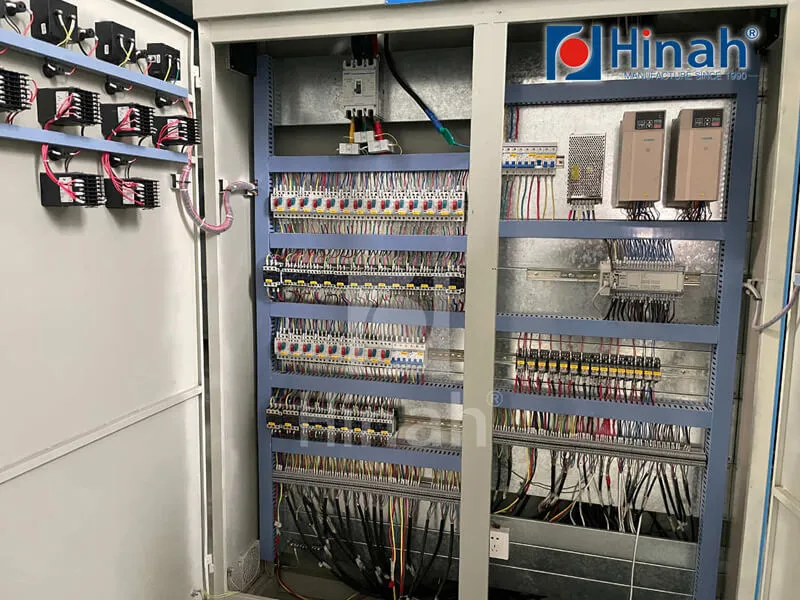
Electrical equipment within the booth must meet Class II, Division 1 or 2 requirements depending on the likelihood of dust cloud formation. Motors, switches, and controls installed in the booth enclosure require dust-ignition-proof enclosures with temperature ratings below the ignition temperature of the powder being applied. Grounding straps connect all booth components to the building grounding electrode system, ensuring that static charge does not accumulate on any surface that could contact powder particles.
Fire detection and suppression systems are integral to booth design, with thermal sensors, spark detectors, and automatic water-spray or clean-agent suppression systems protecting the booth interior and filter plenum. Interlocks between the suppression system, ventilation, and conveyor control ensure that the booth shuts down safely in the event of a fire alarm. Regular inspection of safety systems, including resistance checks of grounding connections and functional testing of suppression equipment, is required to maintain compliance with insurance underwriters and regulatory authorities.
Spray booth powder coating operations involve a combination of process engineering, safety management, and production planning. Facilities that design, install, and maintain their booth systems according to these principles achieve consistent coating quality, minimize rework, and operate within regulatory requirements. For projects requiring comprehensive spray booth engineering and integration, HANNA provides application engineering support and system design services for powder coating lines, helping production teams select booth configurations that match their specific throughput and finish specifications. HANNA also assists with safety system integration and environmental control design for new installations. Manufacturing organizations exploring new powder coating capabilities or upgrading existing equipment benefit from engaging with HANNA during the planning phase to ensure that the spray booth system aligns with production objectives and regulatory standards.
Scheduled maintenance of spray booth components ensures consistent performance and extends equipment service life. Filter replacement schedules, pulse cleaning system inspection, and booth cleaning protocols should be documented and executed according to manufacturer recommendations and operational experience.
Daily maintenance activities include inspection of filter pressure drop readings, verification of face velocity at the booth opening, and removal of powder accumulation from booth walls and fixtures. Weekly checks include examination of compressed air lines for moisture and oil contamination, which would degrade filter performance and affect powder application. Monthly activities involve cleaning of the booth interior, including removal of powder buildup from ledges, lighting fixtures, and access panels, using vacuums with HEPA filters to prevent particle re-entrainment.
Operator training on booth operation and cleaning procedures contributes to consistent process performance. Operators should understand the relationship between airflow, powder application parameters, and coating quality, enabling them to identify and correct deviations before they result in rejects. Training records documenting each operator's proficiency in booth operation and safety procedures should be maintained for quality system audits.
Q1: What is the difference between a downdraft and crossdraft powder coating booth?
A1: Downdraft booths move air vertically from ceiling supply to floor exhaust, providing superior containment for large or complex parts and ensuring powder cloud remains below the operator breathing zone. Crossdraft booths move air horizontally from operator side to exhaust wall, suitable for smaller parts with lower overspray volume. The choice depends on part size, production rate, and operator exposure requirements.
Q2: How often should cartridge filters be replaced in a powder spray booth?
A2: Filter replacement intervals depend on powder composition, production volume, and pulse cleaning effectiveness. Typical service life ranges from 6 to 24 months. Monitoring differential pressure provides indication of filter condition, with replacement recommended when pressure drop exceeds the manufacturer's specified limit at rated airflow.
Q3: What safety standards apply to powder coating spray booths?
A3: NFPA 33 provides comprehensive requirements for spray booth construction, ventilation, electrical equipment, and fire protection in the United States. EN 12981 covers similar requirements for European installations. Both standards address explosion protection, grounding, and fire suppression systems specific to powder coating processes.
Q4: How does humidity affect powder coating application in spray booths?
A4: Humidity affects electrostatic charging efficiency and powder fluidization. High humidity (above 55%) reduces charge transfer and causes powder clumping, while low humidity (below 35%) promotes static buildup and uneven spray patterns. Maintaining relative humidity between 40% and 55% is recommended for consistent application.
Q5: Can a single spray booth handle multiple powder colors?
A5: Single booth can handle multiple colors when equipped with quick-change filter assemblies and thorough cleaning protocols. Color change time depends on booth design and cleaning procedures, with modern booths enabling color changes in under 30 minutes. Dedicated booths for each color maximize efficiency for high-volume production.
Q6: What is the recommended face velocity for a manual powder coating booth?
A6: Manual powder coating booths typically operate with face velocities between 100 and 120 feet per minute to ensure powder containment without creating excessive air movement that disturbs the spray pattern. Automatic booths may operate at lower velocities (80-100 fpm) due to the controlled movement of robotic applicators.
For detailed engineering consultation on powder coating spray booth selection and integration, contact our application team to discuss your production requirements and facility specifications.