
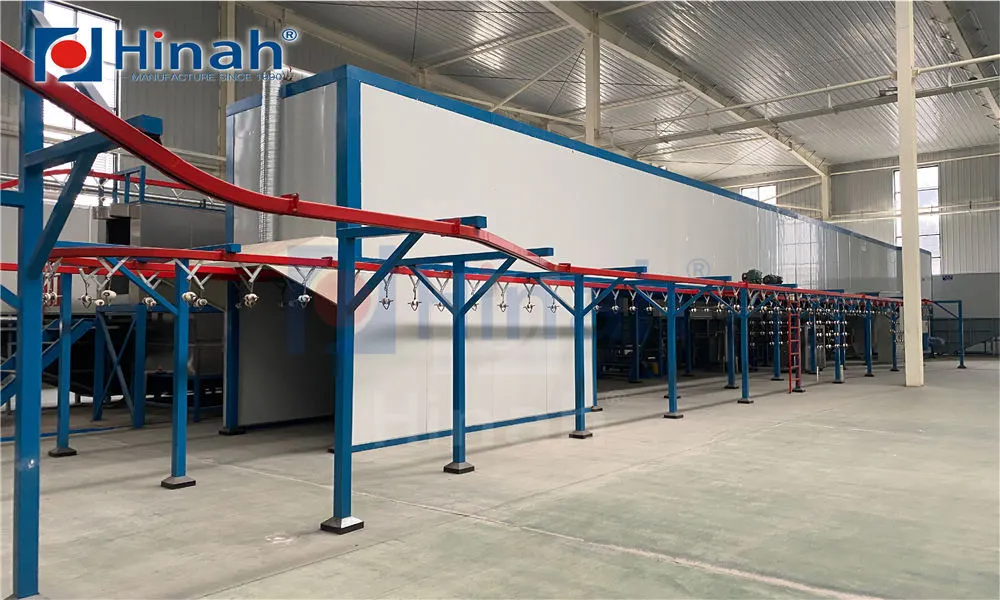
For production managers and finishing line engineers, the powder coating machine price represents more than a capital expenditure—it is a strategic decision that directly influences operational efficiency, product quality, and long-term profitability. This analysis examines the technical variables, application requirements, and engineering considerations that determine equipment investment levels in industrial powder coating.
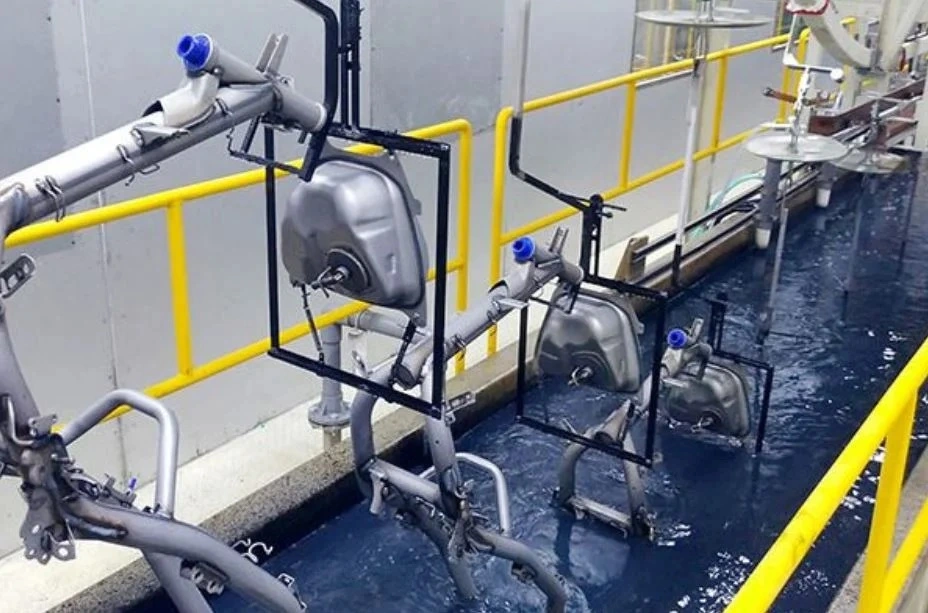
The powder coating machine price varies significantly across different industrial segments due to the interplay of multiple technical and operational parameters. Understanding these factors enables procurement teams to make informed decisions that align with production goals.
Every powder coating line comprises several critical subsystems, each contributing to the total equipment investment. The powder booth design—whether cartridge-type, cyclone-type, or a hybrid system—directly affects powder recovery efficiency and color-change flexibility. Cartridge booths typically command a higher initial investment but deliver superior transfer efficiency and reduced powder waste over the equipment lifecycle. Spray gun technology represents another major cost determinant. Corona charging systems remain the industry standard for most applications, while triboelectric systems offer advantages for certain coating formulations. The choice between manual and automatic gun configurations further influences the powder coating machine price, with fully automated systems requiring more sophisticated control electronics and positioning mechanisms.
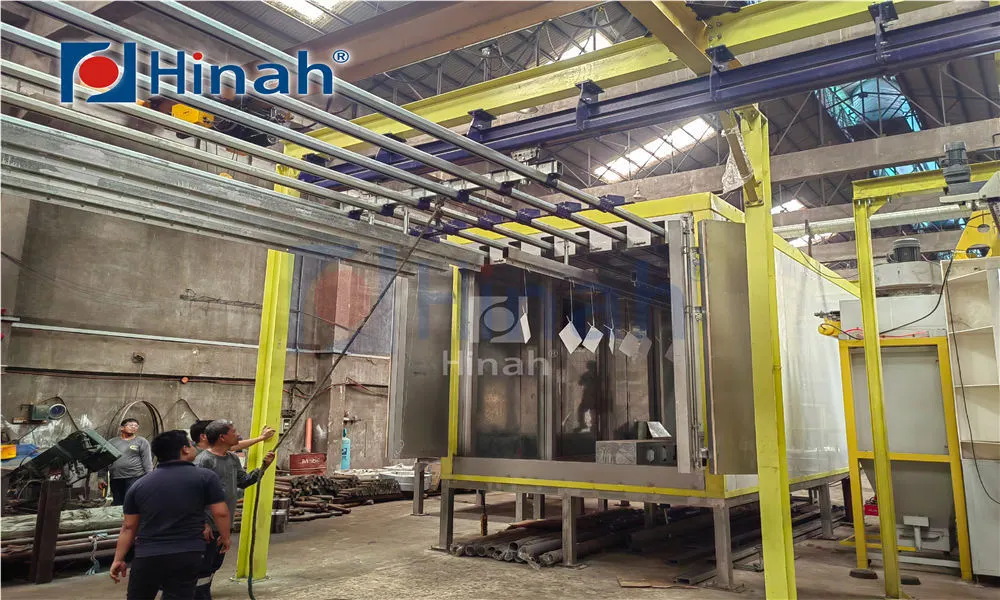
Curing oven specifications add another layer of complexity to equipment pricing. Gas-fired convection ovens, infrared curing systems, and combination designs each carry distinct cost structures. Convection ovens provide uniform heat distribution across complex geometries but demand greater floor space and energy input. Infrared systems offer rapid curing for flat or simple-shaped components but require precise distance and power control. The selection process must account for part geometry, coating chemistry, and production throughput requirements.
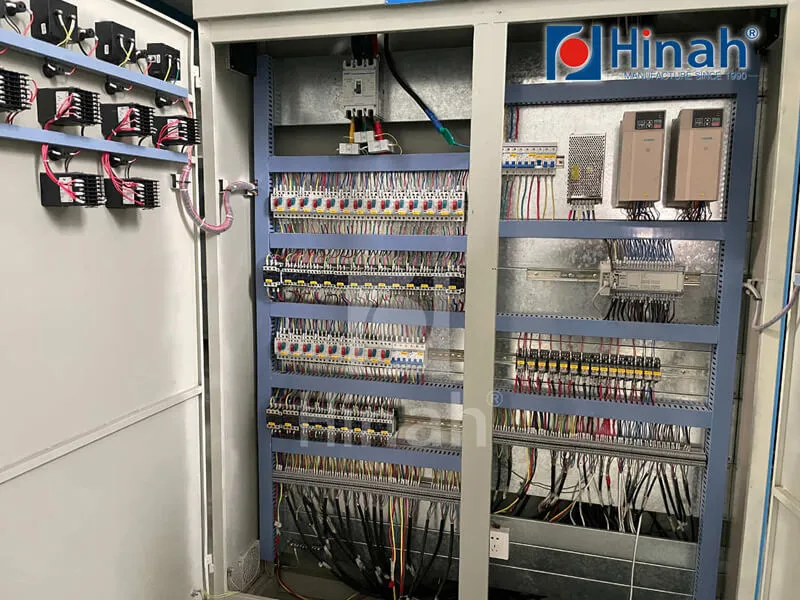
Modern powder coating installations increasingly incorporate programmable logic controllers (PLCs), human-machine interfaces (HMIs), and industrial IoT connectivity. These automation features enable precise parameter control, real-time process monitoring, and data collection for quality assurance. While base-level manual systems offer lower entry costs, automated controls deliver consistent coating thickness, reduced operator dependency, and enhanced production traceability. The integration of automated color-change systems, including powder feed hoppers, purge mechanisms, and cleaning cycles, substantially reduces downtime between production runs. For facilities handling multiple coating colors daily, this automation investment frequently justifies itself through reduced labor costs and improved schedule flexibility.
Equipment sizing directly correlates with the powder coating machine price across all manufacturers. High-capacity systems designed for continuous 24/7 operation incorporate heavier-duty conveyors, larger powder recovery units, and more robust curing oven designs. Production line speed, measured in linear meters per minute, determines the required booth length, oven capacity, and cooling zone specifications. Facilities processing large structural components require wider booths and specialized part-handling equipment, while those handling small batch production may prioritize quick color-change capabilities over absolute throughput.
Beyond the base equipment price, several additional cost elements shape the total investment required for a complete powder coating installation. A comprehensive understanding of these components helps avoid unexpected budget overruns during project implementation.
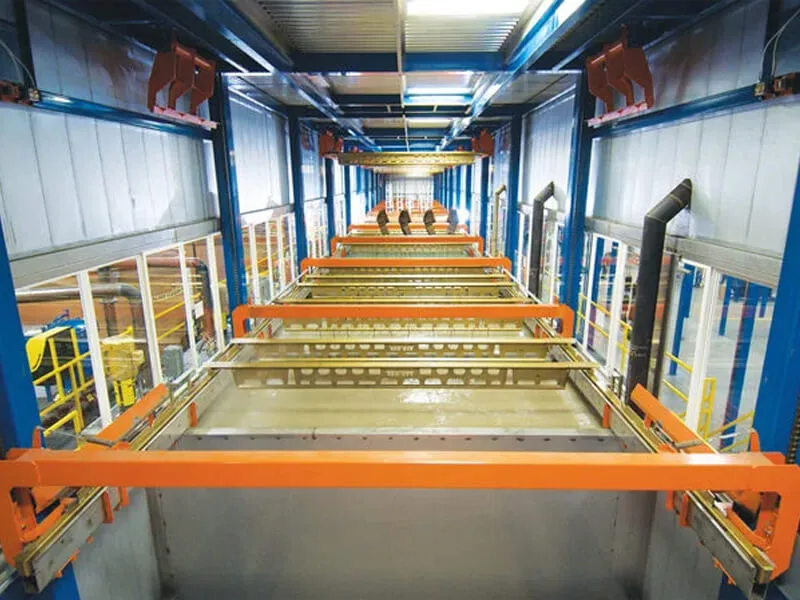
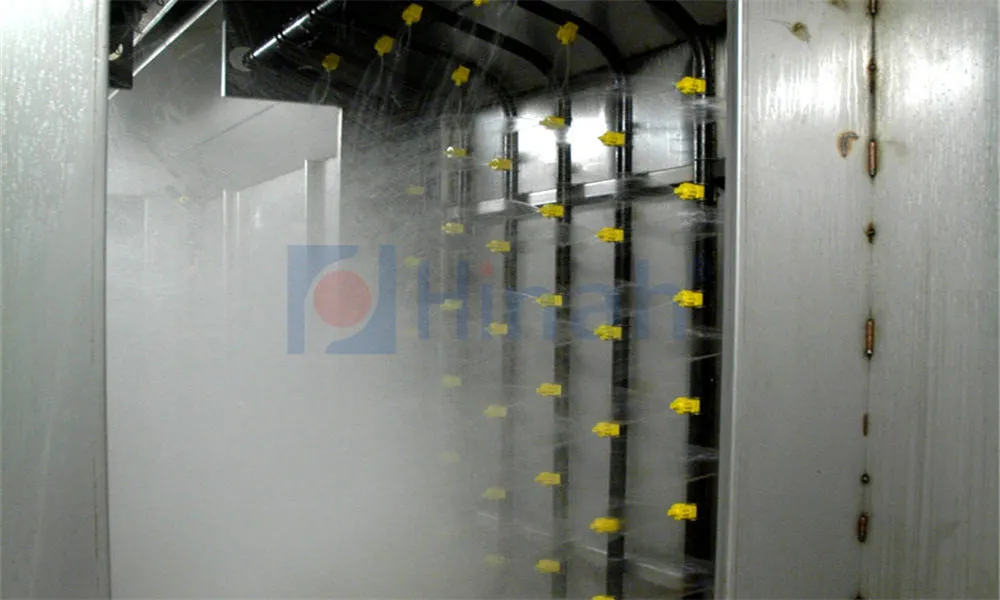
The base equipment package typically includes the powder booth structure, spray guns and controllers, powder feed system, recovery unit, and basic control panel. However, many installations require additional components to achieve full operational capability. Pretreatment systems—whether washer tunnels, manual spray booths, or immersion tanks—represent a significant supplementary investment that directly impacts coating adhesion and corrosion resistance. Conveyor systems, including chain-on-edge or monorail designs, must be engineered to match part weights, production speeds, and oven clearance requirements. These conveyor systems frequently constitute 15-25% of the total equipment package value.
Professional installation services, system commissioning, and operator training represent essential post-purchase considerations. Proper installation ensures correct alignment of conveyor systems, precise positioning of spray guns, and optimal airflow within the powder booth. Commissioning procedures verify that all subsystems function as specified, including powder flow rates, voltage and amperage settings, and oven temperature profiles. Investment in comprehensive training programs for operators and maintenance personnel reduces startup delays and minimizes material waste during the initial production phase. HANNA provides detailed installation planning and on-site commissioning support to ensure seamless integration with existing production workflows.
While not directly included in the equipment price, operational parameters significantly influence the overall cost-effectiveness of the investment. Powder consumption rates, driven by transfer efficiency, determine ongoing material costs. Systems achieving 65-75% transfer efficiency consume substantially less powder than those operating at 50-60% efficiency, translating to significant annual savings in powder purchases. Energy consumption for curing ovens and compressed air systems represents another recurring operational expense. High-efficiency burner designs and variable-speed fan systems reduce energy costs without compromising curing quality. Filter maintenance schedules, cartridge replacement intervals, and spare parts availability also factor into long-term operational budgets.
Different industrial sectors impose unique requirements on powder coating systems, resulting in varied equipment configurations and associated price points. Understanding these application-specific demands helps align equipment selection with actual production needs.
Automotive powder coating applications demand exceptional coating quality, consistent film thickness, and high production volumes. Wheel rims, suspension components, and engine parts typically require automated systems with multiple gun positions, precise reciprocator control, and advanced color-change capabilities. The automotive sector's emphasis on corrosion resistance and aesthetic finish often drives specification of high-transfer-efficiency systems with enhanced powder recovery. These installations frequently incorporate integrated quality inspection systems, including thickness gauges and visual inspection stations, to maintain stringent quality standards.
Architectural aluminum extrusions, window frames, and curtain wall components require powder coating systems designed for extended part lengths and consistent coating coverage. Horizontal reciprocating systems with multiple gun passes ensure uniform coating thickness along the entire extrusion length. The architectural sector's demand for color consistency across large production runs favors systems with automated powder feed control and stable electrostatic parameters. Weathering resistance requirements often specify specialized coating formulations, influencing powder feed system design and recovery equipment specifications.
Industrial equipment manufacturers coat a diverse range of products, from small brackets to large machinery housings. This sector's varied production mix demands flexible systems capable of handling different part geometries and coating specifications. Manual booths with adjustable gun positions offer cost-effective solutions for low-to-medium volume production, while automated systems provide the consistency required for high-volume operations. The general industrial segment often prioritizes quick color-change capabilities to accommodate smaller batch sizes and varied customer requirements.
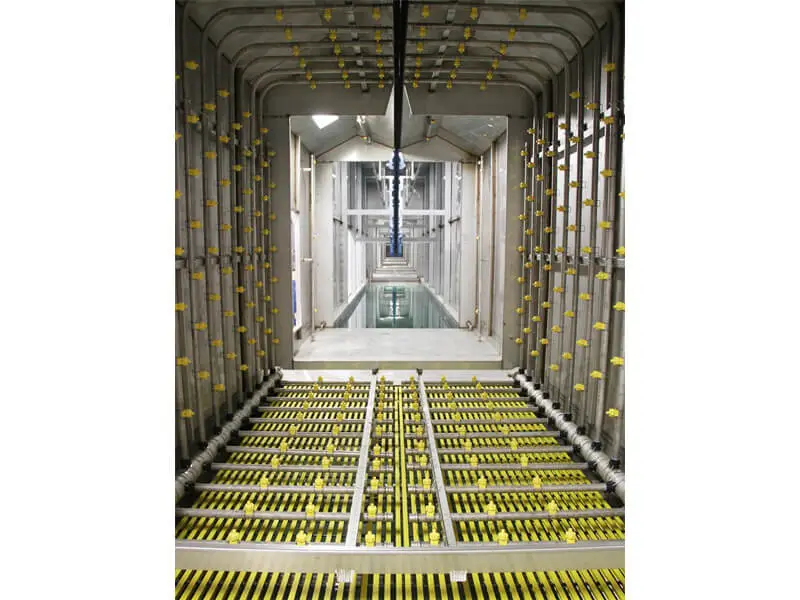
Production facilities encounter several persistent challenges that influence equipment selection and contribute to the powder coating machine price justification process. Modern systems address these pain points through engineering innovations and process improvements.
Uneven coating thickness remains a primary concern across all application sectors. Variations in film thickness lead to rejected parts, increased material consumption, and inconsistent product appearance. Advanced spray gun designs with optimized electrode configurations and precision airflow control deliver uniform powder distribution across complex geometries. Systems incorporating automated thickness monitoring provide real-time feedback to adjust application parameters, reducing waste and improving first-pass yield.
Color-change downtime directly impacts production capacity and schedule adherence. Traditional systems require extensive cleaning cycles between color changes, often consuming 30-60 minutes per transition. Modern quick-change booths with smooth interior surfaces, rapid purge systems, and efficient powder recovery minimize color-change time to under 15 minutes. This improvement enables facilities to run smaller batches profitably and respond more quickly to customer order variations.
Powder waste management presents both environmental and economic challenges. Inefficient recovery systems allow significant powder quantities to escape into the workplace atmosphere or exhaust streams. High-efficiency cartridge filters with pulse-jet cleaning systems recover over 95% of overspray powder, reducing material costs and improving workplace air quality. Closed-loop recovery designs further minimize powder loss during color changes and system cleaning procedures.
HANNA engineering teams work closely with production managers to analyze existing pain points and develop equipment solutions that address specific operational challenges. The company's approach emphasizes practical problem-solving over generic equipment recommendations, ensuring that each installation delivers measurable improvements in quality and productivity.
Maintenance complexity often strains in-house technical resources, particularly in facilities without dedicated coating equipment specialists. Modular system designs with accessible components simplify routine maintenance tasks and reduce service intervention frequency. Standardized spare parts availability and clear diagnostic procedures enable maintenance teams to resolve issues quickly, minimizing production interruptions. Equipment manufacturers offering comprehensive documentation and responsive technical support help facilities maintain peak operational performance.
Energy efficiency has become an increasingly important consideration, driven by both cost pressures and environmental regulations. Curing ovens represent the largest energy consumer in powder coating operations. Systems incorporating heat recovery, improved insulation, and variable-frequency drive controls reduce energy consumption without compromising curing quality. Infrared pre-heating sections can reduce overall oven length and energy requirements for certain part geometries. Selecting energy-efficient equipment does not necessarily increase the powder coating machine price significantly, but delivers substantial savings over the equipment lifecycle.
Q1: What is the typical price range for an industrial powder coating system?
A1: Complete powder coating systems range from approximately $50,000 for basic manual booths to over $500,000 for fully automated high-production lines. The powder coating machine price depends on system configuration, automation level, production capacity, and component specifications. Mid-range systems suitable for moderate-volume production typically fall between $150,000 and $350,000, including spray equipment, curing oven, and powder recovery.
Q2: How does automation affect powder coating equipment investment?
A2: Automation increases initial equipment investment but reduces labor costs and improves coating consistency. Automated gun movers, PLC controls, and conveyor integration add 25-40% to base system prices. This investment typically pays back through reduced operator requirements, lower material waste, and enhanced production throughput. HANNA offers modular automation options that allow facilities to scale automation as production volumes increase.
Q3: What hidden costs should I consider when budgeting for powder coating equipment?
A3: Beyond the equipment price, budget for installation and commissioning, operator training, facility modifications (electrical, compressed air, ventilation), and initial spare parts inventory. Installation costs typically range from 8-15% of equipment value, depending on site conditions and system complexity. Training programs and documentation materials add another 2-5% to the project budget.
Q4: How does powder booth design influence system pricing?
A4: Cartridge-style booths with pulse-jet cleaning systems cost 30-50% more than basic cyclone booths but deliver superior powder recovery efficiency and faster color-change capability. Booth construction materials—stainless steel versus painted steel—also affect pricing, with stainless offering longer service life in corrosive environments. Booth dimensions, including length, width, and height, scale proportionally with production requirements.
Q5: Can existing conveyor systems be integrated with new powder coating equipment?
A5: Existing conveyor systems can often be integrated with new powder coating equipment, provided they meet speed, load capacity, and clearance requirements. Integration engineering adds to project costs but may reduce total investment compared to replacing entire conveyor systems. HANNA evaluates existing infrastructure during project planning to identify integration opportunities and minimize unnecessary equipment duplication.
Q6: What is the typical lead time for custom powder coating systems?
A6: Standard systems with minimal customization typically ship within 8-12 weeks of order placement. Custom-engineered systems incorporating specialized features or non-standard dimensions require 14-20 weeks for design, fabrication, and testing. Facilities with urgent production requirements should consider standard configurations that meet their core needs while allowing future upgrades.
Q7: Does higher equipment price always mean better quality and performance?
A7: Higher equipment prices generally reflect superior component quality, advanced control features, and enhanced durability. However, the optimal investment level depends on specific production requirements and quality standards. Facilities should focus on equipment specifications that address their actual needs rather than selecting solely based on price position. Professional application analysis helps identify the most cost-effective system configuration for each production environment.
For detailed equipment specifications, configuration recommendations, and project-specific pricing information, contact our engineering team to discuss your powder coating requirements. HANNA provides comprehensive system proposals including equipment selection, installation planning, and ongoing technical support for finishing operations worldwide.
Submit your production parameters and quality requirements for a detailed equipment proposal tailored to your specific needs. Our engineers analyze part geometries, production volumes, and coating specifications to recommend optimal system configurations.