
In automotive and industrial finishing, the curing stage determines the long-term performance of every coated component. The paint baking oven is the central piece of equipment where wet or powder coatings undergo thermal crosslinking, transforming a liquid film into a durable, corrosion-resistant layer. This article examines the engineering principles, design parameters, and operational practices that define high-performance curing systems, drawing on expertise developed across global production lines.
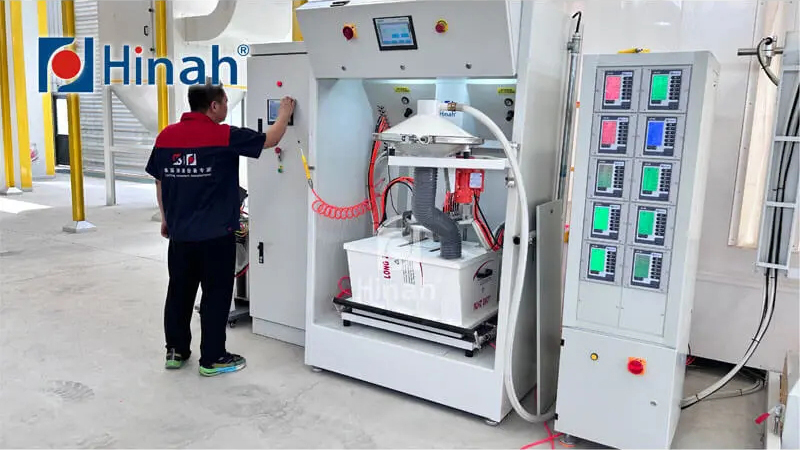
A paint baking oven does more than dry paint. It initiates a chemical reaction—polymerization—where resin molecules bond with hardeners to form a three-dimensional network. This reaction requires precise thermal management. Too little heat leaves the film under-cured, resulting in poor adhesion and reduced chemical resistance. Excessive heat causes blistering, discoloration, or embrittlement. The thermal profile within the oven chamber must be tightly controlled to deliver consistent energy input across every part surface.
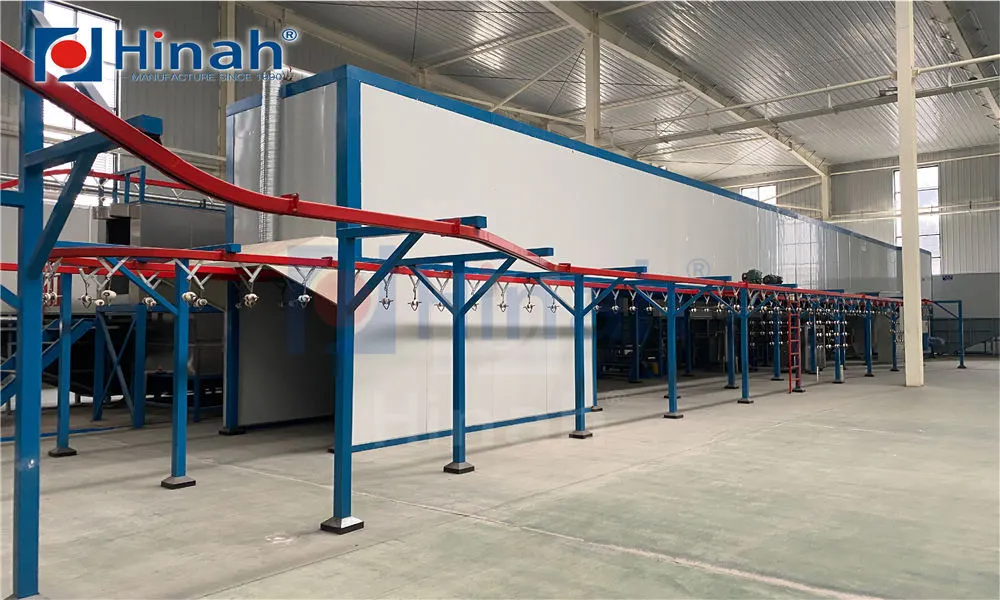
Two primary heat transfer methods operate within a paint baking oven: convection and infrared radiation. Convection systems circulate heated air through nozzles or plenums, providing even heat distribution for complex geometries. Infrared ovens use radiant panels to heat the substrate directly, which accelerates ramp-up times for flat or simple shapes. Many modern lines combine both approaches in a hybrid design, using IR zones for rapid initial heating followed by convection sections for sustained dwell. HANNA has engineered such hybrid systems for multiple automotive tiers, integrating zone-specific temperature controls that adapt to part mass and coating formulation.
Selecting a paint baking oven for a production environment involves balancing throughput, energy consumption, and quality metrics. The following parameters are non-negotiable in any serious specification.
Uniformity is measured as the temperature variation across the oven's working zone, typically specified at ±3°C or tighter for automotive topcoats. Achieving this demands computational fluid dynamics (CFD) modeling during the design phase. Air velocity, nozzle arrangement, and recirculation rates are optimized to eliminate dead zones. A poorly designed airflow pattern leaves shadow areas where parts receive lower thermal exposure, leading to spotty curing. Conversely, excessive air velocity can disturb the wet film before it sets, causing orange peel or runs.
The conveyor that carries parts through the curing chamber must match the oven's thermal cycle. Chain speed, dwell time, and part spacing are interrelated variables. For a given oven length, the conveyor speed determines the residence time—typically 20 to 40 minutes for automotive body panels. The conveyor chain and trolleys must withstand continuous exposure to elevated temperatures without warping or lubricant breakdown. HANNA provides integrated conveyor-oven solutions where the transport system is synchronized with zone heating profiles, ensuring each part receives the exact thermal history prescribed by the coating supplier.
Energy accounts for a significant portion of operating expenses in curing lines. Modern ovens incorporate heat recovery systems that capture exhaust enthalpy to preheat fresh air or combustion feed. Recirculating air systems reduce the thermal load by reusing a portion of the heated atmosphere. Insulation thickness and panel construction also affect standby losses. A well-insulated paint baking oven can reduce fuel consumption by 15-20% compared to older designs, a difference that translates directly to operational savings over a decade of service.
The final coating properties—hardness, gloss, adhesion, and corrosion resistance—are established during the bake cycle. These attributes depend on three interdependent variables: metal temperature, dwell time, and ramp rate.
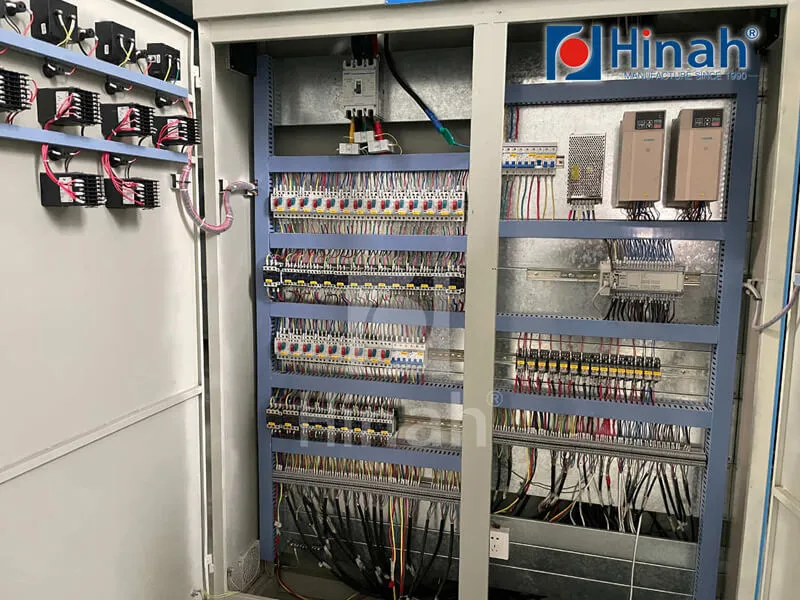
Metal temperature, not air temperature, is the critical control variable. Thermocouples attached to test panels or production parts provide real-time feedback. The oven's control system adjusts burner output or electric heater power to maintain the prescribed metal temperature curve. For multi-layer systems (primer, basecoat, clearcoat), each layer may require a distinct bake schedule. Advanced ovens feature multiple zones, each with independent temperature setpoints, allowing a single oven to handle diverse product mixes.
Dwell time is the duration the part spends at the curing temperature. This interval is dictated by the coating chemistry—polyester powders typically need 10-15 minutes at 200°C, while epoxy primers may cure at lower temperatures for shorter periods. The oven's physical length and conveyor speed set the available dwell. Production planners must align these parameters with line speed targets. A shorter dwell can be accommodated by increasing the oven temperature, but this risks degrading heat-sensitive substrates. The optimal approach uses the manufacturer's recommended cure window as the baseline, adjusting conveyor speed within safe margins to meet production cadence.
While the fundamental principles are universal, different sectors impose unique demands on curing equipment.
Body-in-white (BIW) lines process thousands of steel and aluminum panels daily. These ovens must handle large, varying geometries with consistent thermal delivery. The oven chamber width often exceeds 4 meters to accommodate car bodies, requiring powerful recirculation fans and distributed burner systems. The thermal mass of the bodies themselves acts as a heat sink, so the oven's response time must be swift to recover temperature after each batch enters.
For construction machinery, agricultural equipment, and truck cabs, parts are larger and thicker than passenger car panels. The paint baking oven for these applications demands higher thermal output and longer dwell periods. The coating systems used are often high-build epoxies or polyurethanes that require sustained temperatures to achieve full cure. Oven insulation and structural integrity are paramount, as these lines operate continuously with minimal downtime.
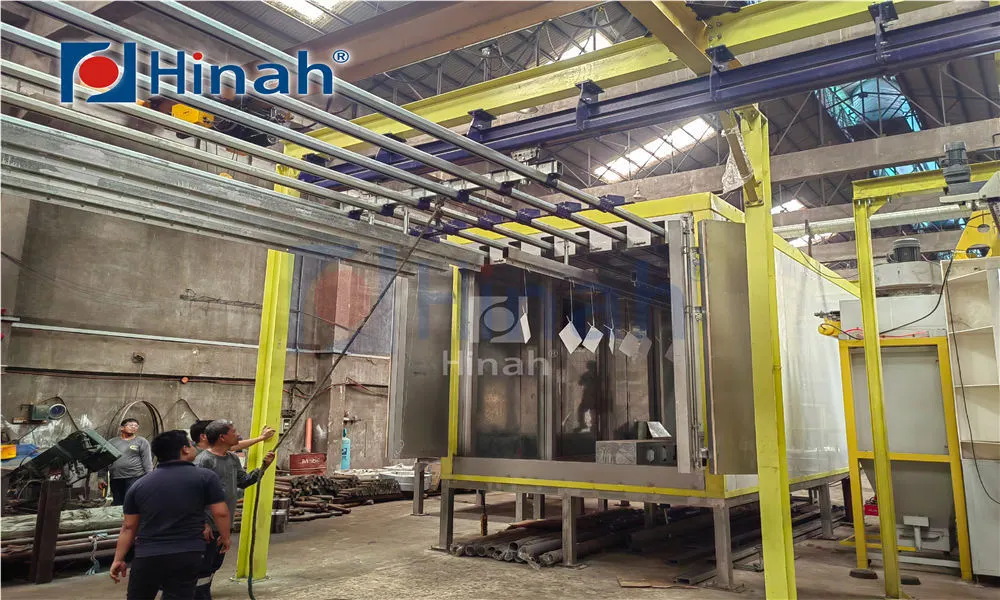
Smaller components—such as fasteners, brackets, and trim parts—are cured in continuous conveyor ovens with vertical or horizontal orientation. These systems emphasize compact footprint and rapid heat-up. The oven design often incorporates multiple temperature zones to accommodate various part sizes and coating types within the same production run.
Even the most sophisticated paint baking oven requires disciplined operation to maintain performance. The following practices are standard in well-managed finishing lines.
Daily verification of thermocouples and sensors: Temperature sensors drift over time. Routine calibration against a reference standard ensures that control readings reflect actual chamber conditions. Any deviation beyond ±1°C warrants investigation.
Air filter maintenance: Recirculated air carries overspray particles and volatile organic compounds (VOCs). Clogged filters reduce airflow, creating temperature gradients and increasing energy consumption. Filter replacement schedules should be based on pressure drop measurements rather than calendar intervals.
Conveyor lubrication and alignment: The conveyor chain operates in a hot, dusty environment. Proper lubrication with high-temperature grease reduces friction and wear. Misaligned trolleys can cause part sway, leading to uneven exposure and potential collisions.
Exhaust system inspection: Solvent-laden air must be evacuated to maintain safe VOC levels below regulatory limits. Exhaust fans and ductwork should be inspected for corrosion or buildup, particularly in ovens processing solvent-based coatings.
Burner or heater maintenance: For gas-fired ovens, burner nozzles and ignition systems require periodic cleaning and inspection. Electric ovens need contactor and relay checks to prevent single-phase failures that unbalance the heating load.
These actions, performed systematically, extend the service life of the equipment and preserve cure quality. HANNA provides documentation packages that include detailed maintenance schedules and troubleshooting guides, helping customers establish robust preventive programs.
Q1: What is the difference between a paint baking oven and a drying oven?
A1: A drying oven removes solvents or water from the coating film through evaporation, typically at temperatures below 100°C. A paint baking oven operates at higher temperatures (120-220°C) to initiate chemical crosslinking, permanently transforming the film into a solid, durable layer. While drying is a physical process, baking is a chemical reaction that fundamentally alters the coating's molecular structure.
Q2: How do I determine the correct dwell time for my coating?
A2: The coating manufacturer specifies a cure schedule, usually presented as a time-temperature combination (e.g., 20 minutes at 180°C metal temperature). This data is derived from laboratory testing using differential scanning calorimetry (DSC) or mechanical property tests. Your oven's control system must achieve the specified metal temperature for the full dwell period. Conveyor speed and oven length are then calculated to provide that dwell within the physical constraints of your line.
Q3: Can I use the same paint baking oven for powder and liquid coatings?
A3: In theory, yes, but practical considerations often discourage it. Powder coatings require higher airflow to fluidize and transport powder particles, while liquid coatings are sensitive to air movement that can cause surface defects. Solvent-based liquids also release VOCs that require different exhaust handling compared to powder systems. If you must use a single oven, design it with adjustable airflow and exhaust controls, and plan for thorough cleaning between product changeovers.
Q4: What causes uneven curing across a part?
A4: Uneven curing is typically traced to temperature non-uniformity within the oven chamber, part geometry shielding certain areas from airflow, or variations in coating thickness. Conduct a thermal mapping study using a multi-point data logger with thermocouples attached to representative parts. The data will reveal cold or hot spots. Corrective actions include adjusting airflow deflectors, repositioning nozzles, or modifying part hanging arrangements to improve circulation around all surfaces.
Q5: How often should a paint baking oven be recalibrated?
A5: Recalibration frequency depends on usage intensity and regulatory requirements. For high-volume automotive lines, quarterly recalibration is common. Lower-volume operations may perform semi-annual checks. However, daily verification using a portable thermometer or thermal imaging camera is recommended as a process check. Any significant drift identified during verification should trigger a full recalibration before production resumes.
Q6: What are the signs of an under-cured coating?
A6: Under-cured films exhibit several telltale signs: poor adhesion (tape test failure), reduced hardness (easily scratched), solvent sensitivity (softening when wiped with MEK), and low gloss. In field service, under-cured coatings show early corrosion and chipping. These symptoms indicate that the metal temperature did not reach the required threshold or the dwell time was insufficient. Immediate corrective action involves verifying oven thermocouples and checking conveyor speed.
Q7: Can a paint baking oven be retrofitted with new controls or heating systems?
A7: Yes, retrofitting is a viable strategy to extend equipment life and improve efficiency. Modern controls with PID algorithms and touchscreen interfaces offer better temperature accuracy than older on-off controllers. Upgrading to high-efficiency burners or IR panels can reduce fuel consumption. However, any retrofit must consider the oven's physical structure—increased thermal output may require additional insulation or structural reinforcement. A feasibility study by an experienced engineering firm is recommended before proceeding.
For detailed engineering consultations, system quotations, or site-specific design proposals, please direct your inquiry to the HANNA engineering team. Our portfolio includes turnkey paint baking oven solutions for automotive OEMs, tier suppliers, and industrial coaters worldwide. Provide your production parameters—part size, coating type, line speed, and fuel preference—and we will deliver a tailored system design that meets your quality and throughput targets.
Contact HANNA for a comprehensive proposal.