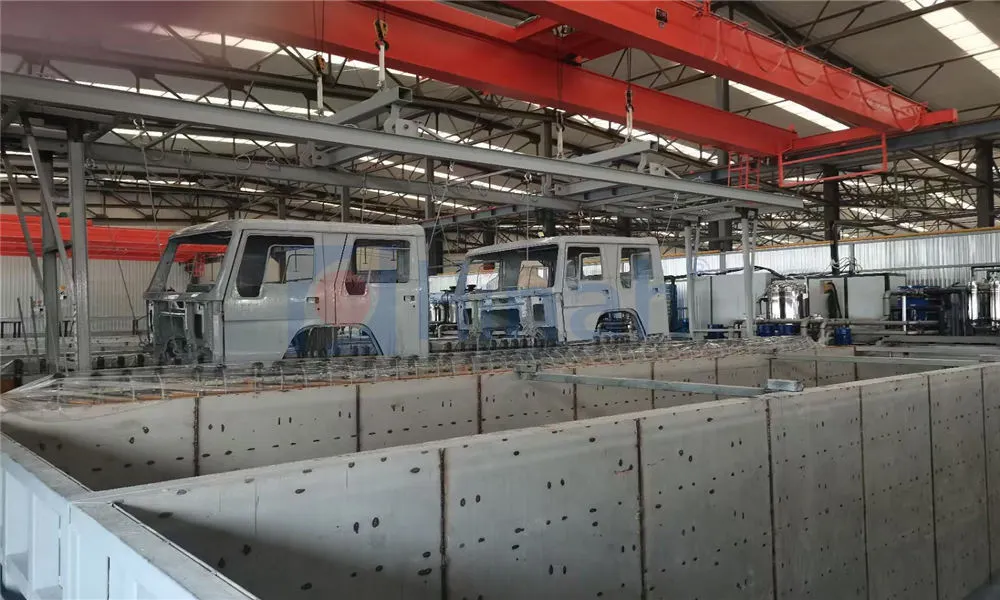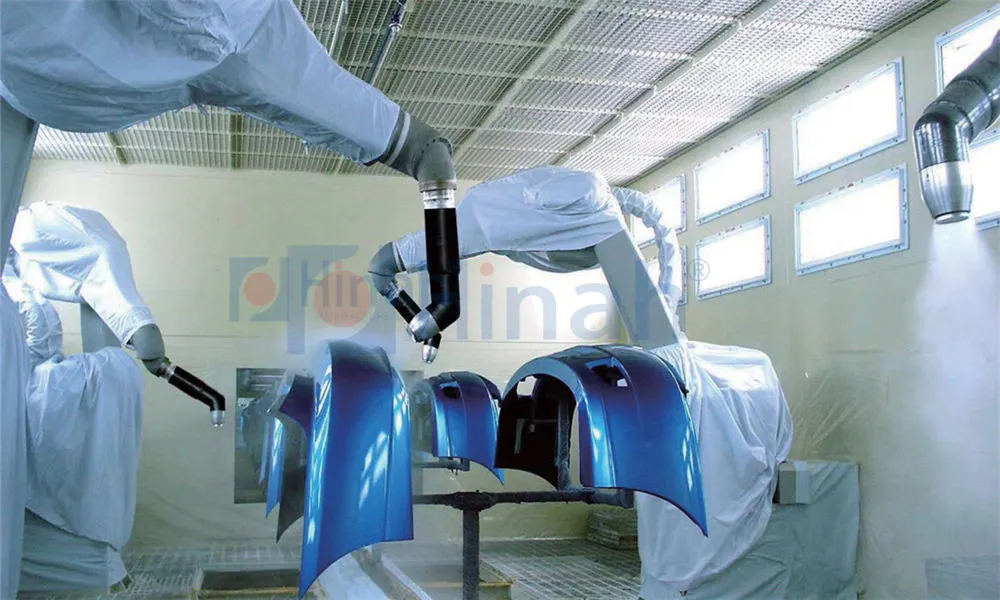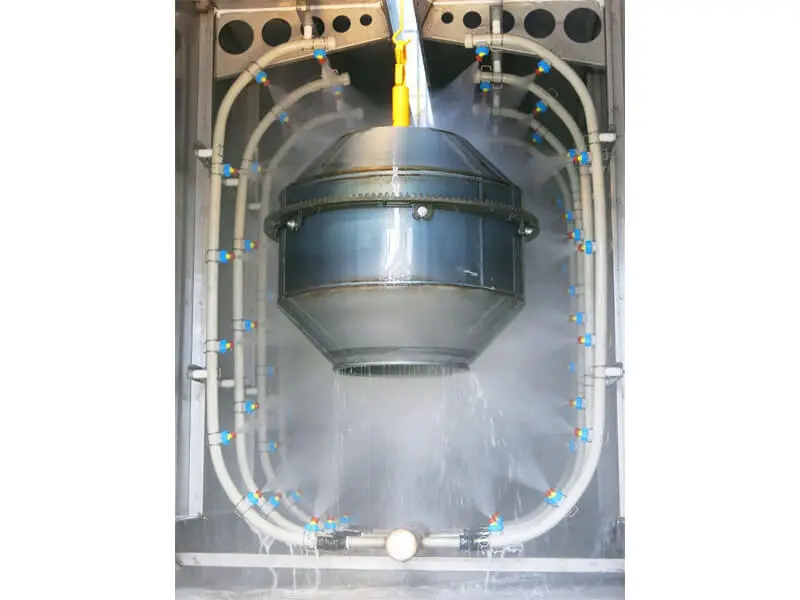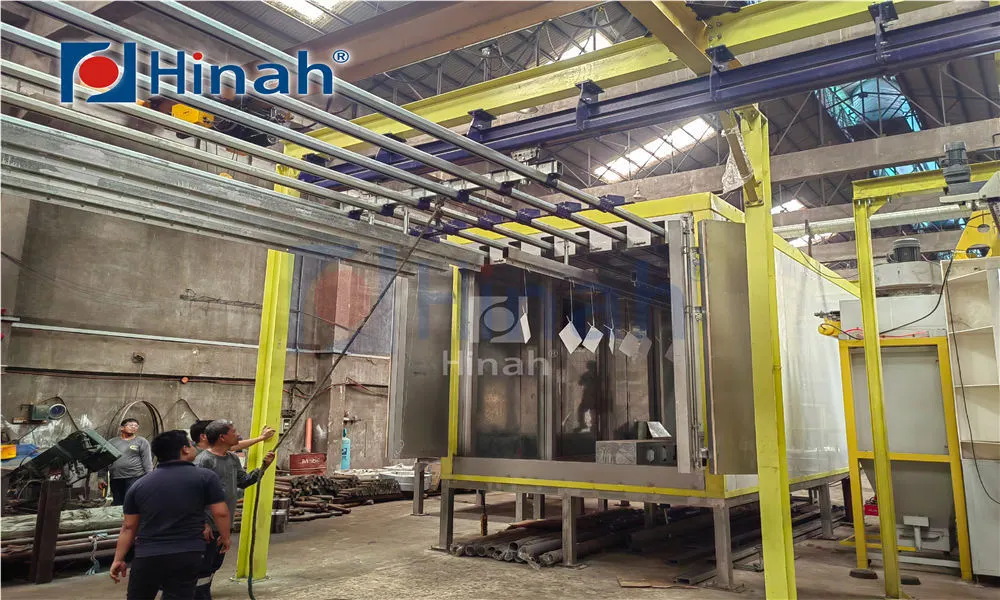
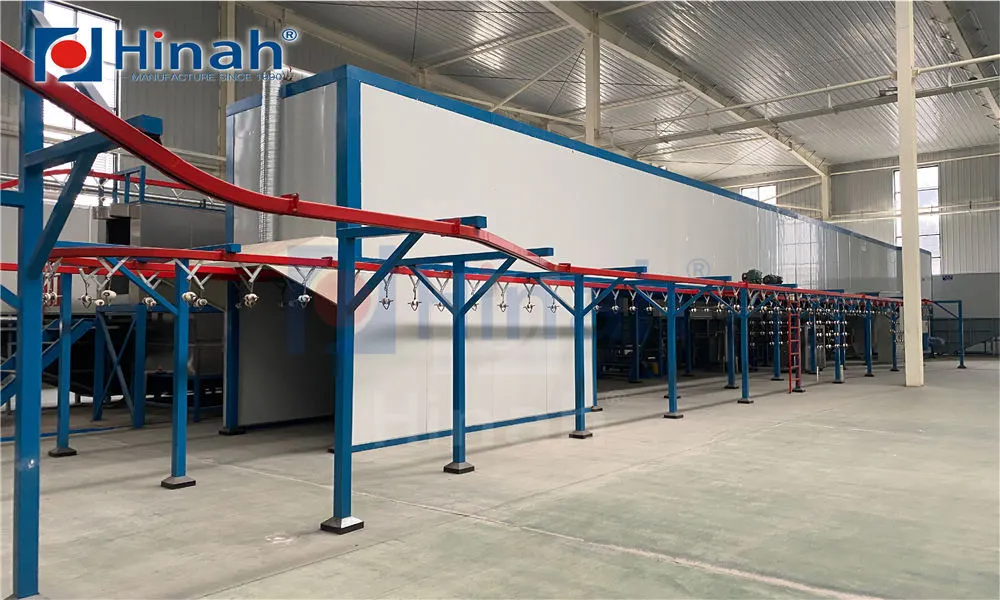
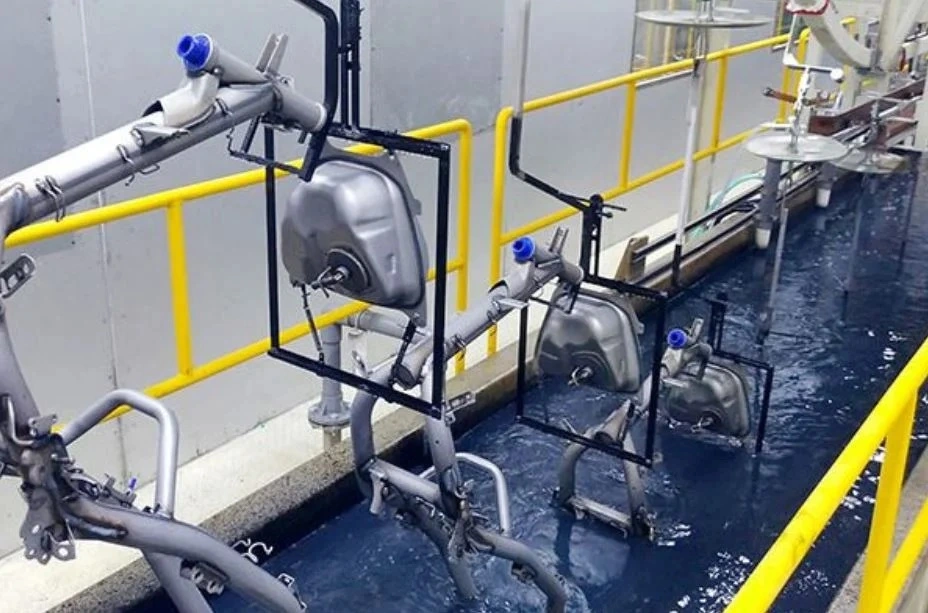
For finishing operations where floor space is at a premium yet quality demands remain uncompromised, the Small powder coating booth represents a convergence of aerodynamic design, filtration science, and production efficiency. This equipment category has evolved beyond a scaled-down version of industrial booths into a specialized solution with distinct operational parameters. Unlike conventional liquid painting environments, powder coating involves the electrostatic application of charged dry particles onto grounded substrates, followed by a thermal curing process. The booth itself serves as the controlled environment where this electrostatic deposition occurs, and its size directly influences airflow patterns, transfer efficiency, and overall coating uniformity.
The growing adoption of Small powder coating booth systems across job shops and dedicated production cells stems from their ability to deliver consistent film builds with minimal material waste. These booths typically accommodate parts ranging from small brackets and fasteners to medium-sized components like wheel rims and electrical enclosures. The engineering challenge lies in maintaining appropriate face velocities—typically between 80 and 120 feet per minute—within a reduced cross-sectional area. Achieving this requires precision in plenum design, filter media selection, and fan sizing. Manufacturers who integrate these systems into their workflow often report significant reductions in rework rates, as the controlled environment minimizes airborne contaminants that could compromise the final finish.
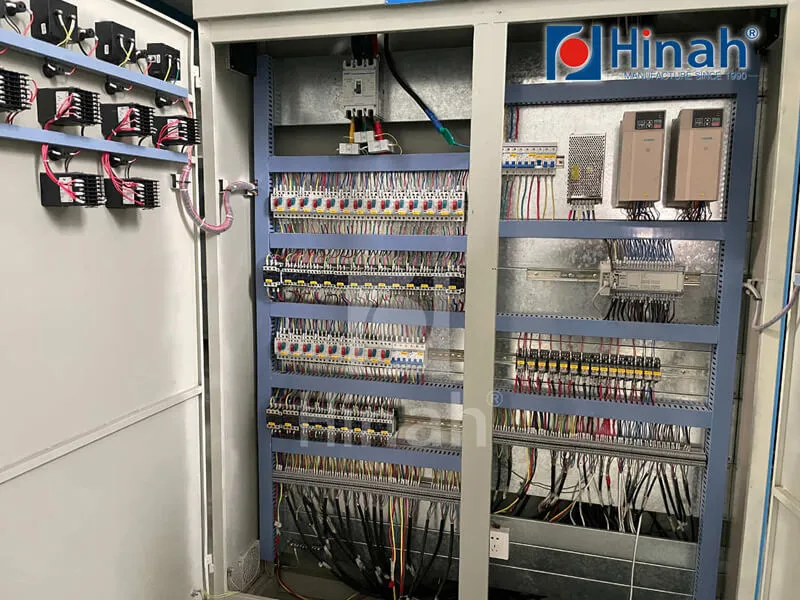
The structural configuration of a Small powder coating booth differs markedly from its larger counterparts. While full-size booths often feature walk-in access and multi-stage filtration cascades, compact units employ streamlined geometries that optimize air movement without sacrificing powder collection efficiency. The booth body is typically fabricated from powder-coated steel or stainless steel, with smooth interior surfaces that prevent powder accumulation and facilitate cleaning. A critical design element is the collection hopper or conveyorized base, which directs overspray powder toward the recovery system. In batch-type operations, the booth may incorporate a turntable or part indexing mechanism to ensure uniform exposure to the spray guns.
Air handling represents the most consequential subsystem within these booths. The exhaust plenum must generate sufficient negative pressure to capture overspray while maintaining a laminar flow pattern across the part surface. Turbulence can cause powder particles to deviate from their intended trajectory, leading to uneven deposition or Faraday cage effects in recessed areas. To counteract this, engineers employ computational fluid dynamics (CFD) simulations during the design phase, optimizing the placement of inlet diffusers and exhaust grilles. For small booths, the airflow volume typically ranges from 2,000 to 6,000 cubic feet per minute, depending on the cross-sectional area and the desired face velocity.
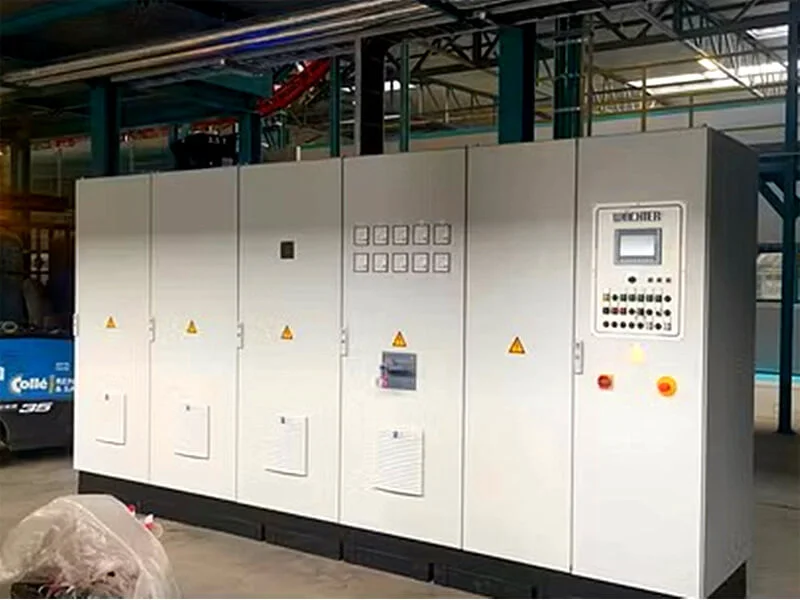
HANNA has developed a reputation for integrating intelligent control systems into their booth designs, allowing operators to adjust airflow parameters based on part geometry and powder type. Their HANNA systems feature modular filter cartridges that can be replaced without tools, reducing downtime during shift changes. This attention to maintainability directly impacts overall equipment effectiveness (OEE), a metric that facility managers track closely.
Determining whether a Small powder coating booth fits a given production requirement involves analyzing part dimensions, throughput volume, and coating specifications. These booths excel in environments where the maximum part envelope does not exceed 36 inches in any direction, though some designs accommodate parts up to 48 inches with modified conveyor configurations. Typical applications include:
Each application imposes specific requirements on the booth's powder delivery system. For instance, parts with complex geometries may necessitate the use of tribo-charging guns, which generate charge through friction rather than a high-voltage corona electrode. This approach reduces the risk of back-ionization—a phenomenon where accumulated charged particles repel incoming powder, creating pinholes or orange-peel texture. A small booth equipped with interchangeable gun types offers the flexibility to handle diverse part families without requiring a complete line reconfiguration.
Throughput considerations also influence the choice of booth size. While a small booth processes fewer parts per hour compared to a full-size system, the cycle time per part can be reduced due to the concentrated powder cloud and efficient overspray capture. For batch production runs of 50 to 500 parts, these booths offer a compelling balance between capital investment and operational output. The integration of quick-color-change features—such as removable powder hoppers and purge cycles—further enhances their suitability for job shops handling multiple colors within a single shift.
Finishing professionals often weigh the merits of powder coating against liquid painting when specifying new equipment. The Small powder coating booth presents several distinct advantages that make it preferable for certain manufacturing contexts. Powder coating produces no volatile organic compounds (VOCs), eliminating the need for solvent recovery systems and reducing regulatory compliance burdens. Overspray powder can be reclaimed and reintroduced into the process, achieving material utilization rates exceeding 95% in well-designed recovery loops. Liquid painting, by contrast, generates hazardous waste streams and typically achieves transfer efficiencies below 70% with conventional spray equipment.
From a process control standpoint, powder coating offers superior edge coverage due to the electrostatic wrap-around effect. Charged particles follow field lines around sharp edges and into recesses, providing protection that liquid paints often fail to achieve without multiple coats. This characteristic proves especially valuable for components with complex profiles, such as heat sinks or perforated panels. Additionally, powder coatings exhibit excellent chemical and mechanical resistance, often surpassing liquid paints in salt spray tests and impact resistance evaluations.
However, small powder booths require careful attention to part grounding and environmental conditions. The substrate must maintain a reliable electrical connection to the ground circuit; otherwise, coating thickness becomes inconsistent. Humidity levels also affect powder fluidization and charge acceptance, necessitating climate control in the finishing area. For facilities without existing climate management infrastructure, the installation of dehumidification equipment may represent an ancillary cost. Liquid spray booths, while generating more waste, tend to be more forgiving of substrate variations and environmental fluctuations, which can be an advantage in less controlled shop environments.
Maximizing the performance of a Small powder coating booth demands a systematic approach to parameter setting and monitoring. Key variables include gun voltage, amperage, atomization air pressure, and powder flow rate. Each parameter interacts with the booth's airflow dynamics to determine deposition efficiency and film uniformity. For example, increasing the electrostatic voltage enhances the attraction force between powder particles and the substrate, but excessive voltage can cause corona discharge that repels powder from recessed areas. A typical starting point for corona guns is 60–80 kV, with adjustments made based on part geometry and powder formulation.
Powder feed rate, measured in grams per minute, directly influences film thickness. Operators must calibrate the feed rate against the conveyor speed or part indexing time to achieve the specified coating thickness—typically between 60 and 80 microns for decorative finishes, and up to 150 microns for protective coatings. In small booths, the powder feed system often employs a venturi pump or dense-phase conveyor, both of which require periodic cleaning to prevent agglomeration. The booth's recovery system, whether cyclone-based or cartridge-filter type, must be monitored for pressure drop across the filters, as increasing resistance reduces airflow and compromises overspray capture.
Color change procedures represent a significant operational consideration. Small booths with modular filter banks can perform color changes in 10 to 15 minutes, compared to 30–45 minutes for larger systems. This agility enables just-in-time production schedules and reduces work-in-process inventory. HANNA offers a rapid-change cartridge system that seals each filter individually, preventing cross-contamination and minimizing powder loss during changeovers. This feature, combined with the booth's compact footprint, makes the HANNA small booth solution particularly attractive for contract finishers who handle multiple customer orders daily.
The filtration system serves as the primary means of maintaining air quality within the booth and recovering overspray powder for reuse. In small powder coating booths, two main recovery strategies predominate: cyclone separation and cartridge filtration. Cyclone systems use centrifugal force to separate larger powder particles from the exhaust airstream, returning them to the feed hopper while directing fine particulates to a secondary filter. This approach recovers approximately 90% of overspray powder but requires careful balancing of inlet velocity and cyclone geometry to achieve optimal separation efficiency.
Cartridge filtration, conversely, captures powder directly on pleated filter media, with pulse-jet cleaning systems periodically dislodging accumulated powder into the collection hopper. These systems achieve recovery rates exceeding 98% when properly maintained, making them the preferred choice for applications where powder cost is significant. The filter media itself is typically constructed from polyester or cellulose blends, with some manufacturers offering PTFE-coated cartridges that release powder more readily during pulse cleaning. The choice of filter media affects the booth's pressure drop characteristics and, consequently, the fan energy consumption.
Filter maintenance protocols play an outsized role in booth performance. Operators should monitor differential pressure gauges and schedule filter replacements when readings exceed manufacturer-specified limits—typically 2 to 3 inches of water column. Pre-filters, which capture larger particulates before they reach the main cartridges, can extend the life of the primary filters and should be replaced monthly in high-production environments. The collection hopper should be emptied at regular intervals to prevent powder accumulation that could impede airflow or create fire hazards. Many small booths include level sensors that alert operators when the hopper reaches capacity, ensuring consistent recovery performance.
Powder coating booths operate within a regulatory framework that addresses air emissions, worker exposure, and fire prevention. While powder coatings contain no solvents and emit negligible VOCs, they do generate respirable particulates that must be controlled to meet occupational exposure limits. The National Institute for Occupational Safety and Health (NIOSH) recommends a permissible exposure limit (PEL) of 15 mg/m³ for total dust and 5 mg/m³ for respirable fractions. A well-designed small powder booth, equipped with high-efficiency filtration and adequate face velocity, maintains ambient dust concentrations well below these thresholds, protecting operator health without requiring supplemental ventilation.
Fire safety represents another critical consideration. Powder coatings in aerosolized form can pose a dust explosion hazard if the concentration exceeds the lower explosive limit (LEL) and an ignition source is present. To mitigate this risk, booths are constructed from fire-resistant materials and incorporate grounding systems that dissipate static charge. Explosion venting panels, installed on the booth roof or sidewalls, provide pressure relief in the event of a deflagration. Additionally, the powder feed system includes interlocks that shut off powder flow if the booth airflow drops below a safe threshold. These safety features, while often overlooked in initial equipment selection, are indispensable for long-term operational security.
Compliance with local environmental regulations also affects booth design and operation. In regions with stringent particulate emission limits, the booth's exhaust may require secondary filtration—such as a final HEPA stage—before discharge to the atmosphere. Alternatively, some facilities route the exhaust through a recirculation system that returns filtered air to the production area, reducing heating and cooling loads. This approach, however, necessitates careful monitoring of humidity and temperature to ensure consistent coating quality. HANNA engineers collaborate with clients to design systems that meet both production and regulatory requirements, integrating appropriate filtration and monitoring technologies into the booth package.
Predictive maintenance strategies offer a systematic approach to preserving the performance of a small powder coating booth over its service life. By tracking key performance indicators—such as motor bearing temperatures, fan vibration levels, and filter differential pressure—facility teams can identify developing issues before they cause unplanned downtime. Many modern booths incorporate condition monitoring sensors that transmit data to a centralized control system, enabling remote diagnostics and scheduling of maintenance activities during planned shutdown periods.
Weekly maintenance tasks include inspecting the booth interior for powder accumulation, cleaning the spray guns and nozzles, and checking the condition of seals and gaskets. Powder deposits on the booth walls can become conductive over time, leading to electrostatic discharge that disrupts coating uniformity. Cleaning should be performed with non-conductive tools and approved solvents to avoid damaging the booth's surface finish. Monthly tasks encompass bearing lubrication, belt tension checks, and calibration of airflow sensors. The hopper and recovery system require more thorough cleaning quarterly, with the filter cartridges replaced annually or as indicated by pressure drop measurements.
Operator training represents an underappreciated factor in booth longevity. Well-trained operators recognize the signs of abnormal operation—unusual noises, inconsistent coating patterns, or changes in powder output—and can take corrective action promptly. They also understand the importance of proper start-up and shut-down procedures, which prevent thermal stress on components and reduce wear on the powder feed system. Investing in operator certification programs, while requiring upfront resources, typically yields returns through reduced maintenance costs and improved first-pass yield rates.
Q1: What part sizes are suitable for processing in a small powder coating booth?
A1: A small powder coating booth typically accommodates parts with maximum dimensions of 36 inches in any direction, though some designs support parts up to 48 inches with customized conveyor configurations. The limiting factor is the booth's cross-sectional area and the required face velocity to maintain proper powder capture. Parts with complex geometries or deep recesses may require manual adjustment of gun positioning or the use of auxiliary electrodes to ensure complete coverage.
Q2: How does powder recovery efficiency compare between cyclone and cartridge filter systems in compact booths?
A2: Cartridge filter systems generally achieve higher recovery rates, typically exceeding 98%, compared to cyclone systems which recover approximately 90% of overspray powder. The difference stems from the cartridge filter's ability to capture fine particulates that escape cyclonic separation. However, cyclone systems require less frequent maintenance and may be preferable for facilities processing a single color or high-volume production where some powder loss is acceptable.
Q3: What measures prevent color contamination during changeovers in a small powder coating booth?
A3: Effective color change procedures involve purging the powder feed line with compressed air, cleaning the spray gun and nozzles, and replacing filter cartridges or using dedicated filter sets for each color. Booths with modular filter banks allow operators to swap out contaminated filters quickly. Some facilities employ separate powder hoppers for each color, minimizing cross-contamination risks. The use of a purge cycle with a non-reactive powder or cleaning media further reduces residual contamination.
Q4: How do environmental conditions affect the performance of a small powder coating booth?
A4: Ambient humidity and temperature significantly influence powder fluidization and charge acceptance. High humidity causes powder particles to agglomerate, reducing flowability and leading to uneven coating thickness. Low humidity, conversely, increases static charge buildup, potentially causing electrostatic discharge that damages the coating or the booth components. Maintaining relative humidity between 40% and 60% and temperature between 65°F and 75°F ensures consistent coating results.
Q5: What safety certifications are typically required for powder coating booth installations?
A5: Powder coating booths must comply with NFPA 33 (Standard for Spray Application Using Flammable or Combustible Materials) and NFPA 70 (National Electrical Code) in the United States. Internationally, ATEX directives apply in Europe, while CSA standards govern installations in Canada. Certification bodies such as UL or FM Global may also provide listing for specific components. Compliance with these standards involves proper grounding, explosion venting, and interlock systems that shut down powder flow in the event of airflow failure.
Q6: What is the typical maintenance interval for filter cartridges in a small powder coating booth?
A6: Filter cartridge replacement intervals depend on production volume, powder type, and booth operating hours. In high-production environments, cartridges may require replacement every 6 to 12 months, while low-volume operations may achieve 2 to 3 years of service. Monitoring differential pressure provides an objective measure of filter loading; replacement is recommended when pressure drop increases by 50% above the initial clean-filter reading. Pre-filters, which capture larger particulates, should be replaced monthly to extend the life of the primary cartridges.
Contact HANNA for detailed specifications and engineering consultation on small powder coating booth solutions tailored to your production requirements. Our team provides comprehensive support from system selection through installation and commissioning.