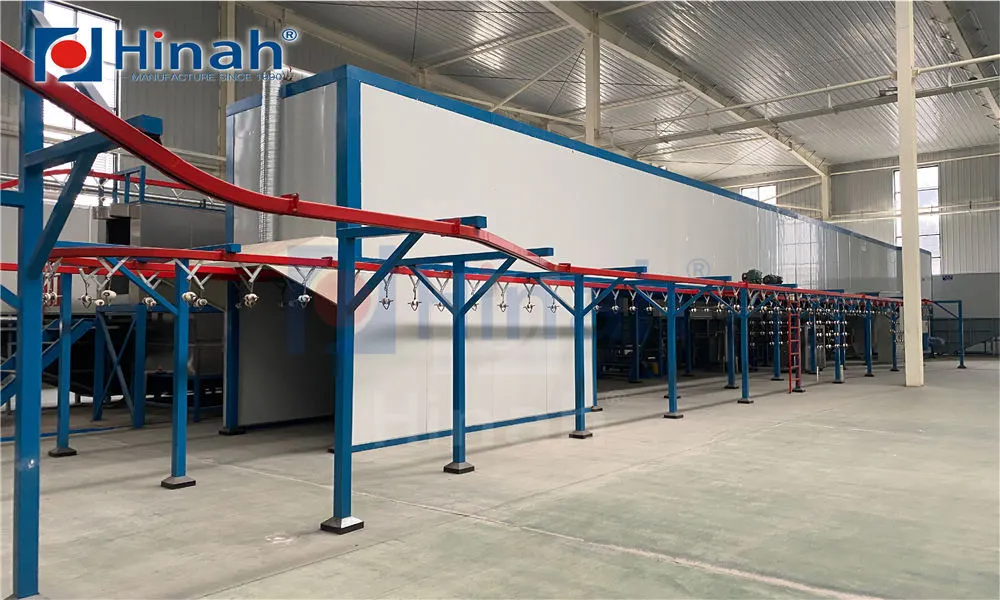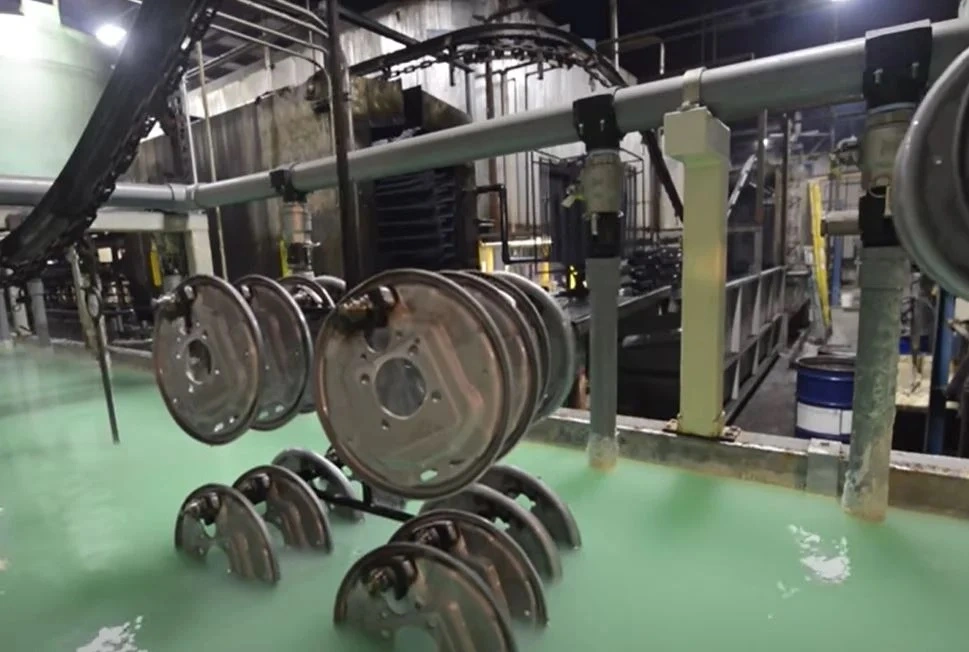
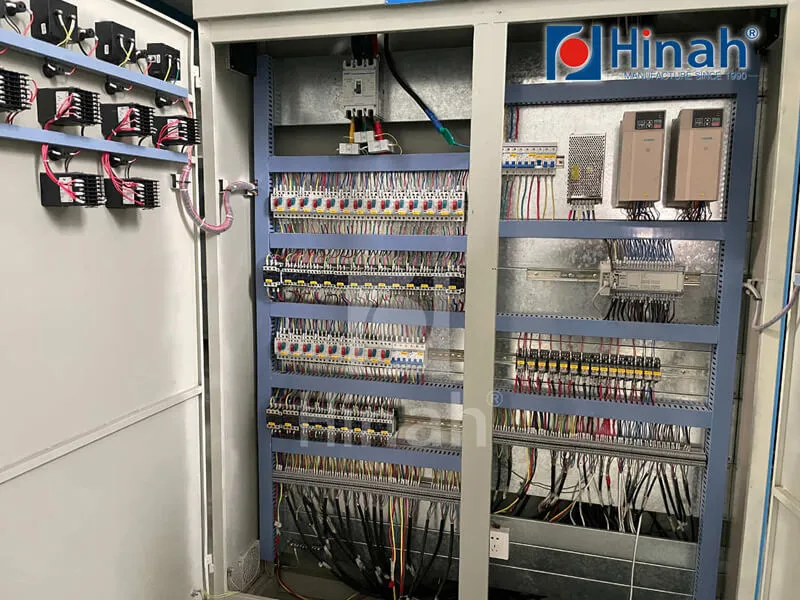

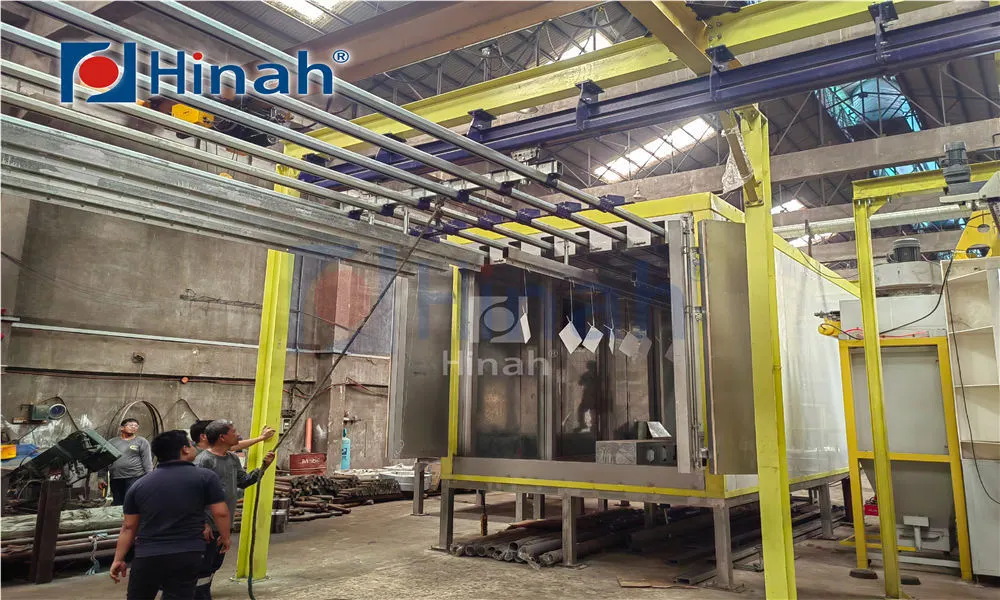
In powder coating, a consistent and durable finish is essential for product quality. A curing oven is critical in this process. It applies controlled heat to cure powder coatings, ensuring proper adhesion and performance. This article covers key aspects of curing ovens to help optimize your operations.
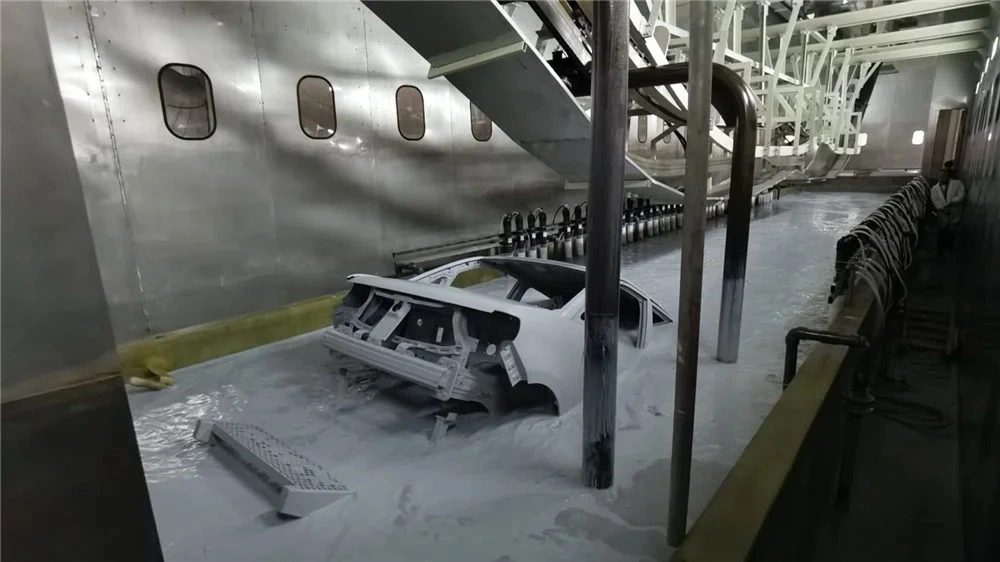
A curing oven is a heated enclosure used in thermal processing. It raises the temperature of coated objects to cure powder coatings. This step melts the powder and triggers chemical cross-linking.
The result is a hard, smooth finish that resists wear and corrosion. Proper use of a curing oven ensures coating integrity and longevity.
Key stages in the curing process include:
Heating to melt the powder coating
Maintaining temperature for polymer cross-linking
Cooling to form a solid film
Several types of curing ovens are available, each suited to specific applications. Choosing the right one depends on factors like production volume and part geometry.
Convection ovens use heated air circulated by fans. This provides uniform heating around the parts. They are versatile and widely used in powder coating.
Benefits of convection curing ovens include:
Even temperature distribution
Suitable for complex shapes
Consistent results for batch processing
Infrared ovens use radiant heat to cure coatings quickly. They direct energy onto the surface, reducing cycle times. These are ideal for flat or simple parts.
Advantages of infrared curing ovens:
Fast heating and energy efficiency
Reduced floor space requirements
Precise temperature control
Some systems combine convection and infrared technologies. This hybrid approach offers speed and uniformity. It is useful for mixed product lines.
A combination curing oven can optimize performance. It balances efficiency with quality output.
Integrating a curing oven into your powder coating line offers multiple advantages. These benefits impact productivity, quality, and cost.
Enhanced coating durability is a primary benefit. Proper curing improves resistance to scratches, chemicals, and UV light.
Other benefits include:
Consistent finish across all parts
Improved adhesion to substrates
Reduced rework and waste
Compliance with industry standards
Energy-efficient models can lower operating costs. Modern ovens from brands like HANNA incorporate features to save energy.
Curing ovens are used across various industries. They are essential for finishing metal products, automotive parts, and household items.
In automotive manufacturing, a curing oven ensures coatings withstand harsh conditions. It applies to components like wheels, frames, and trim.
Common applications include:
Architectural aluminum extrusions
Industrial machinery and equipment
Furniture and appliances
Outdoor and recreational products
Each application requires specific temperature profiles. Proper oven selection meets these needs effectively.
Choosing a curing oven involves evaluating several factors. Consider production volume, part size, and coating materials.
Temperature range and control are critical. The oven must reach and maintain the required cure temperature. Look for precise thermostats and sensors.
Other selection criteria:
Heating method: convection, infrared, or hybrid
Size and layout of the oven chamber
Energy source: gas, electric, or oil
Safety features and compliance
Consult with experts like HANNA for guidance. They offer reliable curing ovens tailored to powder coating needs.
Regular maintenance extends the life of a curing oven. It also ensures consistent performance and safety.
Daily checks include inspecting heating elements and fans. Clean air filters to prevent blockages. Verify temperature calibration periodically.
Recommended maintenance tasks:
Monthly cleaning of interior surfaces
Quarterly inspection of electrical connections
Annual servicing by qualified technicians
Lubrication of moving parts as needed
Document maintenance activities for compliance. Proper care reduces downtime and repair costs.
Safety is paramount when using a curing oven. High temperatures and electrical components pose risks. Follow manufacturer guidelines and industry standards.
Install proper ventilation to remove fumes. Use personal protective equipment like gloves and goggles. Ensure emergency shut-off switches are accessible.
Key safety measures:
Regular training for operators
Clear signage for hot surfaces
Fire suppression systems in place
Routine safety audits
A well-maintained curing oven minimizes hazards. Prioritize safety to protect personnel and equipment.
A curing oven is indispensable for achieving high-quality powder coating finishes. It ensures durability, consistency, and efficiency in production. By understanding types, benefits, and maintenance, you can optimize your use of a curing oven.
Selecting the right oven from trusted suppliers like HANNA enhances results. Proper operation and care of the curing oven lead to long-term success in powder coating.
Q1: What is the primary purpose of a curing oven in powder coating?
A1: The primary purpose is to apply controlled heat to cure powder coatings. This process melts the powder and promotes cross-linking, resulting in a durable, hard finish.
Q2: How does a convection curing oven differ from an infrared curing oven?
A2: A convection curing oven uses circulated hot air for even heating, ideal for complex shapes. An infrared curing oven uses radiant heat for faster curing, best for flat or simple parts.
Q3: What temperature range is typical for a curing oven in powder coating?
A3: Typical temperatures range from 150°C to 200°C (300°F to 400°F), depending on the powder coating material. Always follow the manufacturer's specifications.
Q4: How can I improve the energy efficiency of my curing oven?
A4: Improve efficiency by using insulation, optimizing cycle times, and maintaining equipment. Modern ovens from brands like HANNA often include energy-saving features.
Q5: What are common maintenance tasks for a curing oven?
A5: Common tasks include cleaning filters, inspecting heating elements, calibrating temperatures, and lubricating parts. Regular maintenance ensures consistent performance and safety.