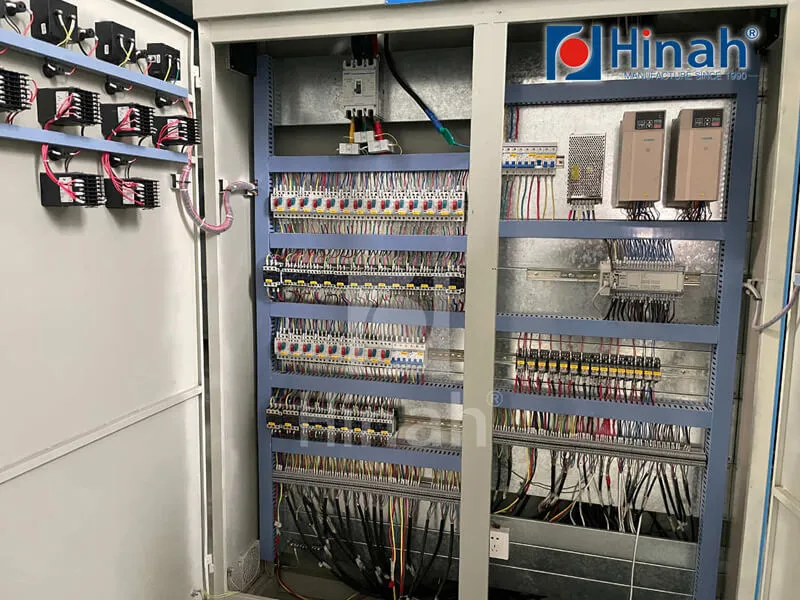

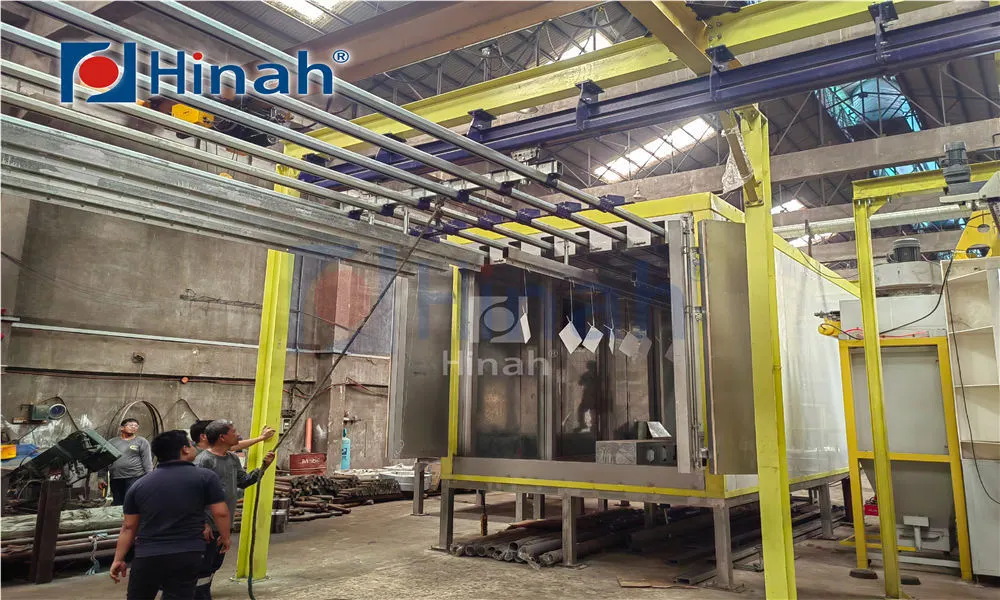
Finding the right powder coating equipment for sale is critical for setting up or expanding a finishing operation. The quality of the equipment directly impacts finish quality, productivity, and operating costs. This guide outlines key aspects to evaluate during your search.
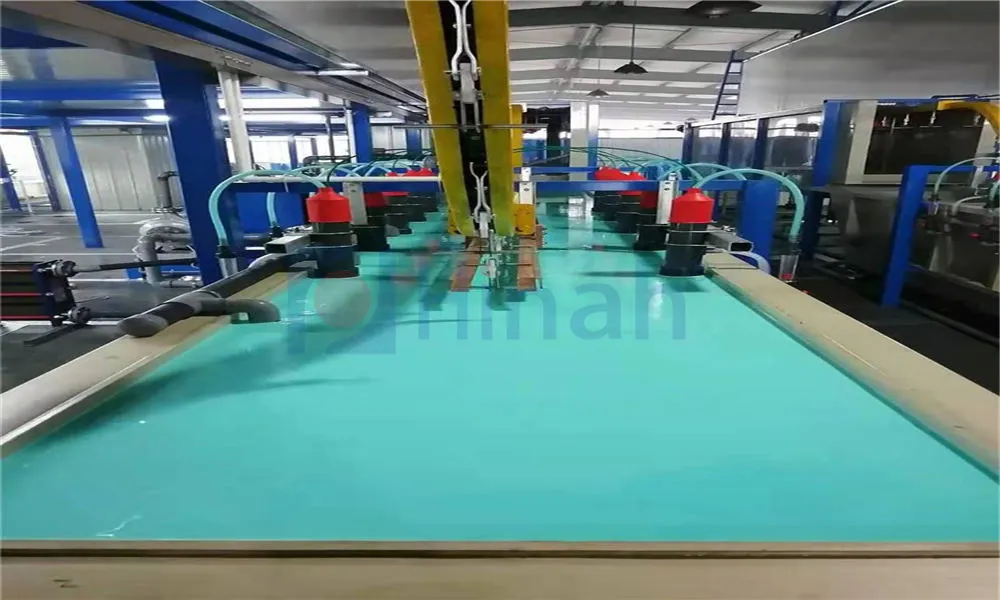
A complete powder coating line consists of several integrated pieces. Each component plays a specific role in the process. Understanding these helps when evaluating powder coating equipment for sale.
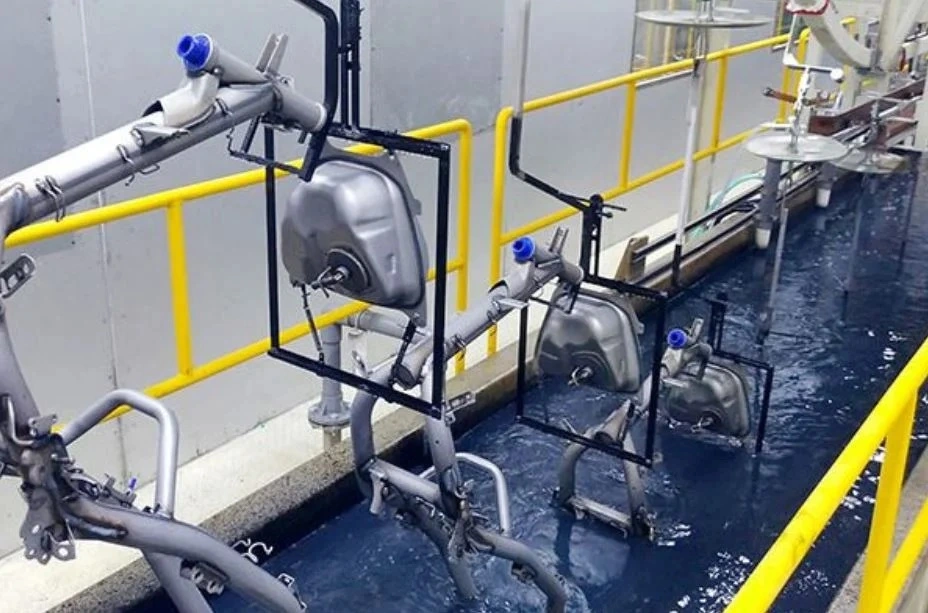
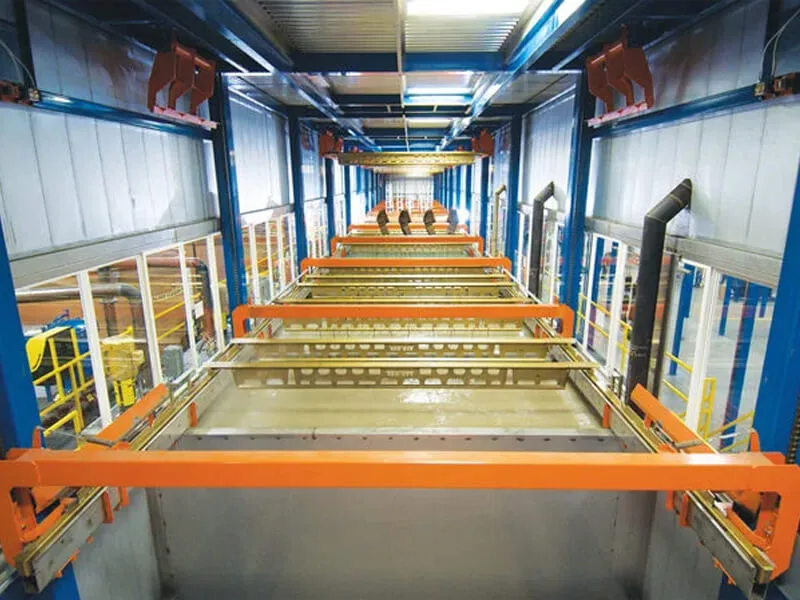
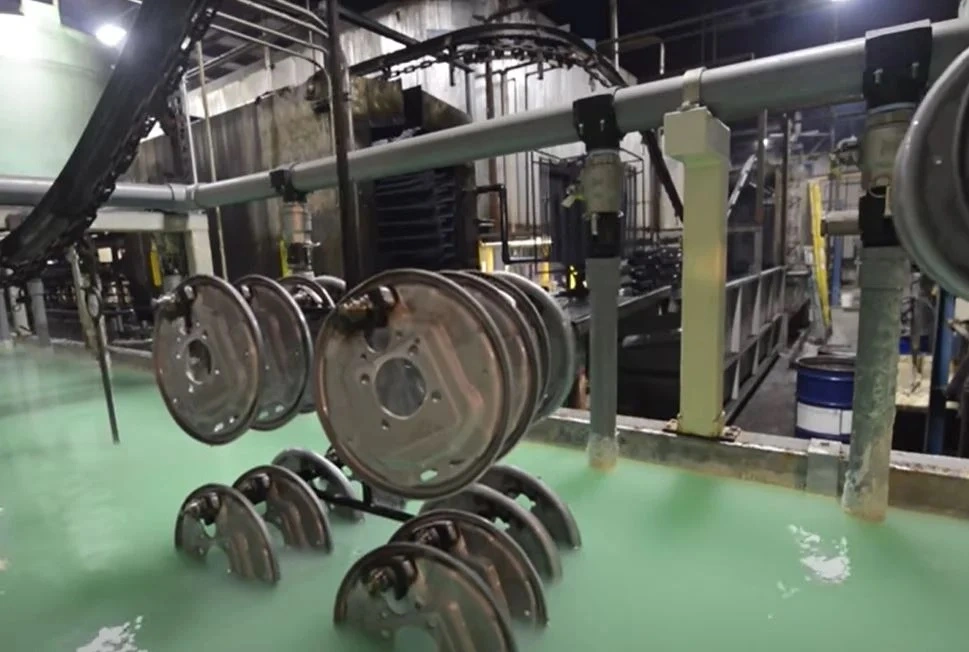
Pretreatment prepares the substrate before coating. It removes oils, dirt, and rust to ensure adhesion. This stage is non-negotiable for a quality finish.
Common pretreatment equipment includes:
Wash enclosures and spray tunnels
Chemical immersion tanks
Rinse and dry-off ovens
Phosphating or chromating systems
When looking at powder coating equipment for sale, assess the pretreatment stage's automation and chemical management.
The application booth is where powder is sprayed onto the part. It contains overspray and maintains a clean environment. Key features to look for include:
Robust cartridge or cyclone recovery systems
Efficient airflow design for powder containment
Easy-clean interior surfaces
Compatibility with manual or automatic guns
Brands like HANNA offer booths designed for high transfer efficiency, saving material.
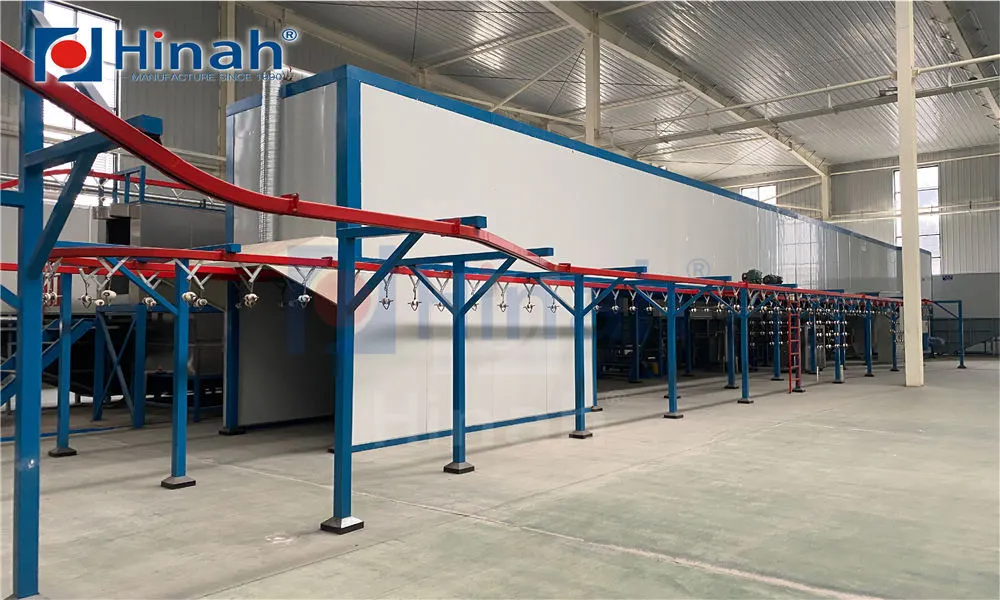
Curing ovens apply heat to melt and flow the powder into a smooth film. They are typically convection or infrared. Consistent temperature is vital for proper curing.
Evaluate oven insulation, heat source, and control systems. A reliable powder coating equipment for sale listing will provide temperature uniformity data.
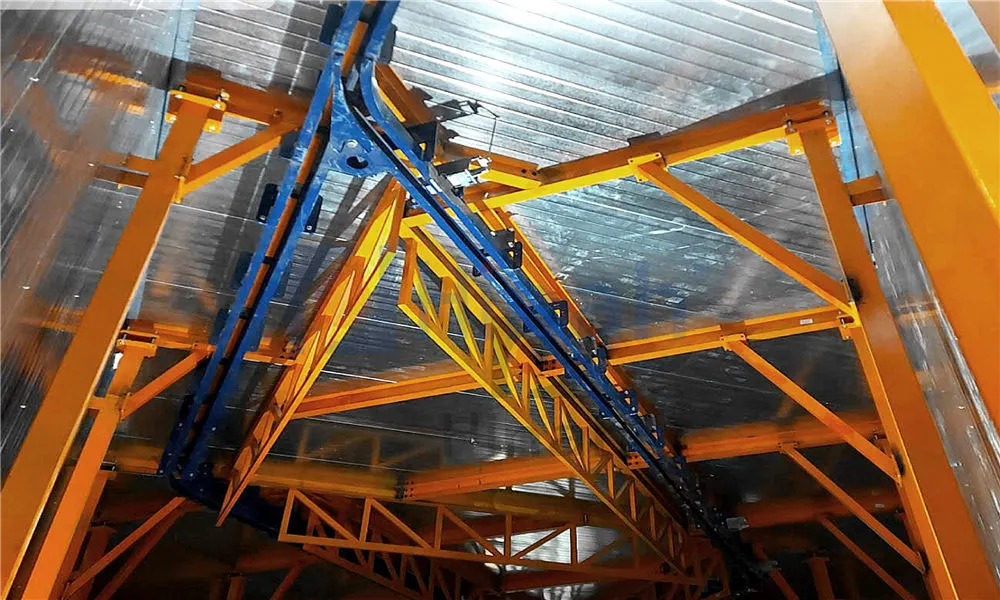
Conveyors move parts through all stages. They link pretreatment, application, and curing into one line. The choice depends on part weight and shape.
Overhead Monorail Conveyors: Common for varied parts.
Flat-Top Chain Conveyors: Good for heavy items.
Powder Coating Belt Conveyors: Suitable for smaller components.
Selecting the right powder coating equipment for sale requires careful planning. Look beyond the initial price tag to total cost of ownership.
Your equipment must match your throughput. A low-volume shop needs different specs than a high-speed production line.
Consider these questions:
What is your average daily or weekly output?
What are the dimensions and weights of your largest parts?
Will you be processing a mix of part sizes?
This determines the size of booths, ovens, and conveyor strength needed.
Both new and used powder coating equipment for sale has pros and cons. New equipment offers the latest technology, warranties, and efficiency.
Benefits of new equipment include:
Full manufacturer warranty and support
Modern, energy-efficient designs
Compliance with current safety standards
Customization options for your needs
Used equipment may lower the initial investment. However, inspect it thoroughly for wear, outdated controls, or potential hidden repair costs.
Automation increases consistency and reduces labor costs. Decide what level fits your operation.
Options range from:
Fully manual lines with hand-spray stations.
Semi-automated lines with manual load/unload and automatic guns.
Fully automated lines with robotic arms and integrated controls.
Suppliers like HANNA can help design a system with the right automation for your budget and goals.
Ovens and recovery systems are major energy consumers. Efficient equipment reduces long-term costs.
Look for features such as:
High-efficiency burners in gas ovens
Good insulation values (R-ratings) on ovens
Variable frequency drives (VFDs) on booth fans
Powder recovery systems with high reclaim rates
Reliable operation depends on proper maintenance. Before purchasing powder coating equipment for sale, consider support.
Choose suppliers who offer:
Clear operation and maintenance manuals
Availability of spare parts
Technical support and service training
Possible installation supervision
Established brands typically have better support networks.
Powder coating equipment must meet safety standards. This protects operators and your facility.
Essential safety features include:
Grounding systems in booths to prevent static discharge
Proper ventilation and fume extraction
Safety interlocks on oven doors
Emergency stop buttons throughout the line
Verify that any powder coating equipment for sale complies with local and international regulations.
Investing in the right powder coating equipment for sale is a significant decision. Focus on your specific production needs, quality requirements, and long-term costs. Partnering with a reputable manufacturer like HANNA ensures you get reliable, efficient equipment backed by expert support. Thorough evaluation leads to a system that delivers consistent, high-quality finishes for years.
Q1: What are the main types of powder coating equipment for sale?
A1: The main types include pretreatment systems (washers, dryers), powder application booths with recovery, curing ovens (convection or infrared), and material handling conveyors. Complete lines integrate all these components.
Q2: How much does a basic powder coating equipment setup cost?
A2: Costs vary widely. A small manual booth and batch oven might start in the tens of thousands. A complete, automated production line can cost several hundred thousand dollars. The price depends on size, automation, and features.
Q3: Is it better to buy new or used powder coating equipment?
A3: New equipment offers warranties, modern efficiency, and custom design. Used equipment has a lower upfront cost but may require more maintenance and lack updated features. The choice depends on your budget and risk tolerance.
Q4: What maintenance does powder coating equipment require?
A4: Regular maintenance includes cleaning powder booths and filters, checking oven burners and thermocouples, lubricating conveyor chains, and inspecting grounding systems. Following the manufacturer's schedule is crucial.
Q5: Can I integrate new equipment with my existing line?
A5: Yes, many suppliers like HANNA can design new components, such as a booth or oven, to integrate with your current conveyor and controls. A site assessment is needed to ensure compatibility.