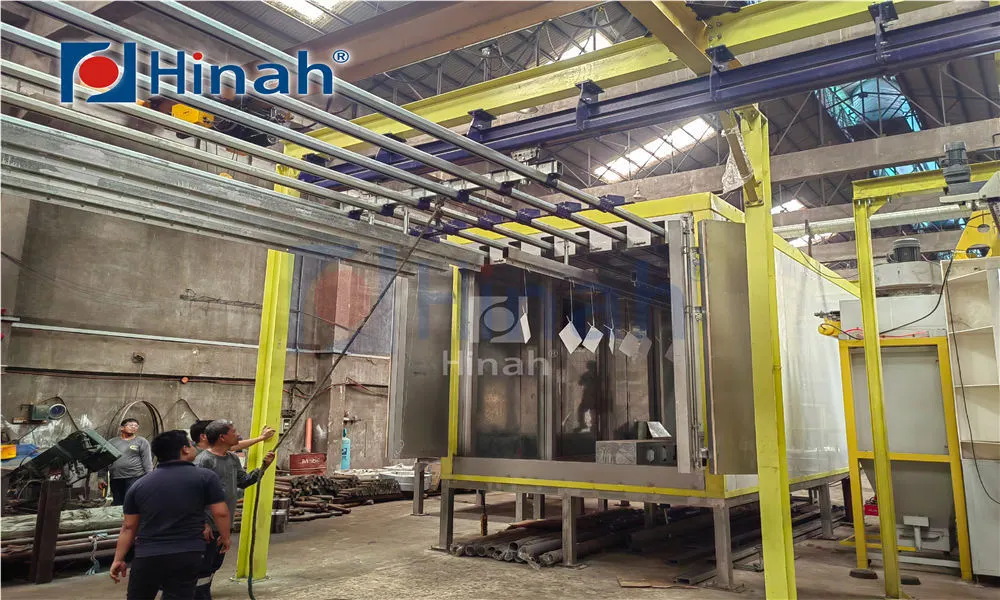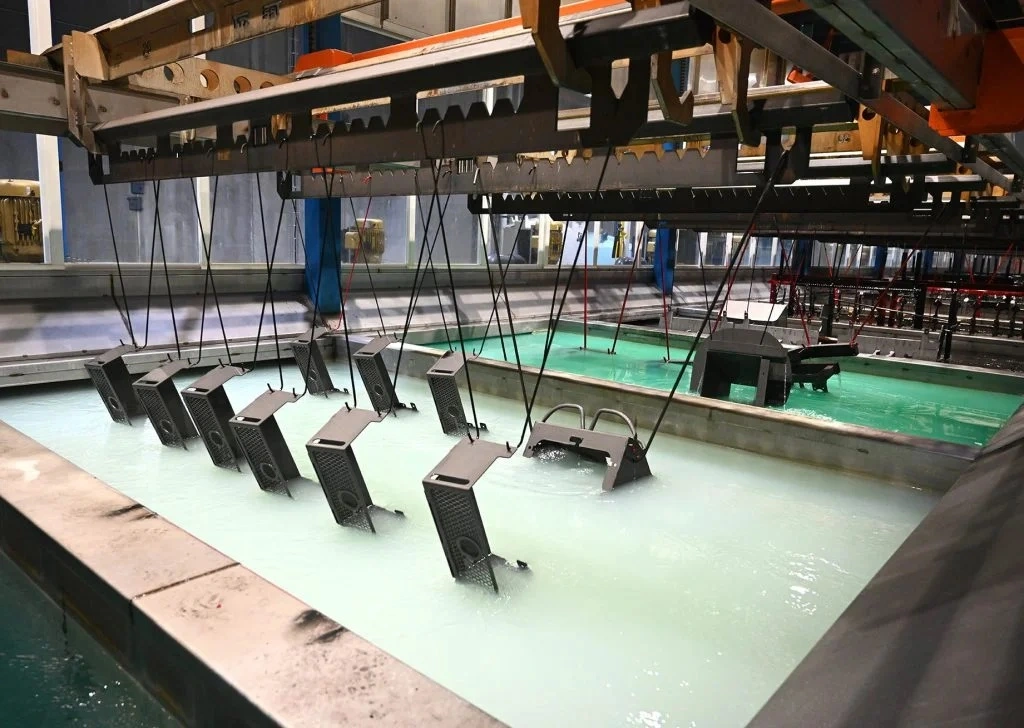
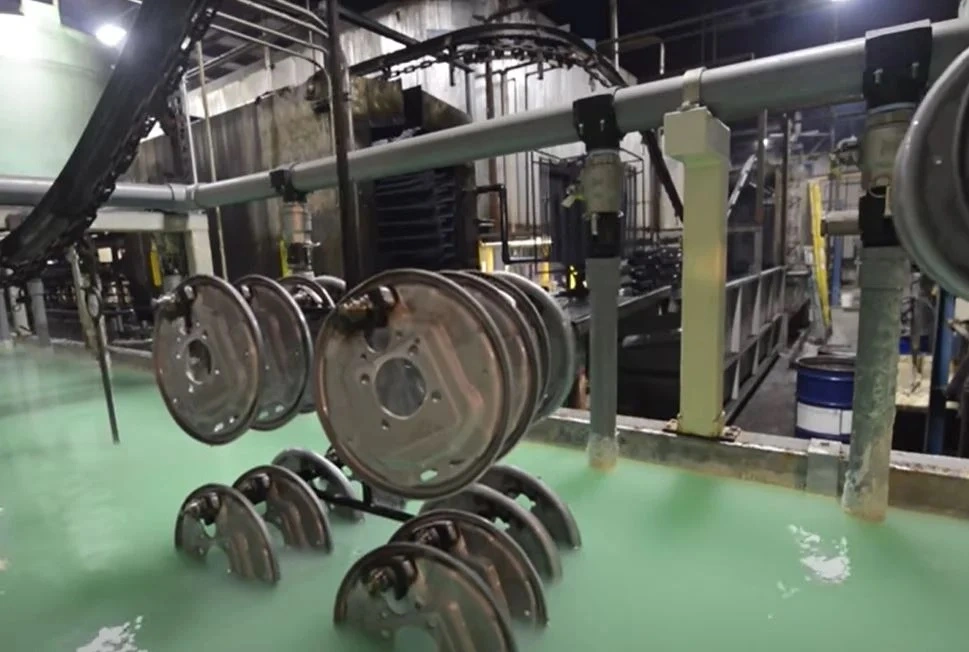

The curing oven is where coatings transform from liquid or powder into a durable, protective film. This thermal process dictates final quality—adhesion, hardness, chemical resistance—and represents the largest energy consumer on any finishing line. Selecting the right curing ovens requires a deep understanding of heat transfer physics, material handling dynamics, and process control. This guide provides a technical framework for engineers and operations managers evaluating new curing ovens for their facilities.
The method of heat delivery fundamentally affects cure speed, uniformity, and energy efficiency.
Convection systems use heated air circulated by high-volume fans. They are the industry standard for mixed part geometries and high thermal mass components. Key design parameters include:
Air Velocity: Typically 50–150 ft/min at the part surface to break up boundary layers.
Turnover Rate: The oven volume should be recirculated 20–40 times per hour.
Heat Source: Direct-fired (combustion products enter the oven) offers near 100% efficiency; indirect-fired (heat exchanger) isolates combustion byproducts for sensitive coatings.
IR ovens emit electromagnetic energy that directly heats the part surface. Advantages include rapid ramp-up (seconds vs. minutes) and compact footprint. However, IR is line-of-sight and struggles with complex shapes. Many modern lines employ hybrid designs: an IR zone for fast gelation followed by a convection hold zone for complete cross-linking. When evaluating curing ovens for sale, consider whether a hybrid approach could reduce line length and energy consumption.
The physical layout must align with production volume and part size.
Batch Walk-In Ovens: Ideal for job shops, large parts, or low-volume production. Parts are loaded and cured in discrete cycles. Flexibility is high, but labor cost per part is elevated.
Conveyorized Monorail Ovens: Standard for medium to high-volume production. Parts hang from an overhead conveyor and travel continuously through the oven. Steady-state operation maximizes thermal efficiency.
Multi-Pass or "Z" Style Ovens: Designed to fit long cure times into compact floor space by moving parts vertically through multiple passes inside a single insulated enclosure.
A simple sizing rule: oven length (ft) = line speed (ft/min) × required cure time (min). A 20-minute cure at 10 ft/min demands a 200 ft oven.
For most finishing lines, energy represents the #1 variable expense. Modern curing ovens incorporate several efficiency technologies.
Panel Specifications: 4–6 inches of high-density mineral wool or ceramic fiber with verified R-values.
Air Seals: High-velocity air curtains at entry and exit can reduce heat loss by 30% compared to simple labyrinth seals.
Recuperators: Preheat combustion air using exhaust gases, reducing gas consumption by 15–20%.
Run-Around Coils: A fluid circuit transfers heat from exhaust to incoming makeup air.
Integrated Oxidizers: For lines with VOC abatement, thermal oxidizer exhaust can be ducted back to pre-heat the oven.
Achieving ±5°C (±9°F) across the entire work envelope is the hallmark of a well-designed oven. This requires:
CFD-Optimized Plenums: Computational fluid dynamics models guide the placement of nozzles and returns to eliminate hot and cold spots.
Multiple Heating Zones: Independent PID control for each zone allows fine-tuning as parts travel through.
Strategic Dampering: Manually or automatically adjustable louvers balance airflow across the width and height.
HANNA engineers validate uniformity through thermal profiling during commissioning, providing documented proof of performance.
The conveyor system must operate reliably at elevated temperatures while supporting product weight.
Overhead Enclosed Track: Suitable for loads up to 1,000 lbs per carrier; bearings must be rated for continuous 200°C+ operation.
Power-and-Free: Allows carriers to accumulate or switch paths independently, enabling mixed-model production.
Floor-Based Systems: Walking beams or powered roller decks for parts that cannot be hung (e.g., castings, tanks).
Conveyor speed, chain lubrication, and thermal expansion of the track must be coordinated with the oven structure.
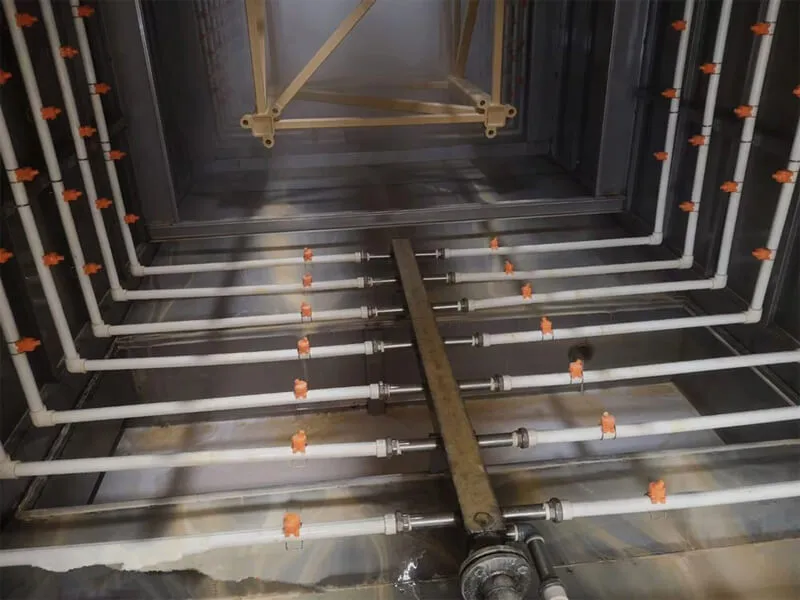
Different sectors place distinct demands on curing ovens.
Automotive OEM and Tier Suppliers: Require documented cure traceability, often with multi-point temperature profiling linked to each VIN.
Aerospace: Must meet stringent specifications (e.g., BAC 5000) with strict control over ramp rates and dwell times.
Architectural Aluminum: Long extrusions demand ovens with exceptional longitudinal uniformity to prevent color variation.
Heavy Equipment: High thermal mass components (e.g., tractor frames) need pre-heat zones and extended soak times.
Industrial ovens are governed by strict codes. NFPA 86 (Americas) and ATEX (Europe) set mandatory requirements.
Pre-Purge Cycles: At least four air changes before ignition sources are enabled.
High-Limit Controls: Redundant, independent temperature controllers that shut down heat if setpoints are exceeded.
Explosion Relief: Panels sized based on oven volume, venting to a safe exterior location.
VOC Abatement: If curing solvent-based paints, oven exhaust must be treated via thermal or catalytic oxidizer to meet EPA or local air quality regulations.
Modern curing ovens are intelligent assets. Look for:
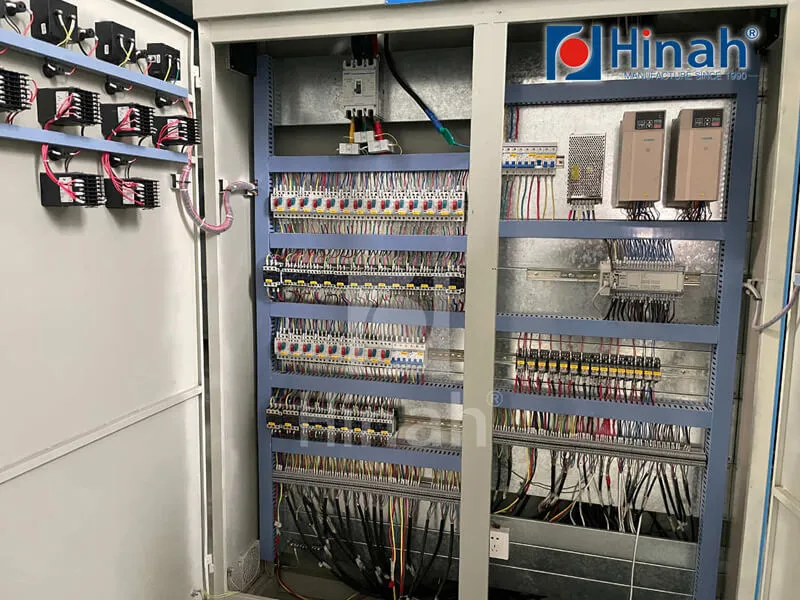
PLC-Based Control: With touchscreen HMI for recipe management and data logging.
Thermal Profiling Integration: Real-time data from thermocouples attached to product surfaces, stored for quality assurance.
Remote Monitoring: Web dashboards showing oven performance, with alarms for deviations.
Predictive Maintenance: Vibration sensors on fans and pressure transmitters across filters to alert before failures occur.
HANNA provides fully integrated control systems that communicate with plant MES and ERP networks.
Define Product Envelope: Maximum part dimensions, weight, and material (steel vs. aluminum have different heat-up rates).
Specify Cure Schedule: Required metal temperature and dwell time from coating supplier.
Calculate Throughput: Parts per hour or linear feet per minute; factor in future growth.
Request Uniformity Guarantee: Vendor must commit to ±5°C (or better) across all zones.
Review Utility Requirements: Gas (BTU/hr), electrical (kW), exhaust stack size.
Verify Safety Certifications: NFPA 86, ATEX, UL/CE marks.
Assess Maintenance Access: Walkways, lighting, and removable panels for cleaning.
Q1: What are the main types of curing ovens used in industrial finishing?
A1: The three primary types are convection ovens (heated air recirculation), infrared ovens (direct radiant energy), and combination systems that use both. Convection is most common for mixed loads and thick parts; IR is faster for flat or thin products; hybrids optimize line speed and quality.
Q2: How do I choose between gas-fired and electric curing ovens?
A2: Gas-fired ovens typically have lower operating costs in regions with affordable natural gas and are preferred for high-BTU applications. Electric ovens offer precise control, zero on-site emissions, and lower installation complexity. The choice depends on local utility rates, environmental regulations, and required temperature uniformity.
Q3: What is the typical payback period for energy efficiency upgrades on curing ovens?
A3: Simple upgrades like improved door seals or VFDs on fans can pay back in 1–2 years. More extensive investments like heat recovery systems (recuperators or run-around coils) typically achieve payback in 2–4 years, depending on operating hours and local energy costs.
Q4: How does NFPA 86 compliance affect oven design?
A4: NFPA 86 mandates safety features including pre-purge cycles, high-limit temperature controls, flame supervision, and explosion relief venting. These requirements influence burner selection, control logic, and structural design. Compliance is essential for insurance approval and operator safety.
Q5: Can I retrofit an existing oven to handle higher throughput?
A5: Yes, retrofits are common. Options include adding heating zones, increasing fan capacity, upgrading controls, or installing a faster conveyor. However, the oven's physical length may limit throughput if cure time cannot be reduced. A thermal audit by an experienced integrator like HANNA can identify the most cost-effective upgrades.
Q6: How often should I perform thermal profiling on my curing oven?
A6: At minimum, annually. For critical coatings (automotive, aerospace), quarterly profiling is recommended. Profiling should also be done after any major change in product mix, line speed, or oven settings. Regular profiling identifies issues like burner imbalance or airflow blockages before they cause rejects.
Selecting the right curing ovens is a strategic decision that impacts quality, energy cost, and production capacity for decades. By understanding heat transfer fundamentals, zoning strategies, energy recovery options, and safety requirements—and partnering with an experienced thermal systems integrator like HANNA—you ensure your finishing line operates at peak efficiency. Visit https://www.autocoatinglines.com/ to discuss your curing requirements with our engineering team.