Buying a powder coating booth is a decision that affects your finish quality, your production speed, and your operating costs for years. Many buyers start by searching for a powder coating booth for sale and then realize the options vary far more than expected.
This guide walks through the practical points that matter: booth types, airflow, filtration, sizing, utilities, and cost. It is written for shop owners, plant engineers, and finishing managers who need a system that works on day one.
A booth is not simply a closed room with a spray gun inside. It controls three things at once: powder containment, air movement, and overspray recovery.
Containment keeps operators and the surrounding plant clean. Airflow carries overspray away from the part. Recovery systems capture and return unused powder to the hopper so material is not wasted.
Booth enclosure with removable panels or walk-in access
Supply and exhaust air handling units
Cartridge or bag filtration with pulse cleaning
Recovery hopper and powder collection system
Lighting rated for the spray environment
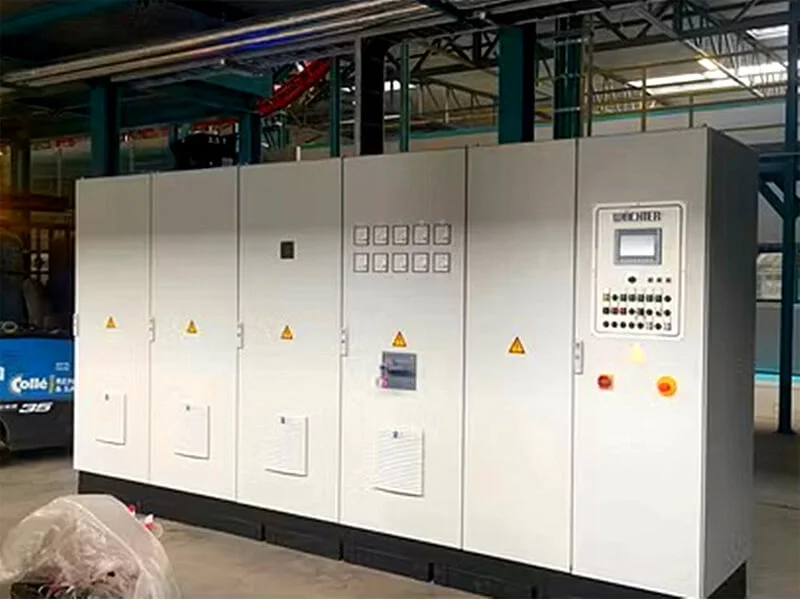
Control panel for airflow, fan speed, and cleaning cycles
When you evaluate a unit offered for sale, check that all of these parts are included or priced separately. Missing items often appear only after delivery.
The right type depends on part size, part volume, and how often you change colors. Most sellers offer three main categories.
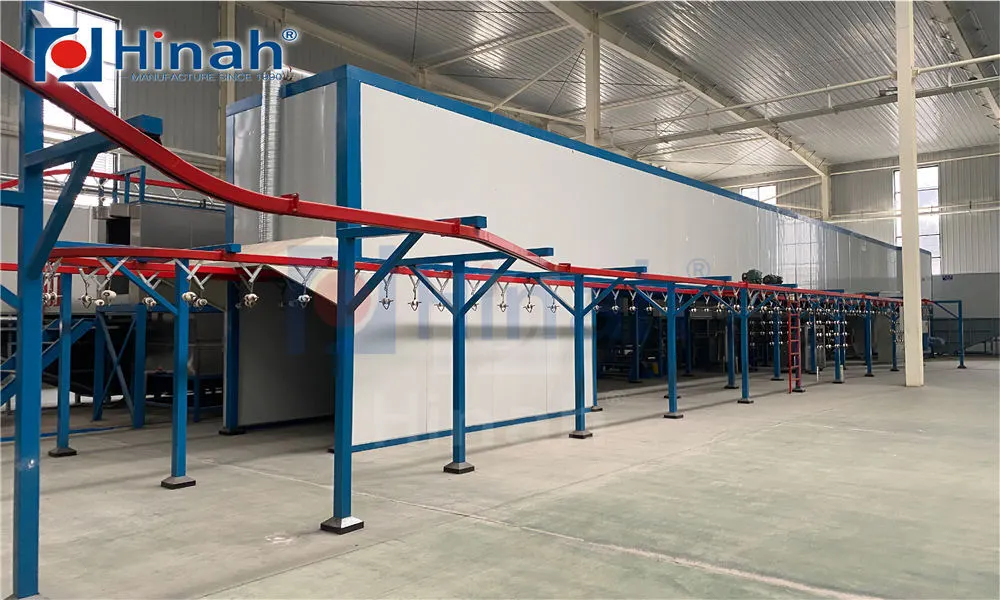
These are the most common choice for job shops and low to medium volume work. Operators load parts on racks, spray them, and unload them in batches.
Best for large or heavy parts
Suits frequent color changes
Lower initial cost than automated lines
Simple to maintain and clean
Conveyorized systems move parts through the spray zone continuously. They suit high volume production with consistent part shapes.
Higher throughput per hour
Consistent film thickness across parts
Requires more floor space and integration work
Higher capital cost
Open-face booths are compact and inexpensive. They work well for small parts and short runs but offer less containment than enclosed designs.
Batch recovery booths add a collection hopper for reclaiming powder. They are a good middle option when material savings matter but full automation is not justified.
A listing photo rarely shows the details that decide whether a booth performs well. Ask for documentation and inspect these items before committing.
Airflow data: request measured face velocity and fan curves, not just motor ratings
Filter condition: cartridge age and replacement cost affect the first year of operation
Recovery rate: ask what percentage of overspray the system returns
Electrical requirements: confirm voltage, phase, and control panel compatibility
Structural condition: look for corrosion, panel damage, and seal wear
Compliance: check local fire and ventilation codes for powder systems
If you are comparing several units, build a simple scoring sheet. Weight airflow, filter cost, and size against price rather than relying on price alone.
Undersizing is the most common and most expensive mistake. A booth that is too small limits part size, slows loading, and pushes operators to work around the airflow.
Start with your largest part plus the rack. Add clearance for the operator to move the gun at a comfortable distance. A typical rule is at least 900 mm of working space around the part on the spray side.
Measure the tallest and widest part you expect to coat
Add rack height plus overhead clearance for the conveyor or hoist
Confirm door opening width and height against the part envelope
Check ceiling height in your building before delivery
Sellers of a powder coating booth for sale can usually provide a dimensional drawing. Request it early and check it against your floor plan.
Airflow does most of the work in a powder booth. If airflow is weak, overspray settles on parts and walls. If airflow is excessive, powder is pulled away before it reaches the part.
Cartridge filters are the standard choice. They capture powder on the outer surface and release it during pulse cleaning. The released powder drops into a hopper for reuse.
Filter media is rated for fine powder particles
Pulse cleaning is automatic and adjustable
Exhaust air is directed to a safe discharge point
Spare filters are available at a reasonable price
Color change speed also depends on the design. Booths with smooth interior surfaces and quick-release panels clean faster between batches.
Plan installation before the unit arrives. Delivery is only the first step; utilities, ducting, and commissioning take time.
Power: confirm the panel matches your supply and add a dedicated circuit
Compressed air: clean, dry air is essential for spray guns and pulse valves
Ducting: plan exhaust routing and check roof or wall penetration points
Floor space: allow room for loading, unloading, and gun movement
Ventilation: make sure the room can supply enough make-up air
Many buyers underestimate make-up air. A booth that exhausts large volumes needs an equal volume of replacement air, or the room will run under negative pressure.
Price tags on a used or new booth rarely include the full cost of ownership. Build a budget that covers installation, filters, and consumables.
Equipment purchase price
Freight, rigging, and unloading
Electrical and ducting work
Commissioning and operator training
Filter replacements over the first two years
Powder material loss before recovery is optimized
A well-maintained used unit can be a strong value. Confirm service history and inspect filters, fans, and the control panel before you agree on a price.
Supplier support matters as much as the equipment itself. A good partner helps with layout, airflow verification, and spare parts after the sale.
HANNA supplies powder coating systems and can assist with booth selection, layout planning, and commissioning support. Their team can review your part sizes and volume targets before recommending a configuration.
Ask for reference installations in similar industries. Seeing a booth running in a shop with comparable parts tells you more than a catalog sheet.
Buying on price alone without checking airflow data
Skipping the make-up air calculation
Ignoring filter replacement costs
Choosing a booth too small for future part sizes
Failing to confirm local code requirements
Each of these issues can add significant cost after installation. A short checklist and a few supplier questions prevent most of them.
A1: Start with airflow data and filter condition. These two factors drive finish quality and operating cost. Then confirm the booth dimensions against your largest parts and check the electrical requirements against your building supply.
A2: Yes, if the unit is structurally sound and the airflow meets your part sizes. Request service records, inspect the cartridges and fans, and budget for a control panel upgrade if needed.
A3: A small batch booth may need around 3 by 3 meters, while walk-in and conveyorized units need considerably more. Always add loading, unloading, and gun movement space around the enclosure.
A4: In normal production, cartridge life ranges from six months to two years depending on powder type, color changes, and cleaning discipline. Keep a spare set on hand to avoid downtime.
A5: Not always, but the booth should be in a controlled area away from dust and drafts. Many shops build a dedicated finishing room to protect the coating process and simplify ventilation.
A6: A standard batch booth typically takes three to seven days including utilities, ducting, and commissioning. Conveyorized systems take longer because they involve integration with the line.
A7: For most shops with regular production, yes. Recovery can return a significant share of overspray to the hopper, reducing material spend over the life of the booth.
Choosing a booth comes down to matching part size, volume, and color change frequency to the right design. Get the airflow and sizing right, and the rest of the system becomes easier to manage.
If you need help narrowing the options, review specifications with a supplier who works with shops of your size. A careful comparison today saves rework and downtime later.