
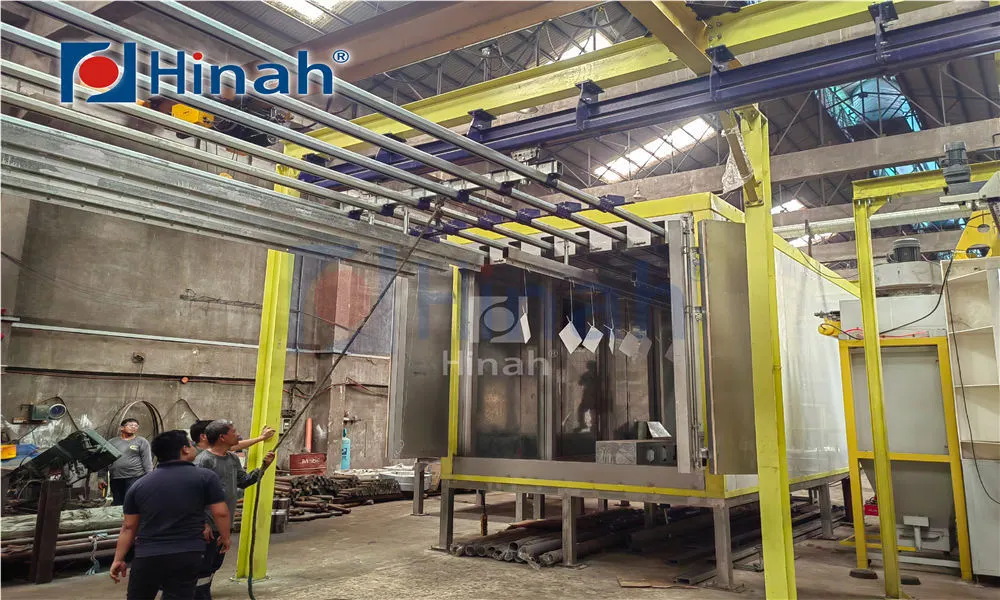
Investing in a new Powder coating system for sale is a major decision for any finishing business. The right equipment boosts productivity, improves finish quality, and supports growth. With various options available, knowing how to assess your needs and the equipment is crucial. This guide provides a clear, step-by-step approach to finding the optimal system.
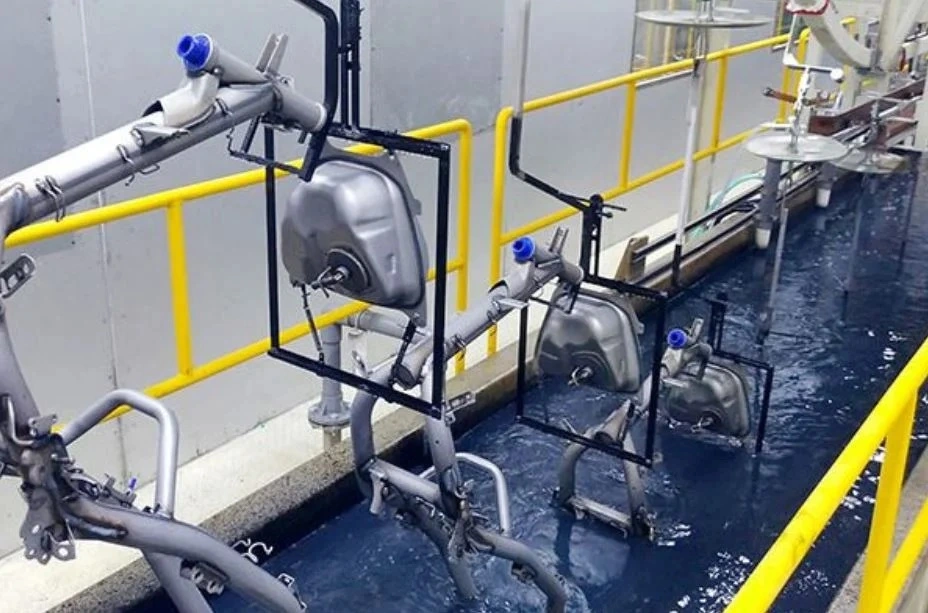
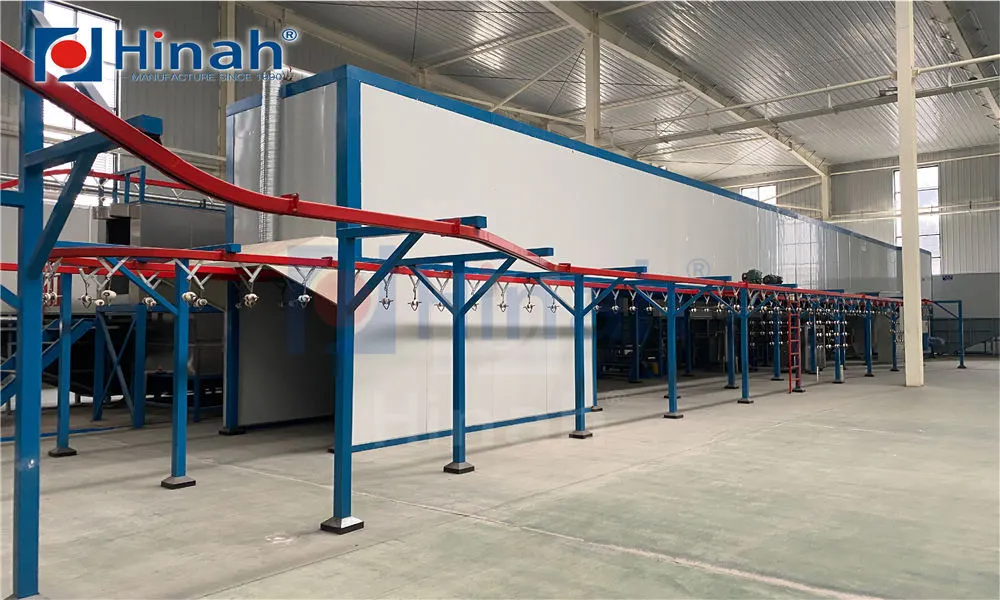
A complete Powder coating system for sale is more than just a spray booth and oven. It is an integrated series of workstations. Each component plays a specific role in the finishing process.
The main stages include:
Pre-treatment: Cleans and prepares the metal surface for coating.
Drying: Removes moisture after pre-treatment.
Application Booth: An enclosed area where powder is applied electrostatically.
Curing Oven: Heats the part to melt and cure the powder into a solid film.
Cooling & Unloading: Allows parts to cool before handling.
When you look for a powder coating system for sale, ensure all these stages are considered for a smooth workflow.
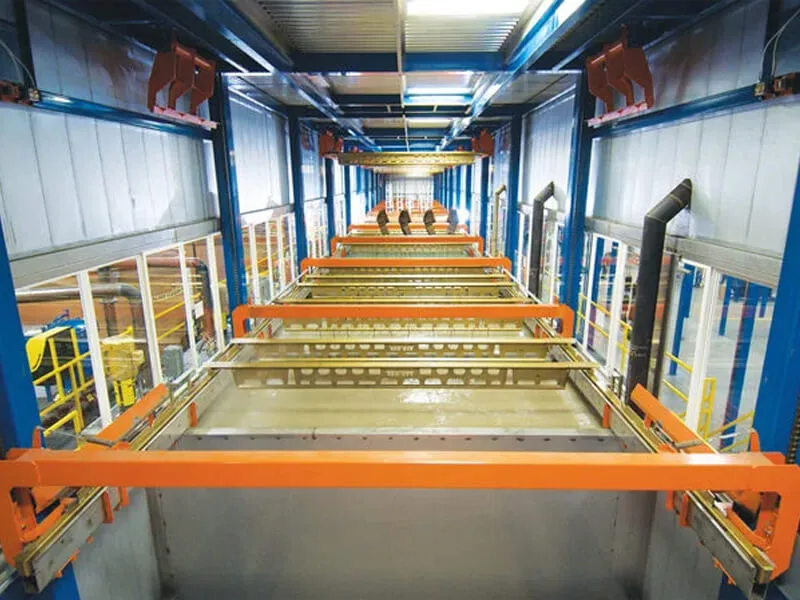
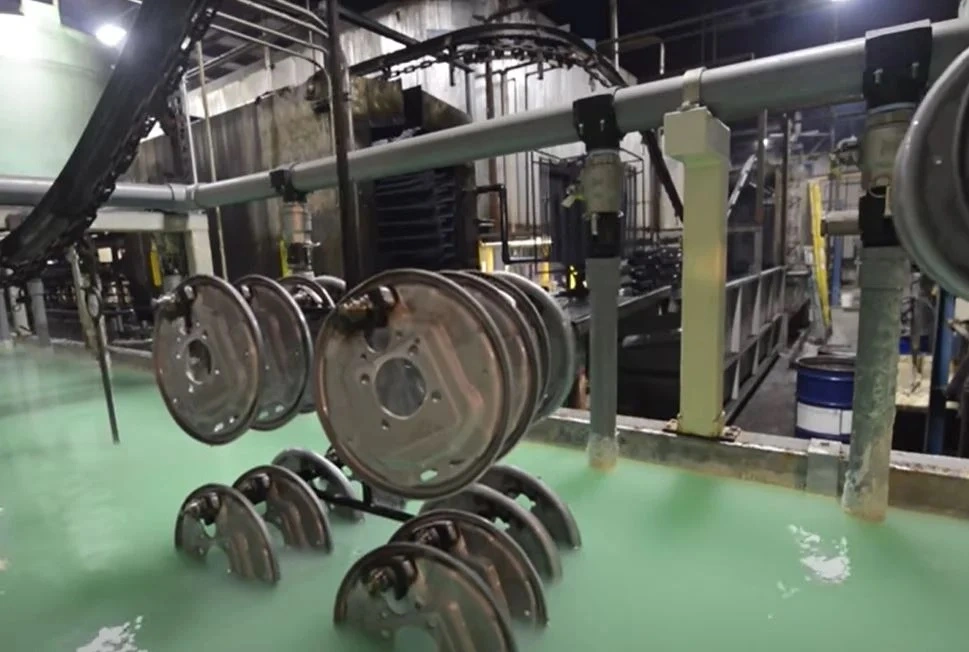
Proper surface preparation is non-negotiable. It directly affects adhesion and corrosion resistance. Systems can range from simple manual wash stations to automated multi-stage tunnels.
Chemical Stages: Typically include cleaning, rinsing, and phosphating or chromating.
Heating Method: Chemical tanks can be heated electrically or by gas.
Material Handling: Parts can be processed on racks, overhead conveyors, or monorails.
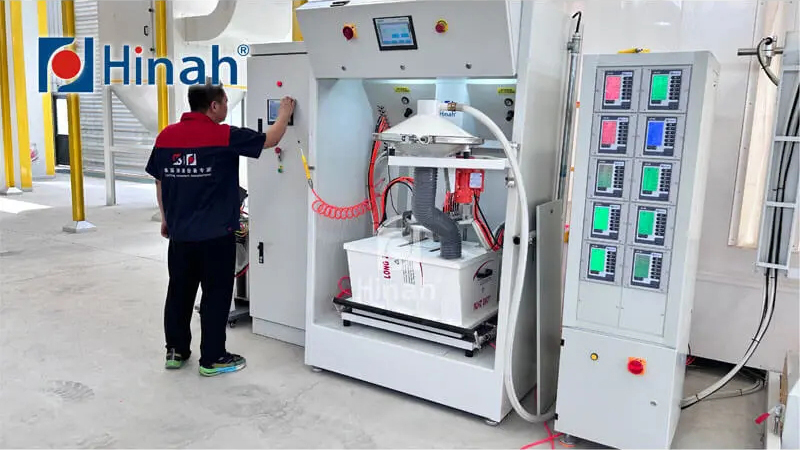
The application booth contains overspray and ensures operator safety. A key feature is the powder recovery system.
Cartridge Recovery: Modern systems use filter cartridges to capture overspray, allowing clean air exhaust.
Cyclone Recovery: Often used in high-volume shops to separate and reclaim powder efficiently.
Booth Size: Must accommodate your largest parts with room for the operator to move.
The oven is where the finish achieves its final properties. Consistent, controlled heat is vital.
Heat Source: Electric ovens offer precise control; gas ovens may have lower operating costs.
Air Circulation: High-volume fans prevent hot spots for uniform curing.
Insulation: Quality insulation reduces heat loss and energy consumption.
Evaluating a Powder coating system for sale requires looking at several practical factors. Focus on how the system matches your specific production needs.
Define your current and projected workload. This is the first step in narrowing down options.
Volume: Number of parts per hour or day.
Part Size & Mix: Dimensions of your largest and smallest parts, and how often the product mix changes.
Coating Requirements: Type of powders used and required film thickness.
The conveyor moves parts through all stages. Your choice affects flexibility and automation.
Overhead Monorail: Common for high-volume, consistent production. Good use of vertical space.
Closed-Track Conveyor: Protects the chain from chemicals, increasing longevity.
Belt or Table-Top: Suitable for smaller, lightweight items.
A new system must fit your facility and have the necessary power and gas connections.
Create a detailed floor plan including all equipment and safe access aisles.
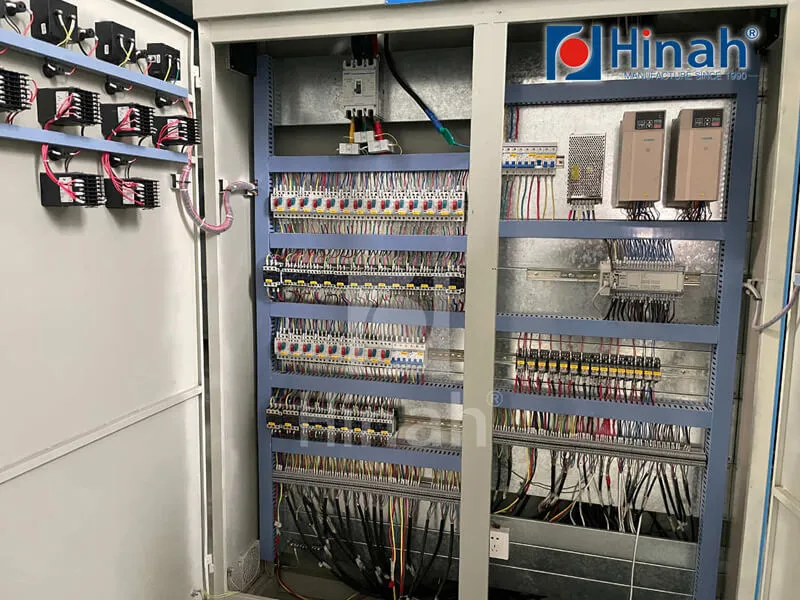
Confirm electrical service (voltage, amperage) and gas line capacity.
Plan for drainage, exhaust vents, and make-up air systems.
The purchase price is just one part of the cost. Consider long-term operational expenses.
Energy Consumption: Oven insulation and burner/ heater efficiency.
Powder Utilization: Recovery system efficiency directly impacts material costs.
Maintenance: Availability of spare parts and ease of service.
The supplier’s reputation and support services are critical for long-term success.
Look for an established manufacturer with industry experience.
Ask about installation supervision, training, and warranty terms.
Check for availability of technical support and service engineers.
Working with a trusted provider like HANNA can ensure you get a reliable powder coating system for sale along with professional support.
When searching for a Powder coating system for sale, you will find both new and used options. Each has distinct advantages.
New Systems:
Latest technology and energy efficiency.
Full manufacturer warranty and support.
Custom-designed to fit your exact needs.
Used or Refurbished Systems:
Lower initial purchase cost.
Faster delivery and installation potential.
Risks include unknown wear, outdated technology, and limited warranty.
Finding the right Powder coating system for sale requires methodical evaluation of your production needs, space, budget, and supplier capability. By following these five key steps, you can make a confident investment that will deliver quality finishes and reliability for years. For tailored solutions and robust equipment, consider exploring the systems offered by HANNA to meet your specific operational goals.
A1: Lead times vary based on complexity and customization. A standard, pre-engineered system may take 8-12 weeks. A fully custom-designed and built system can require 16-24 weeks or more from order to installation.
A2: Yes, upgrades are common. You can often add an automatic gun mover or reciprocator to your existing booth. Integrating a new booth and recovery system into an expanded line with a conveyor is also possible, though it requires careful planning.
A3: Space needs depend entirely on system size. A compact batch system might fit in 500 sq. ft. A medium-volume continuous line with pre-treatment, booth, oven, and cooling may require 2,000 to 5,000 sq. ft. Always account for part storage and maintenance access.
A4: Critical daily tasks include cleaning the spray booth and checking powder recovery filters. Weekly, inspect gun tips and cables. Monthly, check oven calibration, conveyor lubrication, and pre-treatment chemical levels. Follow the manufacturer's detailed schedule.
A5: Reputable suppliers, like HANNA, typically include basic operator and maintenance training as part of the installation and commissioning service. This covers safe operation, routine maintenance, and basic troubleshooting for your specific equipment.