
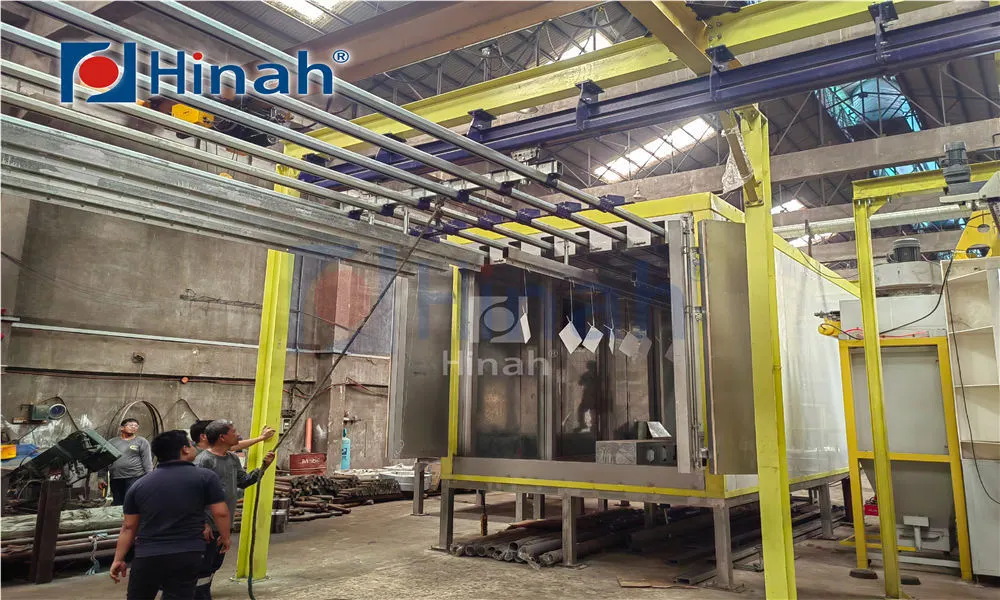
In industrial finishing environments where components exceed standard dimensions—such as structural steel beams, agricultural machinery frames, wind turbine housings, or military vehicle assemblies—the thermal processing stage imposes unique demands. A Large powder coating oven is not merely an enlarged version of standard equipment; it represents a fundamental shift in thermal engineering, airflow management, and process control. These systems must accommodate high thermal mass parts, ensure temperature uniformity across extended geometries, and maintain energy efficiency despite substantial heat loss potential. This technical analysis examines the critical design parameters, application-specific challenges, and advanced solutions that define state-of-the-art large-scale powder curing systems, offering actionable guidance for coating line engineers and operations managers.
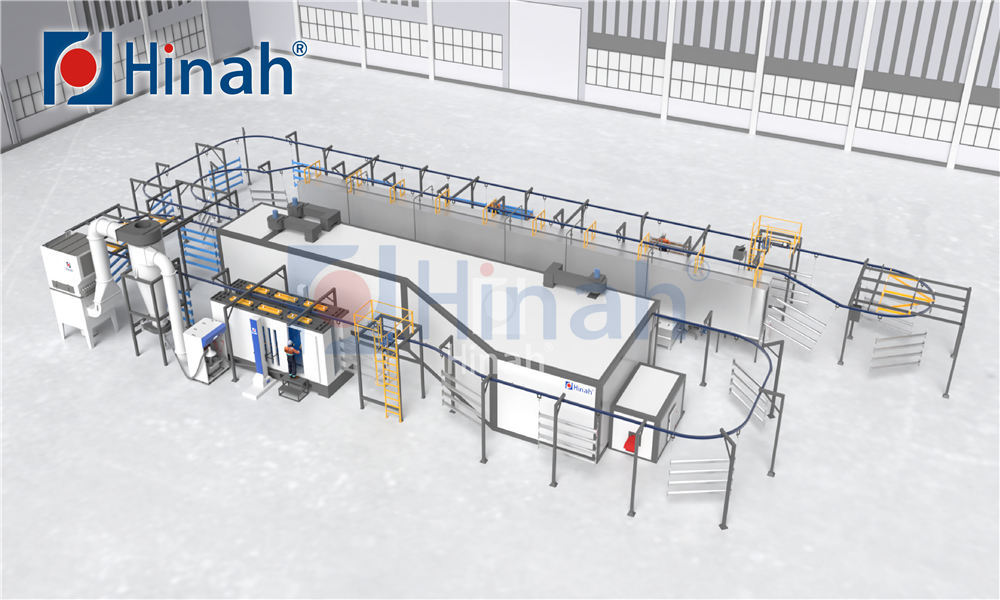
When component lengths exceed 6 meters or individual part weights surpass 1,000 kilograms, conventional batch ovens become impractical. A purpose-engineered Large powder coating oven is characterized by reinforced structural framing, high-volume airflow systems, and modular construction that enables either walk-in batch processing or continuous inline operation. The transition to this scale introduces engineering complexities: maintaining temperature uniformity within ±5°C across a 12-meter chamber requires computational fluid dynamics (CFD)-optimized nozzle arrangements and stratified airflow zones. Structural integrity must account for thermal expansion of both the oven shell and the conveyor system, often requiring expansion joints and floating floor designs.
For any Large powder coating oven, the most persistent technical hurdle is achieving consistent metal temperature across the entire part geometry. Large components introduce significant thermal mass variations—a 20 mm steel plate at the base versus a thin-walled tubular section at the top—resulting in differential heating rates. Advanced systems address this through:
Zoned temperature control: Independent PID loops for each chamber section allow operators to apply higher heat input to heavy-gauge zones while preventing over-cure on delicate sections.
Adjustable airflow plenums: Remotely configurable nozzle arrays enable dynamic redirection of heated air to compensate for part geometry variations between batches.
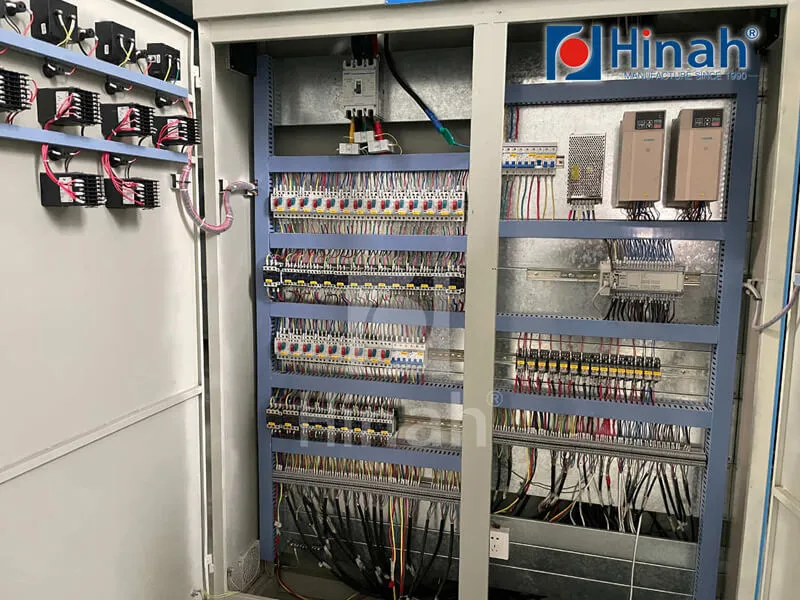
Multi-point thermocouple arrays: Real-time data from strategically placed sensors provides continuous feedback, enabling the PLC to modulate burner firing rates and fan speeds.
CFD modeling during the design phase has become standard practice. By simulating air velocity vectors and thermal gradients before fabrication, manufacturers can eliminate cold spots and reduce physical commissioning time by up to 40%.
Energy efficiency in large-format curing systems directly impacts operational profitability. A poorly insulated or improperly balanced Large powder coating oven can consume millions of BTU per hour with significant waste. Contemporary designs incorporate several energy-conserving features:
High-density mineral wool insulation: Thicknesses of 200 mm or more with multi-layer facings reduce thermal bridging and maintain skin temperatures below 50°C even at 220°C chamber temperatures.
Modulating burners with variable frequency drives (VFDs): Unlike conventional on/off burners, modulating systems match fuel input precisely to real-time demand, reducing energy consumption by 15–25% in variable production environments.
Exhaust heat recovery: Recuperators capture flue gases to preheat combustion air or to supply energy to adjacent pretreatment washers, lowering overall facility energy costs.
Insulated load doors and vestibules: For batch systems, high-speed vertical-lift doors with pneumatic seals minimize heat loss during loading/unloading cycles.
Thermoset powder coatings—whether epoxy, polyester, or hybrid formulations—require precise time-at-temperature profiles to achieve complete cross-linking. Large substrates complicate this requirement due to their thermal inertia. For a thick steel fabrication, the surface may reach cure temperature quickly, while the core requires extended soak time. This disparity risks under-cure at the core or over-cure at the surface. Solutions include:
Ramp-and-soak programming: Controlled temperature ramping allows heat to propagate uniformly through the material before the dwell phase.
Dual-zone hybrid heating: Infrared panels in the first zone accelerate surface gelation, while subsequent convection zones complete the cross-linking without thermal overshoot.
Data logging and traceability: Compliance with quality standards such as ISO 12944 or CQI-12 mandates recorded proof that every part achieved required cure parameters. Advanced systems store thermal profiles linked to individual part identifiers.
Different industries impose distinct requirements on large-scale curing equipment. Understanding these nuances is essential for specifying the correct system.
For beams, columns, and bridge sections exceeding 15 meters in length, horizontal batch ovens with roll-in rail systems are common. These Large powder coating oven configurations must accommodate thermal expansion of the steel itself—sections can elongate by several centimeters at 200°C, requiring expansion gaps and flexible burner connections. Corrosion protection standards (e.g., ISO 12944 C5-H) mandate coating thicknesses up to 200 μm, demanding extended dwell times to ensure complete cross-linking without outgassing.
Assemblies such as tractor chassis or excavator arms feature complex geometries with enclosed cavities, weldments, and varying material thicknesses. Ovens for this sector often incorporate high-velocity air impingement nozzles that penetrate recessed areas, preventing incomplete cure in shadow zones. Programmable recipes allow operators to switch between different part families with minimal idle time.
Tower sections and nacelle frames represent extreme dimensions—often exceeding 20 meters in length and 4 meters in diameter. Modular oven systems with multiple movable heating modules that seal against the part are gaining traction. These systems reduce the heated volume, focusing energy only on the coating area, achieving energy savings exceeding 50% compared to full-chamber ovens.
The modern large-scale curing environment is increasingly data-driven. Supervisory control and data acquisition (SCADA) systems provide operators with real-time visibility into:
Zone temperature profiles and alarm conditions
Energy consumption per batch (kWh/kg of coated product)
Predictive maintenance alerts for fan bearings, burner ignition systems, and conveyor drives
Traceability records for audit compliance
Integration with manufacturing execution systems (MES) allows for automated recipe selection based on part identification, reducing human error and ensuring consistent process adherence. This level of automation is particularly valuable in high-mix, low-volume production environments where changeover frequency is high.
Designing and integrating a Large powder coating oven requires specialized expertise in structural thermal dynamics, airflow engineering, and controls integration. HANNA brings decades of experience in custom-engineered coating lines, with a focus on oversized components. Rather than offering standard products, HANNA collaborates with clients to develop site-specific solutions—from initial thermal modeling and structural analysis through fabrication, installation, and commissioning. Their systems incorporate high-insulation panels, zoned temperature controls, and integrated data acquisition platforms that provide operators with granular control over the curing process. By aligning oven design with production throughput targets and coating specifications, HANNA ensures that the curing stage becomes a reliable, energy-efficient asset rather than a bottleneck.
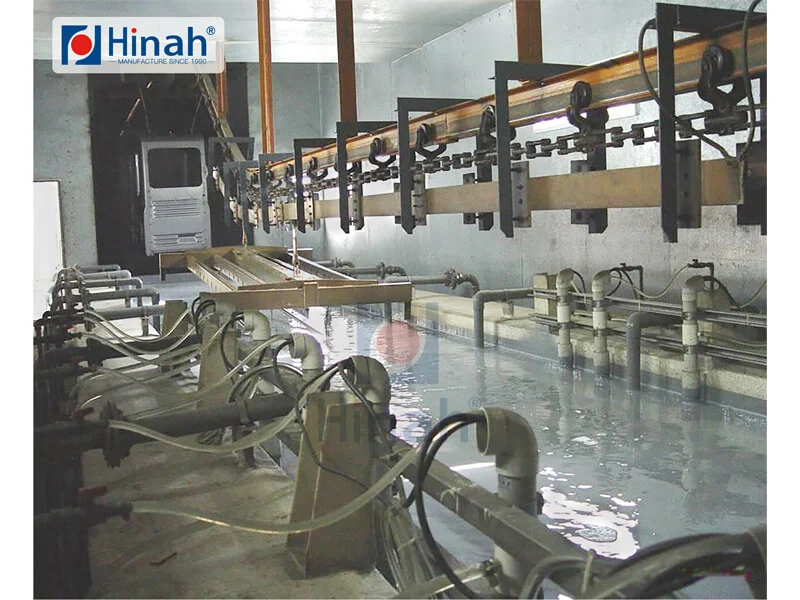
Specifying a Large powder coating oven involves decisions that affect coating quality, energy costs, and production flexibility for the life of the finishing line. Advances in zoning, airflow control, hybrid heating, and digital monitoring have transformed these systems from simple heating chambers into precision thermal processing platforms. Facilities that invest in properly engineered solutions benefit from reduced rework rates, lower energy consumption, and the ability to meet stringent coating warranties. In a manufacturing landscape where coating performance directly impacts product longevity and brand reputation, the large curing oven deserves the same engineering rigor applied to any core production asset.
Q1: What are the typical dimensions and capacities for a large powder coating oven?
A1: While definitions vary, a large powder coating oven generally refers to systems with chamber dimensions exceeding 6 meters in length, 3 meters in width, and 2 meters in height. Batch ovens of this scale can accommodate parts weighing up to 10,000 kg or more. Continuous inline systems may have tunnel lengths exceeding 30 meters, processing components up to 15 meters in length. Capacities are defined by maximum part dimensions, thermal mass, and desired throughput in parts per hour.
Q2: How do you ensure temperature uniformity in an oven that holds such large parts?
A2: Temperature uniformity is achieved through a combination of zoned heating, CFD-optimized airflow design, and strategic placement of recirculation fans. Independent temperature control zones allow different sections of the oven to compensate for part geometry variations. High-velocity air nozzles are positioned to direct heated air into recessed areas and around complex shapes. Regular uniformity surveys using multi-channel data loggers verify that the entire working envelope maintains specified tolerances, typically ±5°C.
Q3: What is the typical energy consumption for a large powder coating oven, and how can it be optimized?
A3: Energy consumption varies widely based on oven size, insulation quality, operating temperature, and throughput. A large batch oven may consume 500,000 to 2 million BTU per hour. Optimization strategies include: upgrading to high-density insulation, installing modulating burners with VFDs, implementing heat recovery systems, and using insulated doors to minimize heat loss during loading. Facilities often achieve 20-30% energy reductions through these retrofits.
Q4: What maintenance procedures are critical for large-scale curing systems?
A4: Critical maintenance includes quarterly inspection of burner assemblies and combustion safety systems (per NFPA 86), monthly verification of fan belt tension and bearing lubrication, and daily checks of door seals and conveyor alignment. Annual tasks should include a full temperature uniformity survey, calibration of all thermocouples and controllers, and inspection of insulation for any signs of thermal degradation or moisture ingress.
Q5: Can a large powder coating oven handle both powder and liquid coating processes?
A5: While primarily designed for powder coating, many large ovens can accommodate liquid-coated parts provided the coating’s solvent flash-off requirements are met. However, liquid coatings often require lower initial temperatures to prevent solvent popping, whereas powder coatings require rapid heat-up for proper flow and cure. A hybrid system with programmable temperature profiles can serve both applications, though venting and solvent-handling considerations must be addressed for liquid coating operations.
Q6: What are the advantages of batch ovens versus continuous tunnel ovens for large components?
A6: Batch ovens offer flexibility for high-mix production with varying part sizes and cure profiles, require lower initial investment, and occupy smaller footprints. Continuous tunnel ovens, conversely, provide higher throughput for consistent part geometries, reduce labor for loading/unloading, and enable integration with inline pretreatment and coating booths. The choice depends on production volume, part variety, and available floor space. Many facilities employ a combination of both types to balance flexibility and efficiency.