
In industrial coating operations, the final stage of thermal processing determines the mechanical durability, chemical resistance, and aesthetic longevity of the finished product. Curing ovens are precision thermal systems designed to initiate and complete the cross-linking reactions in polymer-based coatings—whether liquid paints, powder coatings, or specialty adhesives. The performance of these systems directly impacts production throughput, energy consumption, and first-pass yield. This technical analysis examines the engineering principles, technology variants, and advanced control strategies that define modern curing ovens, providing actionable insights for coating line engineers and operations managers.
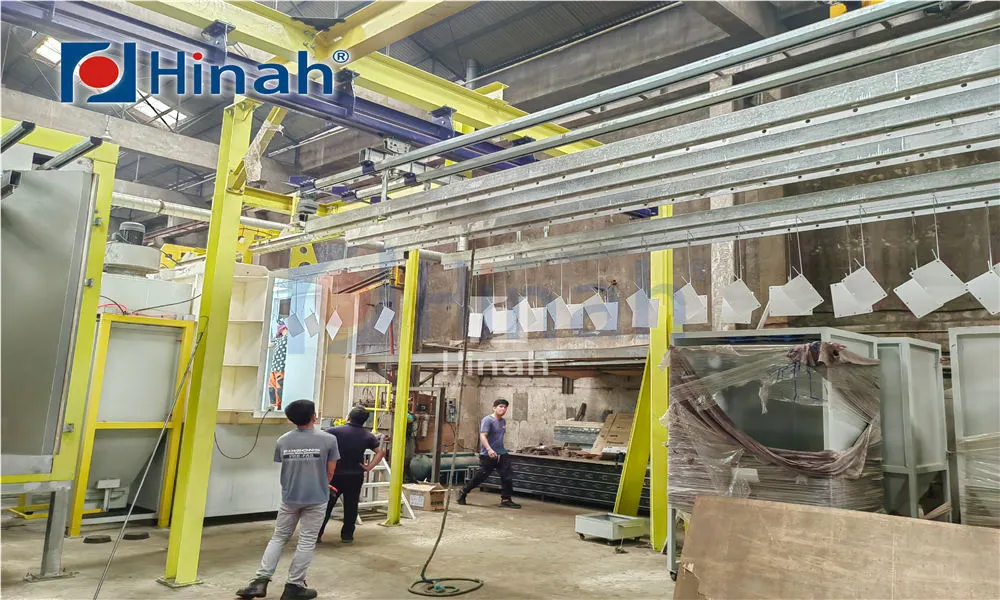
The curing process transforms a thermoplastic film into a thermoset network through controlled application of thermal energy. For powder coatings, this involves melting, flowing, and chemical cross-linking, requiring substrate temperatures typically between 180°C and 200°C for 10 to 15 minutes. Liquid two-component (2K) coatings rely on similar thermal activation to achieve full property development. The critical parameter is not merely air temperature but the actual metal temperature of the substrate, measured through thermocouple profiling. Under-curing results in poor adhesion, reduced impact resistance, and premature coating failure; over-curing leads to color shift, brittleness, and loss of gloss. Advanced curing ovens incorporate multi-zone temperature profiling to manage varying thermal masses across complex part geometries.
Selecting the appropriate curing technology requires balancing line speed, part geometry, coating chemistry, and energy efficiency. Each approach offers distinct advantages and engineering considerations.
Convection systems dominate high-volume finishing lines due to their ability to uniformly heat complex shapes. Heated air is recirculated through strategically placed nozzles and plenums, transferring energy to the coating and substrate. Key engineering parameters include:
Airflow velocity and pattern: High-velocity impingement nozzles disrupt boundary layers, accelerating heat transfer. CFD-optimized designs eliminate stagnant zones.
Recirculation ratio: Typical systems recirculate 80-90% of oven air, significantly reducing energy consumption compared to once-through designs.
Temperature uniformity: Maintaining ±3°C to ±5°C across the entire chamber requires precision balancing of burner modulation and fan speeds.
Infrared systems use electromagnetic radiation to directly heat the coating and substrate surface. They offer rapid response times and are particularly effective for flat panels, high-speed lines, and powder coating gelation stages.
Wavelength selection: Short-wave IR (1.0–1.5 μm) penetrates deeply and is suited for thick substrates; medium-wave IR (2.0–3.0 μm) balances penetration and surface heating; long-wave IR (3.0–10 μm) is absorbed at the surface, ideal for thin coatings.
Zoned control: Independent power control per emitter allows adjustment to part geometry variations.
Energy efficiency: IR systems can achieve 30–50% energy savings compared to convection for suitable applications by heating only the product rather than the entire chamber volume.
Combined systems leverage the strengths of both technologies. Typical configurations place IR zones at the oven entrance for rapid gelation and powder flow, followed by convection zones for thorough cross-linking. This approach reduces overall oven length, lowers energy consumption, and improves finish quality—particularly for thick or thermally massive parts.
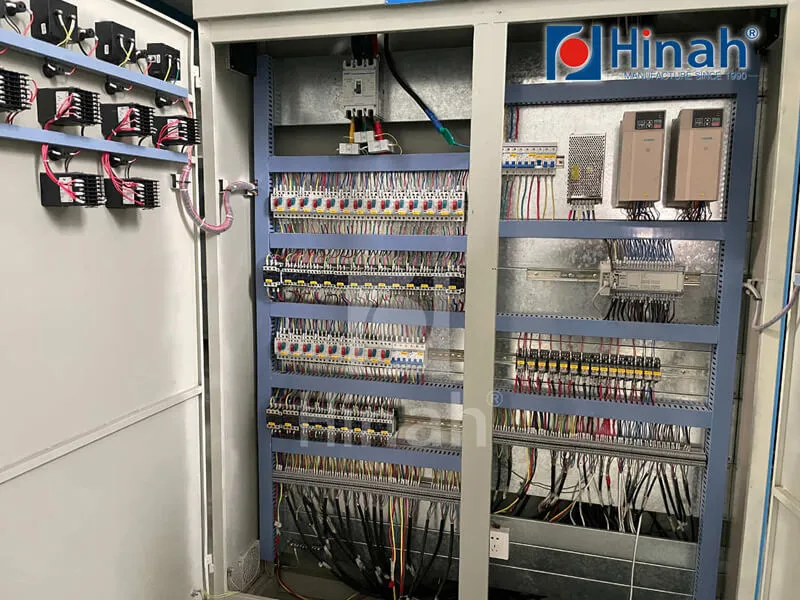
Modern curing ovens have evolved into data-rich assets with integrated control architectures. Key capabilities include:
Multi-point thermocouple profiling: Real-time data from strategically placed sensors enables closed-loop adjustment of zone temperatures and fan speeds.
Predictive maintenance analytics: Monitoring fan vibration, burner flame quality, and conveyor load anticipates failures before they cause downtime.
Traceability and compliance: Full data logging supports quality standards such as ISO 9001, IATF 16949, and CQI-12, with recorded proof that every part achieved required cure parameters.
Digital twin simulation: Virtual modeling of thermal profiles allows recipe optimization without physical testing, reducing setup waste.
Energy costs represent a substantial portion of coating line operational expenses. Strategic design and retrofit measures can reduce consumption by 20–30% without compromising quality.
High-density insulation: Multi-layer mineral wool with thicknesses of 150–200 mm minimizes thermal losses; maintaining skin temperatures below 50°C at 200°C chamber temperature.
Modulating burners with VFDs: Unlike on/off burners, modulating systems match fuel input precisely to demand, eliminating thermal overshoot.
Exhaust heat recovery: Recuperators capture flue gases to preheat combustion air or supply energy to pretreatment washers.
Automated door systems: High-speed vertical-lift doors with pneumatic seals minimize heat loss during loading cycles in batch operations.
Different industrial sectors impose distinct requirements on curing equipment. Understanding these nuances is essential for proper system specification.
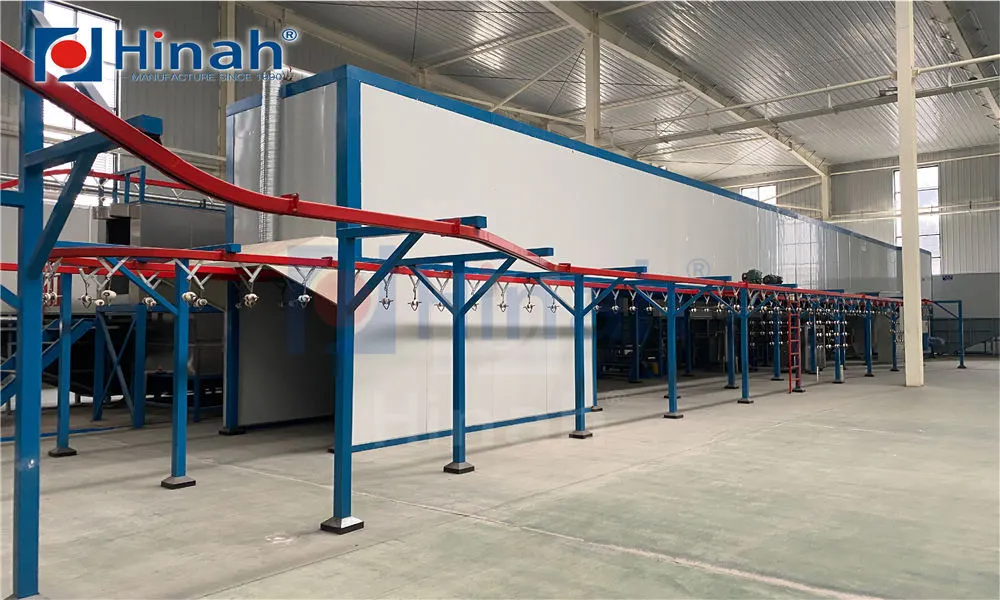
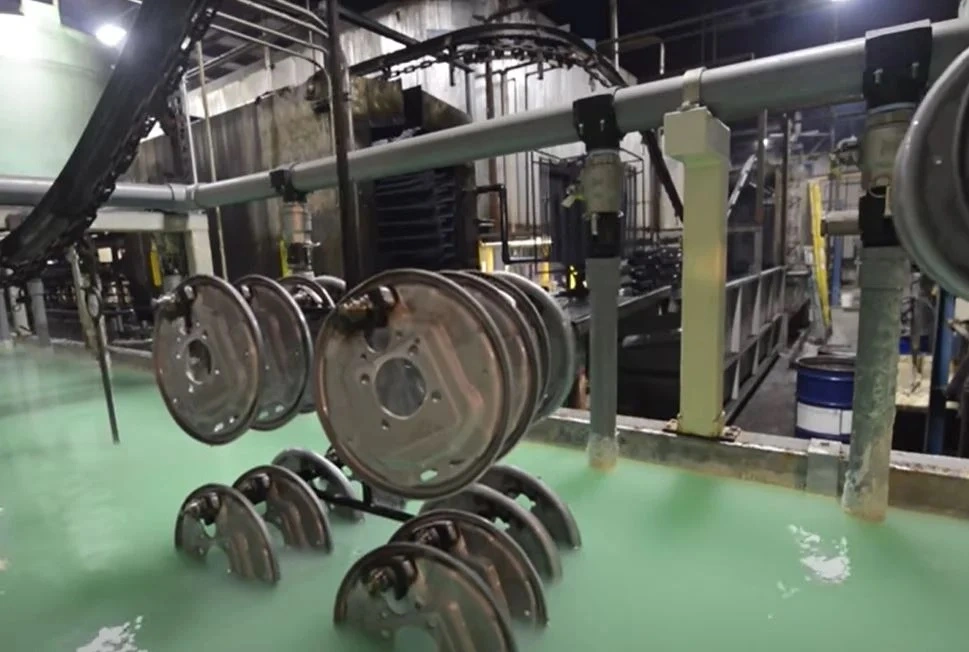
Automotive finishing lines require precise cure profiles for cathodic electrocoat (e-coat) primers, often with 20–30 minute dwell times. Conveyorized tunnel ovens with multiple independent zones maintain uniform temperatures across mixed part sizes. Strict adherence to temperature profiles ensures corrosion resistance meeting 1,000-hour salt spray standards.
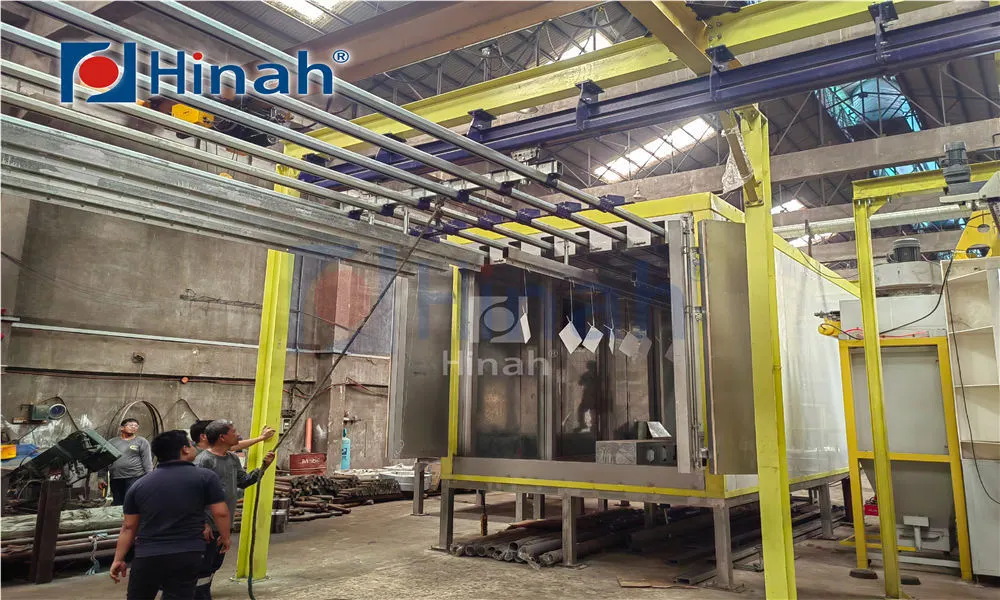
For building facades and window profiles, coating uniformity and color consistency across lengths exceeding 6 meters are non-negotiable. Vertical curing ovens with stratified airflow zones maintain consistent conditions along the entire extrusion length. Polyester-based powder coatings require precise cure cycles to achieve weatherability standards such as AAMA 2604.
Large, heavy-gauge components such as tractor frames and crane booms present challenges related to thermal inertia. Batch ovens with ramp-and-soak programming allow heat to propagate uniformly through thick sections. High-volume air recirculation ensures that weldments and enclosed cavities reach cure temperature without localized over-heating.
Designing and integrating high-performance curing ovens requires specialized expertise in thermal dynamics, airflow engineering, and controls integration. HANNA provides custom-engineered solutions tailored to specific production environments—from initial thermal modeling through fabrication, installation, and commissioning. Their portfolio includes convection, infrared, and hybrid systems, all incorporating advanced insulation, zoned temperature controls, and integrated data acquisition platforms. By aligning oven design with throughput targets and coating specifications, HANNA ensures that the curing stage becomes a reliable, energy-efficient component of the finishing line.
Industry pressure to reduce energy consumption and carbon footprint is driving innovation in curing technology. Low-temperature powder coatings that cure at 160°C rather than 200°C reduce energy use by approximately 20% and enable coating of heat-sensitive substrates. Electrically heated IR ovens offer a path to decarbonization where natural gas infrastructure is constrained. Additionally, improved insulation materials and heat recovery systems continue to push the boundaries of thermal efficiency. Facilities that adopt these technologies early gain competitive advantage through reduced operating costs and alignment with corporate sustainability goals.
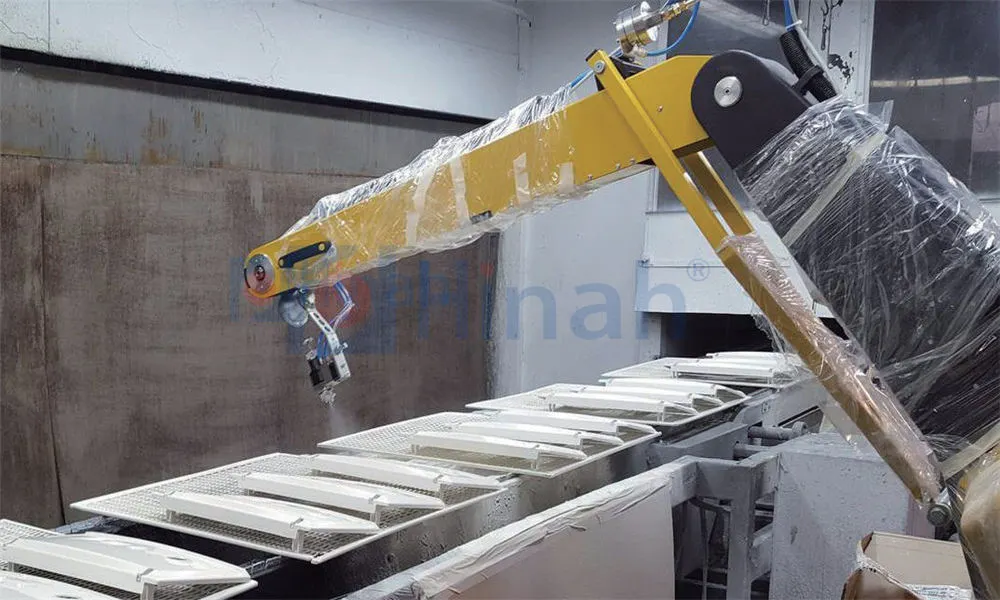
Curing ovens represent a critical investment in any industrial coating line. The choice of technology—convection, infrared, or hybrid—combined with robust process controls and energy-efficient design directly impacts coating quality, production throughput, and operational costs. Advances in zoning, airflow optimization, and digital monitoring have transformed these systems from simple heating chambers into precision thermal processing platforms. For manufacturers seeking to improve first-pass yield, reduce energy consumption, and meet stringent coating warranties, engineering-grade curing systems offer measurable returns over the equipment lifecycle.
Q1: What is the difference between a drying oven and a curing oven?
A1: Drying ovens remove solvents or water from coatings through evaporation—a physical process. Curing ovens initiate chemical cross-linking reactions (polymerization) that fundamentally change the coating’s molecular structure, creating a thermoset network. While some curing processes include an initial drying stage, true curing requires precise time-at-temperature conditions to achieve full property development.
Q2: How do I determine the correct oven size for my production requirements?
A2: Oven sizing depends on three factors: maximum part dimensions, throughput (parts per hour), and thermal mass. For batch ovens, calculate the chamber volume needed to accommodate the largest part with adequate clearance for airflow. For continuous ovens, determine required tunnel length based on line speed and dwell time. A thermal analysis—considering substrate material thickness and coating cure requirements—is essential to ensure adequate heat transfer capacity.
Q3: What is temperature uniformity, and why does it matter?
A3: Temperature uniformity refers to the consistency of temperature across all points within the oven chamber during operation. Poor uniformity (±10°C or more) leads to inconsistent cure—some areas under-cured (poor adhesion) and others over-cured (color shift). Industry standards such as CQI-12 require uniformity within ±5°C for powder coating operations. Regular uniformity surveys using multi-channel data loggers verify compliance.
Q4: Can I use the same oven for both powder coating and liquid painting?
A4: Yes, provided the oven has programmable temperature profiles that accommodate the different requirements of each coating type. Powder coatings typically require rapid ramp-up to 180–200°C, while liquid paints may require a lower initial temperature to allow solvent flash-off before full cure. However, liquid painting introduces volatile organic compounds (VOCs) that require proper ventilation and solvent-handling systems not typically present in powder-only ovens. Hybrid facilities often maintain separate curing equipment to avoid cross-contamination and ensure process control.
Q5: What maintenance schedule is recommended for industrial curing ovens?
A5: A proactive maintenance program includes daily checks of door seals, conveyor chain tension, and safety interlocks. Weekly tasks involve cleaning air filters, inspecting burner flame quality, and verifying thermocouple accuracy. Monthly, perform combustion system analysis, check fan belt tensions, and inspect insulation for degradation. Annually, conduct a full temperature uniformity survey and recertify combustion safety systems per NFPA 86 standards.
Q6: How can I improve the energy efficiency of an existing curing oven?
A6: Several retrofit strategies deliver measurable energy savings: 1) Install variable frequency drives (VFDs) on recirculation fans to optimize airflow. 2) Upgrade insulation—adding high-density panels and improving door seals. 3) Integrate a heat recovery system to capture exhaust gases for preheating fresh air or pretreatment washers. 4) Implement zone controls and programmable recipes to avoid overheating during idle periods. Facilities typically achieve 15–25% reduction in energy consumption through these upgrades.