
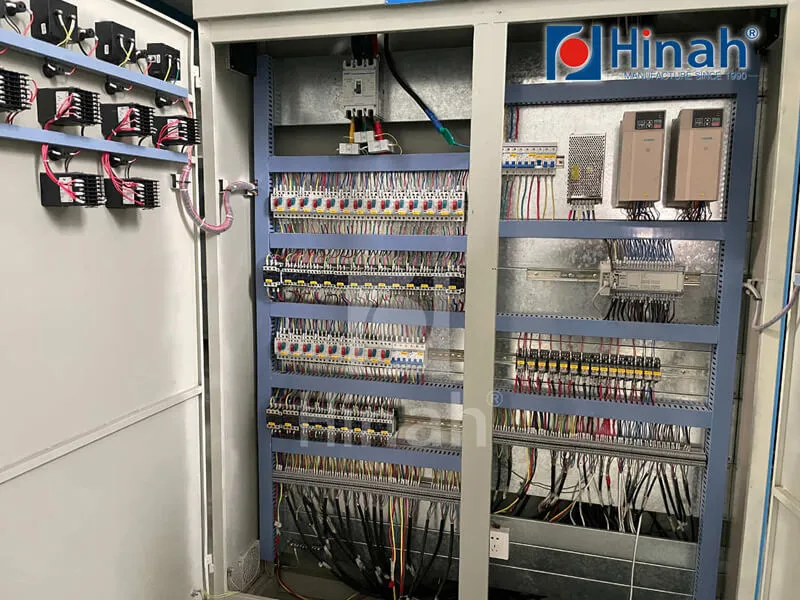

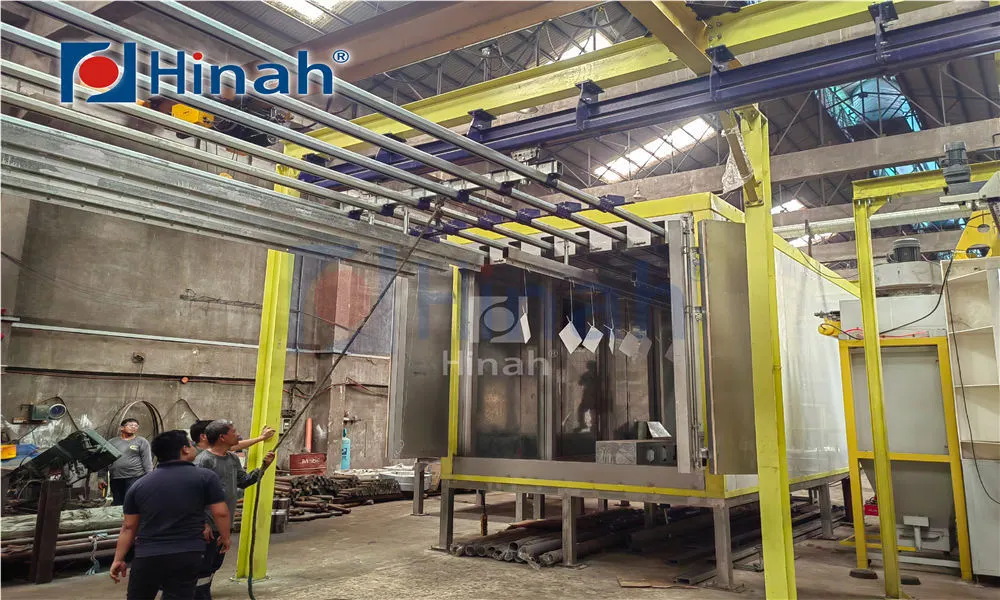
Selecting or retrofitting a powder coating plant requires more than comparing quotations. For finishing lines targeting automotive, architectural, or industrial sectors, the interplay between pretreatment chemistry, spray booth aerodynamics, curing oven zoning, and conveyor synchronization directly determines first-pass yield and energy cost per square meter. Drawing from decades of on-site commissioning across Europe and Asia, this guide breaks down the engineering decisions that separate a world-class facility from a maintenance-heavy line. We will reference proven configurations from HANNA, whose integration philosophy focuses on measurable OEE improvements.
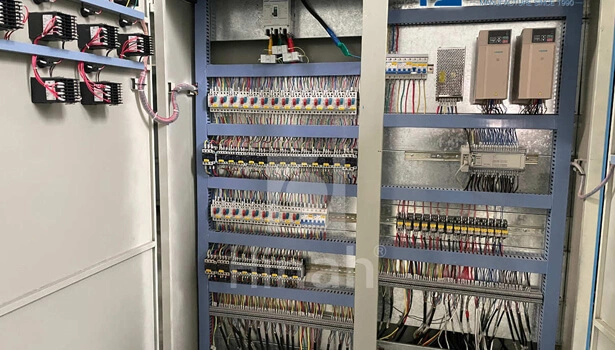
1. Core Modules of a Professional Powder Coating Plant
Every powder coating plant is a system of interconnected stations. Compromising on any sub-system introduces bottlenecks. Below are the critical modules based on industrial standards (ISO 12944, GSB, Qualicoat).
1.1 Pretreatment System – The Invisible Success Factor
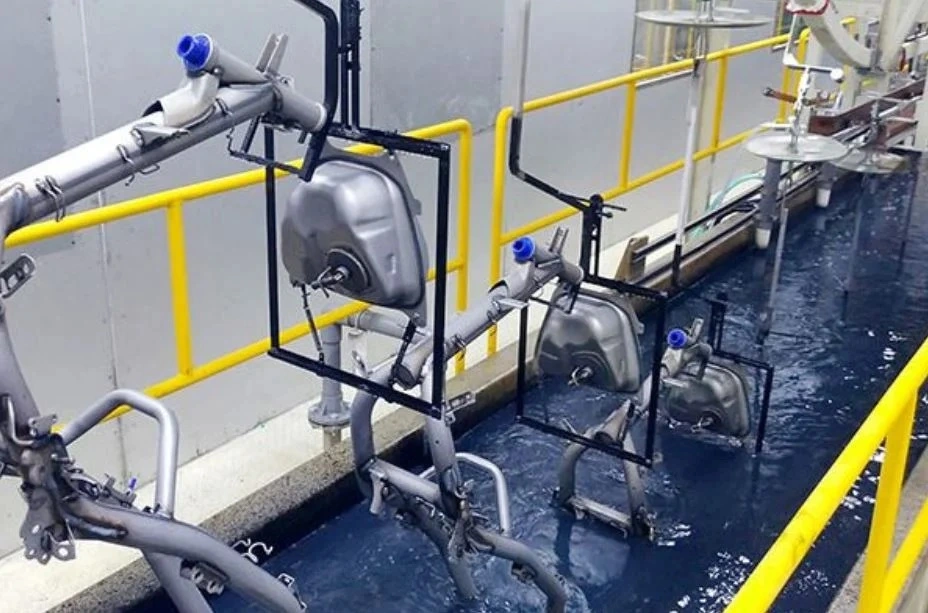
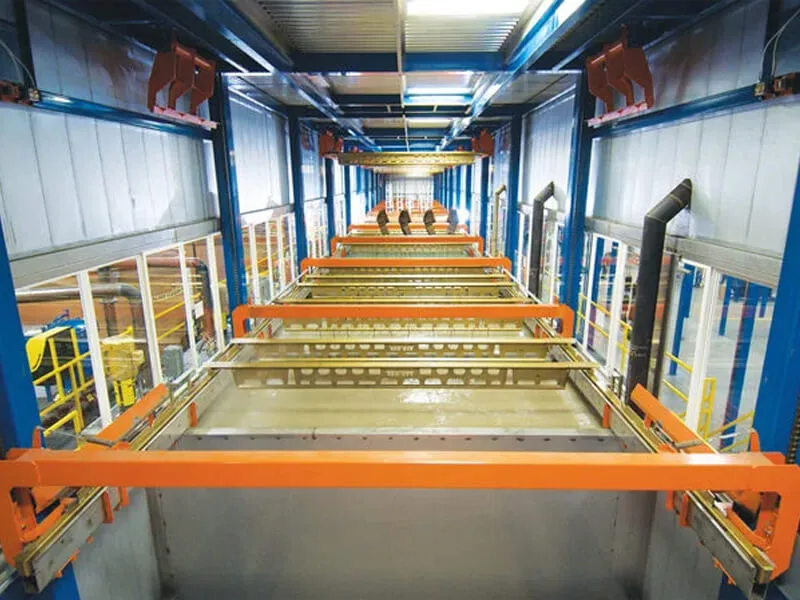
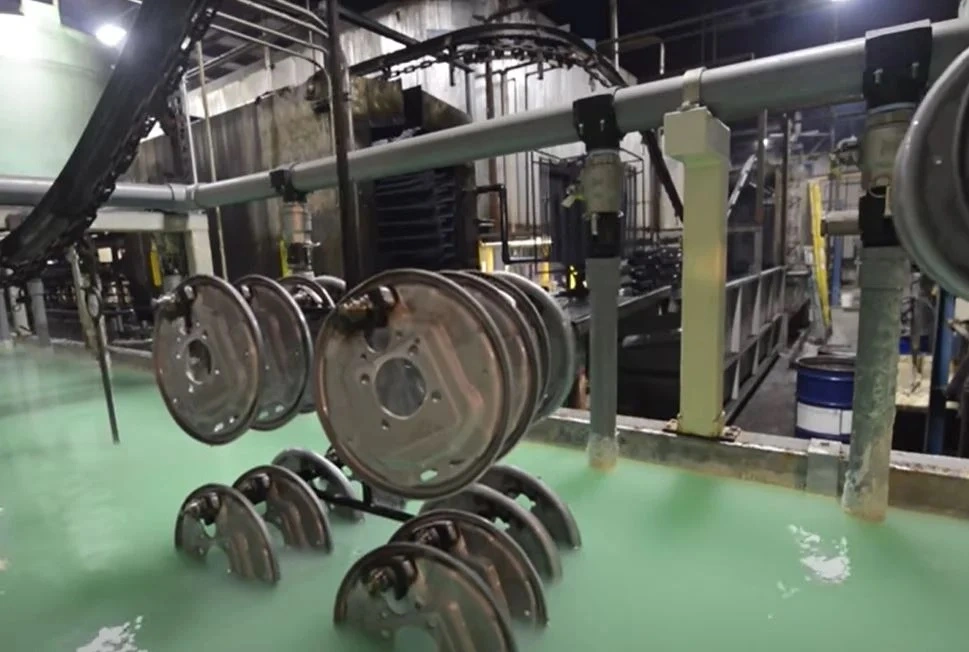
Over 60% of coating failures originate from poor cleaning or conversion coating. A robust pretreatment system includes multi-stage spray washers or immersion tanks. For ferrous substrates, nano-ceramic or zirconium-based chemistries replace traditional iron phosphate, offering lower sludge and ambient-temperature operation. Aluminum profiles require chromium-free titanium-zirconium plus a sealed rinse. Conveyor speed dictates dwell times: a 5 m/min line needs at least 3 minutes of chemical activation. HANNA typically integrates real-time conductivity probes and automatic chemical dosing to maintain bath stability, reducing reject rates by 35% in recent installations.
1.2 Powder Application Booth & Corona Charging Technology
The booth’s airflow design prevents cross-contamination and ensures operator safety. Modern powder application booths use full-length cartridge filters with pulse-jet cleaning. For complex geometries, overcoming the Faraday cage effect demands adjustable electrostatic parameters: kV (60–100 kV) and µA (20–80 µA). Automatic guns with reciprocators should maintain a 200–300 mm spray distance. When processing mixed product batches, a color change booth with smooth walls, quick-release floors, and integrated blow-off nozzles reduces changeover from 45 minutes to under 10 minutes. Tribo charging (friction-based) remains an option for recoating or high-film applications where electrostatic breakdown occurs.
1.3 Curing Oven – Thermal Uniformity as a Metric
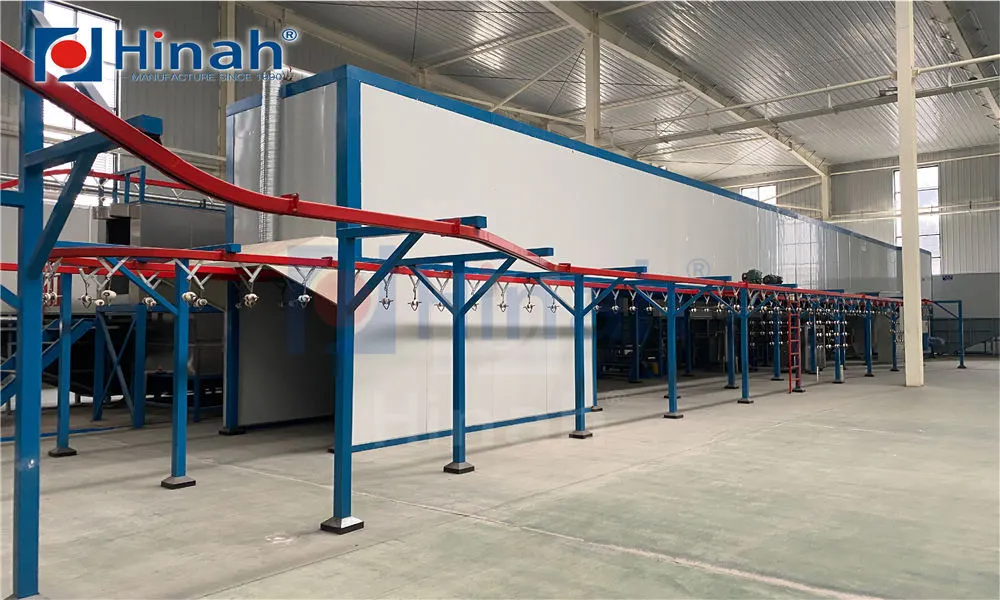
Gas-fired or electric infrared/convection ovens must achieve substrate temperature (typically 180–200°C for 10–15 minutes for polyester TGIC or epoxy-polyester hybrids). Zoned ovens with independent burners and PT100 sensors every 4 meters along the tunnel prevent under-cure (poor adhesion, low chemical resistance) and over-cure (brittleness, yellowing). A well-designed curing oven uses an air seal at entrance/exit to reduce heat loss. Data logging across multiple thermocouples attached to product racks is mandatory for Qualicoat certification. Recirculation ratios of 5:1 achieve temperature uniformity within ±5°C.
1.4 Powder Recovery & Sieving System
Closed-loop recovery maximizes material usage (up to 98% efficiency). Cyclone + cartridge filter tandem: cyclones separate coarse overspray (95% efficiency for particles >10µm), while final cartridge filters capture fines below 5µm. Recovered powder must pass through a powder recovery system with a 140-200 mesh sieve to remove agglomerates and debris. For multi-color operations, dedicated recovery bins per color avoid cross-shading. HANNA’s smart controls auto-adjust fan speeds based on booth load, slashing filter wear by 40%.
1.5 Overhead Conveyor & Load Bar Design
Conveyor indexing directly impacts first-pass quality. Inverted monorail or power-and-free systems allow accumulation. Hanging patterns must avoid “shadow” effects – the ratio of hook length to part width should be >1:2. Variable frequency drives (VFDs) enable slowdown for complex parts without reducing overall line speed. Accumulation zones before the spray booth prevent line stoppages that cause coating sags.
2. Solving Critical Industry Pain Points in Powder Coating Plants
Even a well-specified powder coating plant faces recurring operational issues. Below are root causes and engineered countermeasures from field data.
Faraday cage penetration failure: Sharp internal corners remain uncoated. Solution: dual-voltage generators (e.g., 70kV/40kV switchable) and longer spray distance with reduced powder output. Alternatively, use tribo guns which rely on friction rather than external charging.
Orange peel & pinholes: Typically caused by excessive film thickness (>120µm) or outgassing from porous substrates. Mitigation: automated thickness feedback via laser triangulation controlling gun pass count. Preheating parts to 60°C before application releases trapped air.
Color inconsistency across batches: Often from improper fluidization or hopper refill procedures. Install loss-in-weight feeders to maintain constant powder/air mixture; also calibrate electrostatic kV every shift using a Faraday cup test.
High energy consumption per kg of coated product: Ovens and booth air makeup units account for 70% of utility costs. Retrofit solutions include waste heat recovery from oven exhaust to preheat washer water, plus VFDs on all fan motors. A 15% reduction is typical after implementing these measures.
Slow color change causing line idle: The industry benchmark for a fast-color-change powder coating plant is under 8 minutes. This requires a booth with smooth stainless steel walls, non-stick floor coating, vacuum-assisted cleaning wands, and quick-disconnect powder feed hoses. HANNA’s modular booth design reduces manual cleaning by 70%.
3. Application-Specific Configurations for a Powder Coating Plant
Different industries demand tailored parameters. A generic line yields either over-engineered costs or chronic rejects.
Automotive Alloy Wheels & Trim
Clear coat over base coat: the plant requires two separate powder application booths in series with a flash-off zone. Film thickness: 60-80µm base + 50-70µm clear. Curing: 190°C for 18 minutes metal temperature. Conveyor must handle 500 kg per hanger.
Architectural Aluminum Profiles
Qualicoat class 2 demands a pretreatment with degreasing, etching, and chromate-free conversion coating. Horizontal or vertical powder coating plant? Vertical lines (chain-on-edge) minimize handling marks but require high-bay buildings. Film thickness: 60–100µm. Curing: 200°C for 10 minutes. A cooling tunnel is mandatory before unloading.
Heavy Machinery & Agricultural Equipment
Thick-film (120–200µm) anti-corrosion coatings need two coat applications or a single coat with extended gel time. The plant must integrate a forced-air cooling zone between coats. Conveyor speed is typically 1.5-2 m/min to allow longer oven dwell. Operators need air-fed suits due to high powder loading.
4. Maximizing OEE: Lean Principles Applied to Powder Coating Plants
Overall Equipment Effectiveness (OEE) for a powder coating plant averages 65-75% globally. Top quartile plants achieve 85%+ through three levers:
Availability: Reduce changeover time using quick-release floor panels and gun centering jigs. Implement autonomous maintenance (daily cleaning of booth walls, weekly cartridge filter inspection).
Performance: Monitor line speed vs. scheduled speed using shaft encoders. Any deviation >2% triggers an alert for conveyor slip or gun clogging.
Quality: Inline thickness measurement using non-contact eddy current sensors on sample parts every 30 minutes. Also, a monthly cross-cut adhesion test per ASTM D3359.
HANNA’s proprietary SCADA module provides real-time OEE dashboards and predictive alerts for hopper low-level or filter pressure drop, directly linked to the customer’s ERP system.
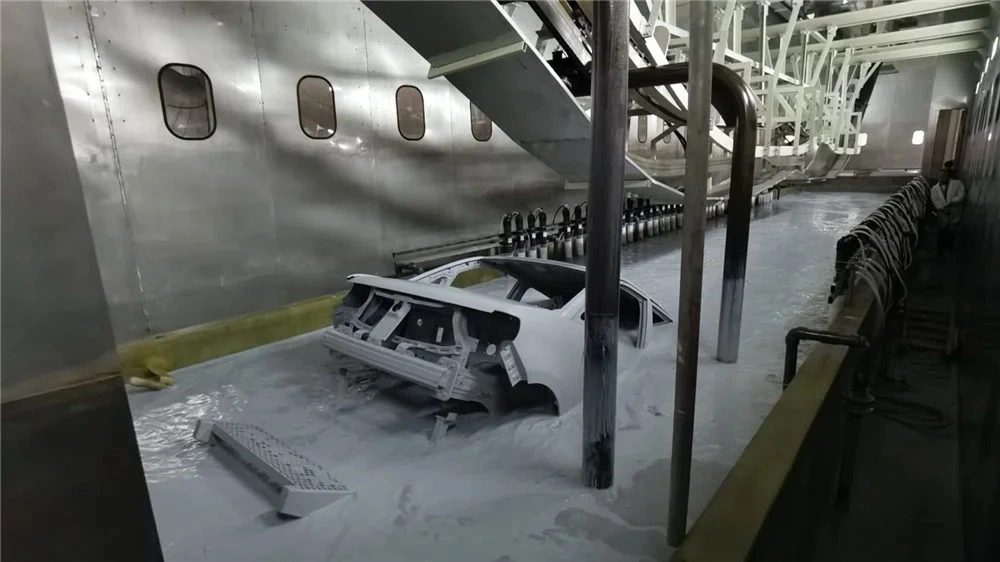
5. Future-Proofing Your Powder Coating Plant: Sustainability & Low-Temperature Curing
Regulatory pressure (VOCs near zero, but energy reporting) and buyer ESG requirements drive innovation. The next generation of powder coating plants will integrate:
Low-temperature cure powders (130–150°C), reducing gas consumption by 35%. This requires ovens with higher recirculation rates and IR boosters at entrance.
Wastewater-free pretreatment: dry mechanical blasting combined with plasma treatment for adhesion. Already used in high-end electronics coating.
Artificial intelligence for gun trajectory optimization: cameras detect uncoated areas and adjust gun paths automatically, saving 15% powder.
Solar thermal preheating of washwater and combustion air for ovens.
HANNA already offers retrofit packages for low-cure integration, including oven burner modifications and control software upgrades, with validated payback under 18 months for high-throughput lines.
Frequently Asked Questions (FAQ) – Powder Coating Plant Engineering
Q1: What is the typical footprint required for a medium-capacity
powder coating plant (500,000 m²/year)?
A1: For a continuous
conveyor system with 5-stage washer, manual touch-up booth, automatic booth with
8 guns, curing oven (20m length), and cooling zone, the building area is
approximately 750-900 m² (including 2.5m safety aisles). Batch plants require
less length but more width for forklift maneuvering. HANNA provides 3D layout
simulations before concrete pouring.
Q2: How do I calculate payback on installing a fast-color-change
powder coating plant?
A2: Assume current color change takes 50
minutes, occurring 4 times per shift. Labor loss: 3.3 hours per shift @ $60/hour
= $198/shift. A new booth reducing change to 10 minutes saves $158/shift. For 2
shifts/day, 220 days/year = $69,520 annual labor savings plus 8% extra
production capacity. Most users achieve ROI in 12-18 months.
Q3: Can I convert my existing liquid paint line into a powder coating
plant?
A3: Yes, but critical modifications include: replacing the
paint booth with explosion-proof powder booth (Class II Div 1), installing a
powder recovery system, upgrading the oven to achieve higher temperature
uniformity (liquid ovens often have cold spots), and adding grounding for all
conveyor hangers. The washer and conveyor are often reusable. HANNA offers
conversion feasibility audits.
Q4: What certifications should my powder coating plant comply with
for automotive supply?
A4: IATF 16949 (quality management), ISO
14001 (environmental), and specific customer standards like VDA 6.3.
Additionally, the coating process must meet ASTM B117 (salt spray: >1000h for
automotive chassis) and GM 4298P for stone chip resistance. Your equipment
supplier should provide validation protocols.
Q5: How often should cartridge filters in the powder recovery system
be replaced?
A5: Under normal operation (8,000 hours/year, 70%
overspray recovery), polyester-cellulose cartridges last 12-18 months. Signs of
replacement: pressure differential across filters exceeds 800 Pa at nominal
airflow, or powder carryover to exhaust stack visible. Annual preventive
replacement is recommended for high-color-change plants due to contamination
risk.
Next Steps for Your High-Performance Powder Coating Plant
Designing or upgrading a powder coating plant requires balancing capital expenditure against lifetime consumables, energy, and reject rates. The engineering choices – from pretreatment chemistry to oven zoning and color change logistics – directly impact EBITDA. With over 120 integrated lines delivered globally, HANNA specializes in data-driven process guarantees (first-pass yield >92%, changeover <8 min). Our team provides on-site commissioning and operator training using your actual product mix.
Ready to discuss your production targets and existing constraints? Send us your part drawings, required annual output, and substrate types. We will return a technical proposal including line layout, OEE projection, and firm energy consumption estimates.
Request a professional powder coating plant consultation from HANNA engineers – include your line capacity and current top three quality issues.