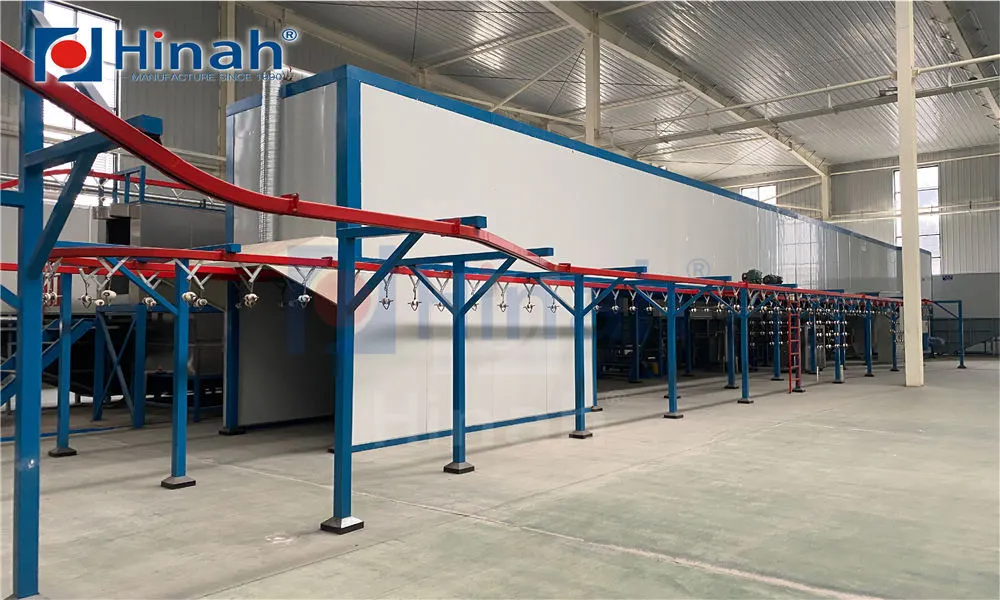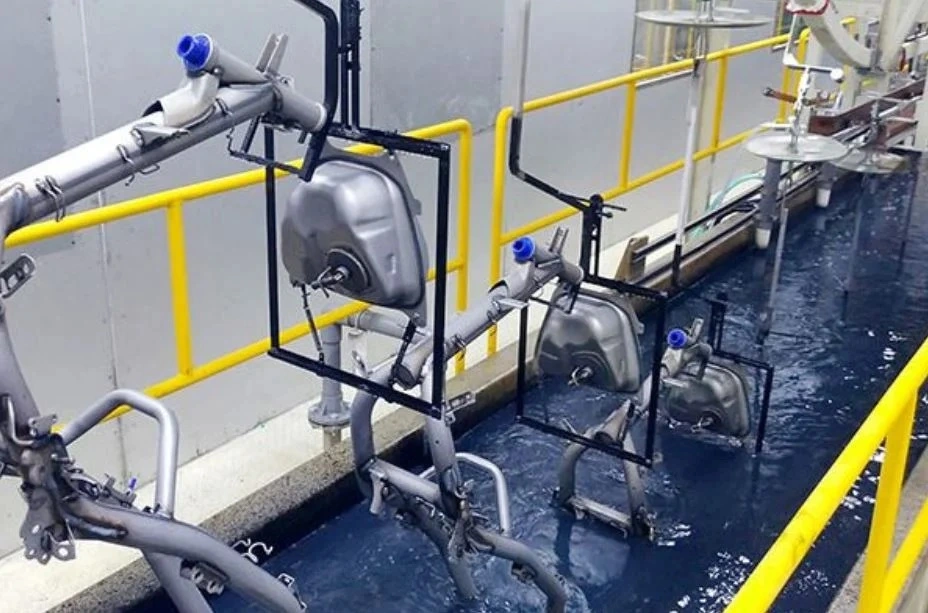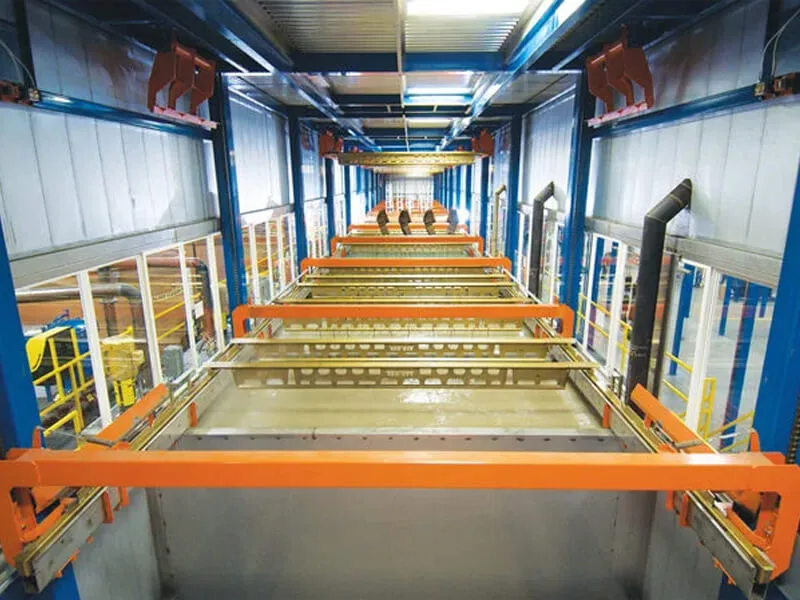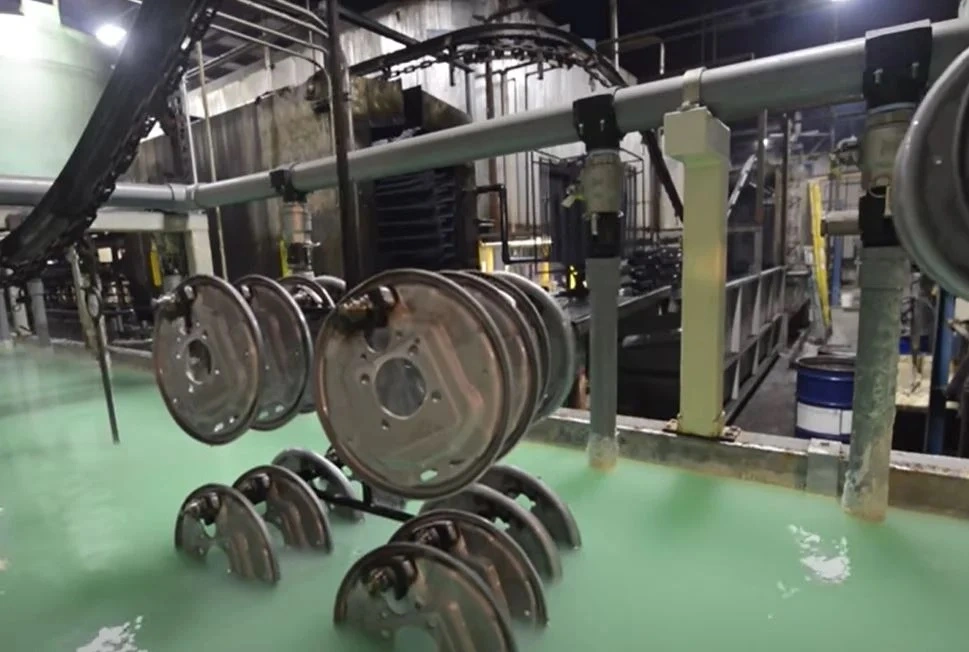

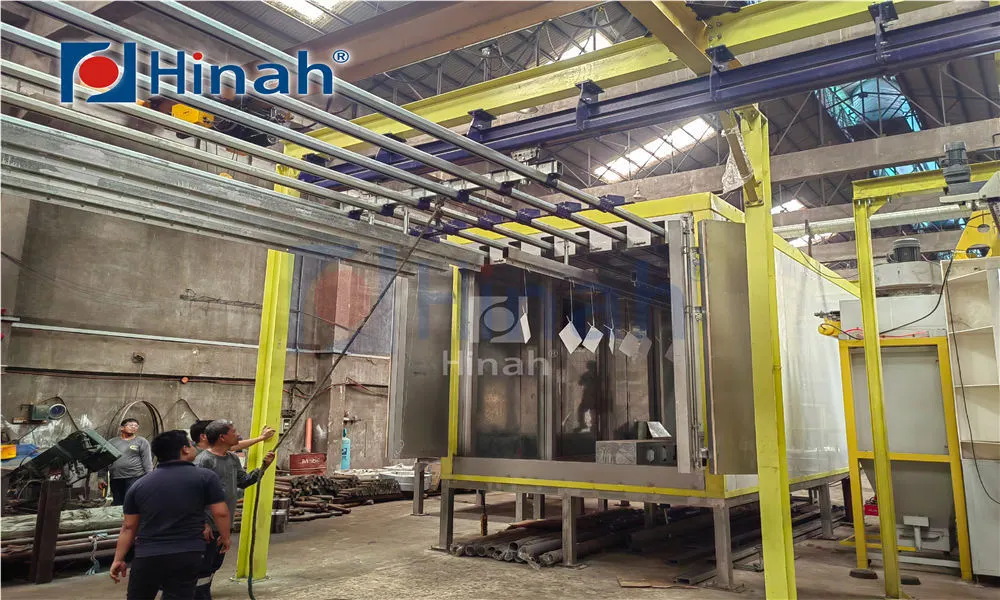
In any powder coating curing oven, the difference between a durable, high-appearance finish and a field failure comes down to precise thermal management. Unlike liquid coatings that air-dry, powder coatings require a controlled melt, flow, and cross-linking reaction—typically at metal temperatures of 180–200°C for 10–20 minutes. Even ±5°C deviations at the part surface can lead to poor adhesion, orange peel, or loss of mechanical strength. This article provides a component-level breakdown of curing oven technologies, diagnostics for common defects, and a framework for reducing energy intensity. Data and real-world integration insights come from HANNA projects across the automotive, architectural, and heavy equipment sectors.
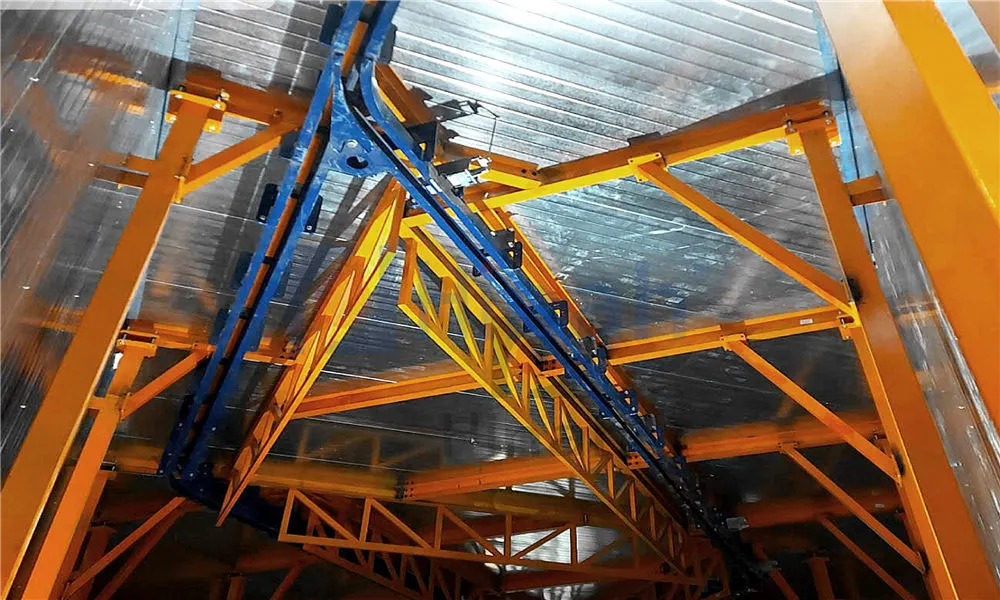
Selecting the correct powder coating curing oven geometry and heat source determines your line's throughput capability, footprint, and operating cost. Three dominant configurations exist, each with distinct thermal characteristics.
These ovens rely on heated air circulated by high-volume fans. They are the most common for mixed-product lines because they evenly heat complex geometries without shadowing effects. Key engineering parameters include:
Air turnover rate: 10–20 volume changes per minute ensures temperature uniformity of ±3°C across the working zone.
Burner modulation: Modern units use proportional gas valves with 10:1 turndown ratios to avoid temperature overshoot.
Insulation thickness: 150 mm of rockwool (density 128 kg/m³) reduces shell losses to below 5% of total input.
Convection ovens have higher thermal mass, meaning longer ramp-up times but excellent stability once at setpoint. For thick metal parts (≥5 mm), they are preferred because they allow the core to reach gel time without surface overheating.
IR ovens use medium-wave (2.5–3.5 µm) or short-wave (1.0–1.5 µm) emitters. They transfer energy directly to the part without heating the air, dramatically reducing start-up time. However, line-of-sight limitations mean complex parts may have cold spots. Typical applications include:
Thin sheet metal (≤1.5 mm) where rapid heating avoids over-penetration.
Multi-color lines requiring quick zone switching.
Space-constrained retrofits (IR zones are 1/3 the length of convection zones).
Modern hybrid designs place IR boosters at the convection oven entrance to quickly raise part surface temperature to the powder flow point, then let convection complete the cure. This reduces total oven length by 40%.
This configuration uses a short IR tunnel followed by a longer convection chamber. The IR section brings the powder to a “gel” state (100°C surface temperature) in 30–60 seconds, preventing powder blow-off from air turbulence. The convection section then provides the soak time needed for full cross-linking. Data from HANNA installations show hybrid ovens reduce energy consumption per part by 28% compared to pure convection designs.
The most common source of coating defects is not oven setpoint deviation but part-to-part and intra-part temperature variance. A powder coating curing oven must be characterized using a thermal profiling system (also called a temperature data logger) with at least 6 thermocouples attached to representative parts. Key acceptance criteria per ISO 14654:
Maximum temperature spread across a single part: ≤8°C.
Temperature variation from part to part on same rack: ≤5°C.
Ramp rate from ambient to gel temperature: 1.5–3°C per second (slower rates allow more flow; faster rates risk outgassing).
Soak time at cure temperature: must achieve a “cure index” of at least 95% as measured by differential scanning calorimetry (DSC).
Without profiled data, finishers often set oven temperatures artificially high (e.g., 210°C setpoint to ensure a cold corner reaches 190°C). This over-cures 90% of the part area, causing brittleness and discoloration. A proper profiling exercise typically reduces setpoint by 10–15°C and cuts gas consumption by 12–18%.
Ovens represent 60–75% of a powder coating plant’s total energy bill. Implementing the following measures can yield rapid payback.
Recuperative air-to-air heat exchangers: Extract heat from exhaust stream (typically 150–180°C) and pre-heat fresh combustion air. Recover 45–55% of exhaust enthalpy.
Variable frequency drives (VFDs) on circulation fans: Reduce airflow during low-production shifts (nights/weekends). A 20% speed reduction cuts fan power by approximately 50%.
Curtain air seals at entrance/exit: Nozzle arrays that project a high-velocity air screen reduce cold air infiltration from the plant floor. Typical savings: 8–12% of natural gas.
Multi-zone temperature control: Independent zones allow turning off burners in empty sections (indexing conveyor systems).
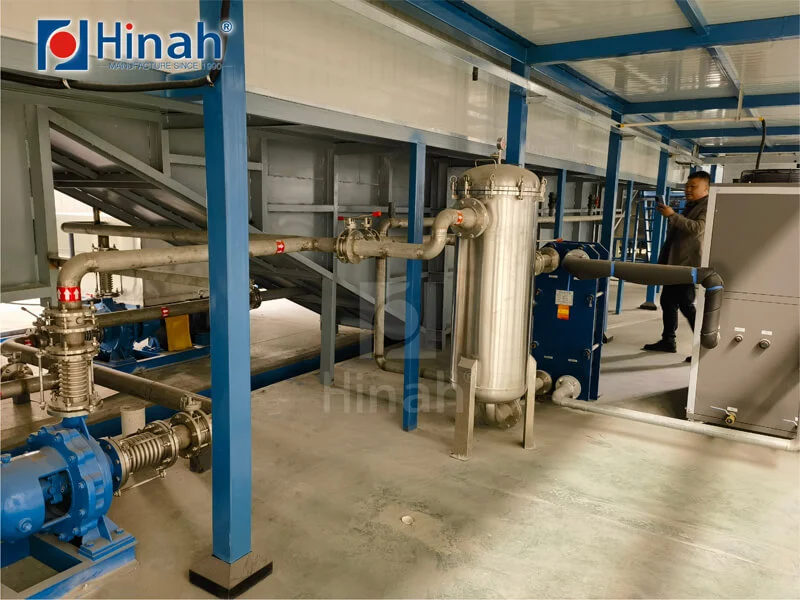
Catalytic oxidizers with heat recovery: For lines with high solvent residue or dense-phase powder, an oxidizer cleans VOC-laden exhaust and can transfer heat back to the oven via a thermal fluid loop.
One HANNA client in the agricultural implement sector reduced their curing energy intensity from 1.2 kWh/m² to 0.73 kWh/m² after retrofitting a recuperator and VFDs, with a payback period of 11 months.
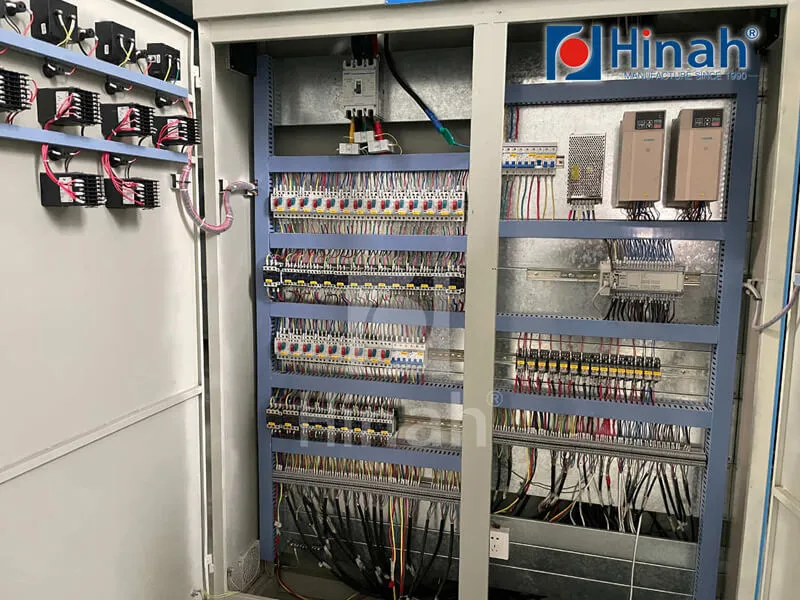
Modern powder coating curing oven lines integrate with the plant’s MES (Manufacturing Execution System). Key data points collected include:
Temperature at 3 points (entrance, middle, exit) per zone.
Burner firing rate and flame signal strength.
Oven pressure differential (slightly positive pressure prevents dust infiltration).
Exhaust stack O₂ and CO (to monitor combustion efficiency).
IIoT gateways transmit this data to a cloud dashboard where machine learning models predict filter clogging, fan bearing wear, or burner inefficiency. When a deviation is detected (e.g., temperature spread exceeds 6°C), the system sends an alert to maintenance with a suggested root cause—such as “zone 2 recirculation damper stuck.” This predictive approach reduces unplanned downtime by 40%.
Below is a diagnostic table based on HANNA field service records from 120 oven audits. Each defect is linked to a likely thermal root cause and solution.
Orange peel (excessive surface texture): Incomplete flow due to insufficient surface temperature (<170°C for epoxy-polyester hybrids). Solution: Increase setpoint by 5°C or extend soak time by 2 minutes. Confirm with profiler that part reaches flow temperature for at least 3 minutes.
Pinholes / outgassing: Ramp rate too rapid (>3°C/sec) causing entrapped air to expand and explode through the molten film. Solution: Add a “pre-heat zone” at 120°C for 2 minutes to allow slow outgassing.
Poor impact resistance (reverse impact failure): Under-cure (conversion below 85%). Solution: Verify oven air velocity patterns – often parts in the center of the conveyor receive lower airflow. Add baffles or a cross-flow fan.
Yellowing (white or light colors): Over-cure due to temperature exceeding 215°C or extended soak >25 minutes. Solution: Reduce setpoint and calibrate thermocouples (drift is common after 3 years).
Non-uniform gloss (mottled appearance): Uneven part temperature caused by shadowing from racking. Solution: Re-design hangers to maintain 200 mm clearance; add infrared booster at oven entrance to pre-heat heavy sections.
Different product families demand tailored powder coating curing oven designs. Examples below.
Continuous monorail ovens with a “U” shape to maximize length within a given footprint. Use low-velocity nozzles to prevent powder blow-off from wheel windows. Typical cure: 190°C for 15 minutes metal temperature.
Horizontal “walking beam” ovens with end-to-end airflow. Due to high thermal mass of aluminum, a two-zone approach: first zone at 220°C air temperature to quickly raise thin walls, second zone at 180°C for controlled soak.
Batch (box) ovens for large components (e.g., excavator booms). These use high-velocity burners with recirculation to achieve uniform temperature despite varying mass. A thermal profiling run with parts at three different load densities is mandatory to set an optimal soak schedule.
Q1: How often should I perform a temperature uniformity survey (TUS)
on my curing oven?
A1: At minimum annually, but
HANNA recommends a TUS every six months for high-volume lines
(≥4000 hours/year). Additionally, after any modification to the oven lining, fan
adjustments, or burner changes. A TUS records data from 12 to 18 thermocouples
for one full loaded cycle.
Q2: Can I use a standard industrial oven for powder coating cure, or
do I need a specialized design?
A2: Standard ovens often lack the
air velocity, uniform heating profile, and temperature ramp control required for
consistent powder cure. Powder coating formulations are highly sensitive to
temperature gradients. Retrofitting a standard oven with high-volume circulation
fans and control logic is possible, but we see better results with ovens
designed specifically for powder – including features like blow-off protection
and zone isolation.
Q3: What is the effect of conveyor speed changes on oven
performance?
A3: Any speed change alters the residence time. If you
increase speed by 20%, you must either raise the temperature (typically +12°C
per minute of lost soak time) or add additional heating zones. The relationship
is not linear because powder cure follows an Arrhenius reaction. Always
re-profile after major speed adjustments.
Q4: How do I validate that my powder has reached the required degree
of cure without expensive lab equipment?
A4: Two field methods: (1)
MEK double rub test – a standard methyl ethyl ketone rub (50 double rubs) checks
cross-linking; (2) Film thickness and pencil hardness test. However, these are
indications, not absolute. For certification (e.g., Qualicoat, AAMA), you still
need periodic DSC testing. A handheld near-infrared (NIR) spectrometer can give
a real-time cure index reading directly on the part, though it is a
$15,000–$25,000 investment.
Q5: My oven is energy-intensive – what’s the single most
cost-effective retrofit?
A5: Sealing the entrance/exit with
automatic doors or air curtains. In a typical 3-meter wide walk-in oven,
infiltration losses can account for 30% of gas consumption. Adding a
high-velocity air curtain (2,000 CFM at 60 m/s) reduces infiltration by 85%.
Cost is roughly $12,000–$18,000, with a payback of 6–10 months depending on
local gas price.
Q6: How do IR and convection ovens compare regarding maintenance and
part changeover?
A6: IR ovens have no moving parts (except
contactors) and immediate response – ideal for frequent color or part changes.
However, quartz emitter life is 8,000–10,000 hours, and replacement can be
costly. Convection ovens have fans, bearings, and dampers that require quarterly
greasing and annual belt inspection. For mixed high-variability lines, the
flexibility of IR often justifies its higher operating cost.
Every powder coating curing oven line has untapped potential – whether it is reducing energy intensity, eliminating rework, or increasing throughput. HANNA provides a comprehensive thermal efficiency audit that includes:
On-site temperature profiling with a 12-channel data logger.
Combustion analysis (O₂, CO, stack temperature).
Air velocity mapping (using a vane anemometer with data logging).
List of actionable retrofits with ROI projections.
Send your current oven specifications (length, fuel type, part sizes, average weekly output) to our engineering team. We will deliver a custom report within 7 business days, including an energy savings guarantee.
Inquiry form: https://www.autocoatinglines.com/contact
Direct
line for technical discussion:+86 186 3393 1770 (ask for thermal
process group)