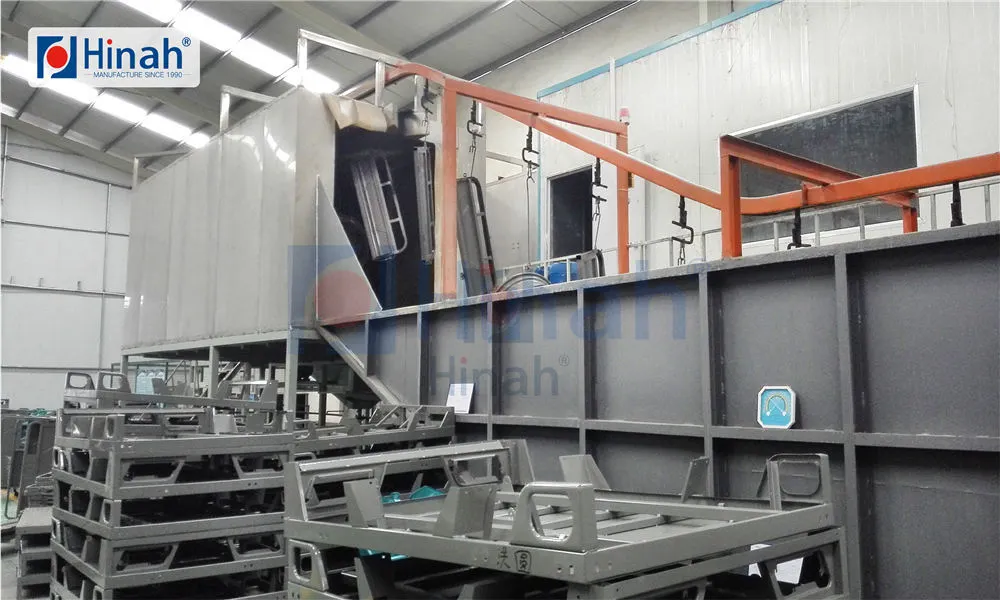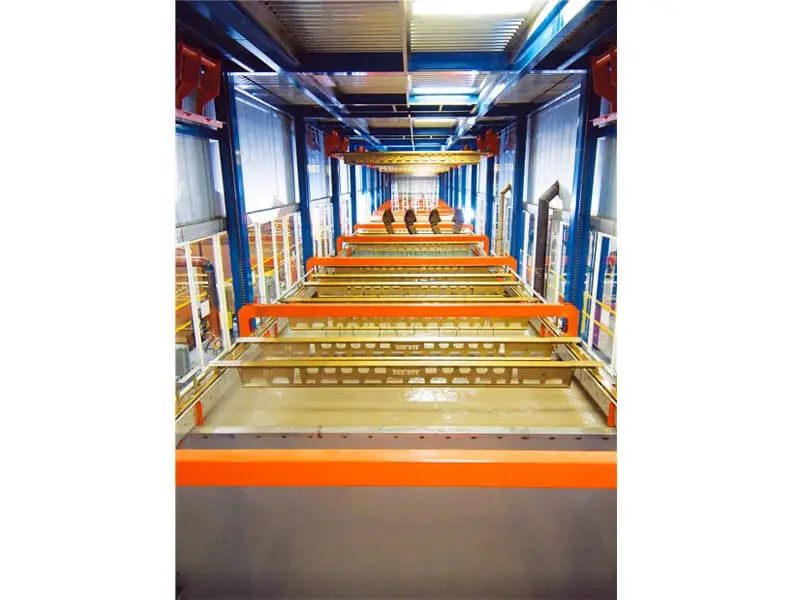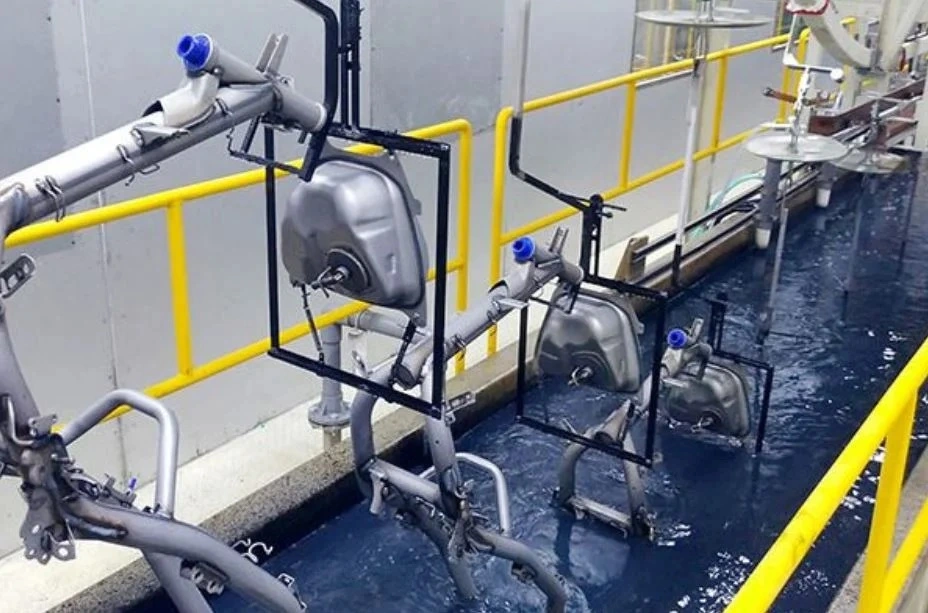

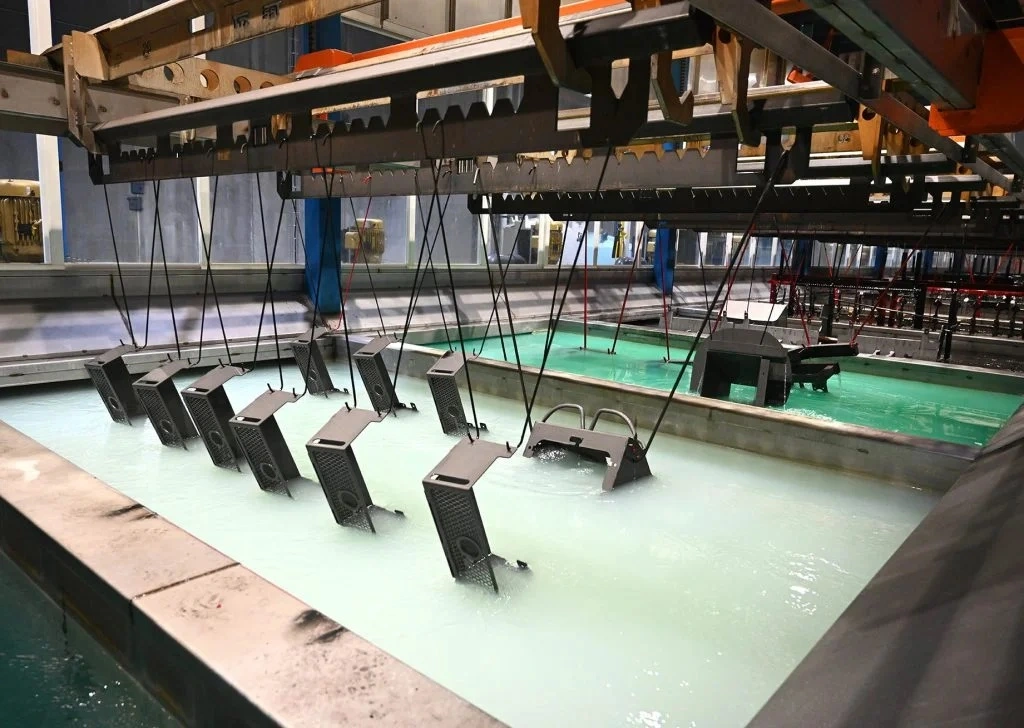
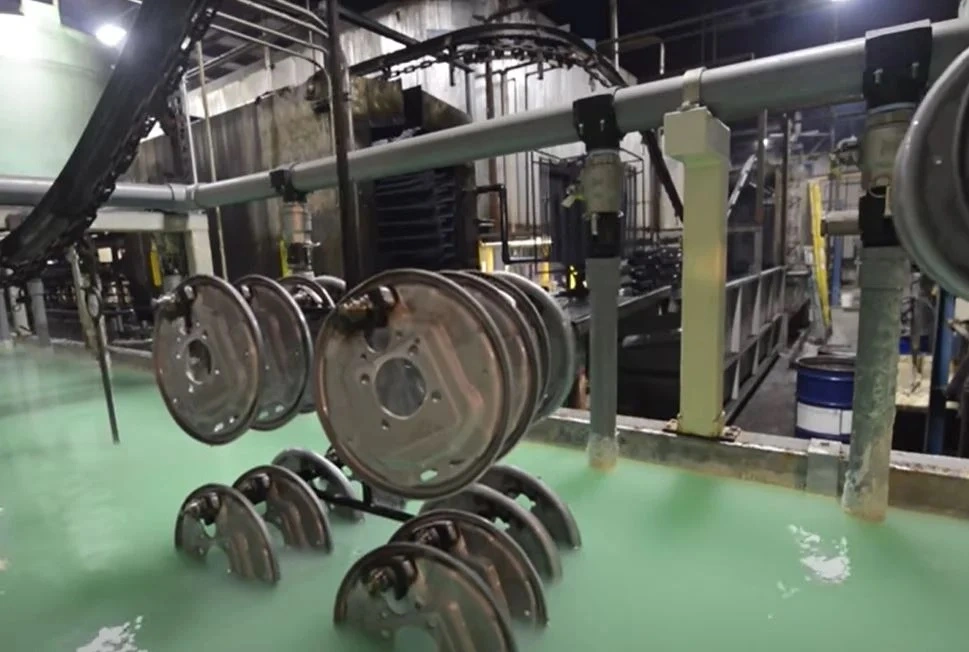
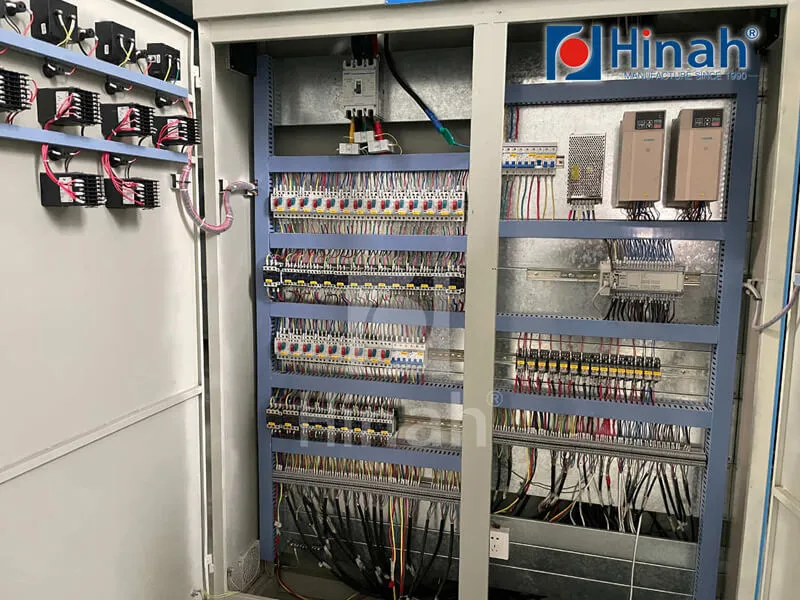

In high‑production powder coating environments, the curing oven is the thermal heart of the line. A big powder coating oven is not merely a larger chamber—it is a precisely engineered system that must deliver consistent heat distribution, rapid recovery, and energy efficiency while handling parts that can weigh several tons. This article examines the technical architecture, application‑specific demands, and performance validation of large‑scale curing ovens, with a focus on measurable outcomes and operational reliability.
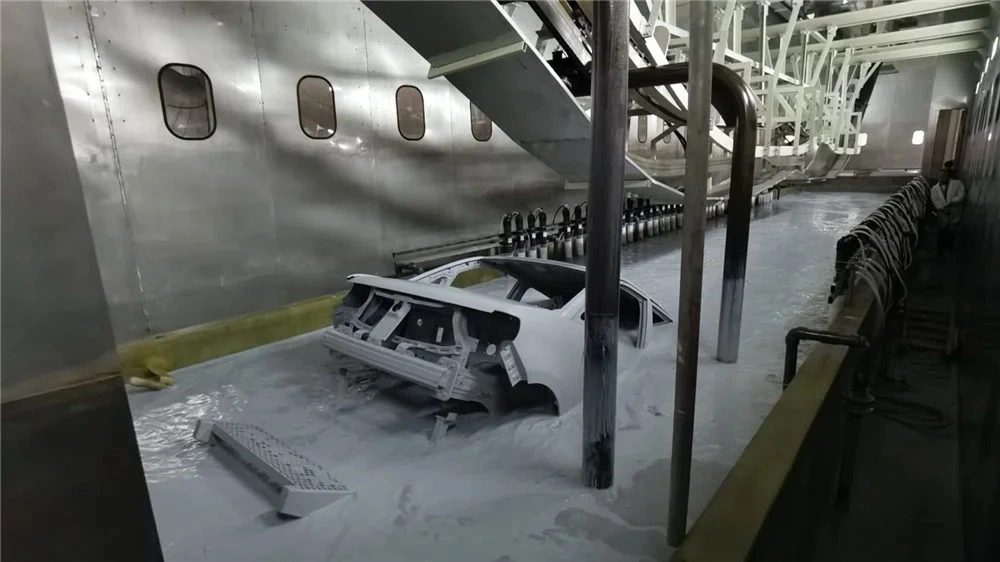
Defining the Big Powder Coating Oven: Beyond Physical Dimensions
While a compact lab oven might serve batch volumes under 2 m³, a big powder coating oven typically exceeds 30 m³ of interior space, with some continuous systems reaching over 100 meters in length. However, true “big” classification also depends on thermal mass handling capability—the ability to bring thick steel fabrications up to cure temperature (usually 180–220 °C) within a specified dwell time. Key parameters include:
Interior clearances: height × width for oversized components (e.g., wind turbine flanges, excavator booms).
Heating capacity: installed power often exceeds 500 kW in gas‑fired designs, with modulating burners for precise control.
Air turnover rate: ≥20 air changes per minute to eliminate temperature stratification.
Structure: continuously welded panels with mineral wool insulation (100–150 mm thick) to minimize skin temperature and heat loss.
HANNA engineers these ovens with modular panel systems that allow on‑site assembly while maintaining thermal break integrity—a critical factor when retrofitting into existing factory footprints.
Core Technical Considerations for Large‑Scale Curing
Heat Source Selection and Efficiency
Industrial ovens predominantly use natural gas or propane due to lower operating costs, though electric infrared (IR) can be integrated for hybrid systems. For a big powder coating oven, the choice hinges on:
Direct‑fired vs. indirect‑fired: Direct firing introduces combustion products that may affect yellow‑sensitive powders; indirect (heat exchanger) systems add 15–20% initial cost but ensure purity.
IR boost zones: Short‑wave IR emitters placed at the oven entrance rapidly raise the substrate temperature, shortening the overall curing cycle and increasing line speed by up to 30%.
Data from HANNA installations show that recuperative burners with variable frequency drives (VFDs) on recirculation fans reduce gas consumption by 18–25% compared to constant‑speed designs.
Airflow Dynamics and Temperature Uniformity
ASTM and ISO standards require ±5 °C uniformity across the work zone. Achieving this in a big powder coating oven demands computational fluid dynamics (CFD) modeling during design. Plenum systems with adjustable nozzles direct high‑velocity air at the part surfaces, preventing “cold pockets” behind complex geometries. Design best practices:
Opposed horizontal airflow patterns for long, continuous ovens.
Under‑floor air returns to sweep dense cool air downward.
Individual zone temperature sensors feeding back to a PLC that modulates burner firing rates every 2–3 seconds.
Insulation and Heat Containment
Energy loss through walls and roof can account for 15–30% of total consumption. Modern big powder coating oven designs use high‑density rock wool (128 kg/m³) with foil facings, achieving U‑values below 0.3 W/m²K. Thermal expansion joints and labyrinth seals at conveyor entries prevent air infiltration, which is especially important when curing at temperatures above 200 °C.
Industry Verticals Relying on Big Powder Coating Ovens
Large‑format curing lines serve sectors where components exceed the capacity of standard ovens. Each application imposes unique thermal demands:
Heavy machinery & construction equipment: Loader buckets, chassis frames (up to 12 m long). Pain point: thermal inertia of thick castings—requires soak times of 20–30 min. Ovens must be sized to hold multiple parts per cycle.
Automotive and commercial vehicle: Bus bodies, truck cabins. Here, a combination of convection and IR is used to cure both basecoat and clear powder in a single pass.
Architectural aluminum extrusion: Profiles up to 8 m require vertical hanging; big ovens with high ceilings and side‑to‑side airflow ensure uniform coating on complex cross‑sections.
Pipeline and storage tanks: Fusion‑bonded epoxy (FBE) coating demands rapid heat-up to 230 °C and precise dwell control—a niche where HANNA has engineered specialized walking‑beam systems.
Addressing Pain Points in High‑Volume Curing
Operating a big powder coating oven comes with challenges that can degrade quality and inflate costs. Below are three common issues and engineering countermeasures:
1. Non‑Uniform Cure Leading to Rejects
When heavy sections shield airflow, parts may be under‑cured while thinner areas over‑cure. Solution: Programmable logic control (PLC) with adaptive tuning. By placing thermocouples on test pieces, the system learns the thermal profile and adjusts burner output per zone. In HANNA‑designed ovens, data logging per batch enables statistical process control (SPC).
2. Energy Inefficiency and Heat Waste
Oversized exhaust stacks or poor door seals bleed energy. Modern designs incorporate heat recuperation wheels that transfer exhaust heat to incoming combustion air, recovering up to 40% of otherwise lost energy. Additionally, automatic vertical doors with pneumatic seals reduce infiltration during index times.
3. Production Bottlenecks
If the oven cannot recover temperature quickly between part loads, line speed slows. Using high‑velocity nozzles directed at the part surface increases convective heat transfer coefficient (h‑value) from 20 W/m²K to over 60 W/m²K, reducing cure time without increasing air temperature.
Energy Efficiency and Sustainability in Big Oven Design
With industrial heating accounting for a major share of a plant’s carbon footprint, the modern big powder coating oven must be designed for low emissions. Key strategies include:
Low‑NOx burners to meet regional air quality standards.
Insulation thickness optimization: 150 mm walls reduce surface temperature to ≤ ambient + 10 °C, minimizing radiant loss.
Variable speed drives on all fans matching airflow exactly to demand, saving 15–25% fan energy.
Dual‑fuel capability allowing switchover between natural gas and hydrogen‑enriched blends as infrastructure evolves.
HANNA has implemented such features in a recent project for a European trailer manufacturer, achieving a 33% reduction in m³ natural gas per cured part while maintaining ±3 °C uniformity.
Integration with Automated Coating Lines
A big powder coating oven does not function in isolation; it must seamlessly interface with upstream pretreatment and downstream cooling. Modern lines use a central MES (manufacturing execution system) that tracks each SKU and sets oven parameters automatically—temperature, dwell time, and even airflow direction. Conveyor interfaces include indexing drives that allow heavy parts to stop inside the oven (batch‑continuous hybrid). HANNA provides integrated control cabinets that communicate via Profinet or EtherNet/IP, ensuring that the oven becomes a smart node in the Industry 4.0 network.
Frequently Asked Questions
Q1: What is the typical temperature range for a big powder coating oven?
A1: Most thermoset powder coatings cure between 160 °C and 200 °C. However, for special high‑performance powders (e.g., fluoropolymers for architectural use), temperatures may reach 230 °C. A well‑designed big oven should maintain setpoint ±3 °C throughout the working chamber, even at the upper end of the range.
Q2: How do I calculate the required size for a big powder coating oven?
A2: Sizing starts with the largest part envelope (L × W × H) plus 300 mm clearance for airflow. Then consider production rate: parts per hour × dwell time (minutes) gives the necessary number of part positions. For continuous conveyors, oven length = (line speed × dwell time). Thermal mass calculation (total weight of steel entering per hour) must not exceed the heater’s recovery capacity. HANNA’s engineering team performs these calculations using validated simulation tools.
Q3: What are the maintenance requirements for large ovens?
A3: Critical items include: monthly cleaning of recirculation fans and ductwork to prevent powder buildup (which can insulate and cause imbalance); quarterly calibration of thermocouples and controllers; annual inspection of seals and insulation; and burner service per manufacturer schedule. Keeping a log of temperature uniformity tests (recommended every six months) helps detect drift early.
Q4: Can a big powder coating oven be retrofitted with energy-saving features?
A4: Absolutely. Retrofits include adding VFDs to fans, upgrading burner controls to modulating type, installing thicker insulation panels, and implementing heat recuperation. Many customers see payback periods of 18–36 months. HANNA offers energy audits to identify the most cost‑effective upgrades for existing ovens.
Q5: How does oven design affect coating quality?
A5: Inconsistent heat distribution leads to under‑cured areas (poor adhesion/chemical resistance) or over‑cured discoloration. Properly designed airflow ensures that all surfaces reach the required peak metal temperature (PMT) and hold it for the specified gel time. Also, clean combustion (indirect firing) prevents contamination from exhaust gases that could cause pinholes or yellowing.
Q6: What safety systems are mandatory for big powder coating ovens?
A6: Ovens must comply with NFPA 86 or equivalent standards. Essential features include: high‑temperature limit controllers separate from the main thermostat; purge cycles before ignition; flame supervision; explosion relief panels (if solvent‑based materials are present, though powder lines are generally safe); and emergency exhaust in case of smoke detection. HANNA integrates all these as standard with third‑party certification.
Selecting and engineering a big powder coating oven requires a deep understanding of thermodynamics, material handling, and production scheduling. Whether the requirement is for a batch oven handling 10‑ton steel fabrications or a continuous line curing thousands of aluminum profiles per day, the principles of uniform heat transfer, energy optimization, and robust controls remain constant. With decades of field experience, HANNA continues to deliver systems that not only meet today’s throughput demands but are also adaptable to future powder coating technologies and sustainability goals.