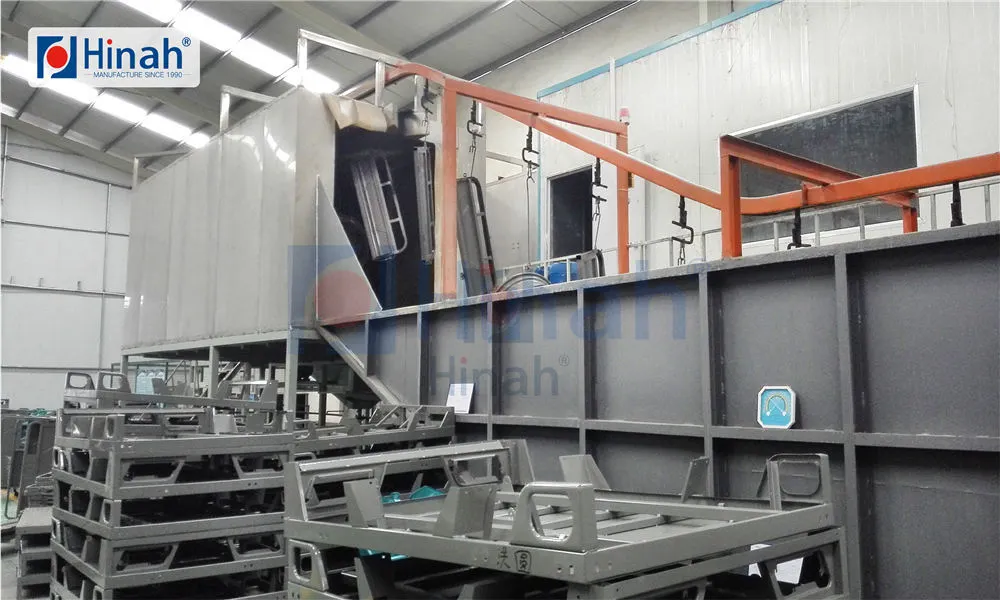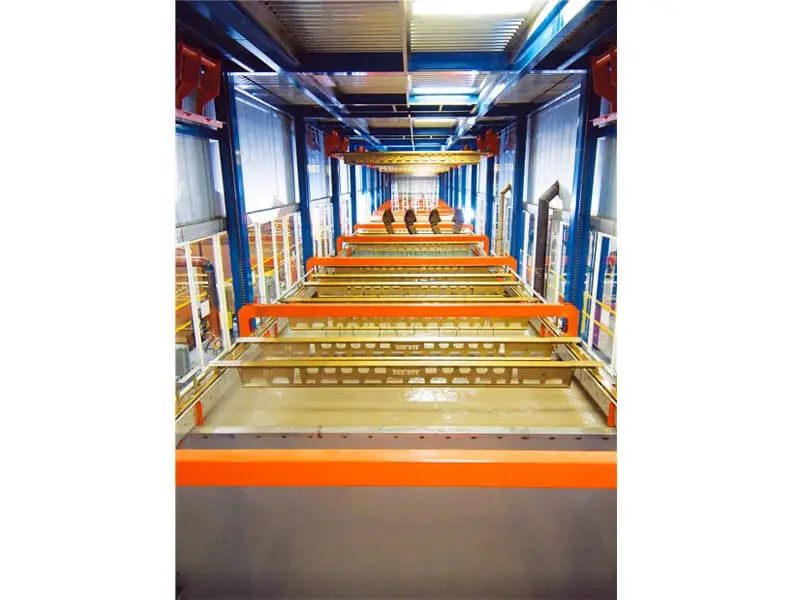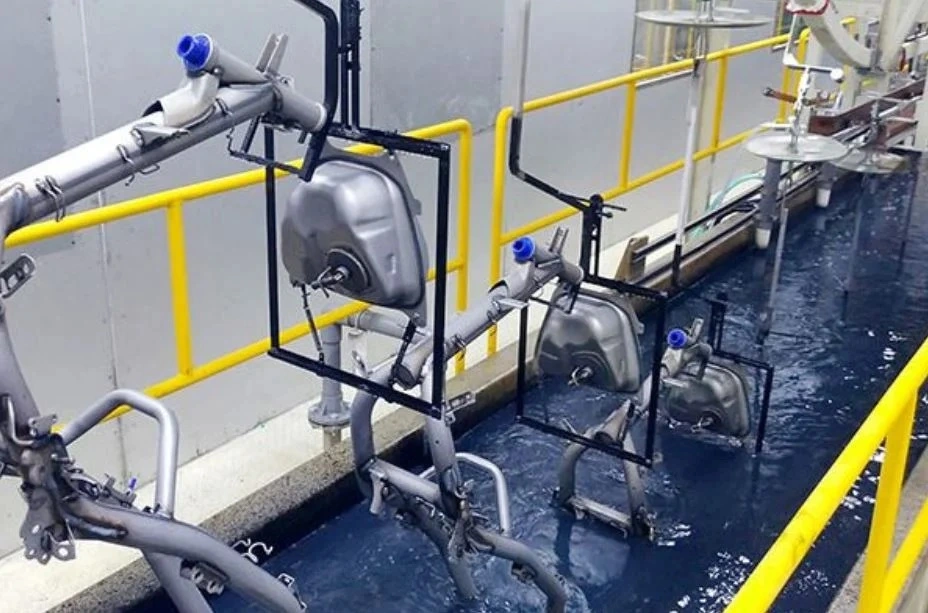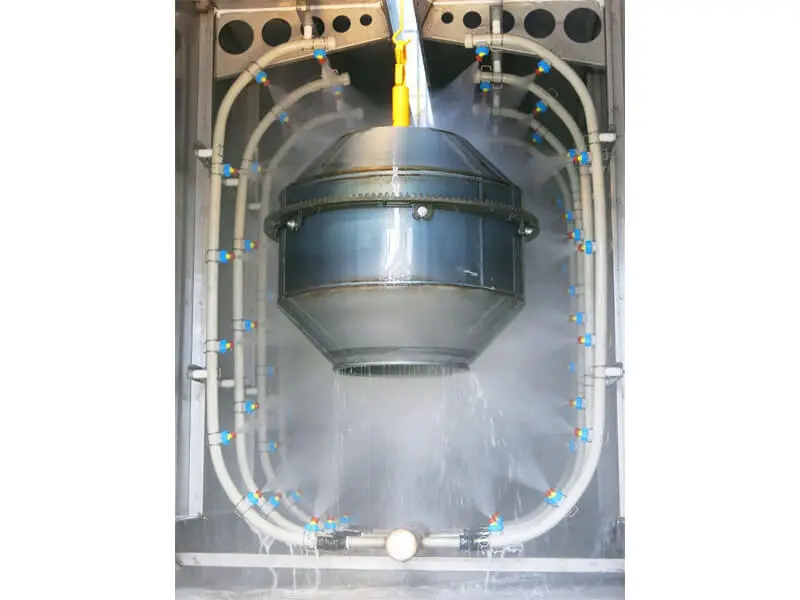

When production demands include structural steel beams exceeding 12 meters in length, mining equipment chassis weighing several tons, or wind turbine tower sections that require full encapsulation, standard batch equipment reaches its limits. A Big powder coating oven represents a specialized class of thermal processing equipment designed specifically for large-format, high-mass substrates. These systems must resolve contradictory engineering requirements: delivering precise temperature uniformity across expansive volumes while managing substantial thermal inertia and maintaining energy efficiency. This analysis examines the structural design, airflow engineering, process control strategies, and sector-specific applications that define high-performance large-scale powder curing systems.
The transition from conventional to Big powder coating oven configurations occurs when part dimensions exceed 6 meters in any axis, individual component weights surpass 2,000 kilograms, or production volumes require batch processing of multiple oversized items simultaneously. At this scale, several fundamental engineering parameters shift: structural frames must accommodate thermal expansion without distortion; airflow systems require stratified zoning to maintain uniformity across height differentials; and heat input must be distributed to avoid temperature gradients caused by natural convection within the chamber. Walk-in accessibility becomes a practical necessity for loading, maintenance, and quality inspection.
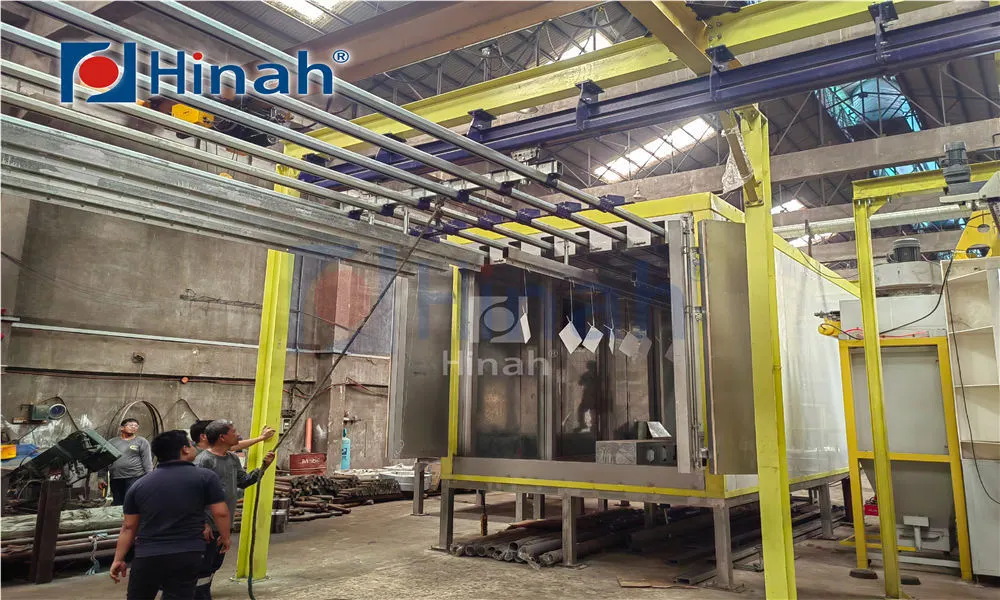
The physical construction of a Big powder coating oven differs substantially from smaller units. Key structural considerations include:
Modular panel construction: Prefabricated, cam-locked panels with high-density mineral wool insulation (150–200 mm thickness) allow on-site assembly while maintaining thermal integrity. Panel joints incorporate expansion seals to accommodate differential expansion between interior and exterior surfaces.
Reinforced steel framing: Heavy-gauge structural steel supports withstand dynamic loads from overhead cranes or rail carriages used for part movement. Floor systems are engineered for wheel loads exceeding 10,000 kg per axle.
Thermal expansion management: Expansion joints in the oven shell, conveyor rails, and ductwork prevent buckling or misalignment as temperatures cycle between ambient and 200°C operating conditions.
Large-access door systems: Vertical-lift or hydraulic swing doors with multi-point latching mechanisms maintain seal integrity. Vestibules or air curtains minimize heat loss during loading cycles.
Maintaining temperature uniformity within ±5°C across a chamber volume of several hundred cubic meters represents the central technical challenge for any Big powder coating oven. Solutions involve multiple engineering layers:
Rather than relying on a single recirculation loop, large systems employ vertically stratified airflow zones. Independent fan and burner assemblies serve lower, middle, and upper chamber regions, each with adjustable nozzle arrays. This configuration compensates for natural thermal stratification—hot air rising to the ceiling—ensuring consistent temperature from floor to roof.
Modern design processes utilize CFD modeling to simulate airflow patterns before fabrication. Engineers input part geometries, racking configurations, and expected load densities to identify potential dead zones or turbulence areas. The resulting designs incorporate adjustable plenums and deflectors that can be tuned on-site to accommodate actual production patterns.
Large ovens recirculate 85–95% of chamber air, significantly reducing energy consumption compared to once-through designs. Recirculation rates of 30–50 air changes per minute ensure rapid temperature recovery after door openings and consistent conditions throughout the cure cycle. VFD-controlled fans modulate airflow based on real-time demand rather than running at fixed speeds.
The energy infrastructure for big powder coating ovens must deliver substantial heat input while maintaining precise control. Typical configurations include:
Modulating natural gas burners: Multiple burners arranged along the oven length provide zoned heat input. Modulating valves adjust firing rates continuously rather than cycling on/off, maintaining temperature within ±2°C of setpoint.
Indirect heating systems: For applications requiring absolute combustion isolation (e.g., food-grade coatings or sensitive substrates), indirect heat exchangers separate combustion gases from recirculated air.
Electric infrared supplementation: IR panels in the entrance zone accelerate powder gelation, preventing sagging on vertical surfaces before the part enters the main convection chamber.
Heat recovery systems: Recuperators capture exhaust flue gases to preheat combustion air, reducing fuel consumption by 10–15%. Some installations duct recovered heat to pretreatment washer tanks, lowering overall facility energy demand.
Advanced control systems are essential for ensuring cure quality in large-format operations. Key capabilities include:
Multi-point temperature profiling: Arrays of thermocouples mounted on product carriers or fixed chamber locations provide real-time feedback. Data loggers record thermal history for each batch, supporting quality traceability requirements such as ISO 12944 or CQI-12.
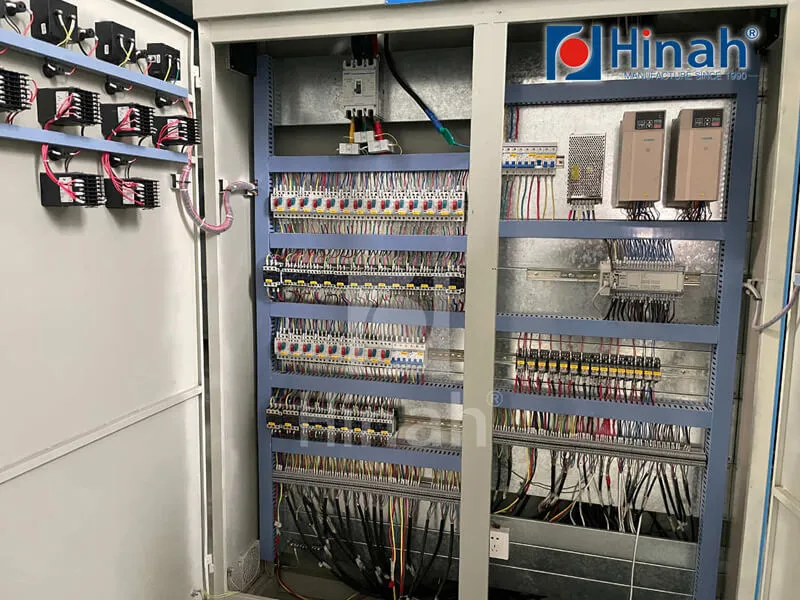
PLC-based zone control: Independent PID loops manage each thermal zone, adjusting burner firing and fan speed based on local temperature readings. Color touchscreen interfaces provide operators with intuitive process visualization.
Predictive maintenance analytics: Vibration sensors on fan bearings, flame scanners on burners, and current monitoring on conveyor drives feed data to maintenance systems, identifying developing issues before they cause downtime.
Different sectors impose distinct requirements on big powder coating oven design. Understanding these nuances is essential for proper specification.
Tower sections and nacelle frames represent extreme dimensions—often exceeding 20 meters in length and 4 meters in diameter. Modular ovens with movable heating sections that seal against the part are increasingly specified. These systems reduce the heated volume by focusing energy only on the coating area, achieving energy savings exceeding 50% compared to full-chamber designs. Corrosion protection standards require coating systems capable of withstanding offshore environments, demanding precise cure cycles to achieve film thicknesses up to 300 μm.
Passenger railcars, locomotive bodies, and freight wagons require ovens capable of accommodating lengths up to 25 meters. These facilities often employ dual-chamber configurations—one for primer cure and a separate chamber for topcoat—to maintain continuous flow. Conveyor systems use powered roller beds or rail-guided carts rather than overhead monorails due to component weight and length.
Frames for excavators, haul trucks, and drilling rigs combine thick-section castings with thin-walled fabrications. Ramp-and-soak programming allows heat to propagate uniformly through high-mass sections while preventing over-cure on lighter components. Oven interiors are designed with reinforced floors to accommodate wheeled loaders used for part positioning.
Maximizing throughput in a Big powder coating oven requires careful attention to loading practices. Key considerations include:
Thermal mass balancing: Distributing parts with varying mass across the chamber prevents localized temperature depression. Heavier items are positioned near high-velocity airflow zones.
Airflow clearance: Maintaining minimum clearance of 300 mm between parts and oven walls, and 500 mm between parts, ensures adequate air circulation.
Racking design: Custom fixtures that suspend parts or present them at optimal angles improve airflow penetration and reduce footprint.
Batch scheduling: Grouping parts with similar cure requirements reduces changeover time and energy waste associated with re-establishing temperature profiles.
Designing, fabricating, and integrating a Big powder coating oven demands specialized expertise in structural thermal dynamics, airflow engineering, and controls integration. HANNA provides custom-engineered solutions tailored to specific production environments—from initial thermal modeling through fabrication, installation, and commissioning. Their portfolio includes modular batch ovens, continuous tunnel systems, and hybrid IR-convection configurations, all incorporating advanced insulation, zoned temperature controls, and integrated data acquisition platforms. By aligning oven design with throughput targets and coating specifications, HANNA ensures that the curing stage becomes a reliable, energy-efficient component of the finishing line.
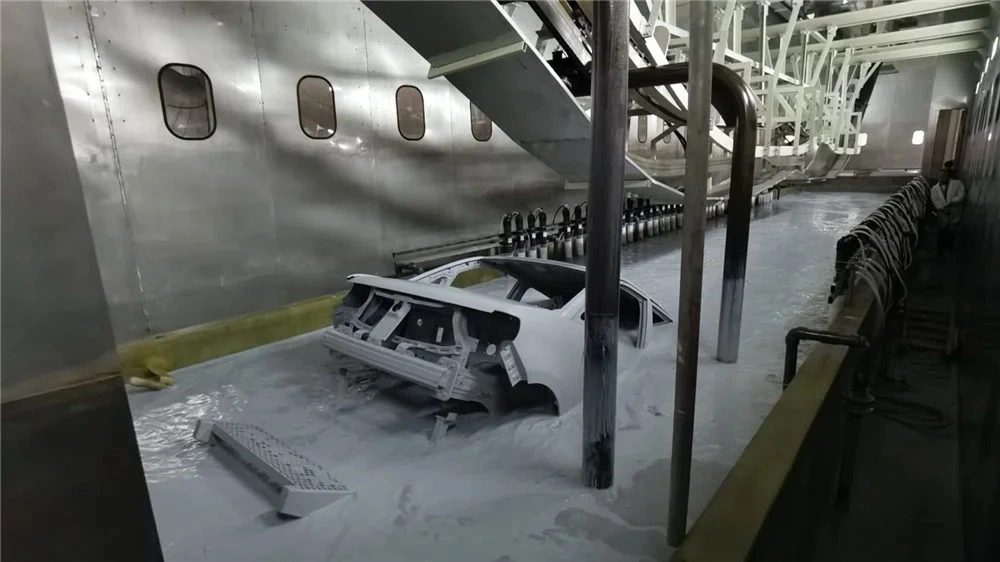
Specifying a Big powder coating oven involves decisions that affect coating quality, energy costs, and production flexibility for the equipment lifecycle. Advances in zoning, airflow control, hybrid heating, and digital monitoring have transformed these systems from simple heating chambers into precision thermal processing platforms. Facilities that invest in properly engineered solutions benefit from reduced rework rates, lower energy consumption, and the ability to meet stringent coating warranties. In a manufacturing landscape where coating performance directly impacts product longevity and brand reputation, the large-format curing oven deserves the same engineering rigor applied to any core production asset.
Q1: What dimensions define a “big” powder coating oven?
A1: While there is no strict industry standard, big powder coating ovens generally refer to systems with internal dimensions exceeding 6 meters in length, 3 meters in width, or 2.5 meters in height. These ovens are designed to accommodate components such as structural steel beams, wind tower sections, railcar bodies, or large agricultural equipment. Capacities often range from 5,000 kg to over 20,000 kg per batch.
Q2: How do you maintain temperature uniformity in such a large chamber?
A2: Uniformity is achieved through multiple strategies: stratified airflow zones with independent recirculation fans, CFD-optimized nozzle placement, high-volume air recirculation (30–50 air changes per minute), and multi-zone temperature control with independent PID loops. Regular uniformity surveys using multi-channel data loggers verify that all points within the working envelope maintain specified tolerances, typically ±5°C.
Q3: What are the typical energy consumption figures for large powder coating ovens?
A3: Energy consumption varies widely based on chamber volume, insulation quality, operating temperature, and throughput. A typical big oven with 150 m³ volume may consume between 500,000 and 1,500,000 BTU per hour during operation. Energy optimization strategies include high-density insulation, modulating burners with VFDs, heat recovery systems, and automated door controls—typically achieving 20–30% reductions compared to conventional designs.
Q4: What loading and racking methods work best for oversized components?
A4: Loading methods depend on part geometry and weight. Options include overhead monorail systems for parts up to 2,000 kg, powered roller beds for continuous flow, and rail-guided carts for very heavy components. Racking should provide minimum 300 mm clearance from walls and 500 mm between parts to ensure adequate airflow. Custom fixtures that present parts at optimal angles improve uniformity and reduce footprint.
Q5: How does thermal mass of large parts affect curing?
A5: Large, thick-section parts act as thermal reservoirs, absorbing significant energy during ramp-up and releasing it slowly during cooling. This thermal inertia can extend required dwell times. Ramp-and-soak programming addresses this by controlling the heating rate to allow uniform temperature propagation. Advanced systems may incorporate pre-heat zones or infrared boost sections to accelerate surface gelation while the core catches up.
Q6: What maintenance considerations are unique to big powder coating ovens?
A6: Maintenance programs must account for the scale and complexity of these systems. Critical items include: quarterly inspection of all burner assemblies and combustion safety systems; monthly verification of fan bearing vibration and belt tension; annual temperature uniformity surveys with certified equipment; and regular inspection of expansion joints, door seals, and conveyor rails for thermal wear. NFPA 86 compliance requires annual recertification of combustion safety systems.