
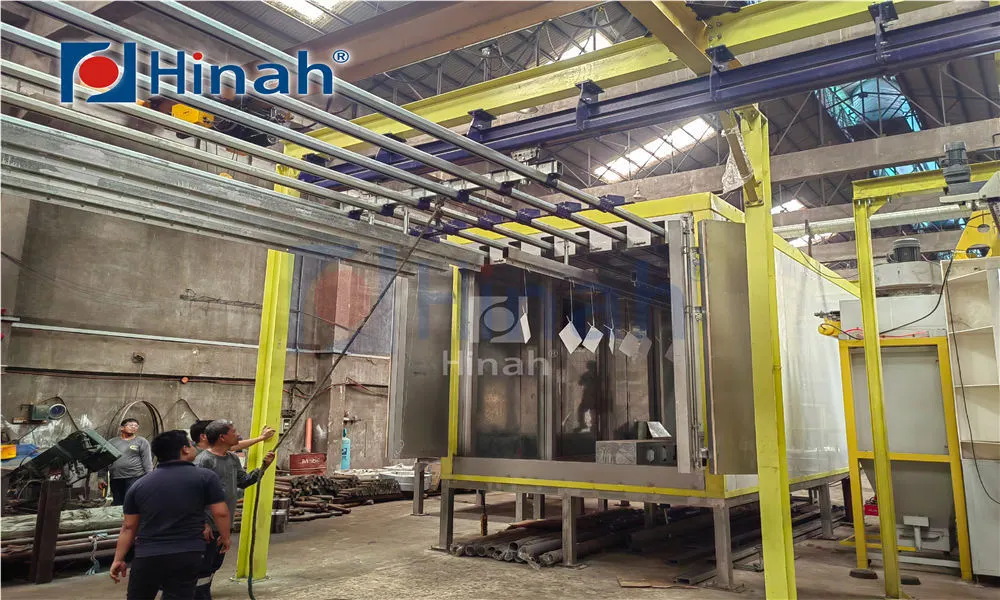
Every professional powder coating operation starts with a single, critical piece of equipment. The spray booth for powder coating is the controlled environment where the magic happens. It's not just a box to contain overspray; it's the heart of your finish quality, material efficiency, and operator safety. Choosing the right one is a technical decision with long-term financial impact.
The wrong booth can lead to wasted powder, inconsistent finishes, and costly maintenance. The right booth becomes a reliable partner in productivity. This article breaks down the practical considerations, helping you move beyond basic specs to understand what truly matters for your application.
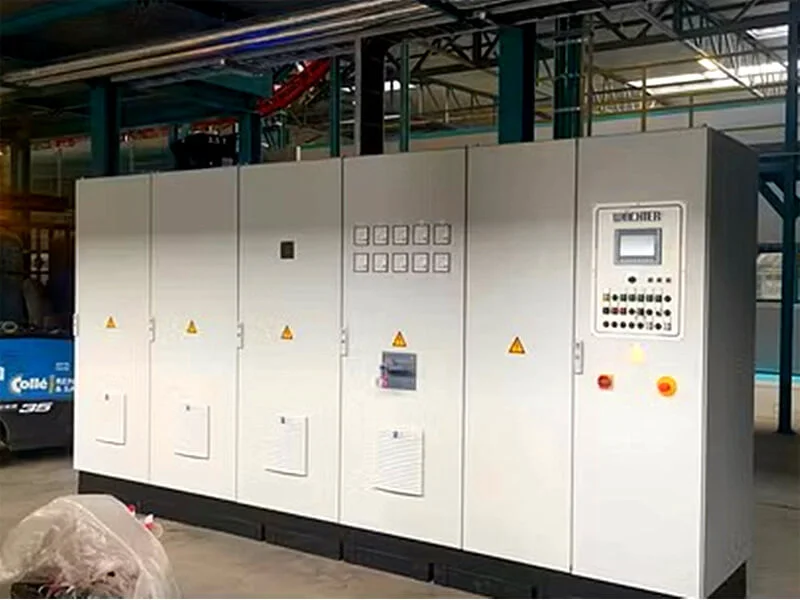
Think of the booth as the command center for the application process. Its primary jobs are containment, safety, and recovery. A well-designed booth controls airflow to guide overspray away from the operator and toward the recovery system. This creates a clean environment for applying a uniform coat and captures valuable powder for reuse.
The performance of your entire line often hinges on the booth's efficiency. A poor airflow design can lead to powder escaping into the shop or falling onto freshly coated parts. This directly affects your first-pass transfer efficiency, a key metric for profitability. Understanding this role is the first step in evaluating any spray booth powder coating investment.
Not all booths are built for the same workload. The market offers three main configurations, each serving a distinct purpose.
Open-Face or Batch Booths
These are simple, three-sided enclosures, often used for manual application, touch-ups, or low-volume work. They rely on a rear wall of filters to capture overspray. While affordable and flexible, they offer less containment and lower recovery rates than closed systems. They are a common starting point for many shops.
Downdraft Booths
Here, airflow is engineered to move vertically. Clean air enters from the top or sides and is pulled down through a perforated floor or low-level exhaust plenums. This design is excellent for coating larger, bulky items like cabinets or automotive frames, as it minimizes the chance of powder being blown around the part. Downdraft booths are a staple in high-quality industrial applications.
Crossdraft Booths
Airflow in a crossdraft booth moves horizontally, from the rear of the booth across the part and out through filters on the front wall. This is a very common and efficient design for conveyorized systems where parts enter and exit from the same side. It provides a consistent "powder cloud" and efficient transfer for a wide range of part geometries.
The type is just the beginning. The engineering details inside the booth are what separate a basic box from a high-performance asset.
Airflow Design and CFM Requirements
Consistent, laminar airflow is non-negotiable. It ensures powder is carried predictably to the recovery system. The required Cubic Feet per Minute (CFM) is calculated based on booth open area. Getting this wrong means poor containment or excessive energy costs. Professional suppliers like HANNA design airflow specifically for your part size and gun configuration.
Powder Recovery System: Cyclone vs. Cartridge
This is where major efficiency gains are made. A cartridge recovery system pulls powder-laden air through pleated filters, which are periodically pulsed clean. It's effective and common.
A cyclone recovery system uses centrifugal force to separate over 95% of powder before the air ever reaches the final filters. This drastically reduces filter wear and maintenance. For high-volume lines, a cyclone system, while a higher initial investment, offers a rapid return through powder savings and reduced downtime.
Construction Materials and Safety
Industrial-grade booths use galvanized or coated steel for durability. Critical are the electrical components. All lighting, fans, and controls must be properly rated for a Class II, Division 2 hazardous environment where combustible dust may be present. Never compromise on these safety standards.
Lighting and Visibility
Shadow-free, bright lighting is crucial for operator accuracy. LED lighting arrays are now standard, providing excellent color rendering, low heat output, and long life. Proper placement eliminates dark spots, ensuring complete coverage on complex parts.
Selecting a booth isn't about finding the biggest or cheapest option. It's about matching technical specs to your daily reality.
At HANNA, we don't just build booths; we engineer application environments. Our focus is on creating a spray booth powder coating system that maximizes your material usage and uptime.
We specialize in optimized airflow designs that ensure stable powder clouds. Our heavy-duty construction ensures years of service. Most importantly, we integrate high-efficiency recovery technology, whether advanced cartridge banks or our proprietary cyclone systems, to put more powder on the part and back in your hopper.
The value isn't just in the steel. It's in the engineering that reduces your cost per coated part, day after day.
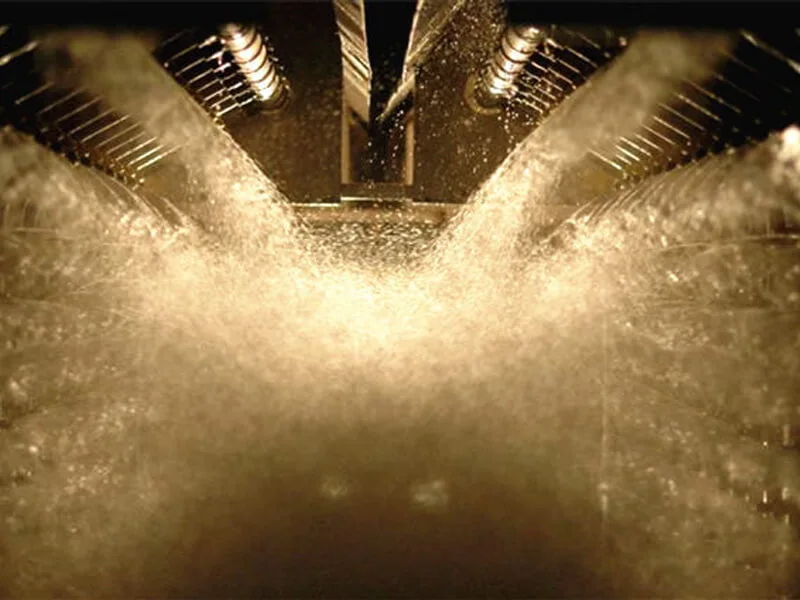
A great booth needs proper care. Daily and weekly maintenance routines prevent small issues from becoming costly problems.
Consistent maintenance maintains airflow performance, ensures powder purity during color changes, and extends the life of your entire system.
Your choice in a spray booth powder coating system sets the tone for your entire finishing operation. It determines your coating quality, your material costs, and your shop's cleanliness. By prioritizing engineered airflow, efficient recovery, and robust safety, you invest in a foundation for consistent, profitable results.
Look beyond the basic enclosure. Focus on the technical details that deliver real-world efficiency and partner with suppliers who understand the science behind the spray.
Q1: How often do I need to change the filters in my powder coating spray booth?
A1: There's no fixed schedule; it depends on usage. The key indicator is the pressure drop across the filters, shown on a manometer. When the differential pressure reaches the manufacturer's recommended limit (often around 5-6 inches of water column), it's time to clean or replace the filters. With efficient pre-separation like a cyclone, final filters last much longer.
Q2: Can I use a spray booth designed for liquid paint for powder coating?
A2: It is strongly discouraged and often unsafe. Liquid paint booths are designed for wet overspray and use different filtration (often water wash or paper filters). They lack the dry powder recovery systems and specific electrical classifications needed for powder. Retrofitting is usually more costly and less effective than investing in a proper powder booth.
Q3: What is the ideal airflow velocity inside a powder coating booth?
A3: A common target range is 100 to 120 feet per minute (fpm) at the booth opening. This is fast enough to contain overspray but slow enough to avoid disturbing the applied powder on the part or causing excessive powder carry-over. A professional booth design ensures this velocity is even across the entire opening.
Q4: Is a powder coating spray booth expensive to operate?
A4: The main operational costs are electricity for the exhaust fan and compressed air for cleaning filters. The major financial benefit comes from powder savings. A high-efficiency booth with a good recovery system can reclaim over 95% of overspray. This material savings often dwarfs the utility costs, making the booth a cost-saving asset.
Q5: How important is booth lighting, and what type is best?
A5: Critical. Inadequate lighting leads to missed spots, uneven application, and rework. LED lighting is the modern standard. It provides bright, daylight-quality illumination with minimal heat generation and very low energy consumption. Properly positioned LED arrays eliminate shadows, giving the operator a clear view of the entire coating process.