
When a manufacturing operation reaches the threshold of scaling its finishing department, the search for a powder coating line for sale becomes a strategic decision rather than a routine equipment purchase. Production managers and plant engineers evaluate throughput rates, coating uniformity, energy consumption, and system uptime. The market offers a wide spectrum of configurations, from compact batch systems to high-speed continuous conveyorized lines. This article examines the technical architecture, performance benchmarks, and selection methodology for powder coating equipment, drawing from field data and installation practices across automotive, architectural, and general industrial sectors.
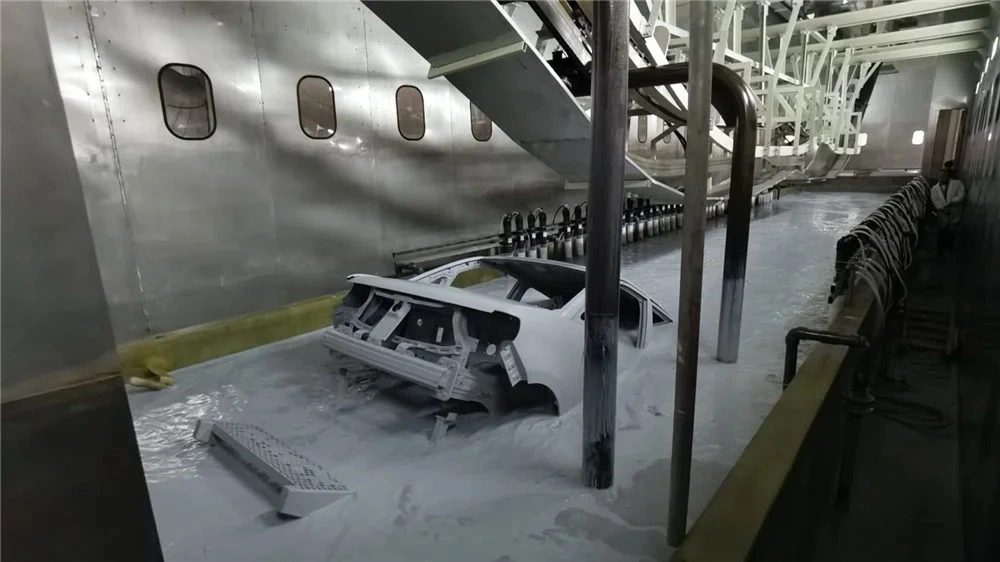
A complete powder coating line integrates five interdependent stages: surface pretreatment, powder application, curing, material handling, and environmental control. Each subsystem influences the final finish quality and overall line efficiency. When evaluating a powder coating line for sale, buyers must examine each component's specifications in relation to their specific production requirements.
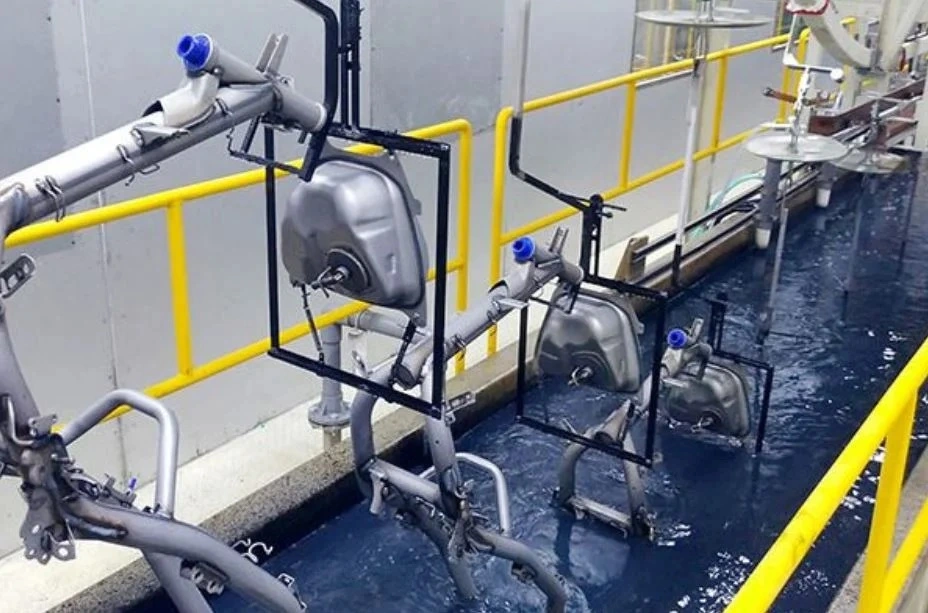
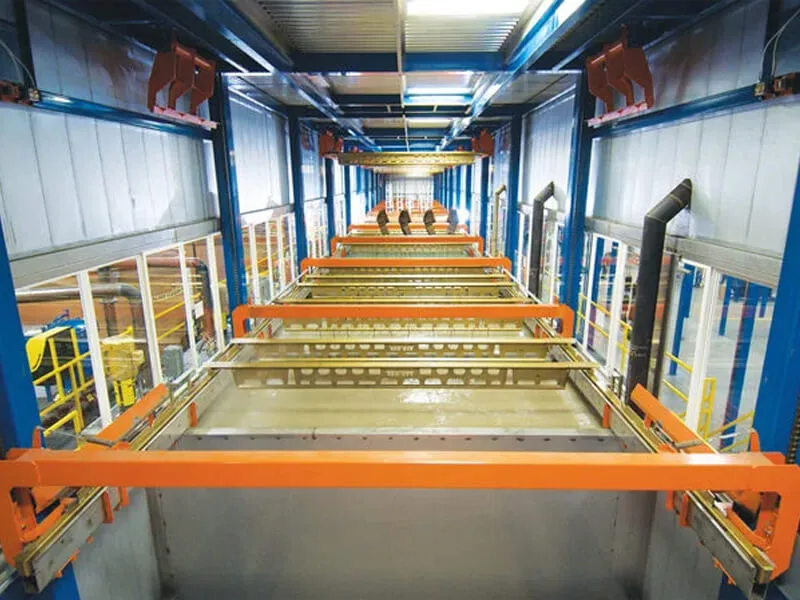
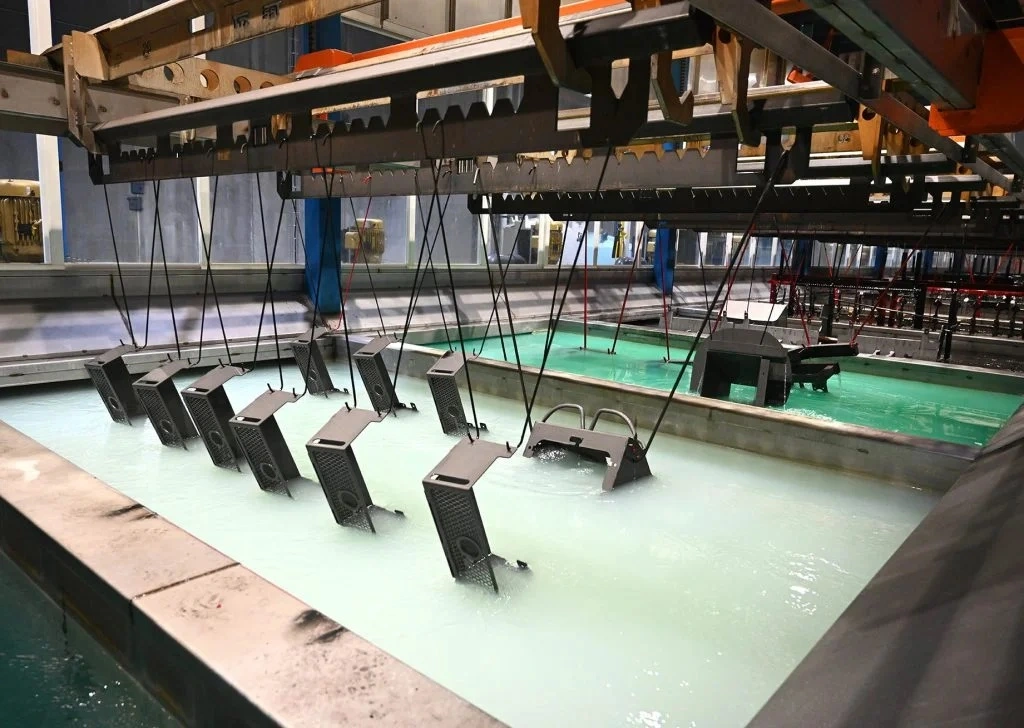
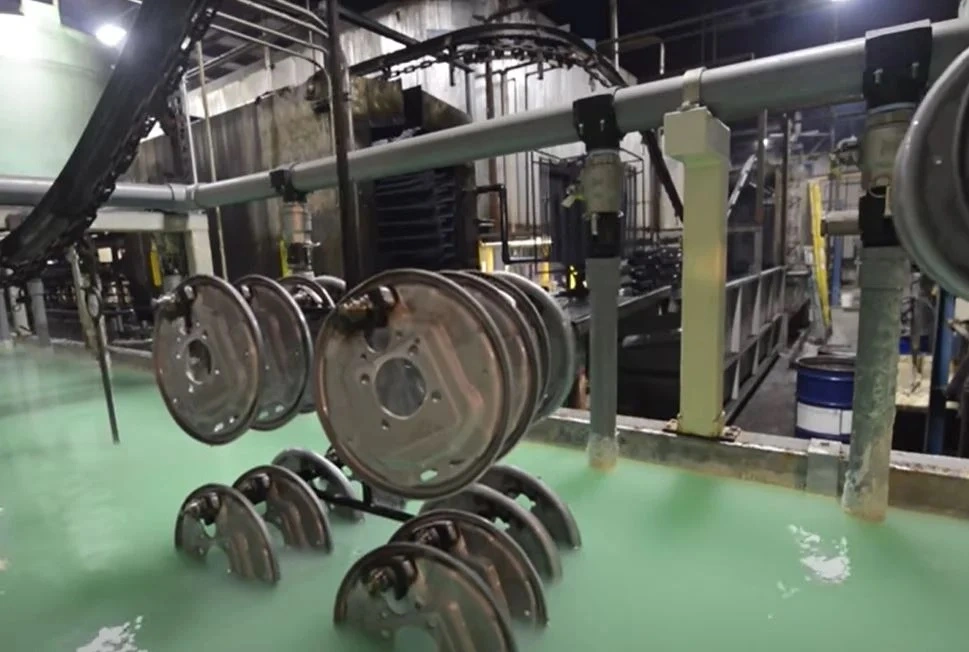
Surface preparation determines coating adhesion and corrosion resistance. For ferrous substrates, a multi-stage washer with alkaline cleaning, rinsing, and conversion coating (zinc phosphate or zirconium-based) remains the industry standard. Aluminum profiles require a different chemistry—typically a chromate-free pretreatment with titanium or zirconium compounds. The pretreatment section's conveyor speed, spray pressure, and drying oven temperature must match the line's design throughput.
Dry-off ovens following the pretreatment stage must achieve substrate temperatures of 100–120°C to eliminate moisture before powder application. Inadequate drying leads to outgassing defects during curing. Many modern lines incorporate infrared (IR) preheat zones to accelerate moisture removal without slowing the conveyor.
The application booth houses the powder spray guns, reclaim system, and ventilation equipment. Two primary booth configurations dominate the market: cartridge filter booths and cyclone recovery booths. Cartridge systems offer simpler operation for frequent color changes, while cyclone systems provide higher material recovery rates for long production runs of a single color. Booth airflow design directly affects powder transfer efficiency—a well-engineered booth achieves 60–80% first-pass transfer efficiency depending on part geometry and gun settings.
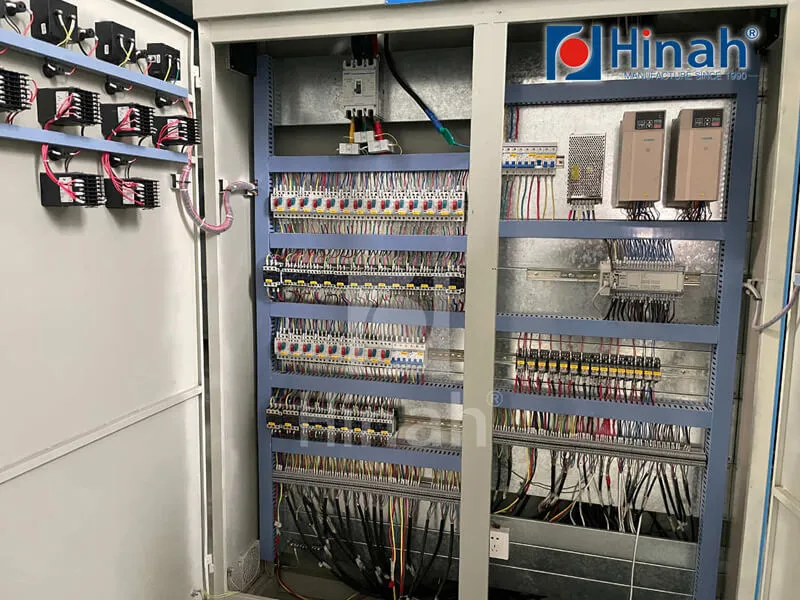
Spray gun technology has advanced significantly. Current-generation guns offer programmable current and voltage profiles, allowing operators to adjust penetration into recessed areas and manage Faraday cage effects. When inspecting a powder coating line for sale, verify that the gun controllers support recipe storage for different part families. This feature reduces setup time and minimizes reject rates during changeovers.
Curing ovens represent a major capital expense and energy consumer. Gas-fired convection ovens remain the most common choice, though electric infrared and hybrid systems are gaining traction for specific applications. The oven's temperature uniformity—typically specified as ±5°C across the working zone—is critical for consistent cross-linking of thermoset powders. Part geometry and conveyor configuration determine the required oven length and heat input.
For high-volume lines, multi-zone ovens with independent temperature control allow fine-tuning of the cure schedule. Infrared boosters positioned at the oven entrance can rapidly raise part temperature, reducing overall oven footprint. When evaluating used equipment, oven insulation condition, burner efficiency, and air circulation system performance deserve particular attention.
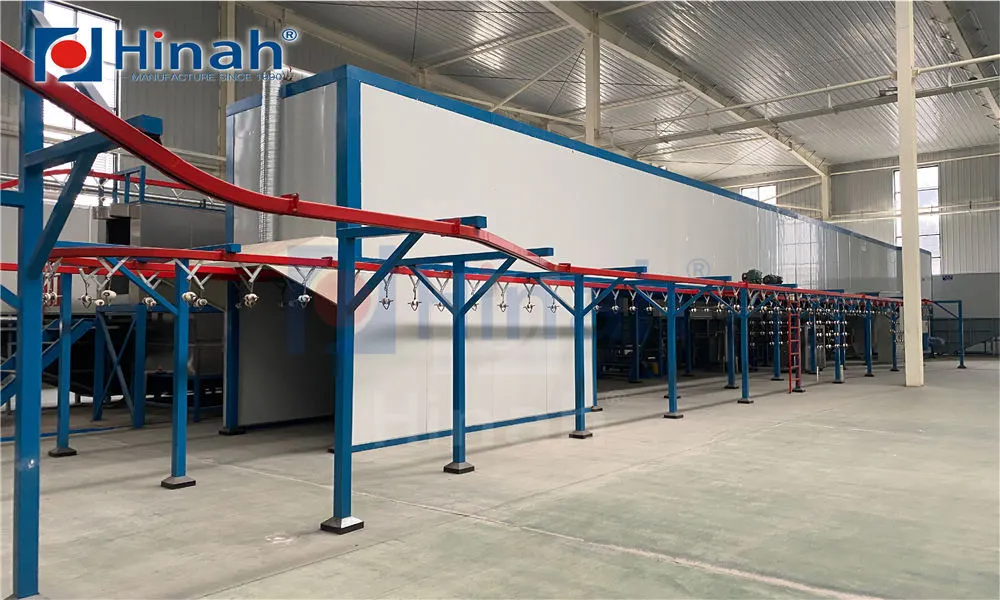
Overhead monorail conveyors are the backbone of continuous powder coating lines. The conveyor's chain speed, load capacity, and suspension system determine production rate and part orientation options. Variable-frequency drives allow speed adjustments to accommodate varying part sizes and coating thickness requirements. For lines handling heavy parts, a dual-chain or power-and-free conveyor provides greater stability and allows accumulation buffers between processing stages.
Conveyor maintenance requirements often go overlooked during equipment selection. Chain wear, bearing lubrication, and drive motor condition directly impact line availability. A well-maintained conveyor system should achieve 95% uptime over a typical operating year.
Beyond component specifications, overall line performance is measured by several interrelated metrics. Coating thickness uniformity across complex part geometries separates high-quality lines from average ones. A capable line maintains thickness within ±10% of target across flat surfaces, edges, and internal corners. This consistency reduces material consumption and rework.
Line speed, expressed in meters per minute of conveyor travel, directly correlates with daily production output. However, speed must be balanced against cure time requirements. A line rated at 5 m/min with a 15-minute cure cycle needs an oven length of 75 meters. shorter cure cycles achieved through forced convection or IR augmentation reduce floor space requirements.
Powder recovery efficiency affects both operating cost and environmental compliance. Modern reclaim systems achieve 98–99% capture of overspray powder, with the recovered material blended with fresh powder at controlled ratios. The blending system must maintain consistent particle size distribution to avoid finish defects.
Production environments present recurring challenges that influence the selection of a powder coating line for sale. Color changeover time ranks among the top operational concerns for job shops and contract coaters. A line designed with quick-release cartridge filters, purge zones, and dedicated cleaning stations can reduce color change time from hours to under 30 minutes. Some manufacturers incorporate automated purge cycles that clean the booth, guns, and feed hoses with compressed air bursts.
Faraday cage effects—where powder particles fail to penetrate into recessed areas—persist as a quality challenge. Advanced gun control strategies, including multi-stage charging profiles and electrostatic field shaping, mitigate this issue. Some line suppliers offer optional reciprocating gun movers with variable stroke patterns to optimize coverage on complex castings and extrusions.
Film thickness variation across part surfaces leads to rejected parts and material waste. Closed-loop feedback systems using real-time thickness measurement (through non-contact sensors) can adjust gun parameters automatically. This technology, while adding to initial cost, typically pays for itself within 12–18 months through reduced material usage and lower reject rates.
Powder coating lines fall into three broad categories based on throughput capacity. Batch lines, suitable for low-volume, high-mix production, feature manual spray booths and walk-in curing ovens. These systems offer flexibility for prototype runs and small batches but require more labor per part.
Intermittent conveyor lines bridge the gap between batch and continuous operation. These systems use a start-stop conveyor that moves parts through each processing zone in indexed steps. They work well for medium volumes where part sizes vary significantly.
Continuous high-speed lines represent the top tier of production capability. These systems run at constant conveyor speeds, with automated spray guns, zone-controlled ovens, and integrated material handling. HANNA has supplied such systems to automotive component manufacturers and building products producers across Asia and Europe. The engineering team at HANNA emphasizes that line design must account for part hanging density, racking patterns, and cooling requirements after cure.
For operations with growth projections, modular line configurations offer an attractive path. A modular design allows additional pretreatment stages, spray booths, or oven sections to be added as production volume increases. This approach spreads capital investment over time and reduces the risk of overcapacity in the early years of operation.
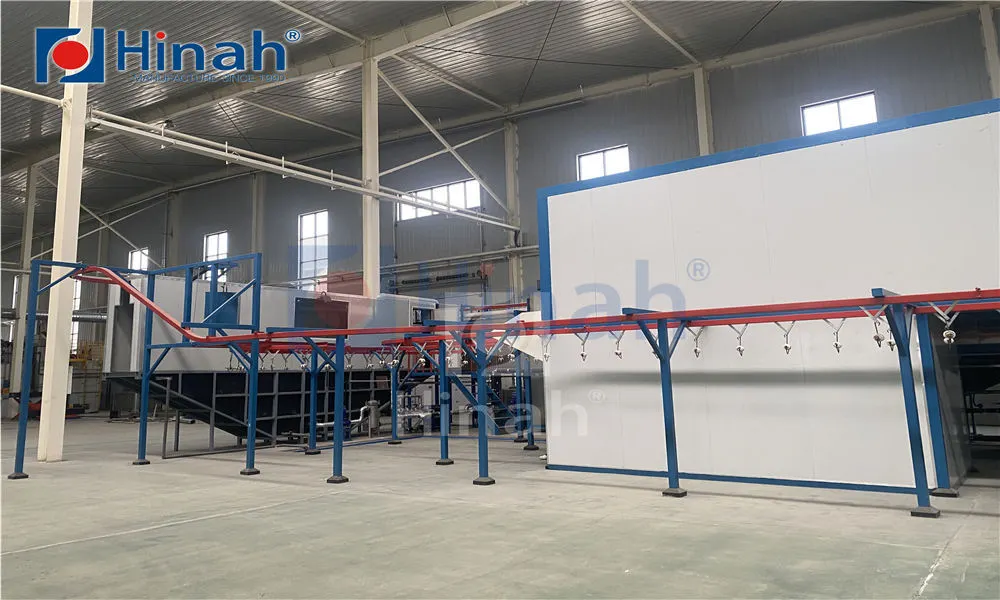
Equipment acquisition is only the first phase of a line project. Site preparation, including floor reinforcement, utility connections (gas, electricity, compressed air), and ventilation ductwork, often accounts for 15–20% of total project cost. Professional installation crews typically require 4–8 weeks for a complete line, depending on system complexity.
Commissioning involves verifying each subsystem's performance against the manufacturer's specifications. Burn-in runs with dummy parts allow operators to fine-tune conveyor speed, oven temperature profiles, and gun parameters. This phase also uncovers any integration issues between subsystems—for instance, mismatched conveyor speed and oven dwell time that would cause under-curing.
Operator training cannot be overlooked. Even the most advanced line will underperform if the production team lacks proficiency in parameter adjustment, troubleshooting, and preventive maintenance. HANNA includes comprehensive training programs with their line deliveries, covering everything from daily startup procedures to annual maintenance planning. The training curriculum typically spans 40–80 hours of classroom and hands-on instruction.
Q1: What is the typical delivery lead time for a complete powder coating line?
A1: Lead times vary by line complexity and supplier production schedules. A standard continuous conveyor line with pretreatment, spray booth, and curing oven typically requires 12–20 weeks from order placement to shipment. Custom-designed systems with specialized features may extend to 26 weeks. Buyers should factor in site preparation and installation time when planning production start dates.
Q2: How often should powder spray guns be serviced?
A2: Spray guns require daily cleaning of the electrode and nozzle to maintain consistent charging performance. Full preventive maintenance, including O-ring replacement and high-voltage cable inspection, is recommended every 500 operating hours or quarterly. Proactive maintenance reduces unplanned downtime and ensures uniform coating quality.
Q3: Can a powder coating line handle different part sizes without major adjustments?
A3: Lines with variable conveyor speed controls and programmable gun reciprocators can accommodate a range of part sizes. However, extreme variations—for example, switching between small brackets and large structural beams—may require manual adjustment of gun positioning and oven temperature settings. Some operators use dedicated racking fixtures to standardize part presentation.
Q4: What environmental permits are required for a powder coating line?
A4: Permitting requirements depend on local regulations. Most jurisdictions require air quality permits for the curing oven's combustion emissions and for particulate emissions from the spray booth. Wastewater discharge permits may apply if pretreatment chemicals are discharged to municipal systems. Consulting with an environmental engineer during the planning phase helps avoid compliance delays.
Q5: How does line length affect the choice of conveyor type?
A5: Short lines (under 50 meters) can use simple chain-on-edge or monorail conveyors. Longer lines benefit from power-and-free conveyors, which allow accumulation zones and independent carrier movement. For very long lines exceeding 200 meters, two-strand chain conveyors provide better load stability and reduced chain stretch over time.
Q6: What powder types are compatible with most production lines?
A6: Standard powder coating lines handle the full range of thermoset powders—epoxies, polyesters, epoxy-polyester hybrids, polyurethanes, and acrylics. Some lines with specialized equipment can process thermoplastic powders (nylon, PVC) or high-temperature cure powders. Always verify the powder supplier's recommended cure schedule against the oven's capability before selecting materials.
Q7: How is line performance validated after installation?
A7: Validation involves a structured testing protocol. Initial tests verify oven temperature uniformity using data loggers placed throughout the oven chamber. Coating thickness is measured on test panels using non-contact gauges. Adhesion and impact resistance tests confirm proper cure. A 72-hour continuous run with production parts demonstrates system reliability before final acceptance.
Selecting a powder coating line for sale demands careful evaluation of technical specifications, production requirements, and long-term operational costs. Each subsystem—pretreatment, application, curing, and conveyance—must be matched to the parts and throughput targets of your facility. HANNA provides comprehensive engineering support for line selection, layout optimization, and installation management, ensuring that your production goals align with the equipment's capabilities.
For detailed specifications, layout drawings, or to schedule a site assessment, please direct your inquiry to the engineering team. Include your production volume targets, part drawings, and preferred delivery timeline to receive a customized equipment proposal.