
Choosing the right finishing line is a long-term capital decision. A system that matches your part mix, throughput, and coating specification pays for itself through lower rework and steadier quality.
This guide explains what a powder coating equipment sale normally covers, how each stage interacts, and which questions separate a reliable supplier from a risky one.
An industrial package is rarely a single machine. It is a chain of stages that must be sized together.
Pretreatment or cleaning stage
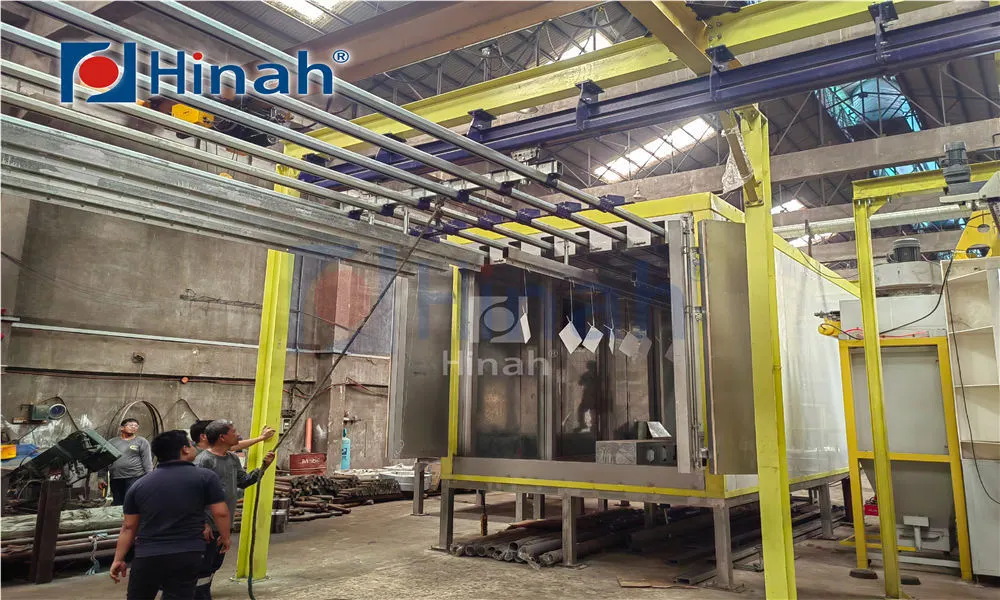
Powder spray booth with recovery or recycling
Electrostatic guns, pumps, and reciprocators
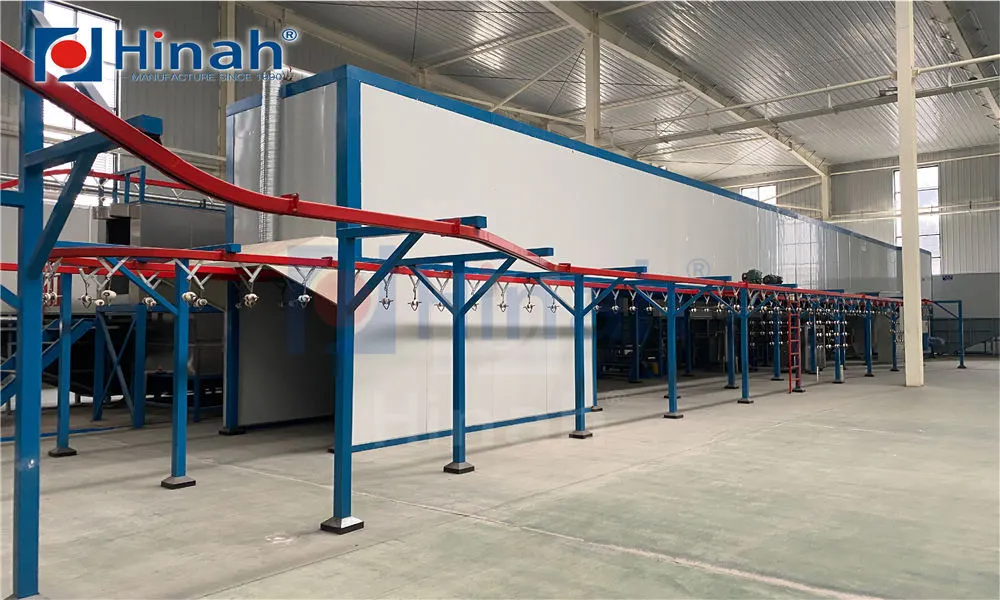
Curing oven with controlled heat zones
Conveyor, hangers, and part tracking
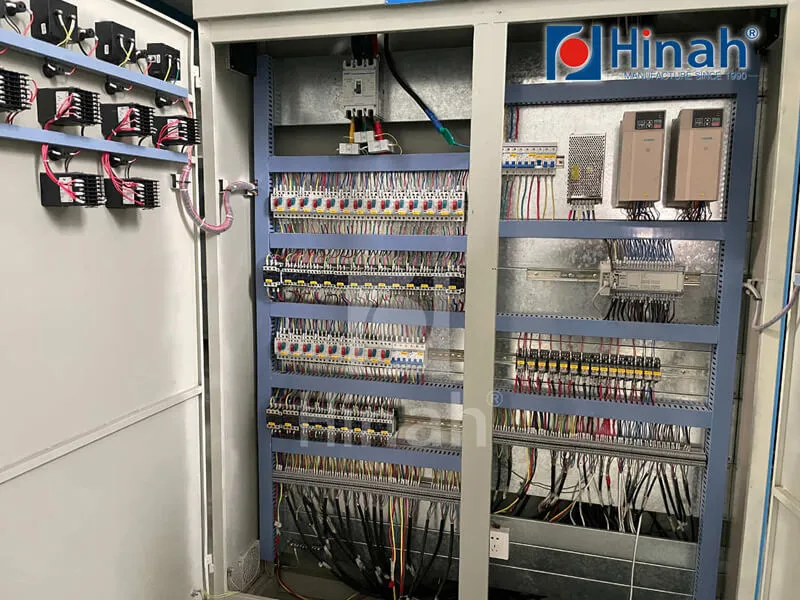
Control cabinet, interlocks, and safety sensors
Weak links show up fast. A booth rated for 200 parts per hour cannot feed an oven built for 400, no matter how good the guns are.
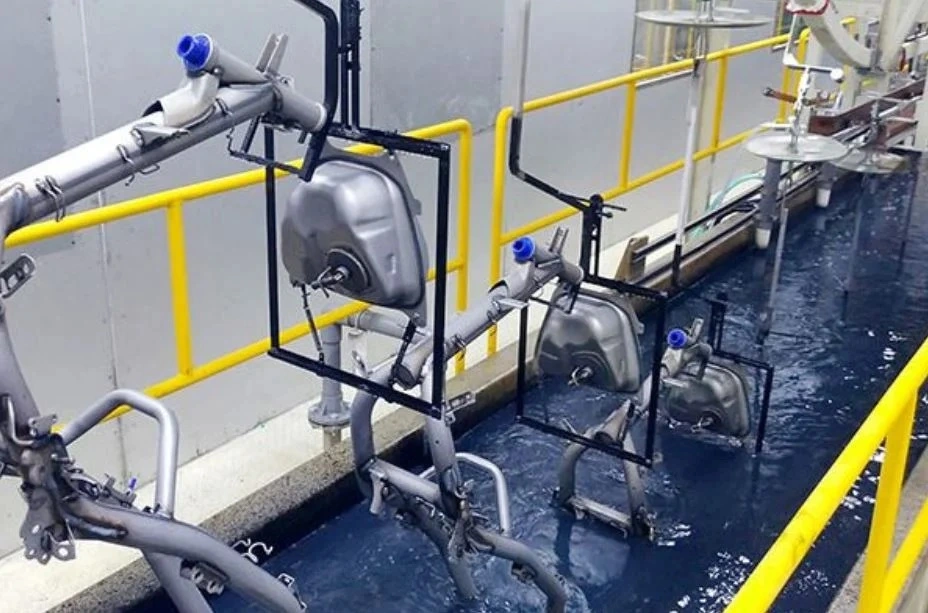
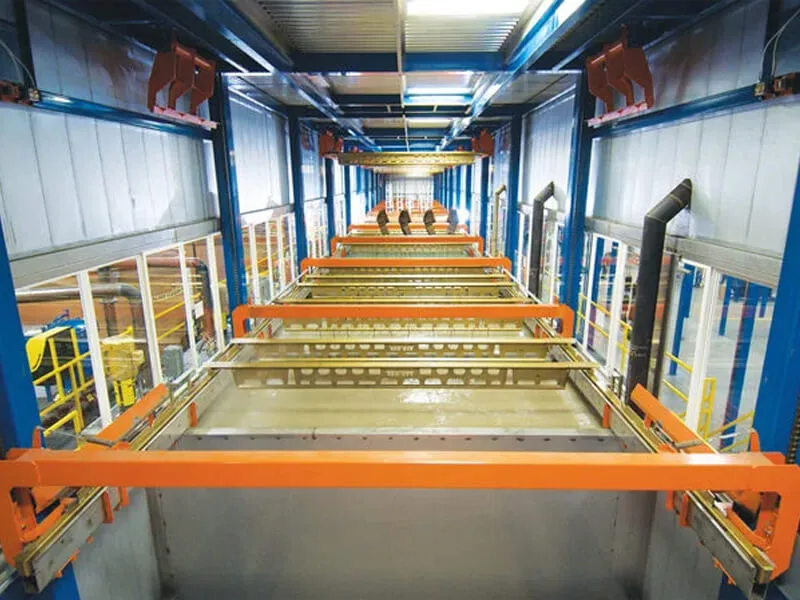
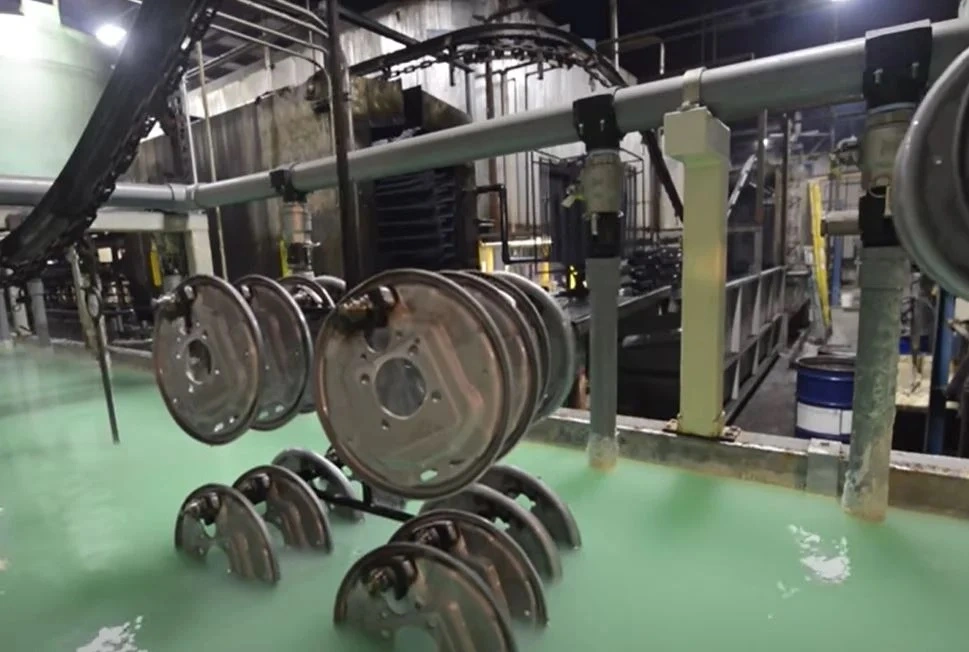
Cleaning removes oil, dust, and oxidation. Skipping or shortening this stage causes adhesion failures that only appear after curing.
Common options include spray washers, immersion tanks, and dry blasting for heavy substrates.
Electrostatic guns charge powder particles so they cling to the grounded part. Film thickness is controlled by gun settings, distance, and line speed.
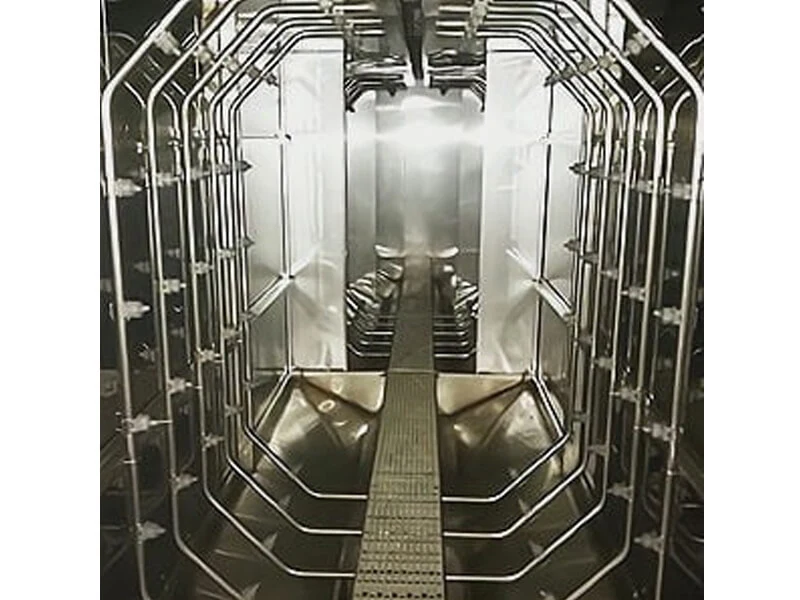
Booth design matters as much as the gun. Good airflow keeps overspray moving toward the recovery unit instead of settling on the floor.
The coated part enters an oven where powder melts, flows, and cross-links into a hard film. Time and temperature must follow the powder manufacturer's data sheet.
Under-cured parts look fine but chip early. Over-cured parts turn brittle and lose gloss.
The conveyor sets the rhythm of the whole line. Variable speed drives let you match oven dwell time without stopping production.
Modern control panels log temperature curves, track fault codes, and store recipes for different colors and substrates.
Best for job shops with varied parts and low to medium volume. Operators hang parts, spray, and move racks into the oven.
Lower initial investment
Fast color changes
Higher labor per part
Built for steady, high-volume output. Parts move through pretreatment, coating, and curing without manual handling.
Consistent film thickness
Lower cost per part at volume
Longer setup and higher capital cost
Small booths with integrated ovens suit workshops with limited floor space. They work well for touch-up work, prototypes, and small batches.
Price is only one column in the comparison table. Ask for data before you ask for a discount.
Throughput figures based on your actual part sizes
Power, gas, and compressed air consumption
Powder transfer efficiency and recycle rate
Oven temperature uniformity across a full load
Changeover time between colors
Spare parts availability and lead times
Reference installations running similar parts
Request a site visit or a live demonstration with your own components. Sample panels tell you more than a brochure ever will.
Architectural aluminum and window frames
Steel furniture and shelving
Automotive wheels, brackets, and chassis parts
Agricultural and construction machinery
Electrical enclosures and cabinets
Bicycle frames and e-bike components
Each sector has its own expectations. Architectural work demands UV-stable powders and tight color matching, while automotive suppliers need documented process control.
Two quotes for the same output can differ by a wide margin. The difference usually sits in these areas.
Line length and number of pretreatment stages
Oven type: batch, tunnel, or infrared hybrid
Number of guns and level of automation
Booth construction: steel, stainless, or polymer
Powder recovery versus full recycling
Control system complexity
Freight, installation, and commissioning
Cheap equipment often costs more over five years through powder waste, downtime, and rejected parts.
A line is only as good as its commissioning. Ask what the supplier provides after delivery.
Layout drawings and utility requirements
On-site assembly and alignment
Operator training on gun setup and oven recipes
Maintenance schedules and troubleshooting guides
Guaranteed spare parts window
Suppliers who train your team properly shorten the learning curve from months to weeks.
Simple routines keep a line running for a decade or more.
Clean guns and nozzles daily
Check grounding and hanger contact points
Replace filter cartridges on schedule
Verify oven temperature with a data logger monthly
Inspect conveyor bearings and chain tension
Track powder inventory and storage humidity
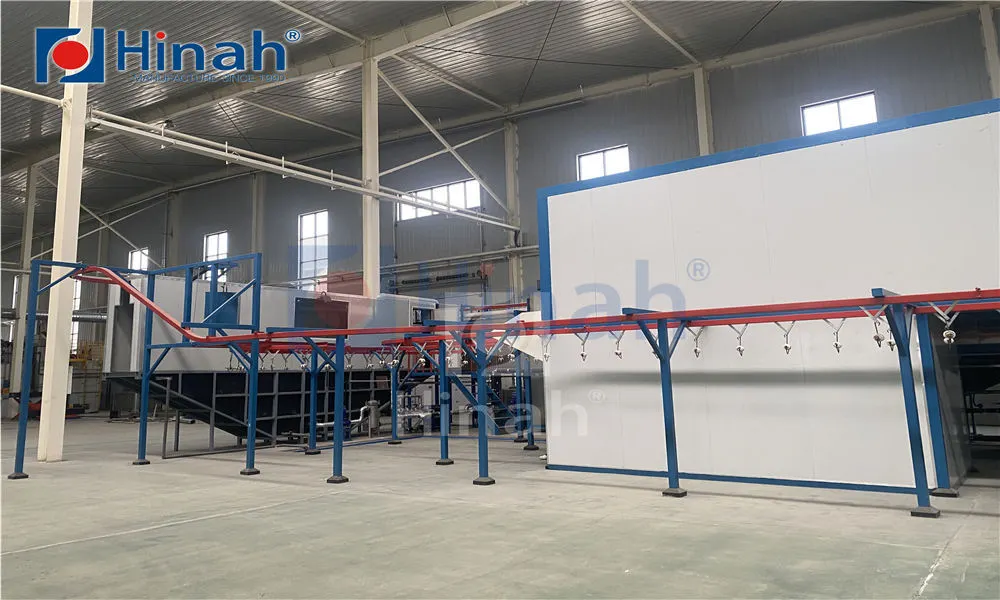
HANNA builds coating lines around the part, not around a catalog. The engineering team reviews your drawings, calculates cycle times, and proposes a layout that fits your floor space.
From pretreatment through curing, every stage is sized as one system. That approach reduces bottlenecks and makes future expansion easier.
Buyers who compare a powder coating equipment sale from HANNA against other quotes usually find the difference in documentation, testing, and after-sales response.
A1: A compact manual batch setup may start in the low tens of thousands of dollars. A full automated conveyor line with pretreatment, booth, and curing oven can exceed several hundred thousand. Final pricing depends on throughput, part size, and automation level.
A2: Small batch systems are often running within two to four weeks. Larger automated lines typically need six to twelve weeks for delivery, assembly, commissioning, and operator training.
A3: Epoxy, polyester, hybrid, polyurethane, and fluoropolymer powders all run on standard electrostatic equipment. The right choice depends on UV exposure, chemical resistance, and curing requirements.
A4: Yes, if the original layout leaves room. Modular booths, additional guns, and longer ovens can be added. Planning for expansion during the initial purchase is far cheaper than rebuilding later.
A5: Daily gun cleaning, regular filter replacement, grounding checks, and monthly oven calibration cover most needs. A documented schedule prevents most unplanned downtime.
A6: Ask for a temperature uniformity test across the loaded oven. Suppliers should provide data showing variation within acceptable limits for your powder specification, usually within plus or minus 5 degrees Celsius or better.
A7: Reputable suppliers include on-site training for operators and maintenance staff. HANNA, for example, delivers written procedures and hands-on sessions so your team can run the line independently.
Match the equipment to your parts, not to a spec sheet. Request real throughput data, test with your own components, and confirm what happens after the invoice is paid.
A carefully planned powder coating equipment sale gives you a line that runs for years with a predictable cost per part and fewer surprises on the shop floor.