Buying coating equipment is a long-term decision. One mistake in layout, throughput, or oven design can cost years of rework and lost production. This article covers the practical points plant managers and process engineers ask about most often.
A properly designed Automatic powder coating line moves parts through pretreatment, powder application, and curing with very little manual input. Every stage has to match the others, or the whole system becomes a bottleneck.
Below are seven areas worth studying before you sign a purchase order.
An automatic system handles the full sequence without operators touching each part. The conveyor sets the rhythm, and every downstream station follows that pace.
Manual lines depend on people for spraying and hanging. Automatic lines replace that with reciprocators, fixed guns, and programmable logic controllers.
Continuous conveyor transport of parts
Multi-stage chemical pretreatment and drying
Automated electrostatic powder application
Thermal curing in a convection or IR oven
Cooling, unloading, and inspection
Because the process is continuous, one weak stage limits the entire output. A slow cure oven, for example, forces you to reduce conveyor speed, which then wastes capacity in the booth.
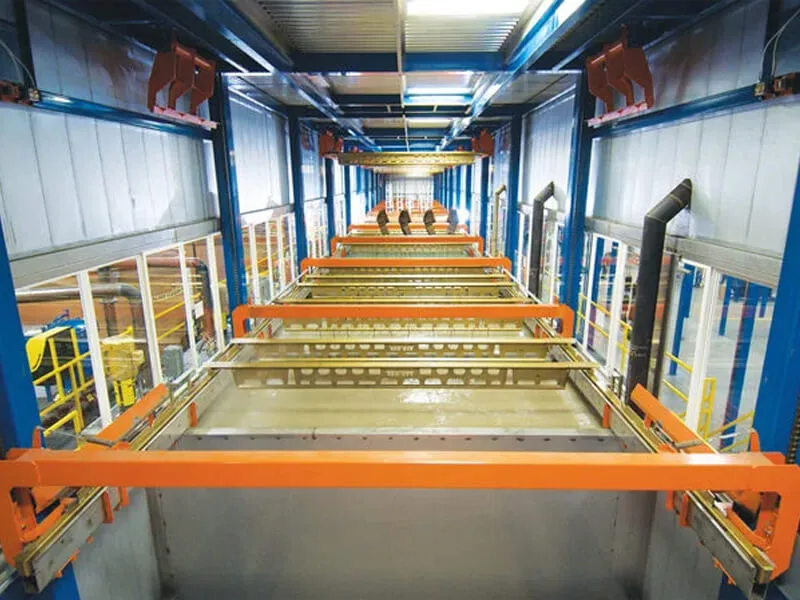
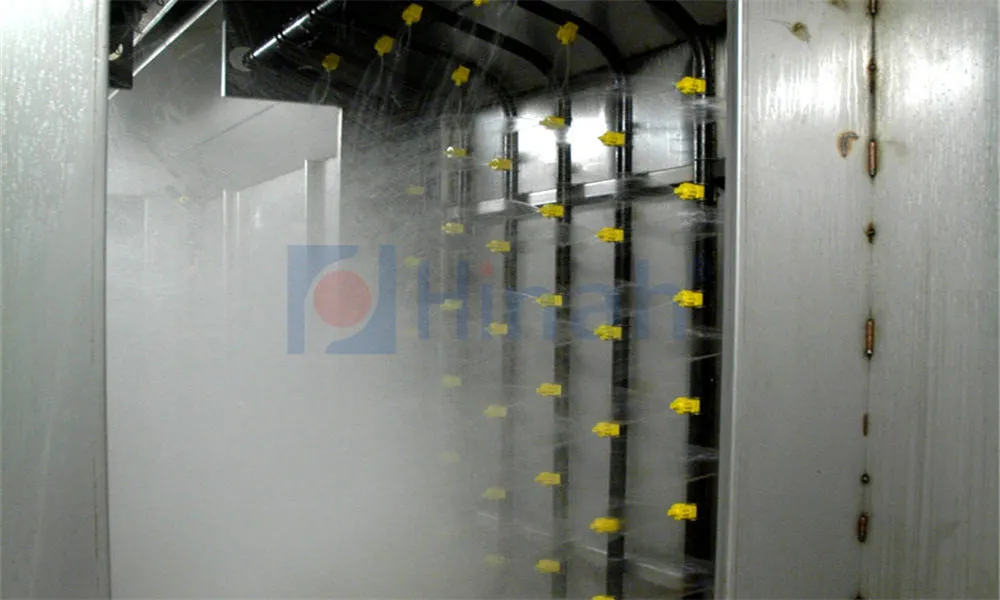
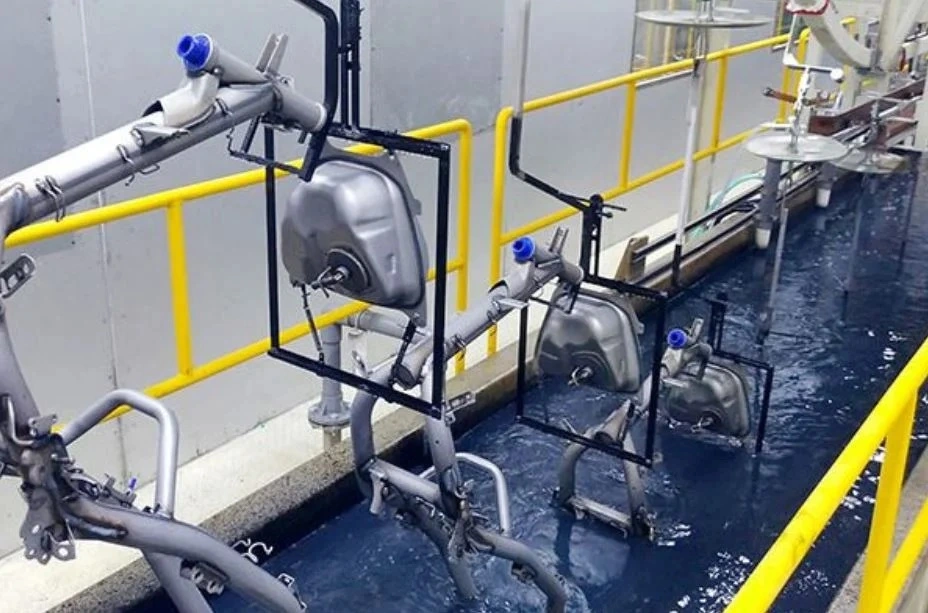
Pretreatment decides how well powder sticks. Skipping or shortening this stage shows up later as chipping and corrosion.
Number of stages: degreasing, rinse, conversion coating, final rinse
Tank material and heating method
Drain time between stages to avoid chemical carryover
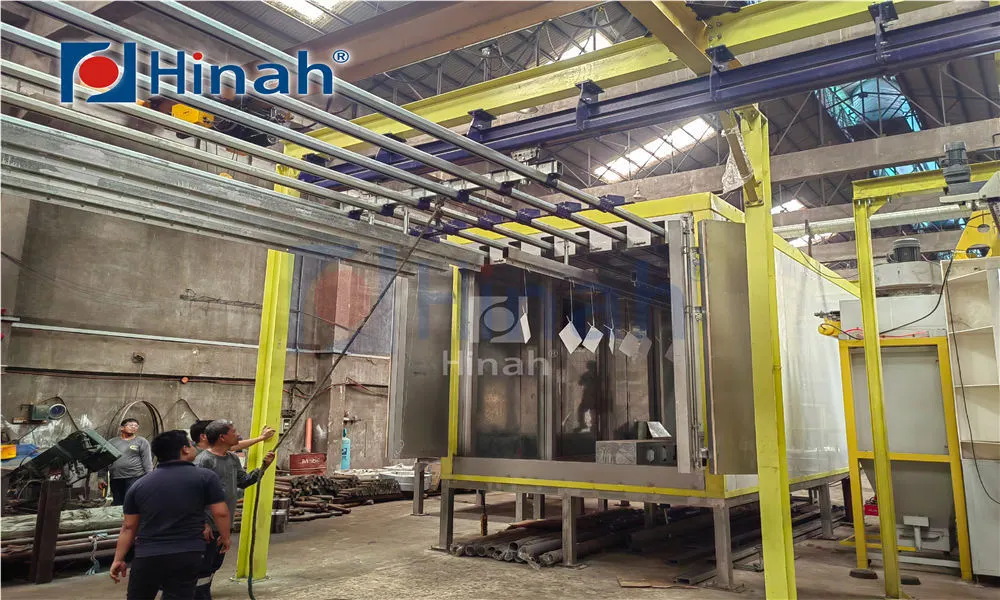
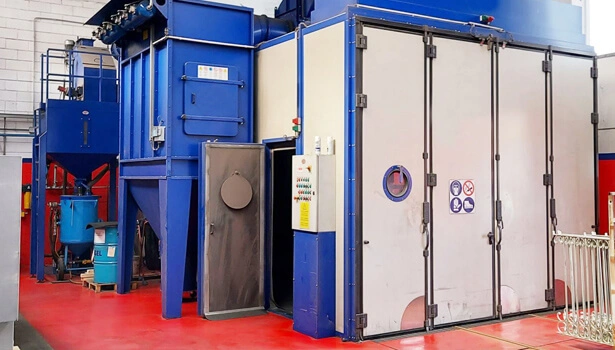
The booth controls overspray, airflow, and powder recovery. Poor airflow creates uneven film thickness and dirty parts.
Cyclone and cartridge filter combination
Recovery rate: quality systems return 90% or more
Color change time, especially for short production runs
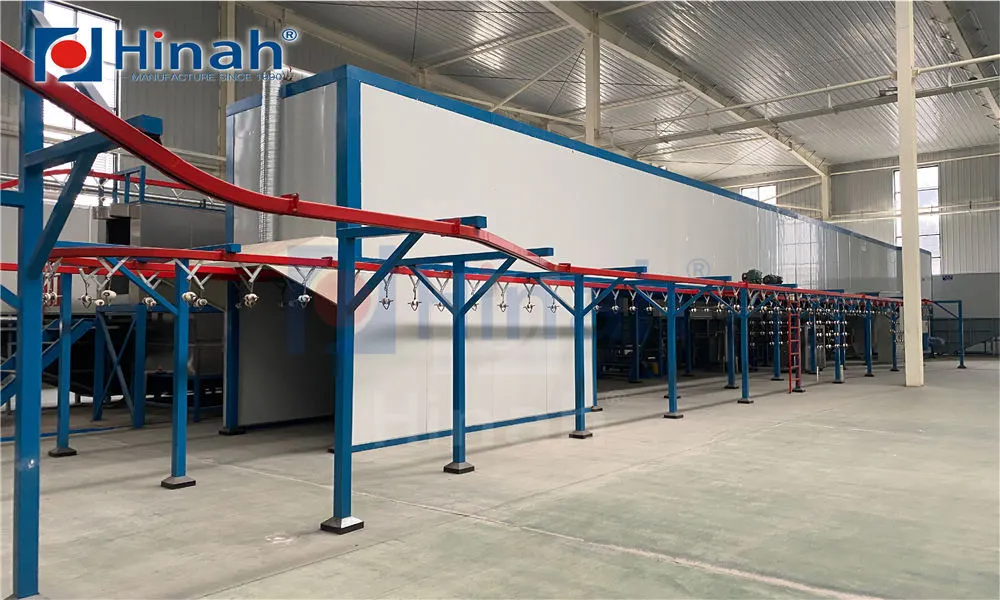
The oven is usually the largest single cost in the line. It also determines your maximum throughput.
Temperature uniformity across the full width
Insulation thickness and panel sealing
Heat source: gas, electric, or hybrid
The conveyor must run at a stable speed with no vibration. Vibration causes gun-to-part distance changes and uneven coating.
The control system should log oven temperatures, line speed, and gun parameters. Traceability matters more each year, particularly for automotive and appliance customers.
Line speed is the number that drives every other decision. Start with parts per hour, then work backward.
Suppose you need 600 parts per hour. If hangers hold two parts and hooks are spaced 300 mm apart, you need roughly 3 meters per minute of conveyor speed. Add a safety margin for rejects and changeovers.
When sizing an Automatic powder coating line, always design for the peak demand, not the average. Running a line at 100% capacity every day leaves no room for maintenance.
Calculate parts per hour, not just square meters
Include hanger density and part geometry
Reserve 15–20% capacity for future growth
Confirm the oven can cure at that speed
Powder is expensive. Recovery systems pay for themselves quickly when they are designed well.
A cyclone recovers the bulk of overspray, while cartridge filters capture the fine fraction. Together they can return most of the unused powder to the hopper.
Fast color change: under 15 minutes for many systems
Dedicated hoppers and feed lines per color
Automatic gun cleaning cycles
If your production involves many short runs in different colors, color change time matters more than recovery rate. A line that changes color slowly will sit idle for hours each week.
Energy is the largest ongoing cost after labor and powder. The curing oven typically accounts for more than half of total consumption.
Energy use on an Automatic powder coating line comes from oven burners, pretreatment tank heaters, conveyor drives, and booth fans.
Insulated oven panels reduce standby losses
Heat recovery from exhaust air lowers gas bills
Variable frequency drives on fans cut electricity use
Proper oven loading avoids reheating empty space
Ask the supplier for an estimated cost per square meter of coated surface. That single figure makes it easy to compare competing proposals.
Automation improves consistency, but it does not remove the need for checks. Sampling and documentation keep quality stable.
Film thickness measured with a magnetic or eddy current gauge
Adhesion testing by cross-hatch or impact
Oven temperature profiles recorded with data loggers
Visual inspection for orange peel, pinholes, and thin edges
Record the results per batch. When a defect appears, the data tells you whether the cause was pretreatment chemistry, gun settings, or oven temperature.
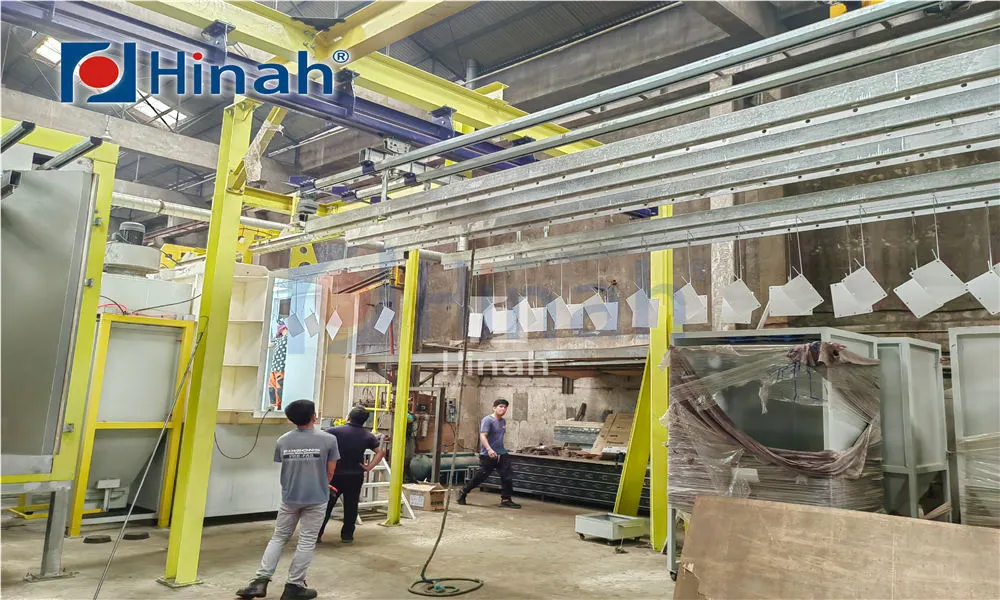
The equipment matters, but the supplier matters just as much. A line is a twenty-year asset, and support after installation decides how well it performs.
Reference installations in your industry
Spare parts availability and lead times
Operator training included in the contract
Remote diagnostics and service response time
HANNA designs and builds complete coating systems, from pretreatment through curing. Their team works with customers on layout, throughput planning, and commissioning.
A supplier who has already built an automatic powder coating line for parts similar to yours will avoid most of the common design mistakes. Ask for drawings, cycle time calculations, and a commissioning schedule before you commit.
A1: It is a continuous finishing system where parts travel on a conveyor through pretreatment, powder application, and curing. Reciprocators and fixed guns apply the powder instead of hand spraying, so output and film thickness stay consistent.
A2: Cost depends on line speed, number of pretreatment stages, oven size, and the number of guns. Small systems start in the low six figures, while high-volume lines for large parts can exceed several million. Always compare total cost per coated part, not just the purchase price.
A3: A compact line may fit in 300 square meters, while a full system with a long cure oven and cooling zone can need over 1,000 square meters. Layout also has to allow loading, unloading, and access for maintenance.
A4: Yes. Most modern lines use multiple hoppers, dedicated feed lines, and automatic cleaning cycles. Color change time is the key figure to check, since it directly affects how many short runs you can schedule each day.
A5: With correct pretreatment and curing, a powder coating can last 10 to 20 years outdoors, depending on the powder chemistry and climate. Polyester powders resist UV well, while epoxies offer better chemical resistance indoors.
A6: Many manufacturers see payback within two to four years. Savings come from lower labor, higher powder recovery, reduced rework, and the ability to run larger batch sizes without extra shifts.
A7: Not always. Some plants start by automating the booth and conveyor while keeping existing pretreatment and ovens. A phased approach lowers the initial investment, though the final layout should be planned from the beginning.
An automatic line is a long-term investment, and the details decide whether it pays off. Focus on line speed, oven performance, color change time, and supplier support.
Visit HANNA to review system options and discuss your production targets with their engineering team. Getting the design right at the start saves far more than any discount on equipment.