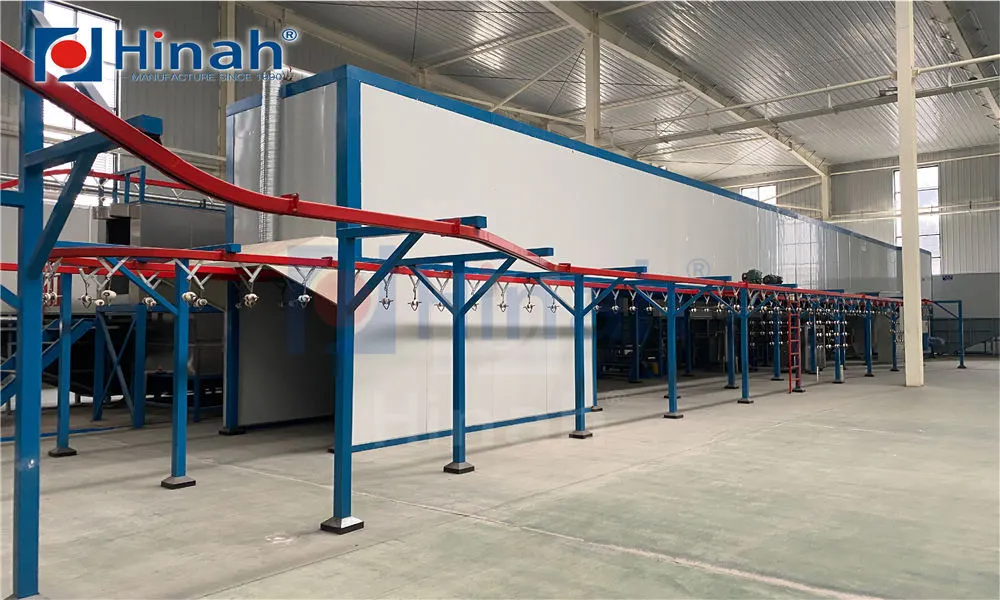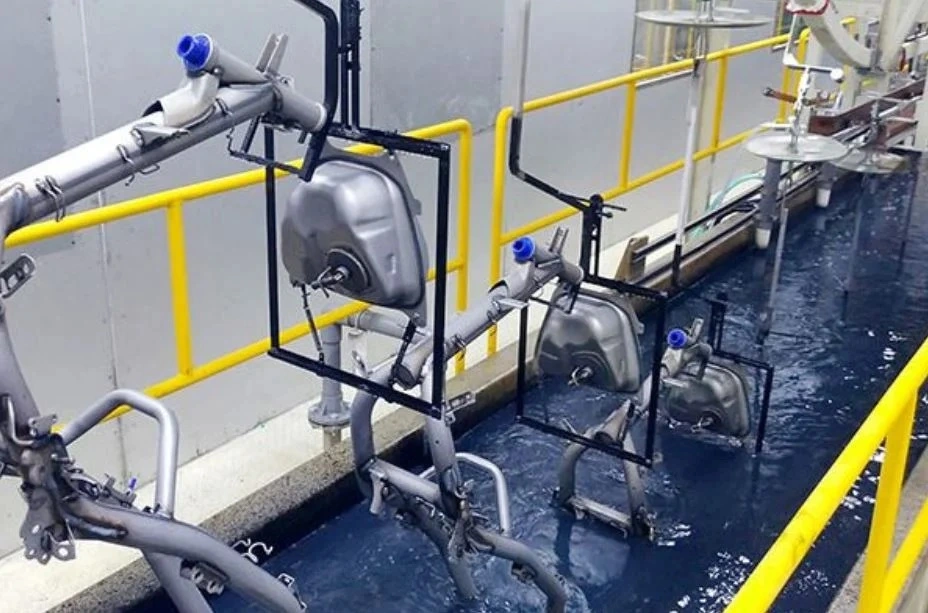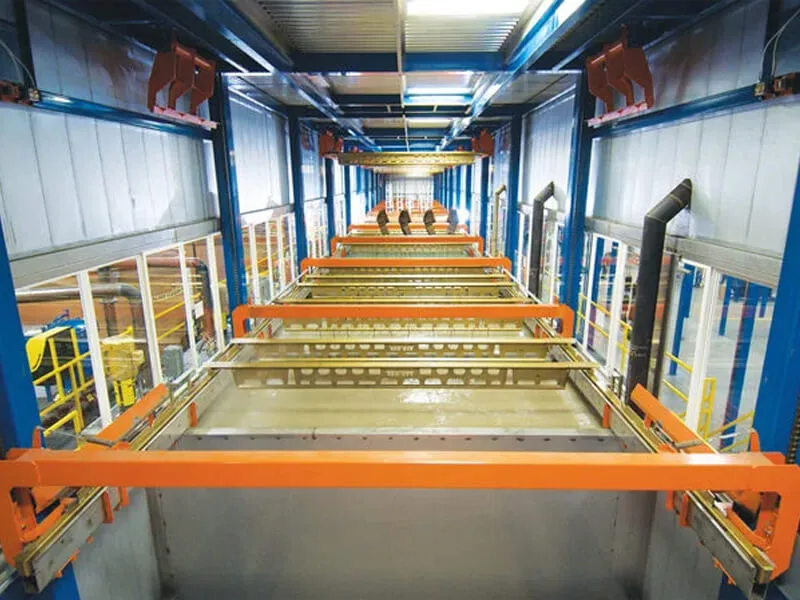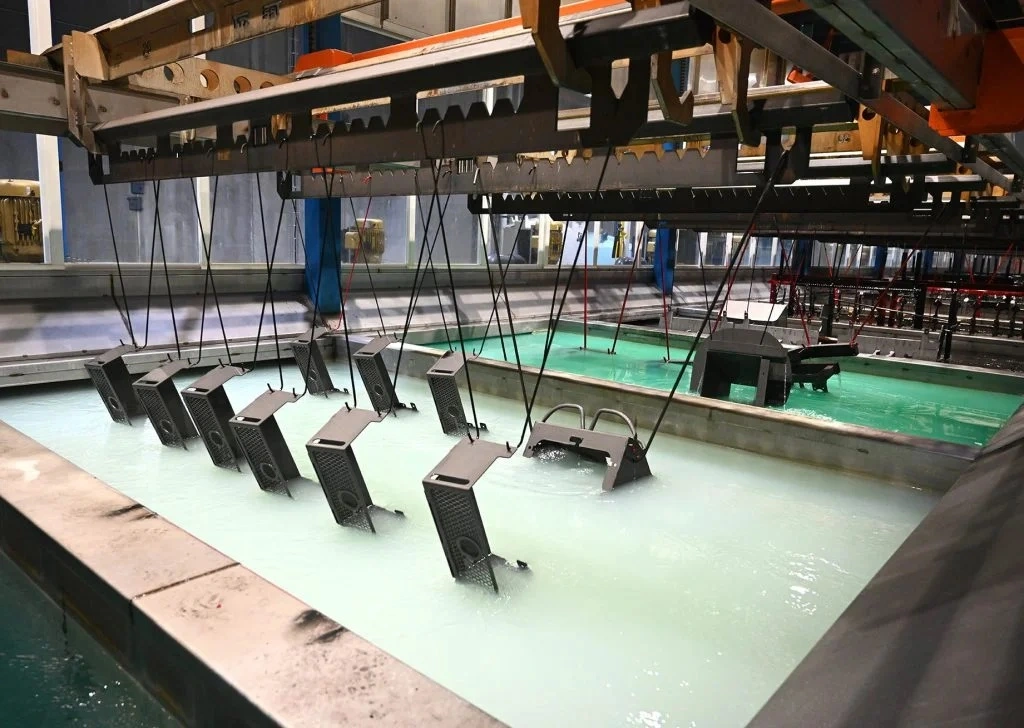
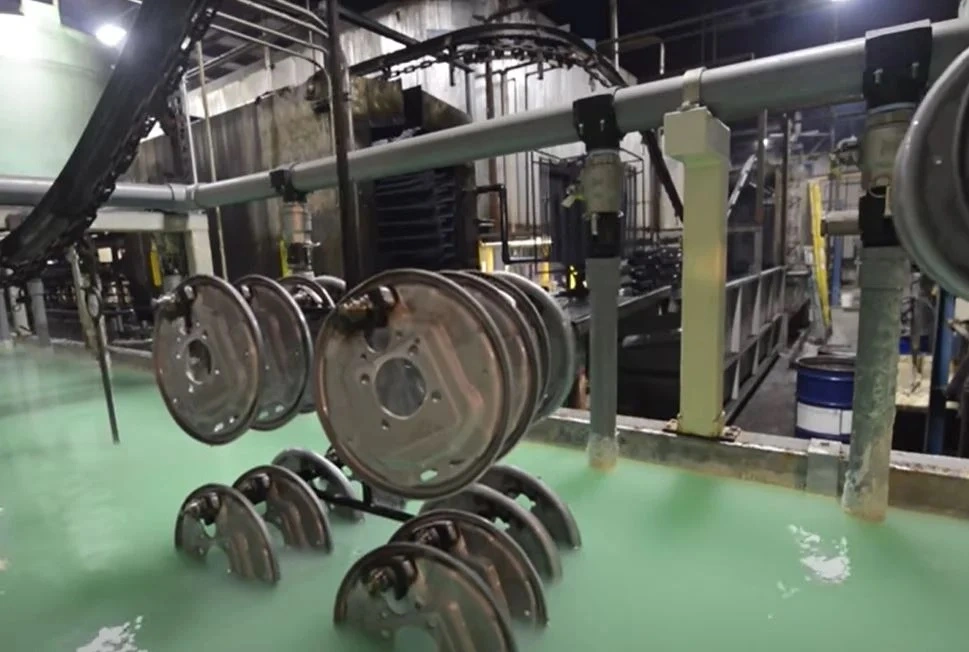

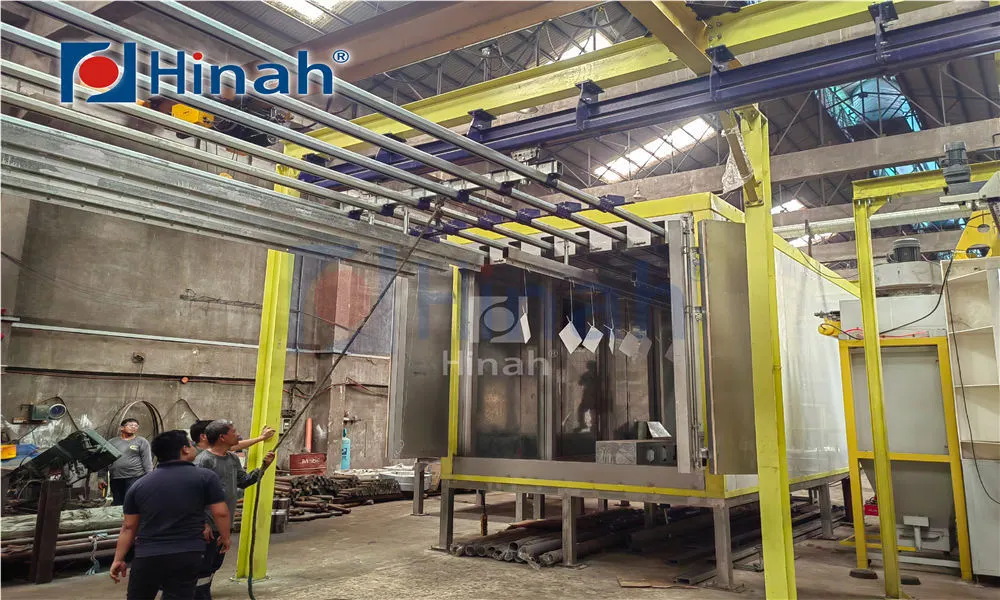
The Powder Coating Booth Oven represents the final and most decisive stage in the powder coating process. While the application booth determines transfer efficiency and film thickness, the oven determines whether the powder melts, flows, and crosslinks into a durable, uniform coating. Inconsistent oven performance produces orange peel, poor adhesion, or under-cure—defects that require costly stripping and rework. The powder coating booth oven must be engineered as an integral part of the coating line, matching the conveyor speed, part geometry, and powder chemistry to deliver repeatable cure profiles across every part that passes through.
Oven design involves selecting the heating technology, configuring airflow patterns, and designing the insulation and sealing systems. The interaction between these elements determines the thermal uniformity within the oven chamber. Temperature variations of ±5°C across the curing zone can produce unacceptable variations in gloss and mechanical properties. For high-volume industrial coaters, the Powder Coating Booth Oven must maintain its performance over multiple shifts, with minimal drift in temperature control and consistent heat distribution.
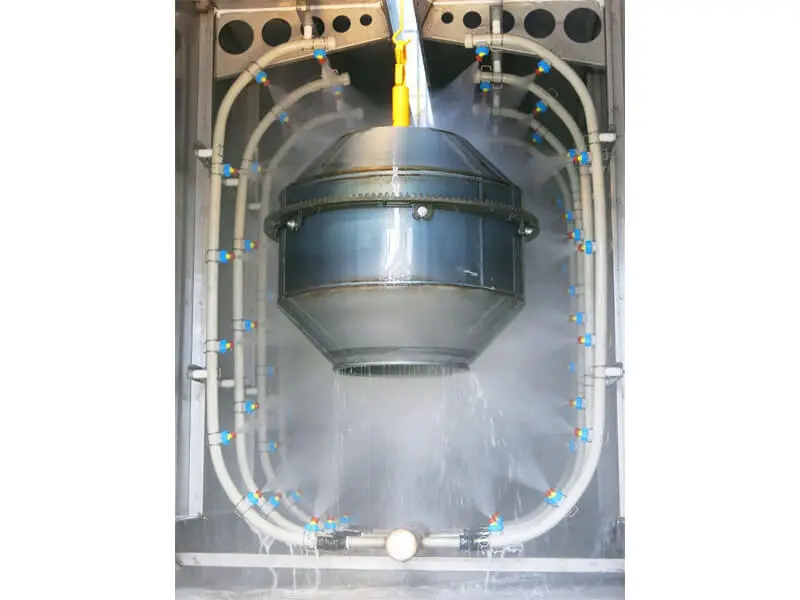
The choice of heating method directly affects the curing speed, energy consumption, and the quality of the finished coating. Convection ovens, infrared ovens, and hybrid systems each offer distinct advantages depending on the part geometry, substrate material, and production throughput.
Convection ovens circulate heated air through the curing chamber, transferring heat to the powder-coated parts via forced convection. The air is heated by gas burners or electric elements and distributed through a system of ducts and nozzles. The airflow pattern must be designed to envelop each part evenly, preventing temperature gradients that could cause uneven cure. Recirculation of the oven atmosphere improves thermal efficiency by reclaiming heat from the exhaust stream.
The air velocity and turbulence within the oven influence the heat transfer rate to the part surface. Higher air velocities increase the heat transfer coefficient, accelerating the temperature rise of the powder. However, excessive air velocity can disturb the powder layer on the part, creating surface defects or even removing the powder before it melts. The velocity profile must be optimized for the specific part geometry and powder formulation.
Convection ovens excel in curing complex shapes with high thermal mass, such as castings and fabricated assemblies. The gradual heating provided by convection allows the entire part to reach the cure temperature without thermal shock. The ability to program temperature ramps and hold times gives operators control over the cure profile, accommodating different powder chemistries and substrate materials.
Infrared ovens use radiant energy to heat the part surface directly, bypassing the air as the heat transfer medium. The infrared radiation is absorbed by the powder and the substrate, converting to heat within the coating layer. This direct heating mechanism enables rapid temperature rise, reducing the time required to reach the melting and curing temperatures. For high-speed production lines, infrared ovens offer a compact footprint and fast response to changes in part loading.
Infrared heaters are available in medium-wave and short-wave configurations, each with different penetration depths and heating characteristics. Medium-wave infrared penetrates deeper into the coating, heating the entire film thickness more uniformly. Short-wave infrared provides intense surface heating, suitable for thin coatings on high-absorptivity substrates. The selection of heater type must match the powder composition and the substrate's thermal properties.
One limitation of infrared ovens is their sensitivity to part geometry. Shadows created by complex shapes can produce uneven heating, with some areas reaching cure temperature while others remain under-cured. Adjusting the placement of heaters and using reflectors can mitigate this effect, but the geometry of the part must be considered in the oven design. Hybrid systems combine infrared and convection heating to leverage the speed of infrared with the uniformity of convection, addressing the limitations of each technology.
Hybrid ovens incorporate both infrared heaters and convection air circulation in a single curing zone. The infrared elements provide rapid initial heating, bringing the powder to melting temperature within seconds. The convection system then maintains the cure temperature and ensures uniform heat distribution throughout the part. This two-stage approach reduces overall curing time while maintaining the consistency required for high-quality finishes.
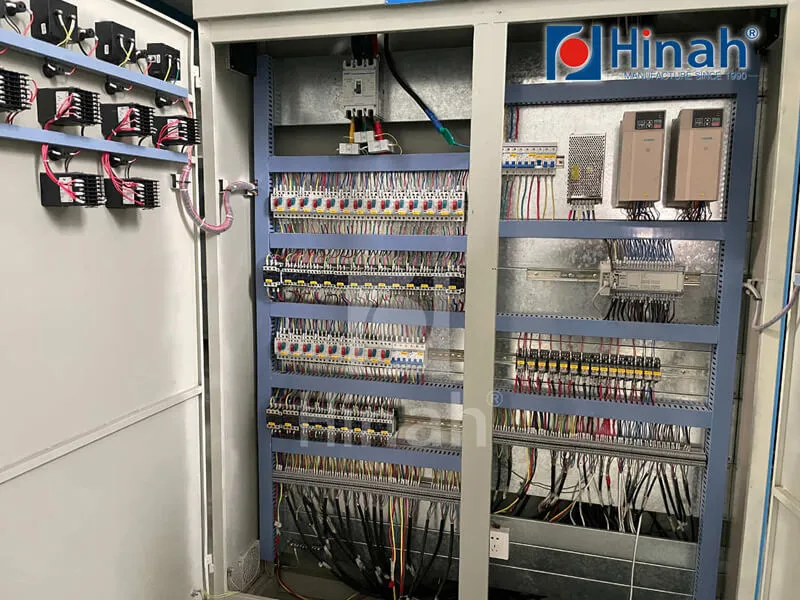
The control system in a hybrid oven manages the power to the infrared heaters and the temperature of the recirculated air. Sophisticated control algorithms adjust the heat input based on the conveyor speed and the thermal load of the parts entering the oven. The integration of these two heating methods requires careful calibration to avoid over-heating or under-heating any section of the part.
For powder coating lines with varying part geometries and production rates, hybrid ovens offer the flexibility to adapt to changing conditions. The infrared stage can be optimized for high-speed production of flat panels, while the convection stage ensures consistent cure for heavier parts that require longer heat soak times. The Powder Coating Booth Oven in a hybrid configuration represents a versatile solution for job shops and high-mix production environments.
The uniformity of temperature within the oven chamber is the primary determinant of curing consistency. Airflow management strategies, including recirculation patterns and nozzle placement, create a controlled thermal environment that minimizes temperature gradients across the part.
The air distribution system in a convection oven consists of supply ducts, return ducts, and a fan that drives air circulation. The supply ducts direct heated air into the oven chamber through nozzles or perforated plates, creating a controlled airflow pattern. The return ducts collect the air after it has passed over the parts and direct it back to the heating source.
The airflow pattern within the oven must be designed to prevent dead zones where air stagnation leads to temperature gradients. Computational fluid dynamics (CFD) simulations assist in optimizing the nozzle placement and air velocity to achieve uniform heat distribution. The simulations model the air flow over the parts and predict the temperature profile within the oven, allowing engineers to refine the design before fabrication.
Air curtains at the entrance and exit of the oven prevent the escape of heated air and the ingress of ambient air. These curtains use a high-velocity stream of air to create a barrier that minimizes thermal loss. The effectiveness of the air curtains depends on the velocity and temperature of the barrier air, as well as the pressure differential between the oven and the surrounding environment.
Temperature profiling involves measuring the temperature of parts as they pass through the oven, using thermocouples attached to the parts or sensors mounted along the conveyor path. The profile provides data on the time-temperature history of the part, confirming that the powder reaches and maintains the required cure temperature for the specified duration.
Control systems maintain the oven temperature within the specified setpoint, adjusting the heat input based on feedback from sensors. Modern control systems use PID (proportional-integral-derivative) algorithms to maintain tight temperature control, responding to changes in the thermal load caused by variations in part weight or conveyor speed. The control system must be tuned to the thermal dynamics of the oven, balancing responsiveness against stability.
Data logging of temperature profiles provides a record of the curing process, supporting quality control and traceability. The data is used to validate the oven's performance during commissioning and to monitor the process over time. Deviations from the standard profile trigger alarms, alerting operators to potential issues before they affect coating quality.
The conveyor system moves parts through the powder coating line, from the pretreatment stage to the application booth, through the powder coating booth oven, and to the cooling and unloading area. The interaction between the conveyor and the oven must be designed to maintain the cure profile while accommodating the physical constraints of the production line.
Conveyor speed directly affects the dwell time of parts in the oven. For a given oven length, slower speeds increase the residence time, while faster speeds reduce it. The conveyor speed must be set to provide the required curing time at the specified temperature. Changes in production rate require adjustments to the conveyor speed, which in turn may require changes to the oven temperature to maintain the proper cure profile.
Part spacing on the conveyor influences the thermal loading of the oven. Closely spaced parts restrict airflow and create shadowing effects, leading to uneven heating. The part spacing must be optimized to allow sufficient air circulation around each part, ensuring that the convective heat transfer reaches all surfaces. The conveyor design must accommodate the loading requirements, with fixtures that hold parts securely and maintain the required spacing.
The conveyor chain or belt must withstand the elevated temperatures within the oven without distortion or loss of lubrication. High-temperature conveyor chains with expansion joints and sealed bearings are specified for powder coating applications. The track system must accommodate thermal expansion, with expansion gaps and guides that maintain alignment as the conveyor heats and cools.
Integrated systems from manufacturers such as HANNA are designed to match the conveyor dynamics with the oven performance, ensuring that the entire coating line operates as a cohesive unit. The engineering of the conveyor-oven interface includes the design of entrance and exit vestibules, the alignment of the chain track, and the synchronization of the control systems.
The thermal efficiency of the Powder Coating Booth Oven depends on the effectiveness of the insulation and sealing systems. Heat losses through the oven walls and leakage around the entrance and exit openings represent a significant portion of the oven's energy consumption. Minimizing these losses reduces operating costs and improves the stability of the oven's thermal environment.
Insulation materials used in oven construction include mineral wool, ceramic fiber, and calcium silicate boards. The insulation thickness and density determine the thermal resistance of the wall panels, reducing heat conduction to the exterior surfaces. The insulation must be rated for the maximum operating temperature of the oven, with a safety margin to accommodate control system variations.
Panel joints in the oven enclosure must be sealed to prevent air leakage, which would allow the escape of heated air and the ingress of cold air. Seals at the entrance and exit openings, such as flexible curtains or air seals, maintain the internal pressure and prevent heat loss. The sealing system must accommodate the conveyor movement, providing a barrier without impeding the passage of parts.
Heat recovery systems capture thermal energy from the exhaust stream and use it to preheat the incoming fresh air or to heat water for other processes. The use of heat exchangers in the exhaust duct reduces the overall energy consumption of the oven, improving the sustainability of the coating operation. The integration of heat recovery requires an analysis of the exhaust flow and temperature, with design considerations for the heat exchanger material and configuration.
The curing reaction of powder coatings is a function of time and temperature. Each powder formulation has a recommended cure schedule, specified by the manufacturer, that defines the minimum temperature and duration required to achieve complete crosslinking. The powder coating booth oven must be capable of delivering the required thermal environment to meet this specification for each powder in the coating line.
Thermosetting powders require a specific cure temperature, typically between 160°C and 200°C, with a dwell time of 10 to 20 minutes. Thermoset polyester, epoxy, and hybrid powders each have different curing kinetics, with some requiring lower temperatures but longer times. The oven design must account for the range of powders used in the operation, with the flexibility to adjust temperature and dwell time as needed.
Substrate material affects the heating rate and the final temperature distribution within the part. Metals with high thermal conductivity, such as aluminum, heat quickly and achieve uniform temperature throughout the part. Metals with lower conductivity, such as steel, may have temperature gradients between the surface and the interior, requiring longer soak times to reach equilibrium. The oven's heating strategy must account for the thermal properties of the substrate to ensure that the powder surface reaches the cure temperature while the interior does not overheat.
The powder coating line must validate the cure schedule for each part and powder combination, using test panels or sample parts to confirm that the mechanical and aesthetic properties meet the specifications. The validation includes testing adhesion, impact resistance, and solvent resistance, as well as visual inspection for surface defects. The oven's performance is a key variable in the validation, and the operating parameters are set to maintain the validated conditions.
Regular maintenance of the powder coating oven ensures consistent performance and extends the service life of the equipment. A scheduled maintenance program includes inspections of the heating elements, burner systems, circulation fans, and air distribution components. The frequency of maintenance depends on the operating hours of the oven and the demands of the production schedule.
Heating elements and burner systems require periodic inspection for wear and contamination. Deposits from the powder or from the combustion process can reduce the efficiency of the heat transfer and increase the risk of failure. Cleaning of the heating surfaces, including the combustion chambers and the heat exchanger surfaces, restores the heat transfer performance and maintains the oven's thermal efficiency.
Circulation fans and motors need lubrication and inspection of their bearings and belts. Vibration or noise from the fan indicates potential imbalance or bearing wear, requiring corrective action before a failure occurs. The fan blades and the air distribution ducts require cleaning to remove dust and powder residue that could obstruct airflow or contaminate the oven atmosphere.
Temperature sensors and control instruments must be calibrated at regular intervals to maintain the accuracy of the temperature control. Drift in sensor readings can lead to incorrect oven temperatures, resulting in curing defects. Calibration of the sensors and verification of the control system's performance is part of the maintenance program, with records maintained for quality assurance.
HANNA provides maintenance support and technical consultation for powder coating systems, ensuring that thePowder Coating Booth Oven and other line components operate at the required performance levels. The support includes spare parts, service visits, and remote diagnostics, helping coaters maintain the reliability of their equipment.
Oven design and operation must comply with safety regulations, including the prevention of fires and explosions. Powder coatings are combustible, and the oven environment contains the necessary conditions for a fire—heat, fuel, and oxygen. The design must incorporate safety features that prevent ignition, detect and suppress fires, and provide safe egress for personnel in the event of an emergency.
Explosion venting, fire suppression systems, and temperature interlocks are standard safety features on powder coating ovens. The explosion vents provide a path for the release of pressure in the event of an explosion, preventing catastrophic failure of the oven structure. The fire suppression system detects flames and releases a fire-extinguishing agent, typically water or a dry chemical, to extinguish the fire. The temperature interlocks shut down the heating system if the temperature exceeds a safe limit.
Environmental compliance involves the control of emissions from the oven, including volatile organic compounds (VOCs) and combustion by-products. The powder coating materials release small amounts of VOCs during the curing process, particularly from the decomposition of organic components in the powder. The oven exhaust must be directed to an emission control system, such as an oxidizer or a carbon adsorber, to meet environmental regulations. The design of the exhaust system must consider the flow rate and temperature of the exhaust gases, as well as the removal efficiency of the control system.
Q1: What distinguishes a Powder Coating Booth Oven from a standard industrial oven?
A1: A powder coating booth oven is specifically designed for the curing of powder coatings, with features that address the unique requirements of the powder coating process. These features include temperature uniformity within the curing zone, airflow management that prevents disturbance of the powder layer, and integration with the coating line's conveyor system. The oven's controls are calibrated to the curing schedule of powder coatings, with temperature ramps and hold times that support the crosslinking reaction.
Q2: How does the choice of heating method—convection, infrared, or hybrid—affect the finish quality?
A2: Convection heating provides uniform temperature distribution, suitable for complex parts and thick substrates, producing consistent gloss and mechanical properties. Infrared heating accelerates curing, reducing line length and increasing throughput, but may cause uneven heating on complex shapes. Hybrid ovens combine both methods, using infrared for rapid melting and convection for uniform cure, delivering high finish quality at increased production speeds.
Q3: What are the critical parameters for achieving a consistent cure profile?
A3: The critical parameters include the oven temperature uniformity, the conveyor speed (which determines dwell time), and the airflow distribution within the oven. Temperature profiling with part-mounted thermocouples confirms that the entire part reaches the required cure temperature for the specified duration. The control system must maintain the setpoint temperature within tight tolerances, typically ±5°C, to avoid under-cure or over-cure.
Q4: How is the powder coating oven integrated with the rest of the coating line?
A4: The oven is integrated with the conveyor system that transports parts from the application booth through the curing stage. The conveyor speed and part spacing are coordinated with the oven's heating capacity to maintain the specified dwell time. The oven's control system is linked to the line's overall control, with interlocks that ensure the conveyor stops if the oven temperature deviates from the setpoint.
Q5: What maintenance practices extend the service life of a powder coating booth oven?
A5: Regular maintenance includes cleaning of the heating elements and air distribution components, lubrication of the circulation fans and motors, calibration of temperature sensors, and inspection of the insulation and sealing systems. The frequency of maintenance depends on operating hours, with quarterly inspections for high-volume production lines. Records of maintenance activities support the reliability of the equipment and the consistency of the curing process.
Q6: What safety features are essential for a powder coating oven?
A6: Essential safety features include explosion venting, fire suppression systems, and temperature interlocks. The explosion vents release pressure in the event of an internal explosion, preventing structural damage. The fire suppression system detects and extinguishes flames, protecting the oven and the facility. The temperature interlocks shut down the heating system if temperatures exceed the safe limit, preventing thermal runaway.
Q7: How does oven design accommodate different part geometries and substrates?
A7: Oven design accommodates part geometry through adjustable airflow patterns, conveyor speeds, and the selection of heating technology. Convection ovens with directed airflow can be adjusted for different part shapes, while infrared ovens can be zoned to address specific heating requirements. The oven's control system allows adjustment of the temperature profile to match the thermal properties of the substrate and the powder chemistry.
For detailed engineering and design support for your powder coating line, contact HANNA. Our team provides system engineering, equipment supply, and technical consultation to ensure your powder coating booth oven delivers consistent, high-quality finishes for your production requirements.