Selecting the right partner for your finishing operations is a strategic decision. The market offers numerous options, but not all powder coating equipment manufacturers deliver the same level of engineering, durability, or system integration. This article examines seven essential aspects to evaluate, ensuring your investment supports productivity, quality, and long-term profitability.

Standardised lines rarely fit the unique constraints of existing factories or specific product geometries. Leading powder coating equipment manufacturers prioritise bespoke design. They analyse your part dimensions, conveyor paths, and curing requirements before proposing a solution.
Customisation extends beyond basic dimensions. It includes:
Adjustable spray gun configurations for complex shapes
Modular oven sections for variable throughput
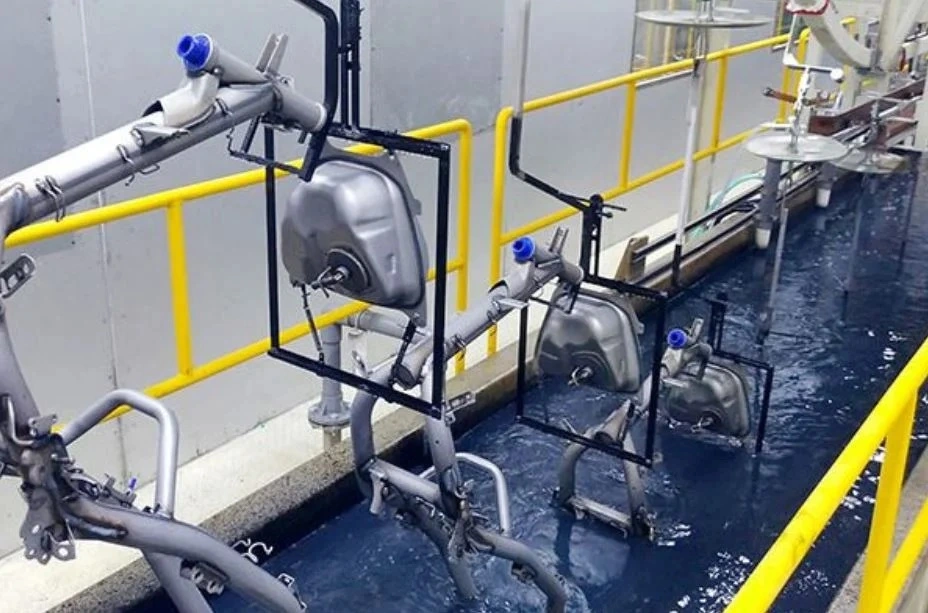
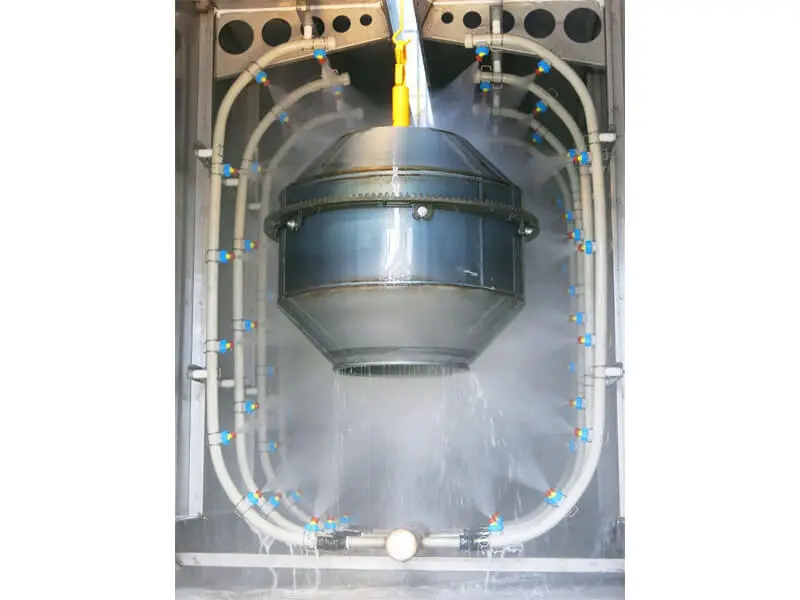
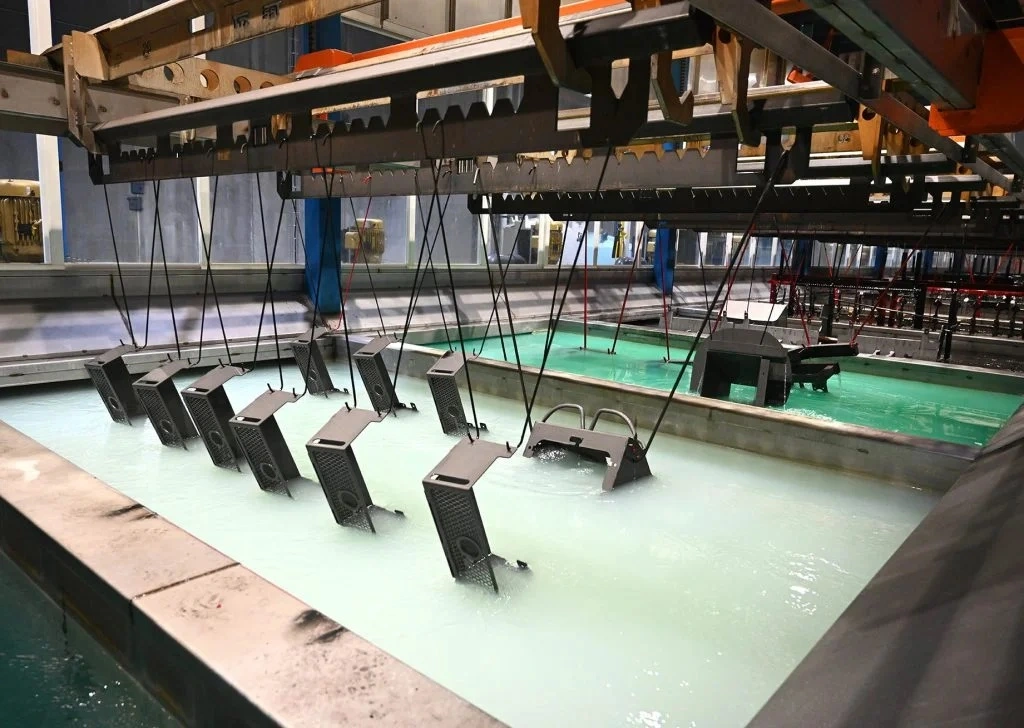
Integrated pretreatment stages tailored to substrate materials
This approach minimises powder waste and rejects. For instance, HANNA engineers frequently modify booth airflow patterns to improve transfer efficiency, directly impacting material costs. A tailored system reduces downtime associated with changeovers, a critical factor for job shops handling diverse orders.
Modern manufacturing demands agility. A quality system from reputable powder coating equipment manufacturers accommodates both high-volume runs and small, specialised batches without excessive setup time. This flexibility hinges on several design features.
Key elements that enable this adaptability include:
Variable conveyor speed controls for adjusting cure cycles
Quick-colour-change booths with efficient recovery systems
Programmable parameters for powder flow and atomisation
Such versatility allows a single line to serve automotive, architectural, and appliance sectors. HANNA integrates user-friendly interfaces that store multiple recipes, enabling operators to switch between different powder types—epoxy, polyester, or hybrid—with minimal recalibration.
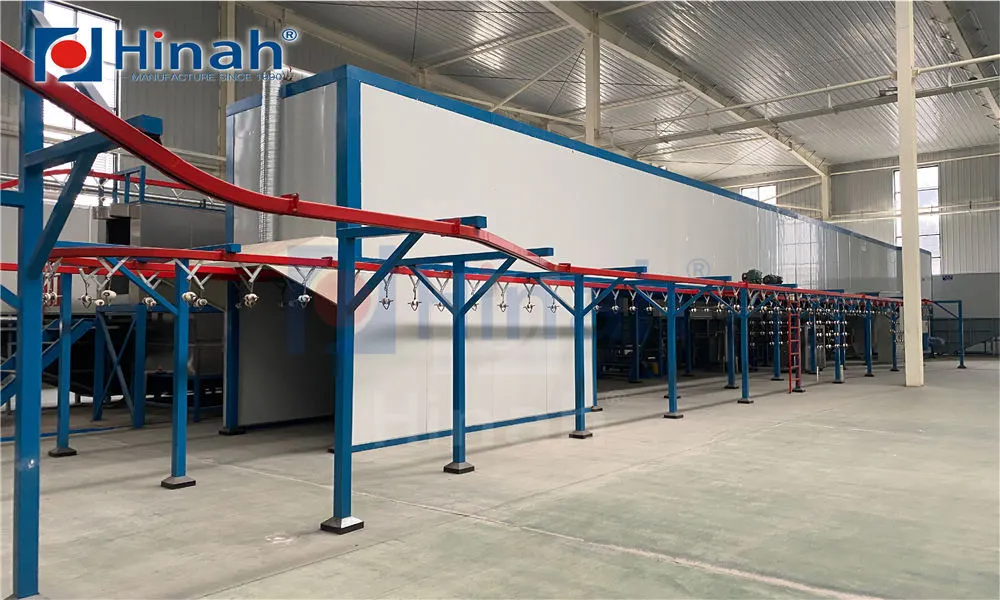
Energy efficiency directly affects the bottom line. Advanced powder coating equipment manufacturers incorporate insulation, heat recovery, and optimised burner systems to lower gas and electricity usage. Ovens represent a significant portion of energy expenditure, so design matters enormously.
Consider these efficiency benchmarks when evaluating proposals:
Oven wall thickness and material quality to reduce thermal loss
Recirculating airflow designs that maintain uniform temperatures
Variable frequency drives on fans and conveyor motors
Modern systems often feature data monitoring for real-time consumption tracking. Investing in high-efficiency equipment typically yields payback within two to three years through reduced utility bills, making it a financially sound choice for operations of any scale.
Few facilities have the luxury of a completely new layout. Therefore, compatibility with current material handling systems, upstream processes, and downstream packaging is vital. Experienced powder coating equipment manufacturers offer seamless integration services.
Integration planning should cover:
Mechanical interfaces with existing conveyors or robots
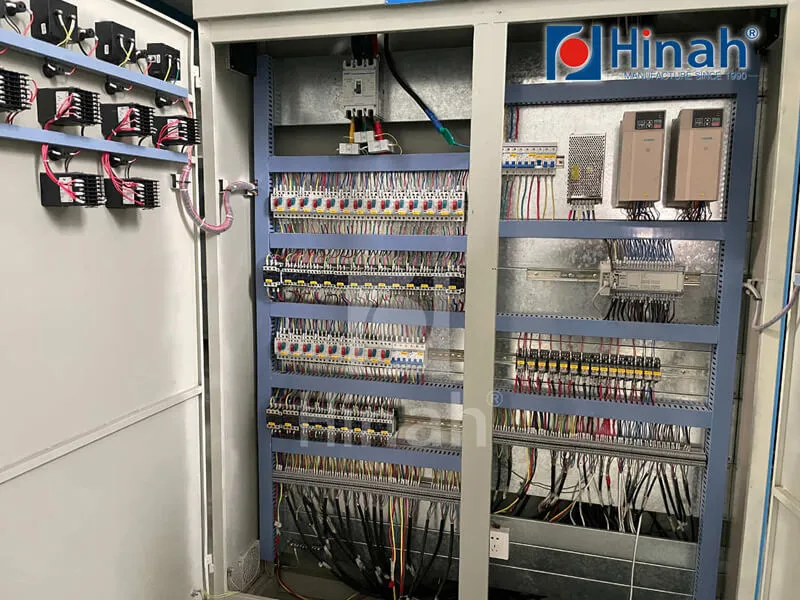
Electrical and control system synchronisation (PLC compatibility)
Physical footprint and floor loading requirements
Poor integration leads to bottlenecks and quality inconsistencies. Manufacturers like HANNA often conduct on-site surveys to map out connection points, ensuring the new powder coating line complements rather than complicates your workflow.
Unplanned stoppages cost time and money. Reliable equipment from established powder coating equipment manufacturers includes robust components and clear maintenance protocols. Simple access to wear parts—such as gun nozzles and filters—reduces service time.
A comprehensive support package should include:
Detailed documentation for routine checks and lubrication
Availability of spare parts with defined lead times
Remote diagnostics capabilities for troubleshooting
Proactive maintenance plans extend equipment life. Manufacturers often provide training for in-house technicians, empowering them to handle minor adjustments. This reduces dependency on external service calls and keeps production running smoothly, especially during peak seasons.
Regulatory requirements for VOC emissions and workplace safety are stringent. Responsible powder coating equipment manufacturers design systems that exceed local and international environmental norms. This includes efficient booth extraction and filtration.
Safety features that should be standard include:
Explosion-proof electrical components in powder zones
Interlocked access doors and emergency stops
Grounding systems to prevent static discharge
Choosing compliant equipment mitigates legal risks and creates a safer environment for operators. It also positions your company favourably for tenders with large corporations that audit their supply chain for sustainability practices.
Finally, the manufacturer’s reputation provides insight into their capability. Long-standing powder coating equipment manufacturers with a global footprint often have proven solutions for various industries. Requesting references from similar operations is advisable.
When evaluating a supplier, investigate their:
Installation history in your specific sector (e.g., automotive, furniture)
Case studies demonstrating problem-solving for complex projects
International certifications and quality assurance processes
A solid track record indicates consistent performance. Established manufacturers typically offer extensive warranties, reflecting confidence in their engineering. HANNA, for example, provides comprehensive warranties and has a portfolio spanning numerous countries, demonstrating reliability across diverse operating conditions.
Selecting from the range of powder coating equipment manufacturers requires balancing technical specifications, cost, and long-term partnership value. Focus on those who offer customisation, flexibility, and robust after-sales support. A well-chosen system enhances productivity, improves finish quality, and reduces environmental impact.
Thorough due diligence—including site visits, trial runs, and detailed contract reviews—will pay dividends. Prioritise manufacturers that engage in transparent communication and demonstrate a genuine understanding of your production goals, ensuring a successful collaboration for years to come.
Q1: What is the typical lead time for a custom-engineered powder
coating line?
A1: Lead times generally range from 8 to 16 weeks.
This period depends on system complexity, customisation level, and current
production schedules at the manufacturer’s facility. For standardised modules,
delivery may be quicker, whereas fully bespoke lines with specialised ovens or
conveyor systems require additional engineering time.
Q2: Can powder coating equipment efficiently process both small
sample batches and large production runs?
A2: Yes, modern systems
are designed for this flexibility. Features like quick-colour-change booths,
adjustable conveyor speeds, and programmable settings allow operators to switch
between batch sizes with minimal downtime. This adaptability is crucial for job
shops and contract coaters serving diverse clients.
Q3: What routine maintenance is essential for keeping a powder
coating line operational?
A3: Essential maintenance includes daily
cleaning of spray gun tips and powder recovery filters, weekly checks of
conveyor chain tension and lubrication, and monthly calibration of oven
thermocouples and airflow sensors. Periodic professional inspections are also
recommended to ensure optimal performance and prevent unexpected failures.
Q4: Do manufacturers typically provide installation supervision and
operator training?
A4: Most reputable manufacturers offer
comprehensive installation support and on-site training. This ensures your team
understands safety protocols, basic troubleshooting, and efficient operation
procedures. Proper training significantly reduces the learning curve and
maximises equipment uptime from the first production day.
Q5: Is it possible to integrate new powder coating equipment with my
existing conveyor or pretreatment system?
A5: Yes, integration is a
standard consideration. Professional manufacturers conduct site surveys to
ensure mechanical and electrical compatibility with your current infrastructure.
They design interfaces to minimise disruption, allowing the new line to operate
seamlessly alongside existing machinery.
Q6: How does the equipment handle different powder types, such as
epoxy or polyester?
A6: High-quality equipment is designed for
versatility. It can process a wide range of powders, including epoxies,
polyesters, acrylics, and hybrid formulations. Adjustable spray parameters and
interchangeable nozzle sets accommodate varying particle sizes and flow
characteristics, ensuring excellent finish quality regardless of the
material.
Q7: What energy-saving technologies are commonly incorporated into
modern powder coating lines?
A7: Common energy-saving features
include high-efficiency burner systems, thick oven insulation, heat recovery
from exhaust gases, and variable speed drives on motors. These technologies
reduce overall energy consumption while maintaining consistent curing
temperatures, leading to lower operational costs and a smaller carbon
footprint.