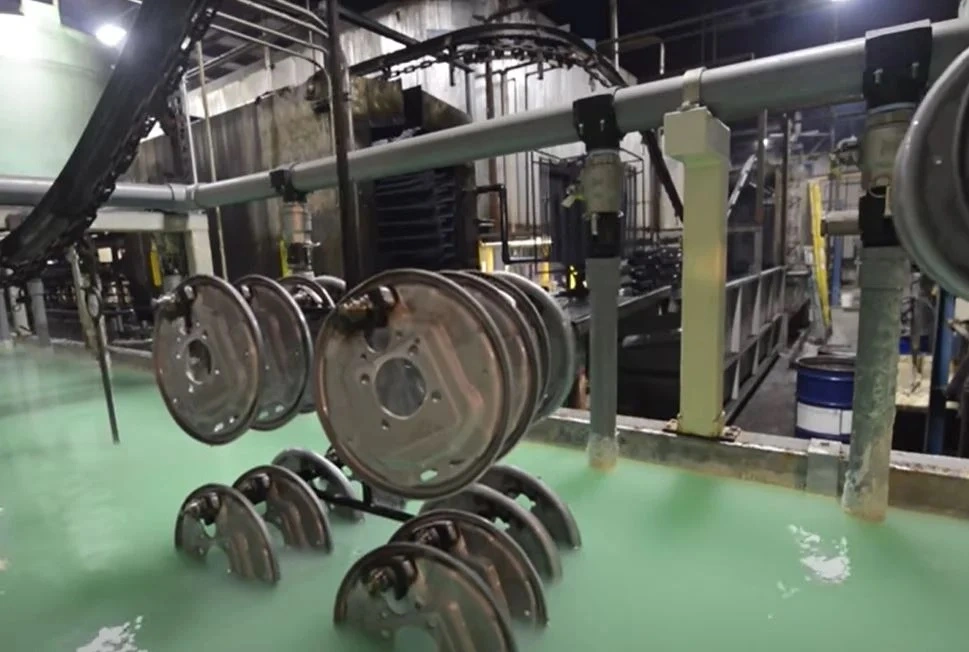
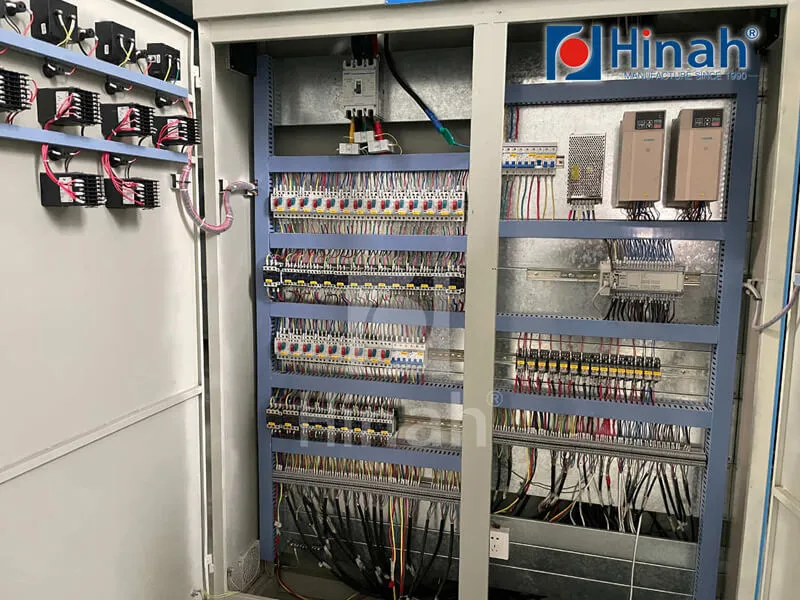
Every durable, high-quality powder coated product starts in two key pieces of equipment. The powder coating booth and oven form the core of any finishing line. The booth is where the material is precisely applied. The oven is where it transforms into a tough, protective shell. Getting the right combination and ensuring they work in harmony is critical for success. Neglecting one compromises the other. This article breaks down the function, selection, and synergy of the powder coating booth and oven for shop owners and managers.
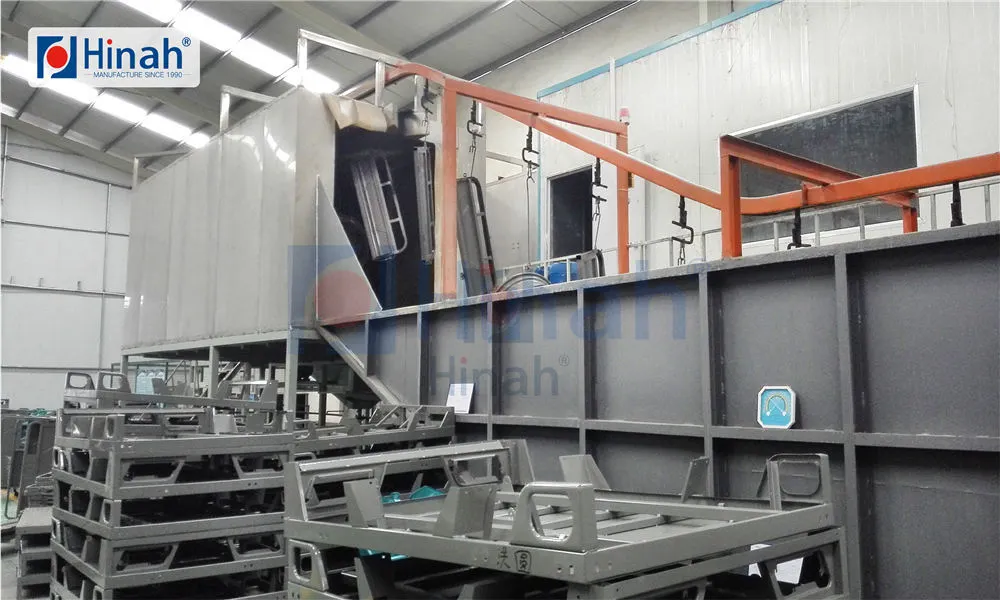
A powder coating booth is a controlled environment for application. Its primary job is to contain overspray and ensure operator safety. But modern designs do much more.
Efficient airflow is the key feature. A steady, laminar flow of air draws powder toward the part and away from the operator. This draft carries overspray into the recovery system. Proper airflow prevents powder from escaping into the shop.
Booths come in several configurations. Open-face booths are common for manual applications. They are cost-effective and allow easy access. Downdraft booths pull air from the top, down past the part, and out the bottom. This design is excellent for capturing overspray on complex parts.
Crossdraft booths move air horizontally. They are often used in simpler setups or for specific part geometries. The choice depends on your parts, production volume, and available space.
The true value of a modern booth lies in its recovery system. This is what makes powder coating a sustainable process. Overspray is not wasted; it is collected and reused.
Most systems use a cyclone recovery method. Powder-laden air enters a cyclone separator. Centrifugal force throws the heavier powder particles to the walls, where they fall into a collection hopper.
The finer particles then pass through cartridge filters. These filters capture the remaining powder. A pulse-jet cleaning system periodically shakes the powder off the filters, sending it to the collection hopper.
From there, virgin powder is automatically mixed with the reclaimed powder. This blend is then fed back to the application gun. A high-quality recovery system can achieve over 95% material utilization.
After application, the coated part moves to the powder coating oven. Here, heat triggers a chemical reaction, not just melting. This process is called crosslinking.
The oven must bring the metal substrate to a specific temperature. This "metal temperature" must be held for a precise amount of time. This is the cure schedule, found on the powder manufacturer's technical data sheet.
Uniform heat distribution is non-negotiable. Hot or cold spots cause defects. Under-cured powder is soft and lacks adhesion. Over-cured powder can become brittle or discolored.
Industrial ovens use powerful fans and strategically placed baffles. This creates turbulent, consistent air movement. Every surface of the part, including recesses, must reach the correct temperature.
Your production style dictates your oven choice. There are two main types, each with distinct advantages.
Batch ovens, like walk-in or truck-in models, are versatile. You load a batch of parts, close the door, and run a complete heat cycle. They are ideal for low-volume, high-mix shops or very large, bulky items. Flexibility is their main benefit.
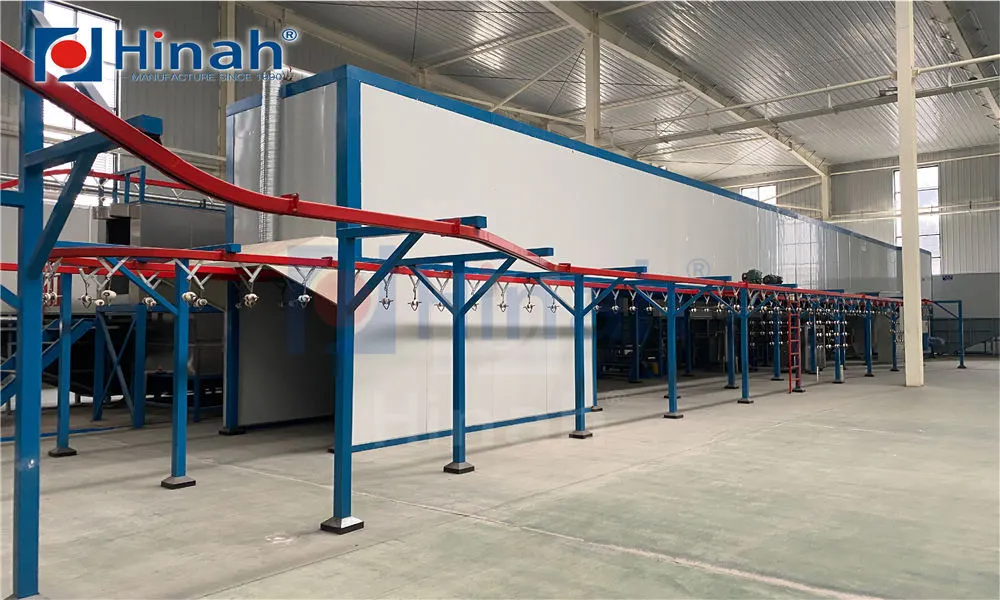
Conveyorized ovens are for continuous production. Parts on a conveyor move through the oven at a constant speed. The oven has different zones for heating and curing. This setup is perfect for high-volume operations with similar part sizes. Throughput and consistency are the goals.
A common mistake is viewing the powder coating booth and oven as separate purchases. They are interconnected stages in a single process. Their performance is linked.
For example, a part must be perfectly clean and dry before powder application. Any moisture will vaporize in the oven, causing blisters. The booth environment must also be free of contaminants that could land on the wet powder before curing.
The line conveyor system is the physical link. It must be rated for the oven's temperature. It must move parts smoothly from the booth to the oven without jostling. Any disruption affects finish quality.
Electrical and control systems should be integrated where possible. A well-designed line allows for coordinated operation, monitoring, and troubleshooting of both the booth and the oven from a central point.
Choosing the right equipment requires careful analysis. Don't just buy the biggest booth or the cheapest oven. Consider these factors:
Part size and geometry determine booth opening size and oven interior dimensions. You must accommodate your largest regular part with ample clearance for airflow.
Production volume and target throughput are critical. They dictate whether you need a manual batch system or an automated conveyorized line. Calculate your required cure time and oven length based on your conveyor speed.
Available utilities are a practical concern. Does your facility have sufficient electrical power for a large electric oven, or is natural gas available? Air compressor capacity must meet the demands of the booth's recovery system and automatic guns.
Future growth should be considered. Can the system be expanded or modified? Investing in a slightly larger oven or a booth with modular panels can save significant cost later.
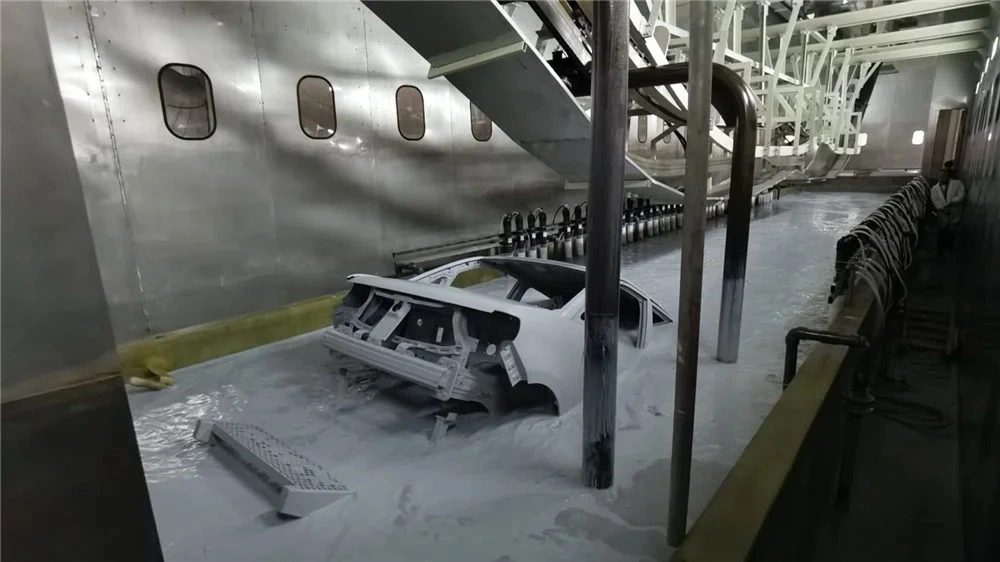
At HANNA, we specialize in designing cohesive systems. We don't just sell a standalone powder coating booth and oven. We engineer a complete, synchronized finishing solution.
Our process starts with understanding your specific parts and goals. We then design a booth with the correct airflow pattern and recovery efficiency for your application style. We match it with an oven engineered for precise thermal uniformity for your cure schedule.
We focus on the integration points: the transfer zone, conveyor design, and control interface. A HANNA line ensures that a part coated optimally in the booth is cured perfectly in the oven, with minimal delay or handling.
Our expertise turns two pieces of major equipment into a single, high-performance asset for your business.
The powder coating booth and oven are the foundation of your operation's output. The booth controls application quality and material cost. The oven determines the final performance properties of the coating.
Investing in well-designed, properly sized, and integrated equipment pays continuous dividends. It results in higher first-pass quality, lower operating costs, and greater customer satisfaction. Partnering with an experienced provider like HANNA ensures your booth and oven work in perfect harmony from day one.
Q1: Can I use a powder coating booth for liquid paint?
A1: No, you cannot. A powder coating booth is specifically designed for dry powder. It uses a different airflow and a dry filtration/recovery system. Liquid paint booths are designed to handle wet overspray, typically using water wash systems. Using the wrong booth will cause severe damage and create a safety hazard.
Q2: How important is oven ventilation?
A2: Extremely important. Proper ventilation serves two key purposes. First, it removes volatile gases released from the powder during the initial heating phase. Second, it controls the moisture level inside the oven cavity. Too much moisture can cause finish defects. All professional ovens, like those from HANNA, include correctly sized ventilation systems.
Q3: How often do I need to clean my powder coating booth?
A3: Daily maintenance is essential. Wipe down interior surfaces with a damp cloth to prevent powder buildup, which can fall onto parts. Empty collection hoppers regularly. The cartridge filters require periodic deep cleaning or replacement, depending on usage. A well-maintained booth ensures consistent airflow and powder reclaim quality.
Q4: What's the main energy cost: the booth or the oven?
A4: The powder coating oven is almost always the largest energy consumer in the line. It requires significant power to heat a large space to high temperatures (often 350-400°F+). The booth mainly runs fans and a compressed air system for cleaning, which uses less energy. Investing in a well-insulated, efficient oven is crucial for managing operating costs.
Q5: Can I retrofit an old oven with a new control system?
A5: Yes, retrofitting older ovens with modern digital controls is a common and smart upgrade. Companies like HANNA offer this service. New controls provide precise temperature profiling, better data logging, and improved reliability. This can extend the life of your oven and significantly improve cure consistency without the cost of a full replacement.