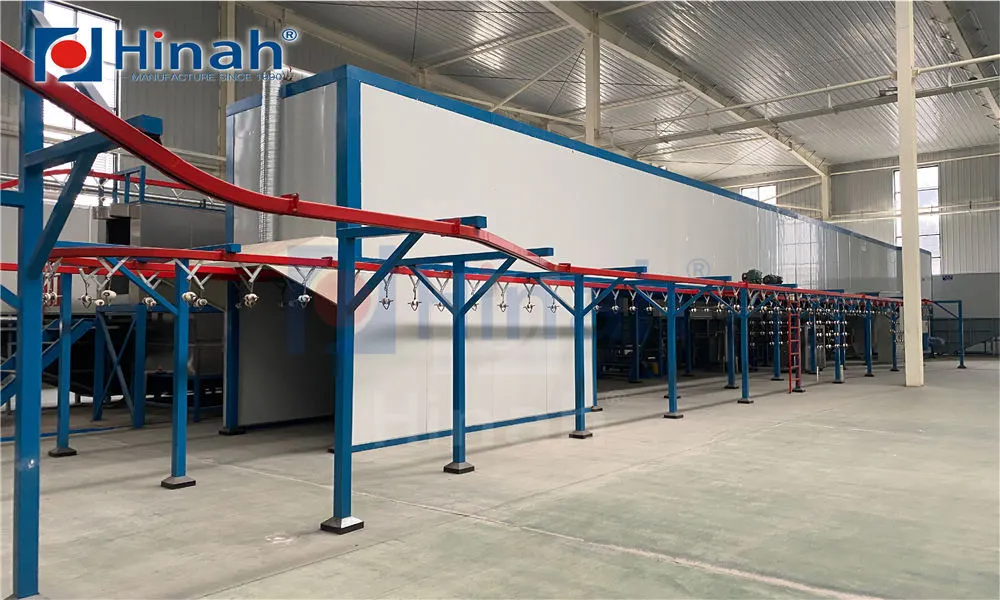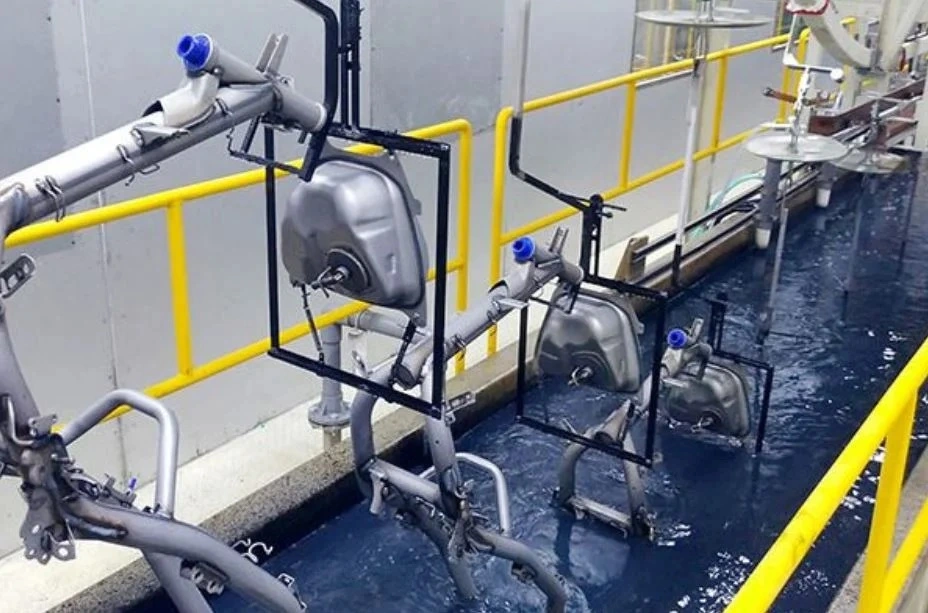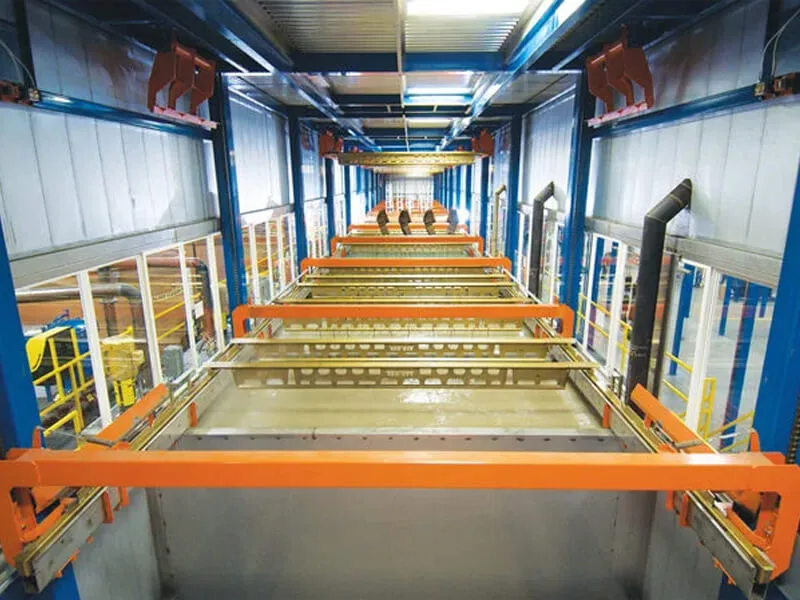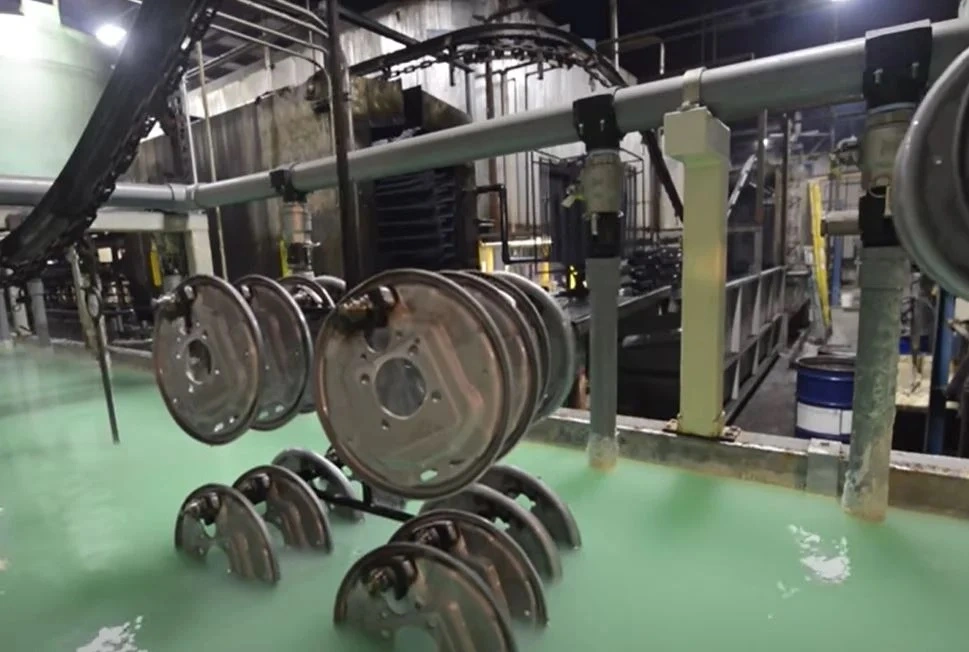

In industrial coating operations, the separation between application and cure is often treated as distinct stages. However, true process optimization requires viewing the powder coating booth and oven as a single thermodynamic and electrostatic continuum. The booth establishes film uniformity and recovery efficiency; the oven converts that uniform layer into a cross-linked, durable finish. Any mismatch between booth parameters and oven profile—whether in airflow management, conveyor indexing, or thermal ramp rates—introduces variability that directly affects first-pass yield. With decades of experience designing high-efficiency finishing lines, I have documented that facilities treating these components as an integrated system achieve 25–40% higher OEE compared to those managing them separately. This article provides a technical examination of the critical interfaces between the booth and oven, focusing on contaminant control, thermal integration, energy synergy, and application-specific configurations.
For engineers and operations leaders, the selection of a powder coating booth and oven combination requires a deep understanding of how part transfer, environmental isolation, and cure kinetics interact. Below, we dissect the engineering principles that define high-performance integrated lines.
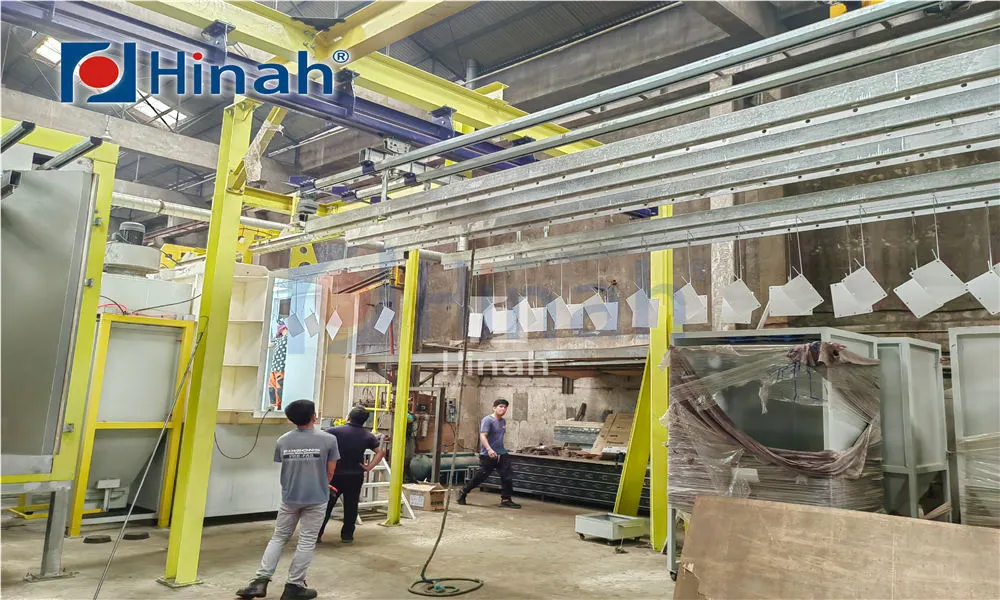
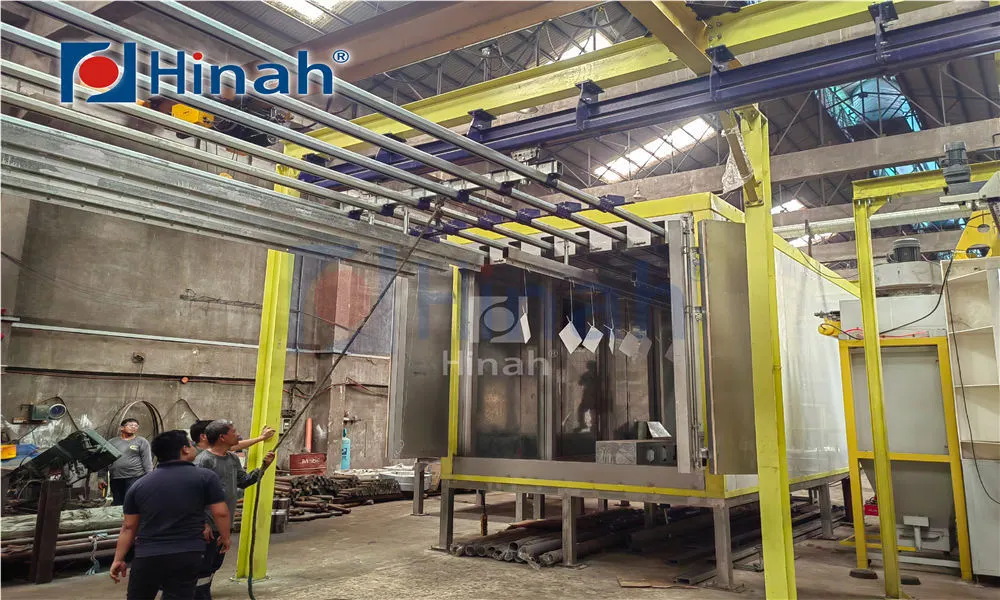
The transition zone between the spray booth and the curing oven is often underestimated. This 1–3 meter span can be a source of contamination, temperature loss, and uncured powder disturbance if not properly engineered.
Automated lines require precise synchronization between the booth’s reciprocators and the oven’s conveyor speed. Key parameters include:
Continuous vs. Indexing Conveyors: For high-volume applications, continuous monorail systems maintain constant speed, requiring the oven to have sufficient length to achieve cure. For mixed-load lines, indexing (stop-and-go) conveyors allow the booth to dwell on complex geometries while the oven maintains thermal stability.
Thermal Barrier Curtains: At the booth exit, air curtains or physical baffles prevent heated oven air from migrating into the booth, which could prematurely gel powder on parts or inside the recovery system. Properly designed systems maintain a positive pressure differential of 0.02–0.05 inches of water column in the booth relative to the oven entry zone.
Uncured powder is susceptible to cross-contamination from oven exhaust or ambient dust. Integrated lines incorporate:
Sealed Transition Tunnels: Enclosed transfer sections with dedicated filtration prevent airborne particulates from settling on freshly coated parts before curing.
Automatic Booth Purge Cycles: Prior to oven startup, booth systems perform a timed purge to remove any residual powder that could be drawn into the oven and combust under high heat.
Data from an automotive supplier showed that installing a 2-meter sealed transition with laminar airflow reduced contamination-related rework by 34%, with payback achieved in six months.
Material efficiency and energy consumption are interdependent when designing an integrated powder coating booth and oven system. The booth’s recovery technology directly affects the oven’s thermal load.
Cyclone recovery systems reclaim overspray with 95–98% efficiency but introduce cooled, conditioned air back into the booth. This air, if routed through the oven’s heat recovery system, can reduce overall energy demand. Cartridge systems, while offering rapid color change, require more frequent filter pulsing, which can introduce fine powder particulates into the facility’s HVAC, affecting oven burner air intake quality.
Advanced integrated designs use:
Heat Recovery Loops: Exhaust heat from the oven’s flue gases is used to pre-heat makeup air for the booth’s climate control system, reducing natural gas consumption by 12–15%.
Powder Feed Center Integration: Automated feed centers that maintain consistent powder density reduce the variability in film build, which in turn stabilizes the thermal mass entering the oven—allowing for tighter PID control of burner modulation.
In high-mix operations, color change frequency dictates both booth and oven scheduling. Modern systems integrate PLC logic that coordinates:
Batch Sequencing: The booth initiates a color change only after the previous batch has cleared the oven’s entrance zone, preventing cross-contamination from airborne overspray entering the oven during purging.
Oven Idle Reduction: When the booth signals a color change exceeding 10 minutes, the oven automatically reduces setpoint to a standby temperature (typically 120–140°C), cutting energy consumption by 60–70% during downtime. Upon receiving a production resumption signal, the oven initiates a rapid recovery ramp using predictive algorithms to reach cure temperature before the first part arrives.
The physical journey from the booth to the oven exit requires careful thermal management to avoid defects such as outgassing, orange peel, or under-cure.
After exiting the booth, parts typically travel 5–15 seconds before entering the oven. This “flash-off” period allows solvents (in hybrid powders) to evaporate and reduces the risk of volatile-induced pinholes. However, excessive delay allows powder to cold-flow, causing sagging on vertical surfaces. Integrated systems control this interval through:
Conveyor Speed Coordination: The transfer conveyor between booth and oven is independently driven, allowing operators to adjust dwell time without affecting booth or oven speeds.
IR Pre-Gel Zones: For sensitive parts or fast lines, a short-wave infrared module placed at the oven entry instantly gels the powder layer, locking film thickness before convection airflow can disturb it.
An integrated system uses data from the booth’s application parameters to set oven zone temperatures. For example, if the booth applies a high film build (80–100 microns) on a specific part, the oven’s first zone may be set 10–15°C lower than standard to allow slower outgassing, followed by a higher-temperature zone to complete cross-linking. This adaptive profiling requires:
Wireless Thermal Profilers: Data loggers that travel with parts, transmitting real-time metal temperature curves to both booth and oven controllers.
Recipe Management Software: Storing booth parameters (gun KV, flow rate, reciprocator speed) alongside oven zone profiles for each SKU, enabling one-touch changeover.
Different industries demand specialized configurations of the powder coating booth and oven to accommodate part geometry, throughput, and regulatory requirements.
For aluminum profiles up to 8 meters, vertical booths paired with vertical ovens minimize conveyor footprint and eliminate the sagging risks associated with horizontal transport. These systems feature:
Long-stroke reciprocators with adjustable stroke lengths to match profile height.
Vertical curing ovens with air seals at top and bottom to maintain temperature uniformity over the entire extrusion length. Uniformity requirements per Qualicoat standards mandate ±5°C across the full height.
For agricultural or construction machinery components weighing up to 5 tons,
booth and oven systems are designed with: Floor-mounted rail conveyors instead of overhead monorails
to accommodate extreme loads. Walk-in booth designs with automated reciprocators that
retract to allow forklift loading of oversized parts. High-velocity convection ovens with forced impingement
nozzles to overcome boundary layer resistance on thick steel sections (15–25
mm). Tier-1 automotive suppliers require full data traceability per IATF 16949.
Integrated systems for wheels, chassis components, or underbody parts
incorporate: RFID part tracking that links booth parameters (gun
voltage, powder lot number) with oven profile data for each individual
component. Redundant temperature sensors at oven entry, mid-point, and
exit, with automatic conveyor stop if any zone falls outside the specified cure
window. The most advanced powder coating booth and oven installations now operate as unified digital assets. Centralized SCADA platforms
collect data from booth sensors (powder flow, humidity, gun positioning) and
oven instrumentation (burner modulation, zone temperatures, conveyor speed) to
provide: Predictive Maintenance: Algorithms that detect filter
loading in the booth or burner degradation in the oven before failures occur,
scheduling maintenance during planned downtime. Real-Time Energy Optimization: Systems that calculate the
energy cost per square meter for each batch, flagging inefficient runs and
recommending adjustments to conveyor speed or zone setpoints. Digital Twin Simulation: Pre-installation CFD modeling of
both booth airflow and oven heat distribution to optimize component placement
and reduce physical commissioning time by up to 40%. HANNA specializes in these integrated solutions,
offering turnkey lines where the mechanical engineering of booths and ovens is
harmonized with industrial IoT platforms. Their approach ensures that the
transition from application to cure is seamless, with data continuity that
supports quality certification and continuous improvement initiatives. In summary, the selection and configuration of a powder coating booth and oven system should be driven
by the technical demands of the specific substrate mix, production volume, and
quality targets. When these two critical components are engineered as an
integrated system—with coordinated controls, environmental isolation, and
thermal profiling—manufacturers achieve consistent film properties, reduced
energy consumption, and significantly lower total cost of ownership. Q1: What are the risks of locating the spray booth too close to the
curing oven without a proper transition zone? A1: Proximity without thermal isolation can cause premature
powder gelation inside the booth due to radiated heat from the oven. This leads
to powder clumping in the recovery system and inconsistent film thickness.
Additionally, oven exhaust gases can migrate into the booth, introducing
contaminants and altering the electrostatic properties of the powder. A minimum
separation of 2–3 meters with insulated barriers or air curtains is recommended
for most powder coating booth and oven configurations. Q2: Can I use the same control system to manage both the booth and
oven for a fully integrated line? A2: Yes. Modern PLC-based control platforms can centralize
all parameters—booth gun settings, conveyor speed, oven zone temperatures, and
color change sequences. This unified architecture allows recipe-driven
changeovers where selecting a product SKU automatically sets both booth and oven
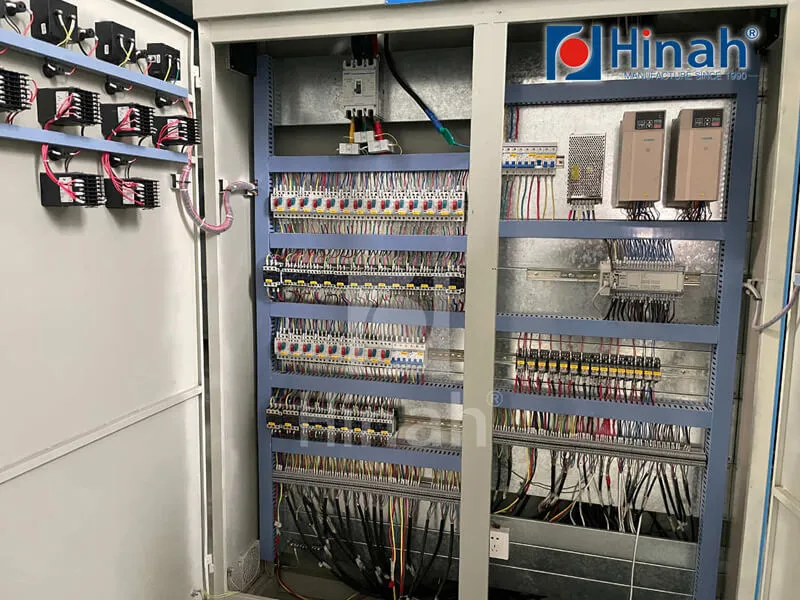
parameters. Companies like HANNA provide fully integrated control cabinets with HMI interfaces that display both
application and curing data in a single dashboard. Q3: How does booth airflow design affect oven
performance? A3: Booth airflow must be balanced to ensure overspray is
captured without creating turbulence that disturbs the powder layer before it
enters the oven. If the booth’s exhaust is too aggressive, it can remove powder
from part surfaces, resulting in thin spots. Conversely, insufficient airflow
allows powder to settle on the conveyor and potentially enter the oven, where it
could burn and create surface contamination. Properly engineered systems
maintain face velocities between 0.4–0.6 m/s in cross-draft booths and 0.8–1.2
m/s in downdraft designs. Q4: What are the energy savings of integrating oven exhaust heat
recovery with booth HVAC? A4: In cold climates or during winter months, using oven
flue gas heat exchangers to pre-heat booth makeup air can reduce natural gas
consumption by 10–18% for the entire line. The exact savings depend on oven
runtime, ambient temperature, and the efficiency of the heat exchanger. A
2,000-hour-per-year operation typically sees payback on the heat recovery system
within 12–18 months. Q5: How do I validate that my integrated booth and oven system is
performing within specification after installation? A5: Validation should follow a three-phase protocol: (1)
Booth performance testing—measuring transfer efficiency, powder recovery rates,
and airflow uniformity using anemometers and particle counters; (2) Oven thermal
uniformity testing per AMS 2750, using 12–20 thermocouples across the conveyor
load to confirm ±5°C tolerance; (3) Integrated run testing with representative
parts, using thermal profilers to confirm that metal temperature curves meet the
powder manufacturer’s specified time-at-temperature requirements for full
cure. For engineering consultation, line audits, or to explore turnkey integrated
solutions, visit HANNA’s industrial finishing systems portal for
detailed specifications and performance data on high-efficiency powder
coating booth and oven configurations.5. Intelligent Integration: Industry 4.0 in Finishing Lines
Frequently Asked Questions (FAQ) on Powder Coating Booth and Oven
Systems