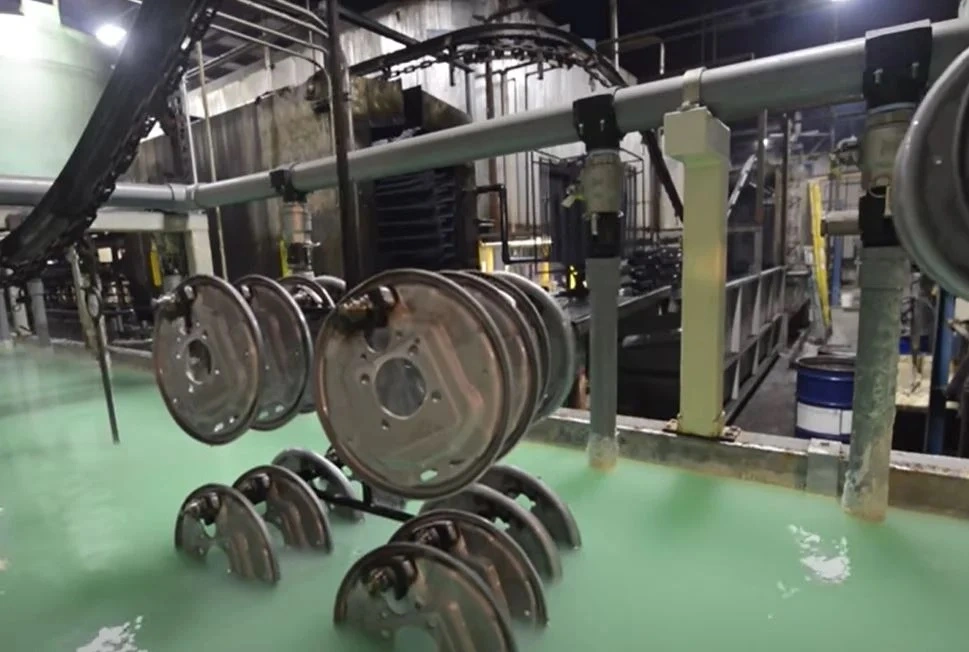
Achieving a perfect, durable powder coated finish depends on one crucial stage: the powder coating curing oven. This is where the science happens. The applied powder doesn't simply dry; it undergoes a chemical transformation called crosslinking. A properly designed and operated oven is what turns that dry, powdery layer into a smooth, hard, and resilient coating that protects metal products for years. Understanding your powder coating curing oven is essential for quality control, efficiency, and the success of your entire finishing operation.
Many mistakenly think a curing oven is just a hot box. It's far more precise. The process is about time and temperature, scientifically known as the "cure schedule."
When the coated part enters the oven, the heat begins to melt the powder particles. This stage is called gelation. The particles flow together to form a continuous film.
As the temperature rises further, the chemical crosslinking agents within the powder resin activate. These agents create strong molecular bonds between the polymer chains.
This crosslinking process is irreversible. It’s what gives the coating its exceptional properties: impact resistance, chemical resistance, and adhesion. A correctly calibrated powder coating curing oven ensures every part reaches the exact temperature needed for full crosslinking.
A reliable oven is an engineered system, not just an insulated chamber. Key components work together for uniform results.
The heat source is fundamental. Electric heating elements and gas-fired burners (natural gas or propane) are the most common. Indirect-fired gas systems use heat exchangers to keep combustion gases separate from the oven air, which is vital for finish quality.
Air circulation is the unsung hero. Powerful fans and strategically placed baffles create a consistent, turbulent airflow. This ensures no cold spots exist and that heat reaches every surface of the part evenly, including recessed areas.
Insulation is critical for efficiency and safety. High-density mineral wool or fiberglass panels line the oven walls. This keeps heat inside the workspace, reduces energy costs, and maintains safe exterior temperatures.
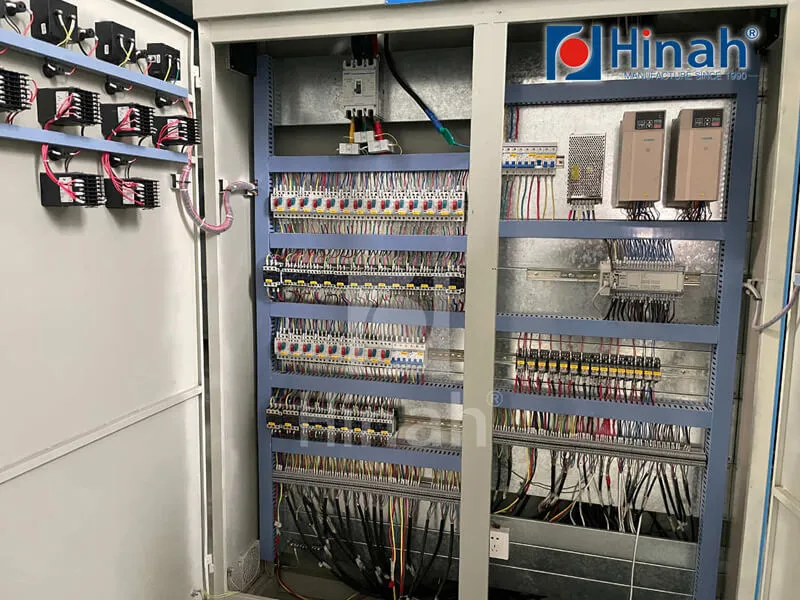
The control system is the brain. Modern digital controllers, like those used in HANNA ovens, allow operators to set precise temperature profiles. They monitor performance and provide data logs for quality assurance.
Temperature uniformity is the benchmark of a quality powder coating curing oven. A variance of more than +/- 10°F (5.5°C) across the workspace can lead to under-cure or over-cure.
Under-cured coatings are soft, gummy, and lack durability. They will fail adhesion tests and degrade quickly. Over-cured coatings can become brittle, discolor, or lose their gloss.
The best practice is thermal profiling. This involves running instrumented test parts through the oven with thermocouples attached. The data creates a map of the part's actual temperature over time.
Profiling confirms that the thickest section of the part reaches the required cure temperature for the minimum time. HANNA technicians use profiling to commission ovens and troubleshoot curing issues.
The choice of oven depends entirely on your production model.
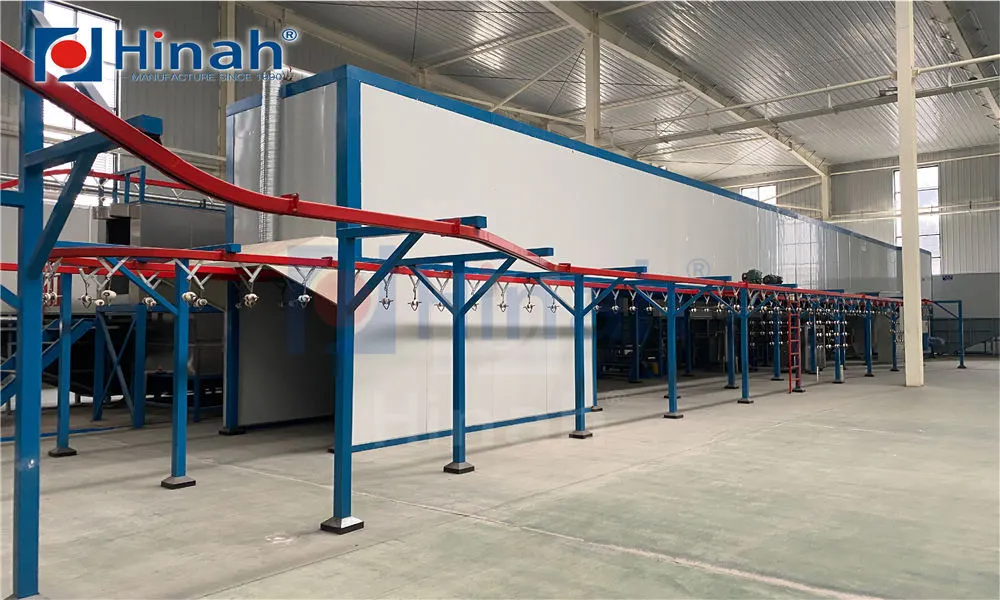
Conveyorized (or continuous) ovens are integrated into an automated line. Parts hang from a conveyor that moves at a constant speed through defined heating zones. This is ideal for high-volume, consistent production. The cure time is determined by conveyor speed and oven length.
Batch ovens, like walk-in or truck-in designs, are perfect for lower volume, larger, or more varied parts. A batch of parts is loaded, the door is sealed, and the entire oven goes through a heating and cooling cycle. They offer great flexibility for custom coaters.
A powder coating curing oven is often the largest energy consumer in a finishing shop. Smart design focuses on reducing this cost.
Proper insulation, as mentioned, is the first step. Heat recovery systems can capture exhaust heat to preheat incoming fresh air. High-efficiency burners and premium electric elements also lower operating costs.
Oven design impacts the entire line's footprint. HANNA engineers ovens with vertical or inverted “U” shapes to save valuable floor space while ensuring optimal airflow for the cure.
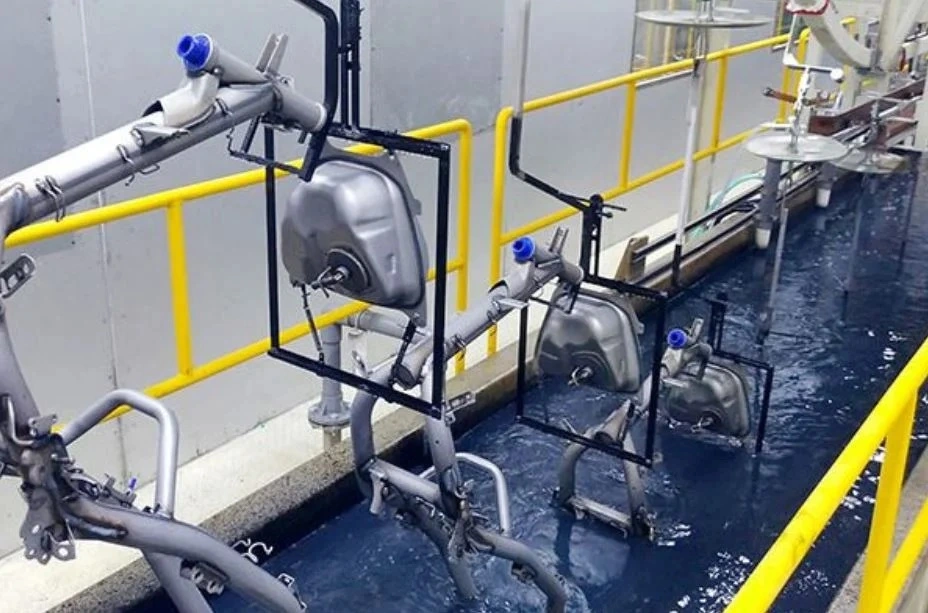
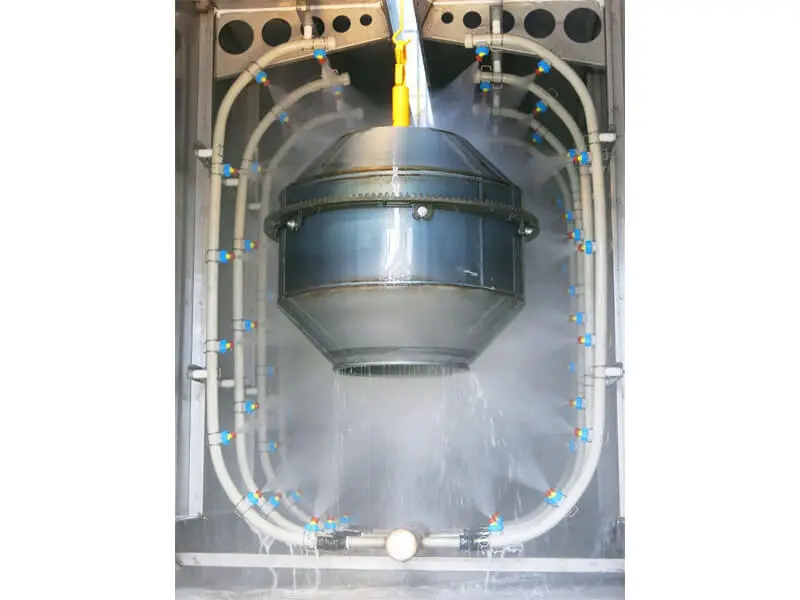
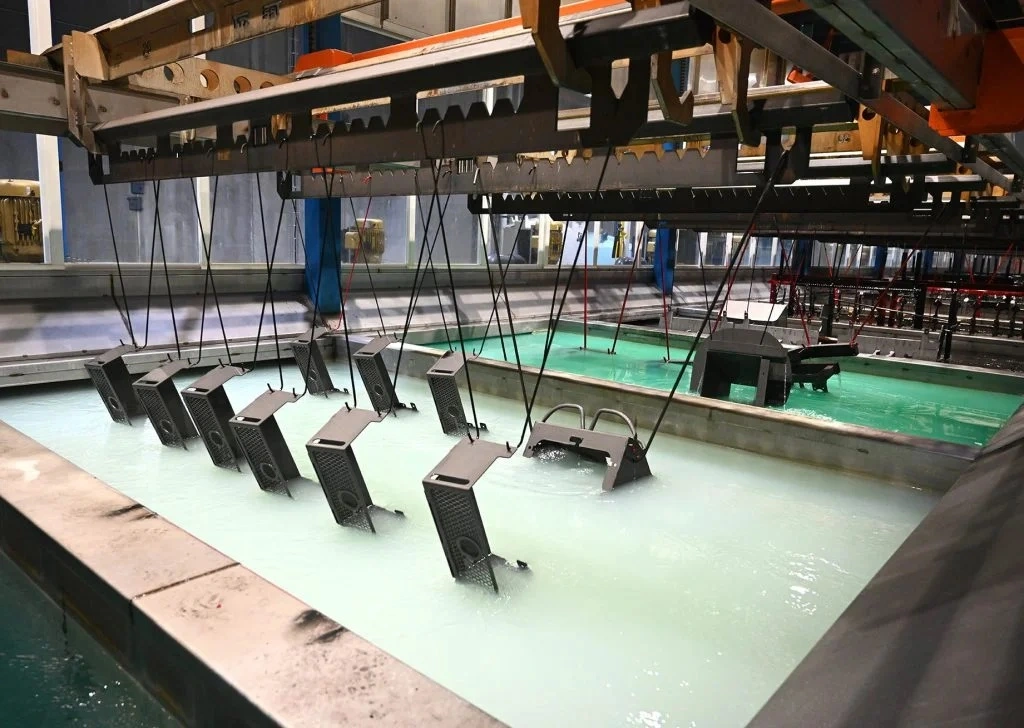
The performance of your powder coating curing oven is deeply connected to the pretreatment stage. If parts are not properly cleaned and dried before entering the oven, problems arise.
Water droplets or oils trapped under the powder will vaporize in the oven. This causes defects like pinholes, craters, or blistering in the final finish.
A properly dried part ensures the oven’s energy goes entirely into melting and curing the powder, not boiling off contaminants. This link underscores why the entire powder coating line must be designed as one cohesive system.
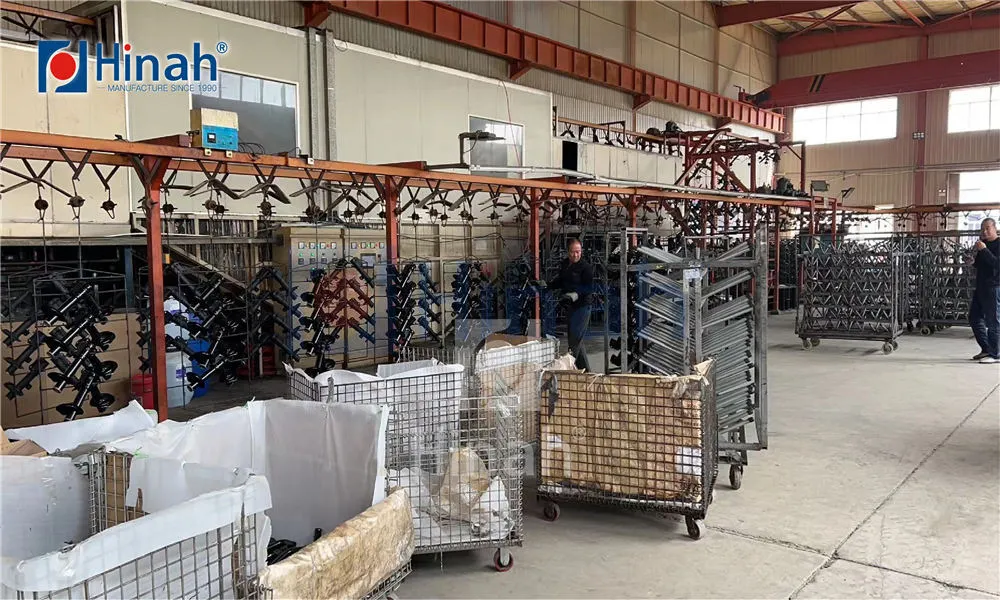
At HANNA, we view the curing stage as the capstone of the finishing process. Our powder coating curing ovens are built for precision and reliability.
We don't offer one-size-fits-all solutions. Each HANNA oven is designed around the customer's specific parts, production rate, and available utilities. We model airflow and heat distribution before fabrication begins.
Our control systems provide operators with intuitive, yet powerful, tools. Real-time monitoring, automated profiling assistance, and maintenance alerts are standard features. This data-driven approach minimizes guesswork and maximizes uptime.
From compact batch ovens for job shops to vast conveyorized systems for automotive suppliers, HANNA delivers the thermal performance that guarantees a perfect cure, every time.
The powder coating curing oven is the heart of a successful coating operation. It is the critical control point where product quality is finalized. Investing in a well-designed, efficient, and precise oven from a trusted partner like HANNA protects your investment in the entire powder coating line.
It ensures your finished products leave the shop with a coating that is not only beautiful but performs as promised—offering long-term protection and value to your customers.
Q1: What is the typical curing temperature and time for powder coating?
A1: Most common powder coatings cure at temperatures between 360°F and 400°F (182°C - 204°C). The time at this temperature, known as the "metal temperature," typically ranges from 10 to 20 minutes. Always refer to the technical data sheet (TDS) from your powder supplier for the exact cure schedule.
Q2: How can I tell if a part is under-cured or over-cured?
A2: Under-cure can be identified by poor adhesion (failing a cross-hatch tape test), a soft surface you can scratch with a fingernail, and poor chemical resistance. Over-cure often results in discoloration (yellowing of whites/clears), excessive brittleness, and loss of gloss. Thermal profiling is the best way to prevent both.
Q3: How often should I perform a thermal profile on my powder coating curing oven?
A3: It's recommended to profile your oven at initial installation, after any significant maintenance, when changing product types frequently, or at least quarterly as part of a preventative quality control program. Seasonal ambient temperature changes can also affect oven performance.
Q4: Can I cure different powder types (e.g., epoxy, polyester) in the same oven?
A4: Yes, the same powder coating curing oven can typically cure different chemistries, as long as you adjust the temperature and time settings to match each powder's specific cure schedule. The key is ensuring the oven can achieve and maintain the required temperature range for all products you run.
Q5: What are the main maintenance tasks for a curing oven?
A5: Regular maintenance includes inspecting and cleaning air intake and exhaust vents, checking fan motors and bearings for wear, verifying burner operation and calibration (on gas ovens), testing safety devices (gas valves, high-temperature limits), and examining the integrity of door seals and insulation. A planned maintenance schedule with a provider like HANNA prevents unexpected downtime.