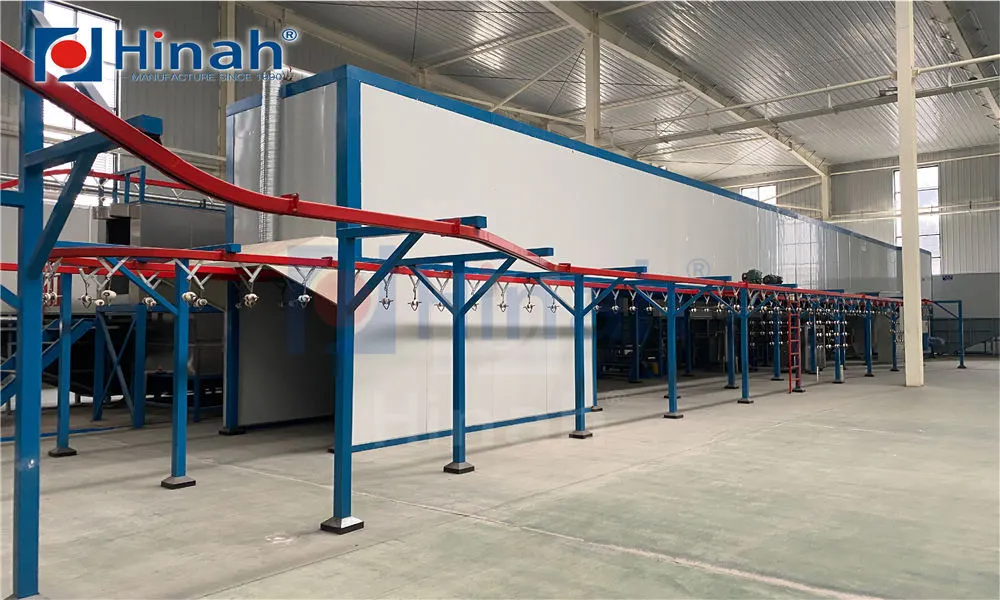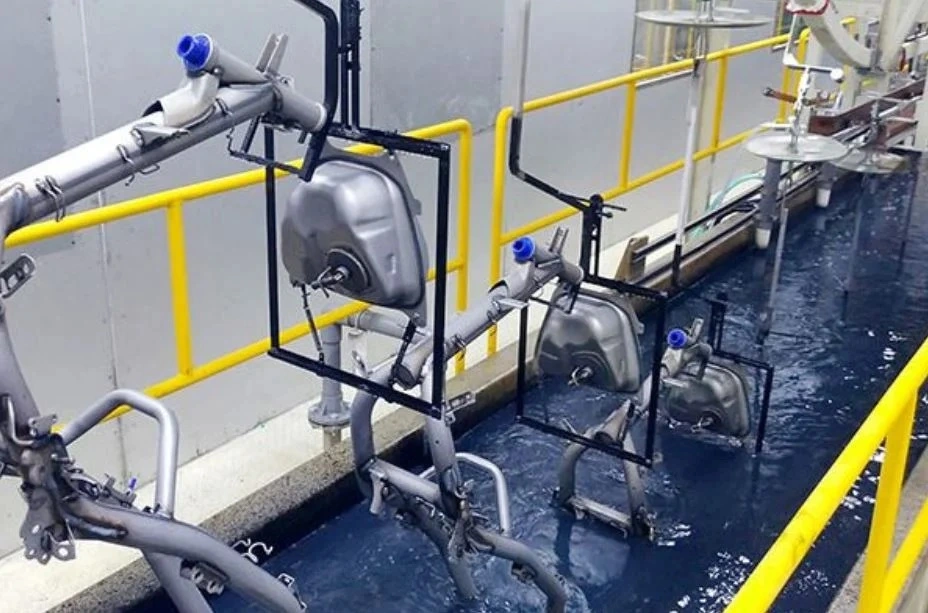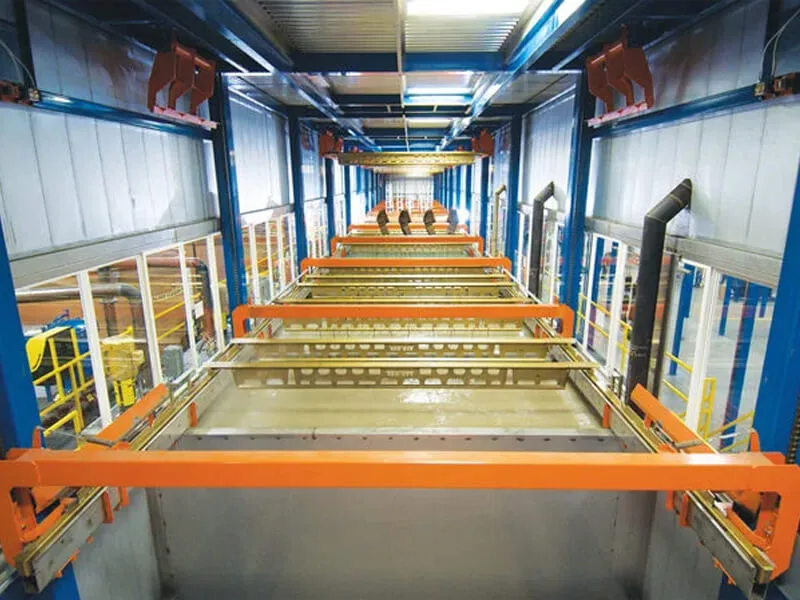

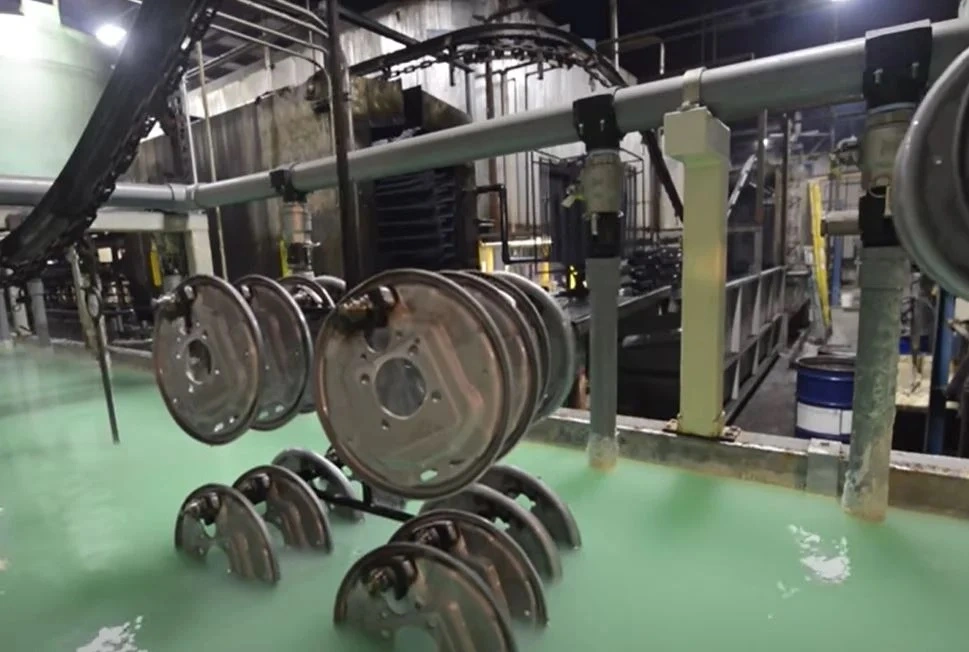

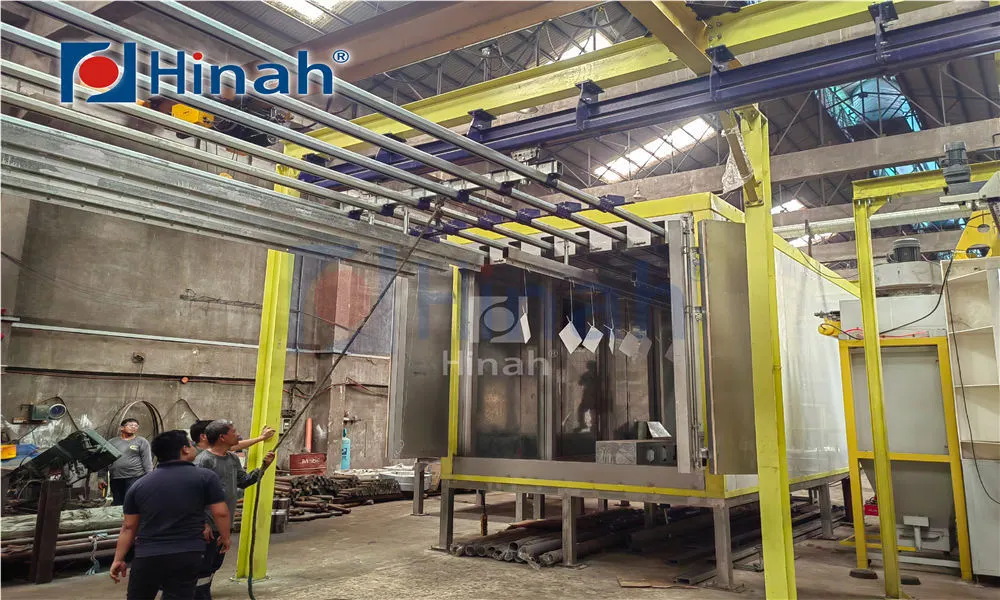
In industrial finishing, achieving a consistent, durable, and high-quality coating is essential. The core of this process relies on two interconnected pieces of equipment: the powder coating booth and oven. A well-designed system ensures efficient powder application and proper curing.
This integrated approach maximizes adhesion, corrosion resistance, and aesthetic appeal. For businesses seeking reliability, investing in a cohesive powder coating booth and oven system is a critical step. HANNA provides robust solutions tailored to diverse production needs.
Understanding the Powder Coating Process
The powder coating process is a dry finishing method. It has become widely popular due to its durability and environmental benefits compared to liquid paints. The process consists of two main stages: application and curing.
Each stage requires specialized equipment to function correctly. The success of the entire operation hinges on the seamless integration between the booth and the oven.
Stage 1: Application in the Spray Booth
The spray booth is where the powder is applied to the substrate. It is a controlled environment designed for safety and efficiency.
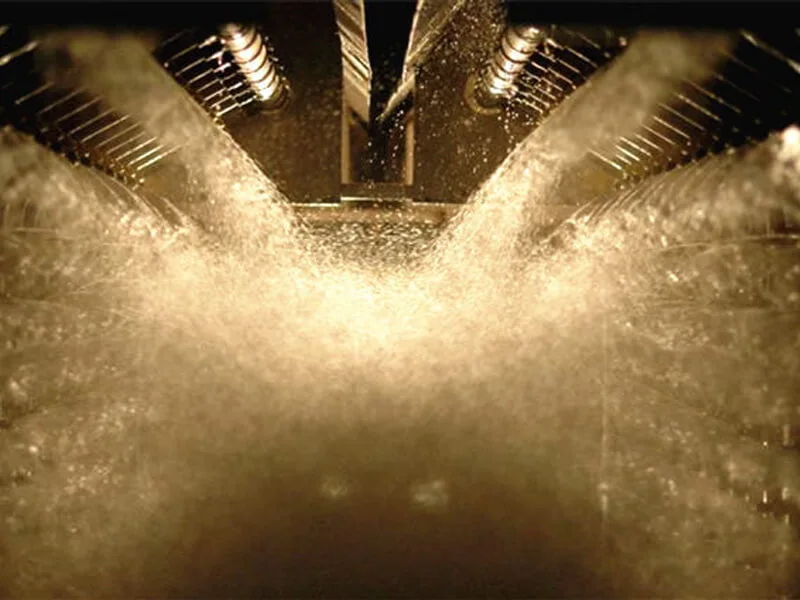
Powder Application: Electrostatically charged powder is sprayed onto a grounded part.
Containment & Recovery: The booth contains overspray powder for collection and reuse.
Airflow Management: Proper ventilation ensures a clean work environment and high transfer efficiency.
Stage 2: Curing in the Industrial Oven
After application, parts transfer to the curing oven. Here, the powder melts, flows, and chemically cross-links to form a solid film.
Melting: Powder particles melt and coalesce.
Flow Out: The material flows into a smooth, continuous film.
Curing: Chemical cross-linking occurs, creating a hard, durable finish.
Key Design Features of a Powder Coating Booth
A high-performance powder coating booth is more than an enclosure. Its design directly impacts material usage, finish quality, and operator safety.
Booth Configuration and Types
Choosing the right booth type depends on production volume and part size.
Batch Booths: Ideal for low-volume, high-mix operations or large, single items.
Continuous Tunnel Booths: Suited for high-volume production with conveyorized systems.
Downdraft vs. Crossdraft: Downdraft booths pull air downward for cleaner operation, while crossdraft designs pull air horizontally.
Powder Recovery Systems
An efficient recovery system is vital for economic and environmental reasons. It collects overspray powder for filtration and potential reuse.
Modern systems, like those from HANNA, use cartridge filters or cyclone separators. This ensures high recovery rates and minimal waste.
Critical Elements of the Powder Curing Oven
The curing oven is where the final finish properties are developed. Precise temperature and time control are non-negotiable for consistent results.
Heat Sources and Oven Types
Curing ovens can use different energy sources and heating methods.
Electric Ovens: Offer precise temperature control and are clean to operate.
Gas-Fired Ovens: Often more cost-effective for high-volume operations.
Infrared (IR) Ovens: Provide rapid curing for certain applications and part geometries.
Selecting the right powder coating booth and oven combination involves matching the oven type to the product and powder specifications.
Temperature Uniformity and Airflow
Consistent finish quality requires exceptional temperature uniformity inside the oven. This is achieved through engineered airflow patterns.
Properly positioned fans and baffles ensure hot air circulates evenly around all parts. This prevents under-curing or over-curing.
System Integration and Automation
The true potential of a finishing line is unlocked when the booth and oven work as a single, coordinated system. Integration improves throughput and reduces handling.
Conveyorized Systems
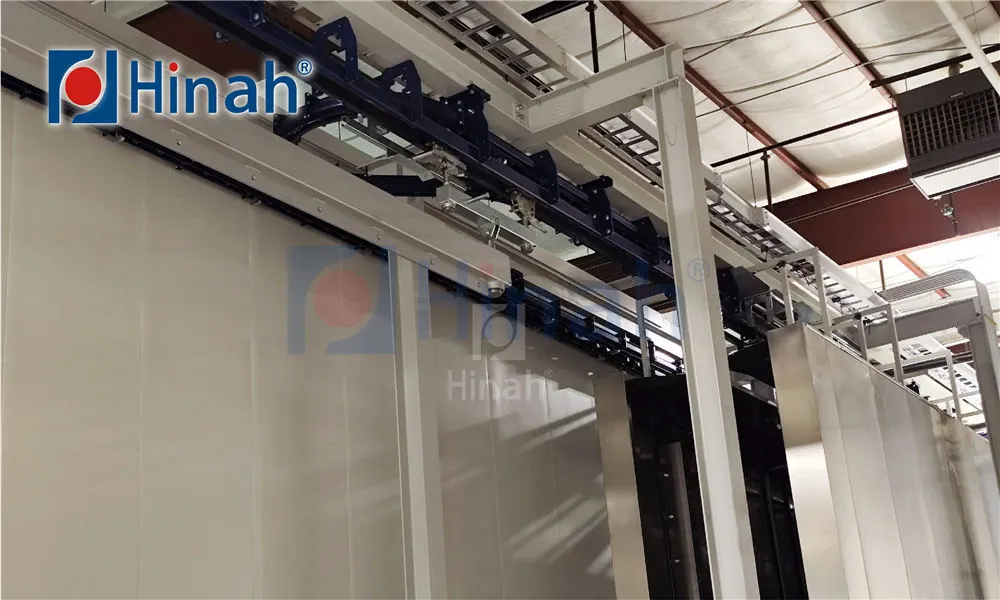
Overhead or floor conveyors seamlessly move parts from pre-treatment, through the spray booth, and into the curing oven.
This creates a continuous, automated production flow. It is essential for maintaining cycle times and process control in high-output environments.
Control and Monitoring
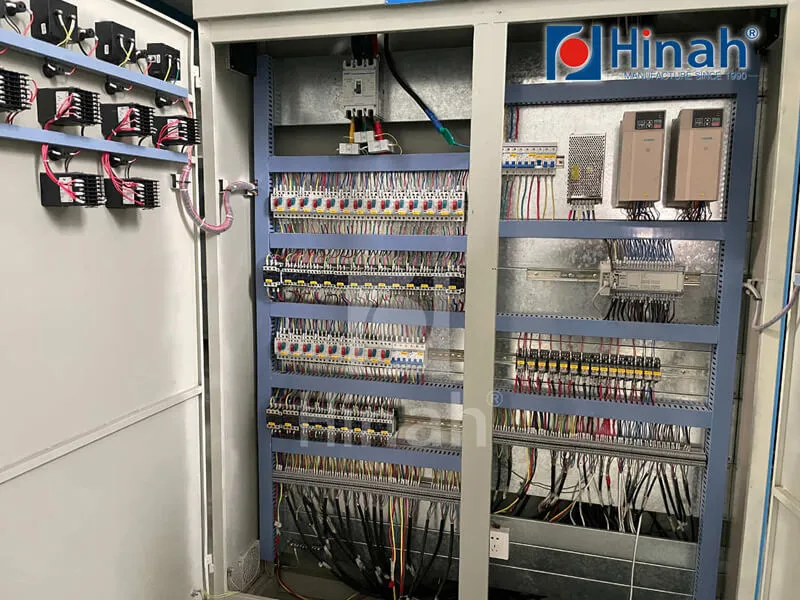
Modern systems feature centralized PLC controls. Operators can monitor and adjust key parameters for both the booth and oven from a single interface.
Booth airflow and pressure.
Oven temperature zones and conveyor speed.
System diagnostics and maintenance alerts.
Technical Considerations for Selection
Choosing the right system requires careful analysis of several technical and operational factors.
Production Requirements
Key questions to ask include:
What is the daily production volume and part mix?
What are the typical part dimensions and weights?
What is the required powder cure schedule (time & temperature)?
Space and Facility Planning
The footprint of the entire powder coating booth and oven line must be planned. Adequate space is needed for:
Equipment installation and maintenance access.
Part loading and unloading areas.
Powder storage and mixing rooms.
Regular cleaning of walls and floors to prevent powder contamination.
Inspection and replacement of cartridge filters.
Checking and maintaining proper booth air pressure.
Verifying and calibrating temperature sensors.
Inspecting and cleaning burner assemblies or heating elements.
Ensuring airflow vents and ducts are unobstructed.
Proper electrical grounding of all equipment.
Explosion-relief panels or venting in both the booth and oven.
Fire suppression systems, especially in the oven.
Adequate exhaust ventilation to maintain a safe breathing environment.
Ensure optimal booth airflow and negative pressure.
Maintain and properly ground all equipment.
Train operators on proper spray techniques and gun settings.
Use a high-efficiency powder recovery system to reclaim and reuse overspray.
Professional suppliers like HANNA can assist with comprehensive layout planning.
Maintenance and Operational Efficiency
Regular maintenance is crucial for sustained performance and finish quality from your powder coating system.
Booth Maintenance
Focus areas for the spray booth include:
Oven Maintenance
For the curing oven, key tasks involve:
A well-engineered and properly maintained powder coating booth and oven system is the foundation of any successful industrial finishing operation. It directly determines the quality, durability, and cost-effectiveness of the final coated product.
By understanding the individual roles and integrated function of these components, businesses can make informed decisions. Partnering with an experienced manufacturer like HANNA ensures access to reliable equipment designed for performance and longevity, helping to achieve a superior finish consistently.
Frequently Asked Questions (FAQs)
Q1: What is the main difference between a powder coating booth and a powder coating oven?
A1: The powder coating booth is where the dry powder is electrostatically applied to the part. Its primary functions are containment, ventilation, and powder recovery. The oven is where the coated part is heated to melt and cure the powder, forming a hard, durable finish. They are two distinct but inseparable parts of the complete system.
Q2: How do I determine the right size for my powder coating booth and oven?
A2: Sizing depends on your largest part dimensions, desired production rate (parts per hour), and the required cure time for your powder. You need to calculate the booth's internal workspace and the oven's interior dimensions and heating capacity. Consulting with a technical specialist from HANNA is recommended for accurate sizing.
Q3: Can I use an existing industrial oven for powder coating curing?
A3: It is possible only if the existing oven can meet the specific requirements for powder curing. This includes precise, uniform temperature control (±5°C or better), adequate airflow, and being free of contaminants. Often, a dedicated powder curing oven is a better investment for consistent results.
Q4: What are the most important safety features for a powder coating system?
A4: Key safety features include:
Q5: How can I improve the transfer efficiency of my powder coating booth?
A5: To improve transfer efficiency (more powder on the part, less as overspray):