The final, and most critical, step in any powder coating process happens inside the industrial powder coating oven. This is where the applied powder transforms from a loose, decorative layer into a fused, durable finish. The performance of this oven directly determines the quality, longevity, and compliance of your coated products. Choosing the right industrial powder coating oven is not a minor decision; it's a major capital investment that impacts your throughput, energy costs, and bottom line for years to come. This guide walks through the key considerations for selecting the oven that fits your specific production needs.
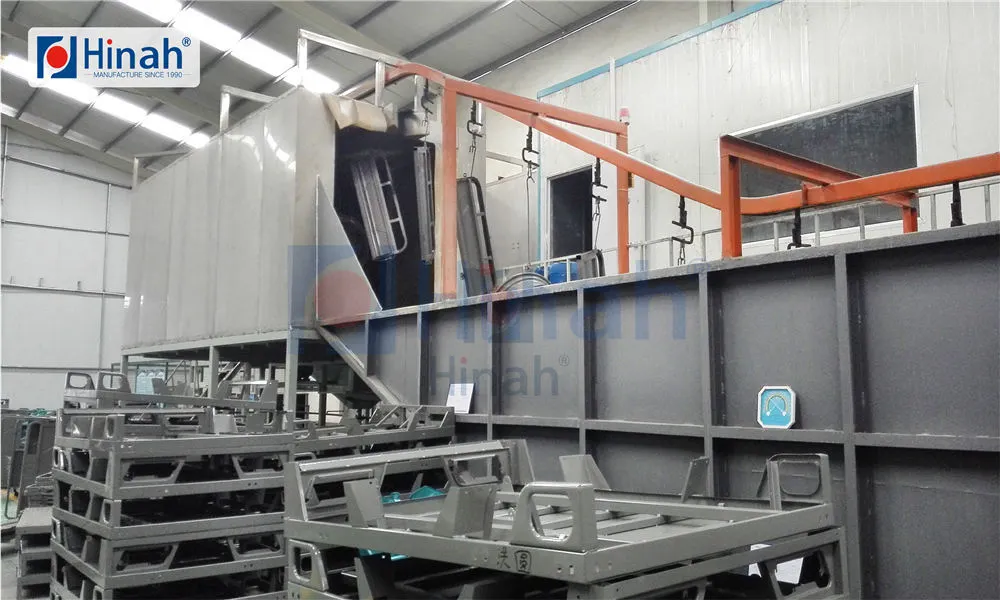
An industrial powder coating oven does more than just "bake" the powder. It facilitates a precise chemical reaction called crosslinking. Understanding this is key to understanding oven requirements.
When heat is applied, the powder particles first melt and flow together to form a continuous film. This is called gelation.
As the temperature continues to rise, crosslinking agents within the powder resin activate. These agents create strong, permanent molecular bonds between polymer chains.
This crosslinked network is what gives powder coating its exceptional properties: impact resistance, chemical resistance, and adhesion. The oven must provide the exact time-at-temperature environment specified by the powder manufacturer for this reaction to complete fully.
The first major decision is choosing between batch and conveyorized systems. Your production volume and part mix dictate this choice.
Batch ovens are self-contained chambers. You load a rack of parts, close the door, and run a complete heat cycle. Common types include walk-in, truck-in, and cabinet ovens.
They offer maximum flexibility. You can cure small, intricate parts one day and large, bulky fabrications the next. They are ideal for job shops, custom coaters, or facilities with low-to-medium volume and high part variety.
Conveyorized ovens are built for continuous, high-volume production. Parts hang from an overhead conveyor that moves at a constant speed through defined heating and cooling zones.
This system provides consistent throughput and is easily integrated with automated pretreatment and application stages. It is the standard for industries like automotive, appliances, and architectural extrusions where production runs are long and part sizes are similar.
The choice of heat source is a significant factor in both upfront cost and long-term operating expenses.
Direct-fired gas ovens use burners that introduce combustion gases directly into the oven chamber. They are highly efficient and fast-heating, as nearly 100% of the fuel's energy enters the workspace.
However, the combustion byproducts (moisture and slight acidity) can potentially affect very sensitive finishes. They require excellent ventilation.
Indirect-fired gas ovens use a heat exchanger. Burners heat air or thermal fluid, which is then circulated into the oven chamber. Combustion gases are vented outside.
This method provides a clean, dry heat ideal for all finishes and is often preferred for high-quality applications. It is slightly less thermally efficient than direct-fire.
Electric ovens use resistance heating elements. They are clean, simple to control, and often have a lower initial cost for smaller units.
Their operational cost is tied to local electricity rates, which can be high. They are an excellent choice where natural gas is unavailable or for smaller batch operations.
A top-tier industrial powder coating oven is defined by its airflow design. Uniformity is everything. A variance of more than +/- 5°C at the part surface can cause defects.
Under-cure occurs if a section is too cool. The coating will be soft, gummy, and fail adhesion tests. Over-cure happens if a section is too hot, leading to brittleness, discoloration, or loss of gloss.
To prevent this, engineers use powerful recirculation fans and strategically placed baffles or plenums. The goal is to create turbulent, consistent airflow that washes over all part surfaces, including recesses and cavities.
Thermal profiling is the essential practice of verifying this uniformity. Thermocouples are attached to test parts and run through the oven. The data confirms the coldest spot on the part reaches the required cure temperature for the required time.
An industrial powder coating oven is often the largest energy consumer in a plant. Modern designs incorporate features to reduce this burden.
High-density insulation in walls, ceilings, and doors is fundamental. It minimizes heat loss, improves safety, and reduces the energy required to maintain temperature.
Heat recovery systems capture waste heat from the oven exhaust. This heat is used to preheat incoming fresh make-up air, significantly reducing the fuel or electricity needed to bring that air up to temperature.
Efficient burner technology and variable frequency drives (VFDs) on fans allow the system to modulate its energy use based on the actual load, avoiding constant full-power operation.
Your oven should not be an island. It must integrate seamlessly with the rest of your powder coating line, especially the conveyor system and controls.
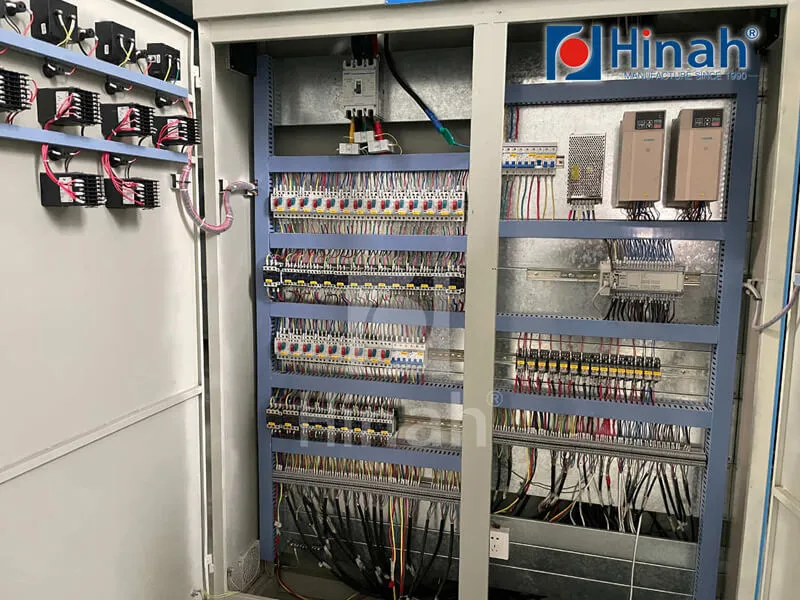
Modern ovens feature sophisticated PLC (Programmable Logic Controller) systems. These allow operators to set and store precise cure recipes, monitor real-time temperature zones, and track system performance.
Data logging capabilities are increasingly important for quality assurance. Being able to prove that every part in a batch met the cure specification is valuable for industries with strict compliance requirements.
Remote monitoring options allow service providers like HANNA to perform diagnostics and support, minimizing potential downtime.
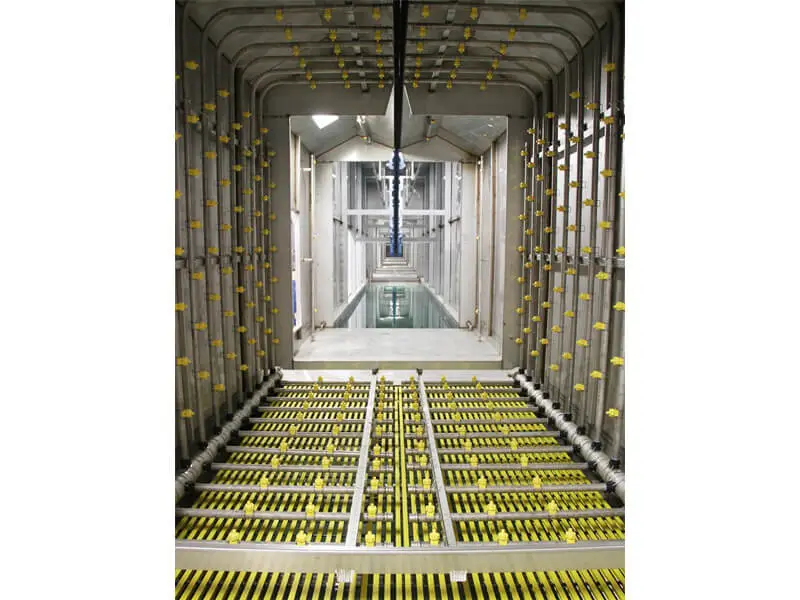
At HANNA, we build industrial powder coating ovens that are investments in reliability. Our approach is based on application engineering, not just box-building.
We start by analyzing your parts, production rates, and facility constraints. We then model the airflow and heat distribution to ensure uniform curing before fabrication even begins.
We use robust components: industrial-grade fans, heavy-duty insulation, and durable interior panels designed to withstand constant thermal cycling. Our control systems are intuitive for operators but powerful enough for process engineers.
Whether it's a large, indirect-fired conveyorized system for an extrusion line or a versatile electric batch oven for a metal fabricator, HANNA provides the thermal performance that protects your product quality and your profit margin.
The industrial powder coating oven is the heart of your finishing process. Its performance finalizes the quality built in the pretreatment and application stages. Selecting the right type, size, and configuration requires careful thought about your current needs and future growth.
Prioritizing temperature uniformity, energy efficiency, and smart controls will pay dividends in product quality, reduced operating cost, and operational simplicity. Partnering with an experienced manufacturer like HANNA ensures you get a system engineered for your success, not just an off-the-shelf heating chamber.
Q1: What is the typical temperature range for an industrial powder coating oven?
A1: Most common powder coatings cure at a metal temperature between 180°C and 200°C (360°F - 400°F). The oven air temperature is usually set 10-20°C higher to overcome the part's thermal mass. Always follow the cure schedule on the powder manufacturer's Technical Data Sheet (TDS).
Q2: How do I determine the right size oven for my shop?
A2: You must account for both part size and production volume. For a batch oven, the interior dimensions must accommodate your largest part, plus adequate clearance (usually 15-30cm) for airflow. For a conveyorized oven, you calculate length based on your required cure time and conveyor speed: Oven Length = Conveyor Speed x Cure Time.
Q3: How often should I perform a thermal profile?
A3: Profile a new oven at installation and after any major maintenance or modification. For ongoing quality control, profile at least quarterly. It's also wise to profile when changing to a significantly different part mass or powder type, or if you notice inconsistent cure results.
Q4: What are the main maintenance tasks for these ovens?
A4: Regular maintenance includes: inspecting and cleaning air filters/intakes; checking fan motors and bearings; verifying burner operation and calibration (for gas ovens); testing all safety devices (high limits, flame sensors, door switches); and examining the integrity of door seals and insulation. A scheduled plan prevents failures.
Q5: Can I cure different types of powder (epoxy, polyester, etc.) in the same oven?
A5: Yes, a properly sized industrial powder coating oven can cure different chemistries. The key is that the oven must be capable of reaching and maintaining the specific metal temperature required by each powder's TDS. You will need to adjust oven setpoints and potentially cure time (via conveyor speed) for each product.
Q6: Is it worth upgrading the controls on an older oven?
A6: Often, yes. Retrofitting modern digital controls onto a structurally sound older oven can dramatically improve temperature consistency, provide valuable data logging, and enhance safety. It can extend the oven's service life and improve product quality at a fraction of the cost of a full replacement. Companies like HANNA offer these upgrade services.