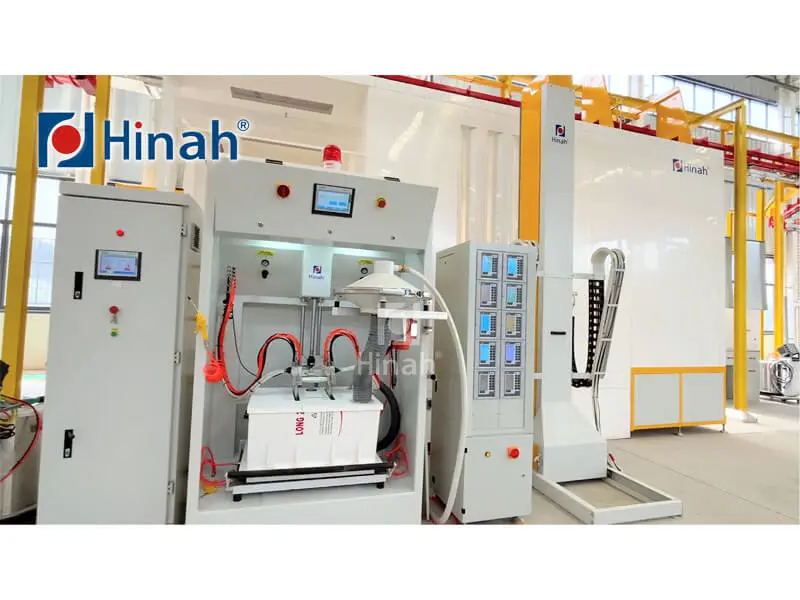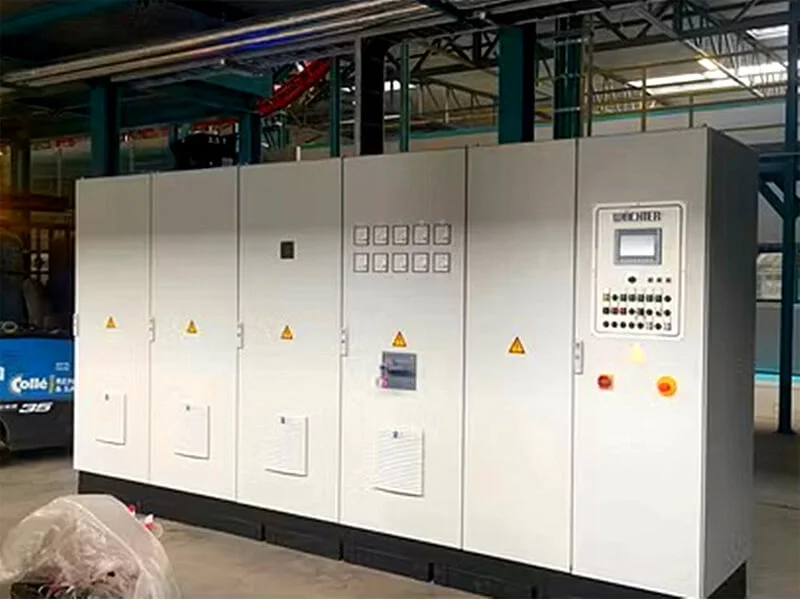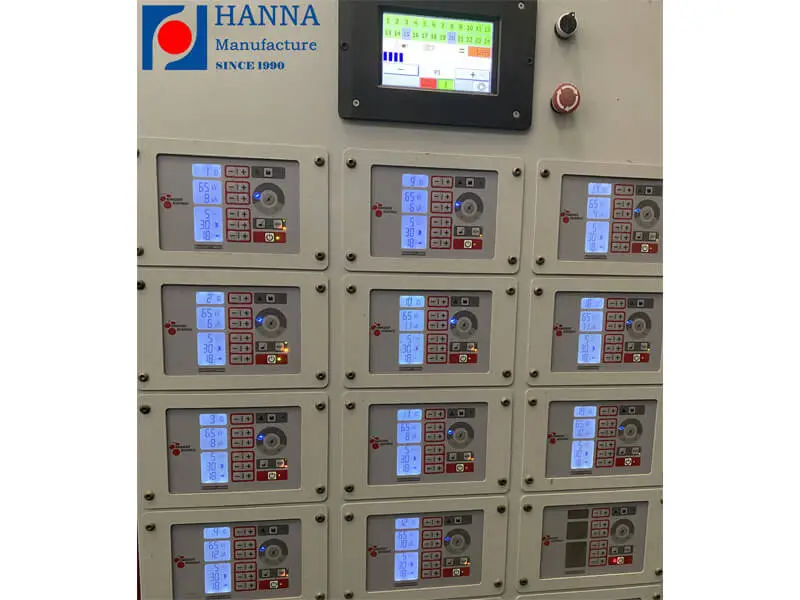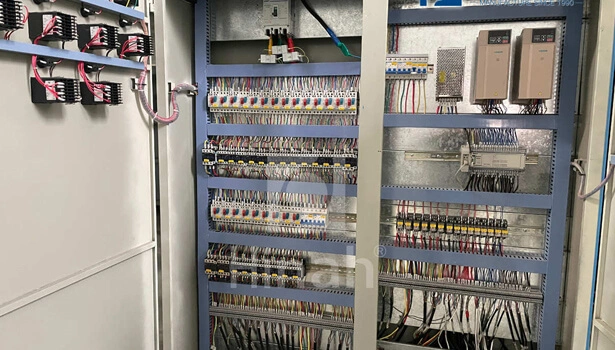


For high-volume industrial finishing, the transition from manual spray booths to a fully integrated automated paint line represents a fundamental shift in quality control, material efficiency, and operational scalability. Today’s manufacturers—whether in automotive, agricultural equipment, or consumer electronics—demand systems that deliver consistent film thickness, rapid changeover, and real-time process transparency. This article dissects the architecture of advanced liquid and powder coating lines, examines the engineering decisions that maximize first-pass yield, and explains how HANNA integrates robotics, conveyor logic, and curing technology to achieve benchmark performance.
Core Subsystems of a High-Performance Automated Paint Line
A modern automated paint line is not a collection of discrete machines but a synchronized production ecosystem. Each component must communicate seamlessly to maintain target cycle times while adhering to strict coating specifications.
Pretreatment and Surface Conditioning
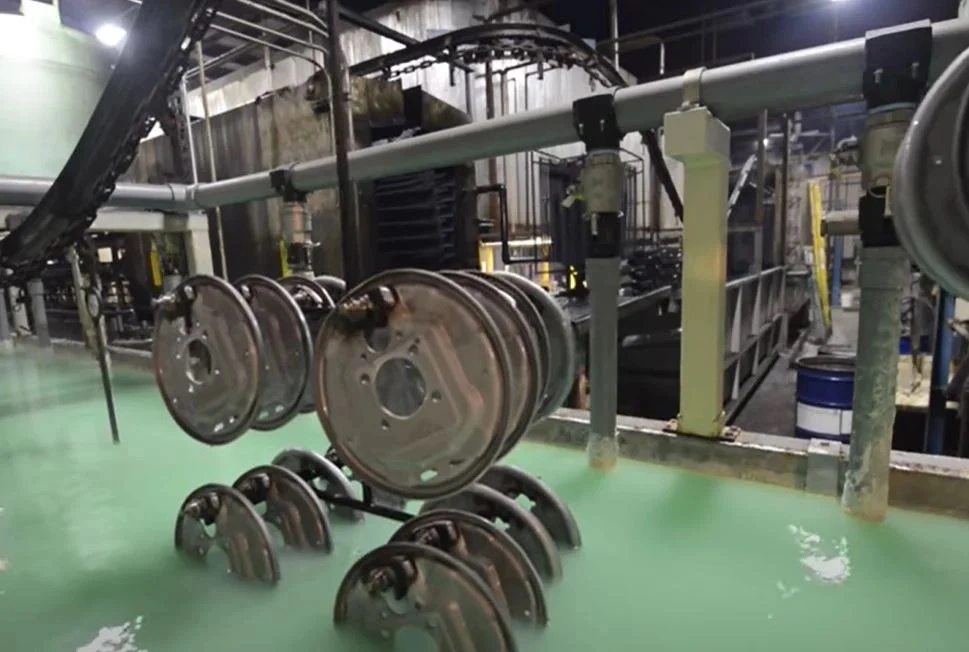
Before any coating is applied, the substrate must be chemically or mechanically prepared. Automated lines utilize multi-stage spray washers or dip tanks that clean, rinse, and apply conversion coatings (zirconium, iron phosphate, or nanoceramics). Conveyor speeds, nozzle pressures, and bath chemistry are monitored by programmable logic controllers (PLCs) to ensure consistent surface energy—typically above 38 dynes/cm—for optimal adhesion. Modern systems integrate real-time conductivity sensors that automatically replenish chemical baths, eliminating manual titration and reducing chemical waste by up to 25%.
Robotic Application and Atomization Control
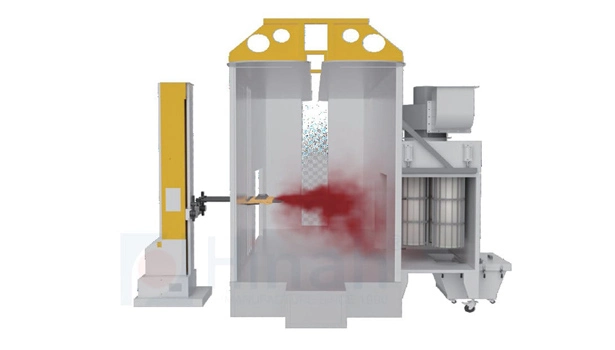
Application technology distinguishes advanced automated lines from entry-level solutions. Six-axis robots equipped with electrostatic spray guns or rotary atomizers offer repeatable positioning within ±0.1 mm. Key parameters include:
Fluid delivery: Precision gear pumps or peristaltic systems maintain flow rates from 50–500 cc/min with ±1% accuracy.
Atomizing air: Independent control of shaping air and atomization pressure ensures droplet size distribution between 10–40 microns, critical for metallic finishes and clearcoats.
Electrostatic voltage: 60–100 kV for liquid systems to maximize wrap efficiency; closed-loop feedback adjusts voltage based on part distance measured by laser sensors.
Conveyorization and Zone Logic
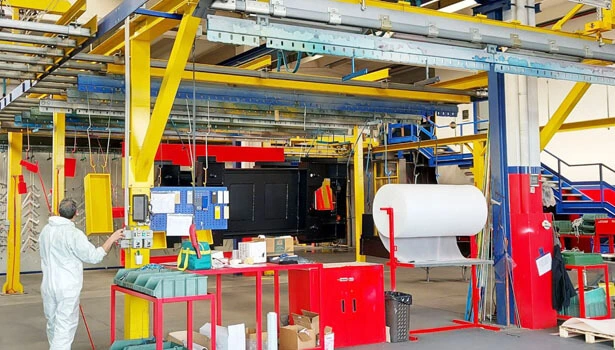
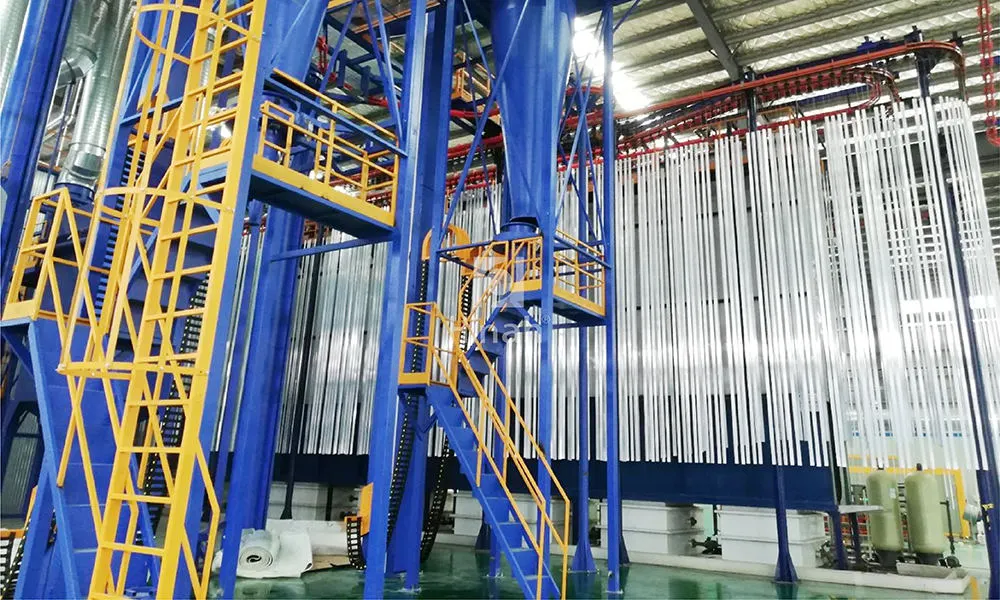
Overhead monorail or power-and-free conveyors form the circulatory system of any automated paint line. Variable-frequency drives (VFDs) allow speed modulation from 2 to 20 ft/min, enabling manufacturers to match line speed with cure schedules. Advanced zone logic uses photo-eyes and proximity sensors to trigger robot programs only when a part enters the booth, reducing overspray and conserving energy. HANNA’s conveyor integration includes predictive indexing that automatically adjusts line speed based on oven temperature profiles, preventing under-cure during production surges.
Curing and Flash-Off Zones
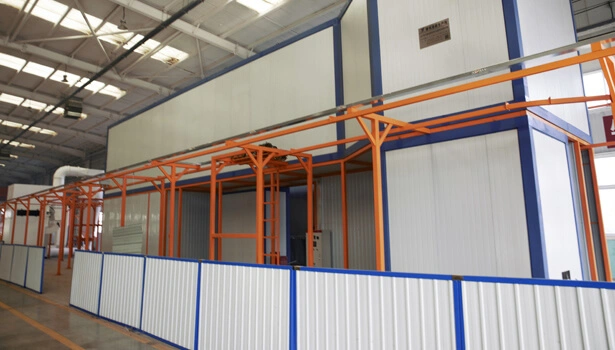
After application, parts must pass through controlled flash-off zones before entering curing ovens. For liquid coatings, flash-off durations of 5–15 minutes allow solvent evaporation, preventing solvent popping. Curing ovens—typically gas-fired convection or IR-assisted—must maintain temperature uniformity within ±5°F across all zones. Data loggers track thermal curves for each part type, ensuring that the substrate reaches required metal temperature (typically 350–400°F for powder coatings or 180–250°F for liquid paints) for the specified dwell time. Automated lines incorporate energy recovery systems that reuse oven exhaust to preheat fresh air, cutting natural gas consumption by up to 35%.
Metrics That Define Automated Line Performance
Evaluating an automated paint line requires analysis beyond throughput. Three key performance indicators separate optimized systems from those that incur hidden costs:
First-Pass Yield (FPY): Top-tier lines achieve FPY of 95–98% by combining robotic precision with real-time defect detection (e.g., vision systems that flag pinholes or thickness variations). Each 1% improvement in FPY can save over $50,000 annually in rework labor and material for medium-volume plants.
Transfer Efficiency (TE): For liquid paint, TE above 75% is achievable with electrostatic rotary bells; for powder, TE often exceeds 90% in well-designed automated lines. Improved TE directly reduces volatile organic compound (VOC) emissions and hazardous waste disposal costs.
Changeover Time: Automated systems with quick-color modules and purge cycles can transition between colors in under 10 minutes—a critical capability for job shops and tier-one suppliers that handle multiple SKUs daily. HANNA’s modular booth designs reduce color-change downtime by up to 50% compared to conventional fixed-booth layouts.
Industry-Specific Configurations: Tailoring Automation to Substrates and Standards
No single line configuration fits all industries. The most effective automated paint line is engineered around the specific demands of the application.
Automotive Tier Suppliers: High-speed lines (up to 15 ft/min) with robotic painters for primers, basecoats, and clearcoats. Must comply with IATF 16949 and CQI-12 coating system assessments. Systems incorporate viscosity control units that automatically adjust thinners to maintain target viscosity (±0.2 seconds on a Ford cup #4).
Agricultural and Construction Equipment: Heavy-gauge steel parts require high-build coatings for corrosion resistance. Automated lines use reciprocators with wide-fan guns and double-pass application to achieve 150–200 microns dry film thickness. Conveyor systems must support part weights exceeding 2,000 lbs while maintaining positioning accuracy.
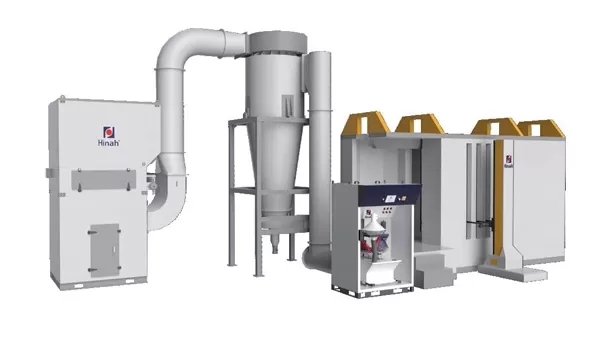
General Industrial and Appliances: Focus on energy efficiency and rapid changeover. White goods manufacturers often deploy powder-only automated lines with high-reclaim cyclones achieving 98% overspray recovery. These facilities prioritize OEE (Overall Equipment Effectiveness) metrics above 85%.
Addressing Operational Pain Points Through Intelligent Design
Common challenges in automated finishing—such as inconsistent film thickness on complex geometries, excessive cure energy, and lengthy downtime for maintenance—are systematically resolved through purposeful engineering.
Faraday Cage and Recessed Areas: For powder coating, automated lines now incorporate multi-axis gun movers that change voltage and powder output based on real-time part profiles. HANNA’s adaptive control software uses 3D laser scanning to identify cavities and automatically reduces voltage by 20–30 kV to promote penetration, eliminating manual touch-up stations.
Oven Energy Optimization: Legacy lines often over-cure due to fixed temperature settings. Modern automated paint lines use zone-based oven controls with infrared thermometers that adjust burner modulation per part. This dynamic approach reduces energy consumption by up to 25% and prevents color fade on heat-sensitive substrates.
Preventive Maintenance Downtime: Unexpected failures of pumps, robots, or conveyors can halt production for hours. Advanced systems from HANNA incorporate predictive analytics that monitor bearing vibration, motor current, and filter pressure drops. Maintenance teams receive alerts 100–200 operating hours before a component is likely to fail, enabling scheduled interventions instead of emergency repairs.
Why HANNA Leads in Automated Paint Line Integration
With more than two decades of engineering automated finishing systems, HANNA has built a reputation for delivering turnkey solutions that prioritize uptime, coating quality, and long-term ROI. Unlike suppliers that source third-party components, HANNA engineers, fabricates, and programs the entire line—from pretreatment to cure—ensuring seamless interoperability. Their HANNA-ICON™ control platform consolidates all line data into a single HMI, providing real-time dashboards for OEE, material usage, and defect tracking. In a recent installation for a Midwest agricultural manufacturer, HANNA’s automated line achieved a 22% increase in throughput and a 17% reduction in paint consumption within the first six months. By combining robotic precision with energy-smart oven design, HANNA’s lines consistently deliver first-pass yields exceeding industry benchmarks.
Industry 4.0 and the Future of Automated Coating
The next generation of automated paint lines will be defined by full digital integration and machine learning. Edge computing devices now analyze film thickness data from optical sensors and automatically adjust atomization parameters without human intervention. Digital twins of the entire finishing process allow operators to simulate color-change sequences, recipe optimization, and even oven ramp-up scenarios before physical implementation. HANNA is already deploying AI-driven quality prediction models that correlate pretreatment conductivity, booth humidity, and cure profiles with final coating performance, enabling proactive adjustments that prevent rejects. For manufacturers aiming to stay competitive, investing in Industry 4.0-ready infrastructure ensures adaptability to evolving environmental regulations and customer demands for full traceability.
Frequently Asked Questions (FAQ)
Q1: What is the typical ROI timeline for converting from manual spraying to an automated paint line?
A1: For operations with annual coating volume exceeding 50,000 parts, ROI is typically achieved within 12–20 months. Savings derive from material reduction (15–30% due to higher transfer efficiency), labor reallocation (2–4 spray operators per shift redeployed to value-added tasks), and improved first-pass yield (reducing rework by 40–60%). HANNA provides detailed ROI modeling based on current rejection rates, labor costs, and energy consumption to validate investment.
Q2: How does an automated paint line handle color changes without cross-contamination?
A2: Advanced automated lines employ dedicated color modules with independent fluid circuits. For liquid paint, automated purge cycles flush lines with solvent, followed by air blow-off. Quick-change booths with removable walls and floors reduce color change downtime to under 10 minutes. For powder systems, integrated cyclone and cartridge filter arrays with automated purging ensure that residual powder is fully evacuated. HANNA’s systems include recipe management that automatically calibrates gun parameters for each color, ensuring color accuracy and minimizing waste.
Q3: What maintenance practices are essential to sustain performance of an automated paint line?
A3: Preventive maintenance should be scheduled based on operating hours rather than calendar days. Critical items include: daily checks of booth air velocity and conveyor chain lubrication; weekly inspection of spray gun nozzles and atomizer bells; monthly calibration of fluid pumps and viscosity controllers. HANNA’s control platform includes digital maintenance logs and predictive alerts that notify operators when filter pressure drops exceed thresholds or robot joint temperatures indicate wear—reducing unplanned downtime by up to 60%.
Q4: Can an automated paint line handle both liquid and powder coating in the same system?
A4: Yes, but it requires segregated zones or modular booth configurations. Hybrid lines typically place liquid application in a dedicated booth with explosion-proof components and separate exhaust systems, while powder booths are located downstream with cartridge filter recovery. Conveyor routing and curing must account for different thermal profiles: powder cures at 350–400°F, while liquid paints often cure at lower temperatures (180–250°F). HANNA specializes in designing hybrid automated paint line configurations that maximize flexibility without compromising quality.
Q5: How does Industry 4.0 connectivity improve automated paint line operations?
A5: Industry 4.0 integration allows real-time monitoring of key parameters (viscosity, booth temperature, oven profile) and correlates them with final coating quality. Machine learning algorithms can identify patterns leading to defects—such as a 2% humidity increase causing blushing—and automatically adjust booth conditions. Data traceability also supports compliance with strict industry standards like CQI-12 or aerospace specifications. HANNA’s systems provide OEE dashboards, predictive maintenance alerts, and full batch traceability, enabling operators to achieve consistent quality with minimal manual oversight.
Investing in a fully engineered automated paint line is a strategic decision that influences operational efficiency, environmental footprint, and product quality for years. As coating specifications tighten and sustainability pressures mount, partnering with experienced integrators like HANNA ensures that finishers remain competitive through precision automation, data-driven controls, and continuous process optimization.