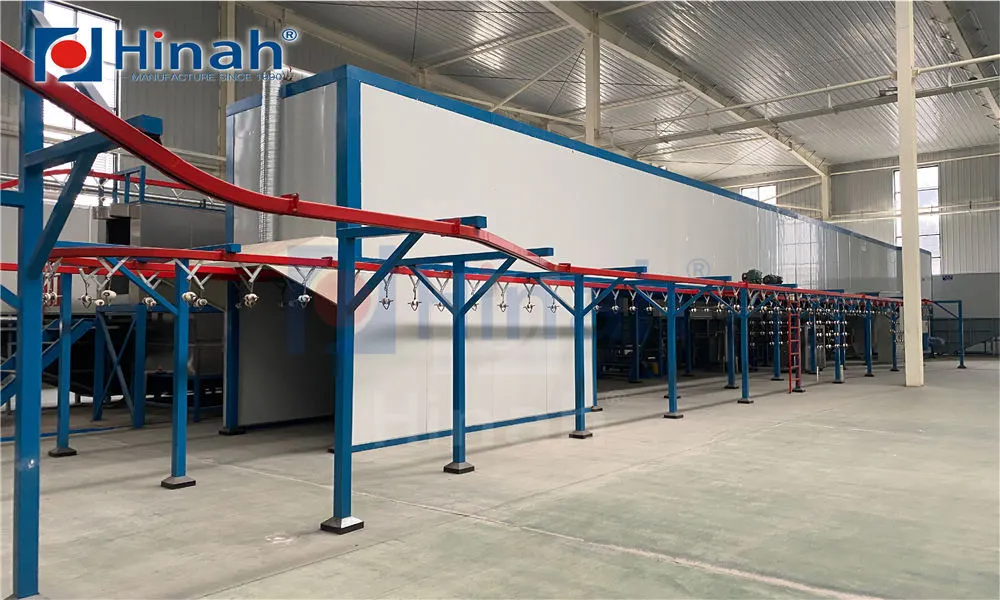

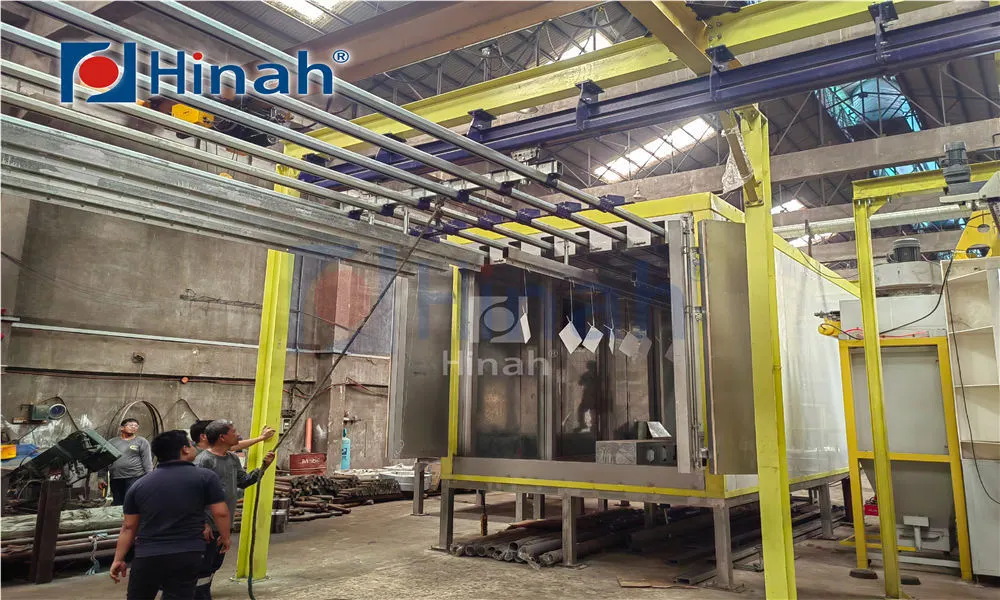
Implementing an Automated paint line transforms a finishing operation from labor‑intensive to highly productive. These systems handle everything from surface pretreatment to coating application and curing with minimal human intervention. HANNA designs such lines to meet the rigorous demands of automotive, aerospace, and general manufacturing sectors. Consistent quality and reduced cycle times are the immediate benefits.
With an Automated paint line, manufacturers achieve repeatable film thickness and color accuracy across thousands of parts. The integration of robotics, conveyors, and smart controls minimizes waste and rework. HANNA offers turnkey solutions that adapt to existing factory layouts, helping businesses scale without disruption.
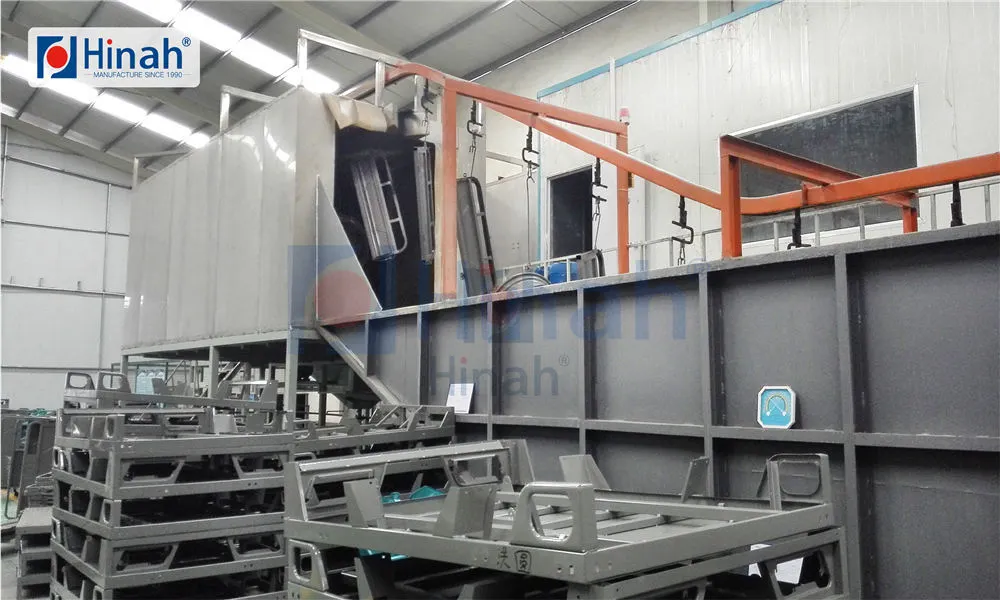
Understanding the building blocks of an Automated paint line is essential for proper selection and operation. Each component must work in harmony to deliver a flawless finish.
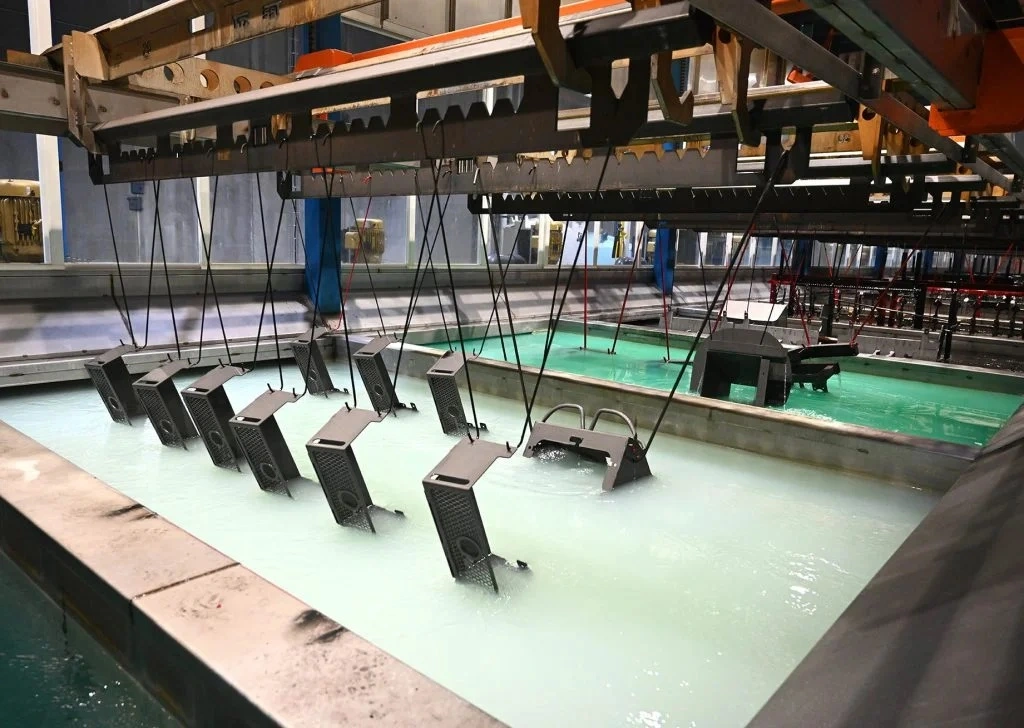
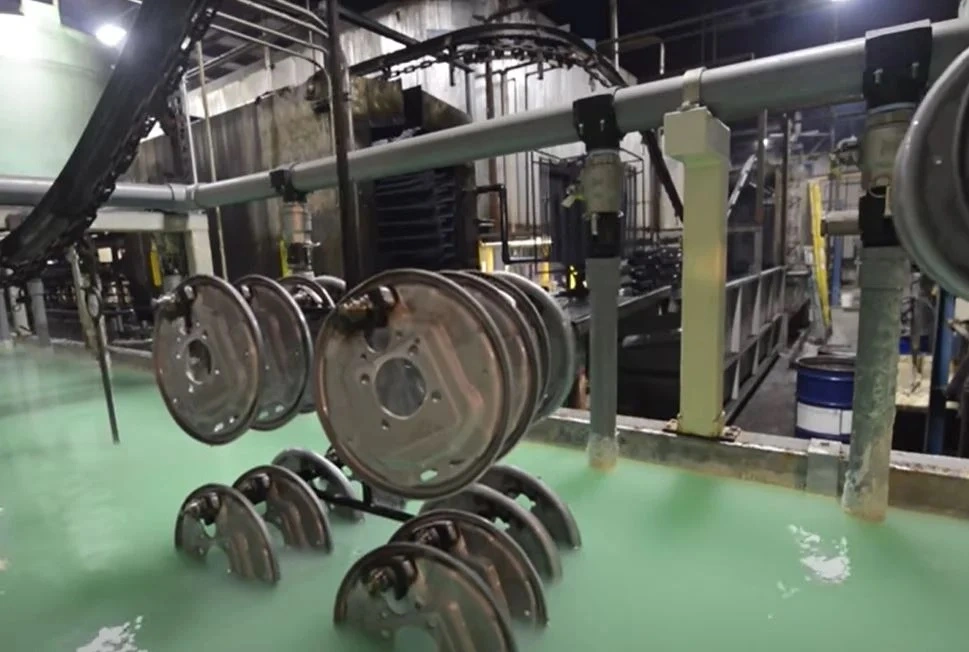
Pretreatment ensures proper adhesion and corrosion resistance. Modern Automated paint line configurations include multistage spray washers or immersion tanks. They clean, rinse, and apply conversion coatings such as iron phosphate or zirconium.
Robotic arms or reciprocating bells apply liquid or powder coatings with precision. An Automated paint line often features electrostatic guns that wrap paint around complex geometries, reducing overspray. HANNA integrates the latest applicator technology for uniform coverage.
After coating, parts enter a curing oven where heat cross‑links the paint film. Automated paint line designs include convection, infrared, or combination ovens. Temperature profiling and zoned control guarantee complete cure without energy waste.
Overhead conveyors, power‑and‑free systems, or floor conveyors transport parts through each stage. A well‑designed Automated paint line maintains precise spacing and indexing to avoid collisions and ensure consistent exposure.
Switching to an Automated paint line delivers measurable improvements beyond labor savings. Here are the primary benefits:
Consistent quality: Programmable parameters eliminate operator‑to‑operator variation.
Higher throughput: Continuous operation and faster line speeds increase daily output.
Material savings: Precision application reduces paint consumption by 15–25%.
Improved safety: Enclosed systems isolate workers from fumes and moving parts.
Data collection: Smart sensors track performance and predict maintenance needs.
Many companies that adopt an Automated paint line from HANNA report payback periods under two years, thanks to these efficiency gains.
Choosing the right Automated paint line requires a thorough analysis of your production requirements. Consider the following aspects before investing.
High‑mix, low‑volume shops need flexible changeover capabilities. An Automated paint line with quick‑color‑change booths and programmable logic controllers (PLCs) accommodates frequent job switches. HANNA offers modular designs that scale with your product mix.
Waterborne, solvent‑based, and powder coatings each have distinct application and curing requirements. Ensure the Automated paint line includes appropriate ventilation, temperature ranges, and fluid delivery systems. Compatibility testing is recommended before finalizing specifications.
Existing facility constraints may dictate a compact or vertical layout. Some Automated paint line designs incorporate elevated ovens or mezzanines to conserve footprint. HANNA engineers conduct site surveys to optimize space utilization.
Environmental and safety regulations govern VOC emissions, waste disposal, and worker exposure. A compliant Automated paint line includes abatement systems (e.g., oxidizers) and meets local codes. HANNA ensures all equipment adheres to international standards.
Regular maintenance keeps an Automated paint line operating at peak performance and prevents costly downtime. Implement these routines:
Daily inspection of nozzles, filters, and gun tips for clogs or wear.
Weekly cleaning of booth walls and conveyor tracks to prevent paint buildup.
Monthly calibration of temperature sensors and flow meters.
Quarterly lubrication of bearings and drive chains per manufacturer guidelines.
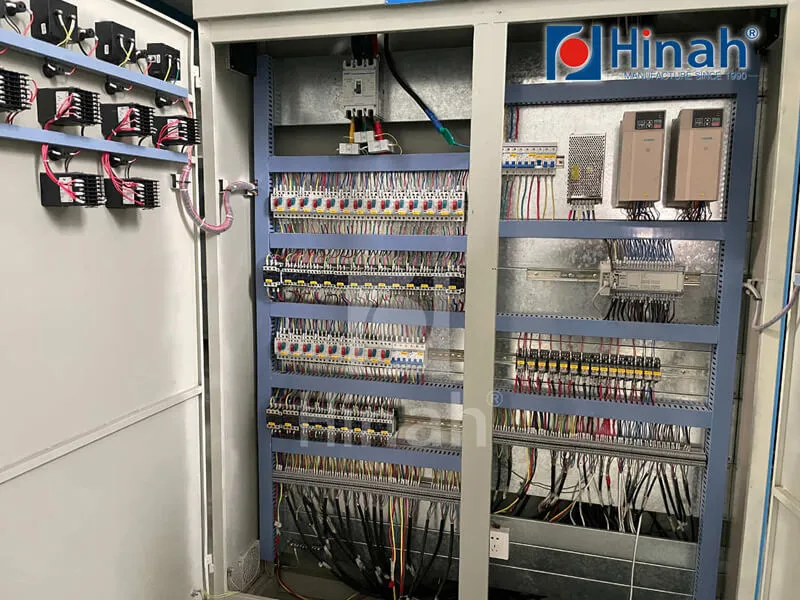
Annual professional audit of electrical and control systems.
HANNA provides detailed maintenance manuals and remote monitoring options for every Automated paint line installed. Proactive care extends equipment life and preserves finish quality.
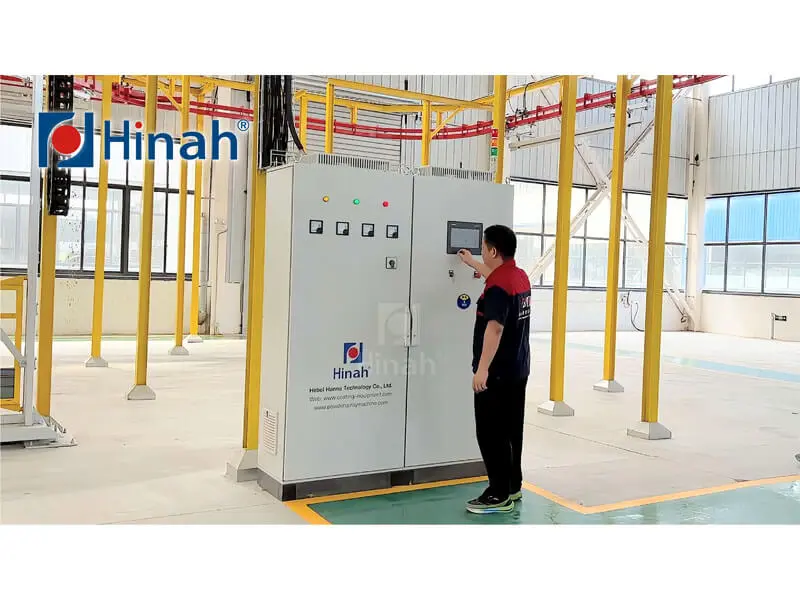
The evolution of Industry 4.0 is reshaping Automated paint line capabilities. Smart sensors and IIoT platforms now enable real‑time adjustments. Predictive analytics alert managers to potential failures before they occur. Robotics with machine vision can identify part variations and adapt spray patterns instantly. HANNA continuously integrates these innovations, ensuring customers benefit from the latest advancements in finishing technology.
In a competitive manufacturing landscape, an Automated paint line is no longer a luxury—it is a necessity for staying profitable. It delivers uniformity, speed, and sustainability that manual processes cannot match. HANNA has a proven track record of delivering robust Automated paint line solutions tailored to specific industries. Whether you are upgrading an existing line or building a new facility, investing in automation pays dividends through reduced operating costs and enhanced product appeal. Contact HANNA today to discuss how an Automated paint line can elevate your production capabilities.
Q1: What industries typically use an automated paint line?
A1: Automated paint line systems are widely used in automotive (body panels, wheels), aerospace (structural parts), appliance manufacturing, furniture, and heavy equipment sectors. Any industry requiring high‑volume, consistent coating benefits from automation.
Q2: How much floor space is needed for an automated paint line?
A2: Space requirements vary based on throughput and part size. Compact Automated paint line designs can fit in as little as 500 sq. ft., while large automotive lines may occupy 20,000+ sq. ft. HANNA performs a site assessment to recommend the optimal footprint.
Q3: Can an automated paint line handle both liquid and powder coatings?
A3: Yes, hybrid Automated paint line configurations exist, but they require careful design to avoid cross‑contamination. Typically, separate application booths and dedicated curing ovens are used for each coating type. HANNA engineers can integrate both technologies in one line.
Q4: What is the typical ROI period for an automated paint line?
A4: Most manufacturers achieve return on investment within 18 to 30 months. Factors include labor reduction, material savings, and increased throughput. An Automated paint line from HANNA is designed to maximize these financial benefits.
Q5: How often should the filters in an automated paint line be replaced?
A5: Filter replacement frequency depends on usage and paint type. Dry‑filter booths may need changes every 1–3 months, while water‑wash systems require periodic skimming and chemical treatment. Follow the OEM’s recommendations for your specific Automated paint line.
Q6: Is training required to operate an automated paint line?
A6: Yes, operators and maintenance staff need training on PLC interfaces, safety protocols, and routine adjustments. HANNA includes comprehensive on‑site training and documentation with every Automated paint line installation.