
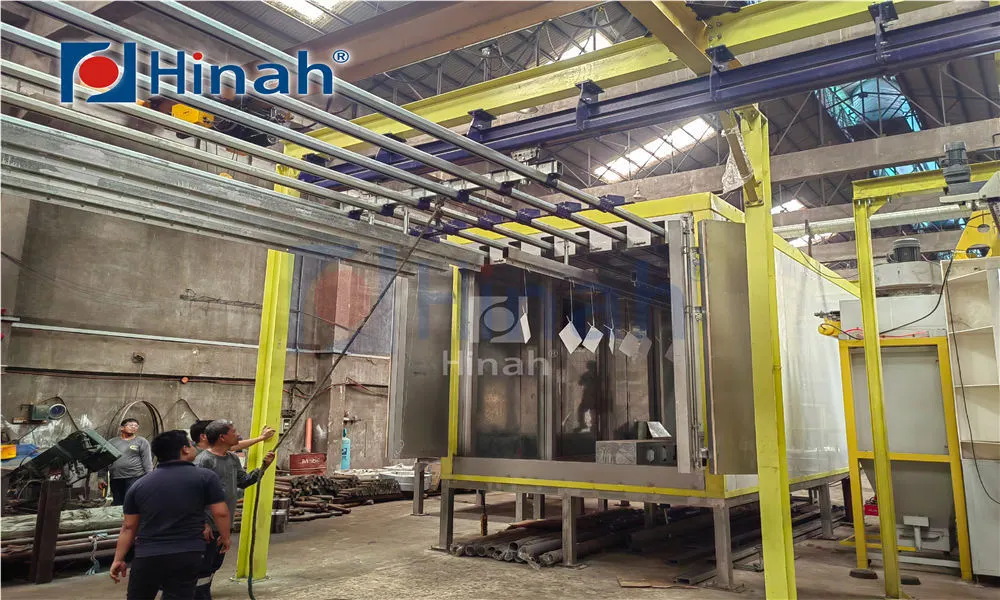
Manufacturing efficiency hinges on speed and consistency. If your production floor is struggling with bottlenecks in the finishing department, an automated paint line is likely the solution you have been looking for.
Manual spraying processes are prone to human error. They result in uneven coating thickness and wasted material. In contrast, a modern automated paint line delivers precision that manual labor simply cannot match. For business owners and production managers, the shift to automation is not just about technology; it is about securing a competitive advantage.
At HANNA, we have observed that companies switching to an automated paint line see immediate improvements in throughput. This article breaks down the technical aspects, cost considerations, and operational benefits of installing an automated paint line. We will help you decide if this upgrade fits your current business model.
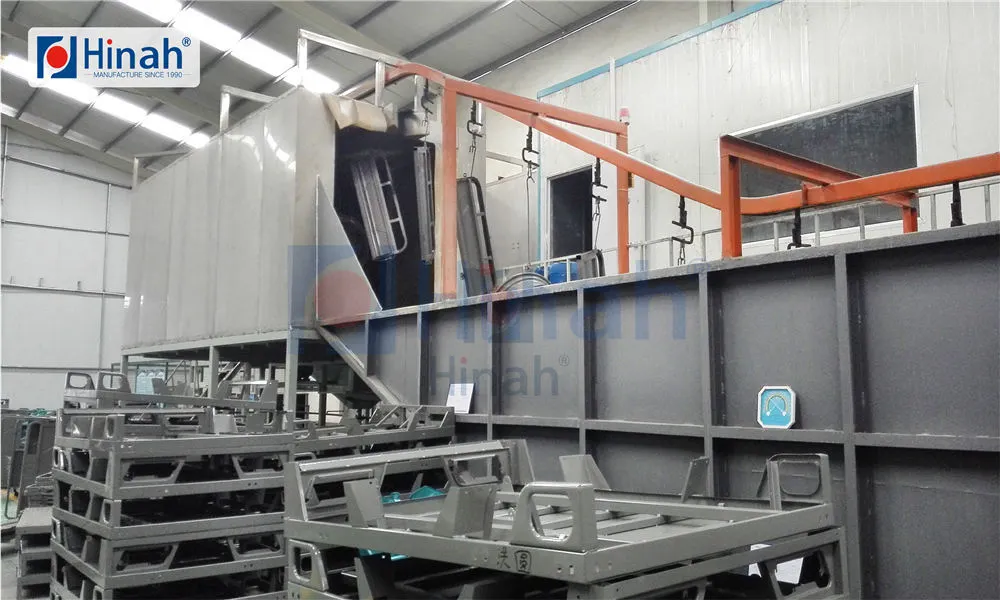
The primary driver for adopting an automated paint line is production volume. When daily output targets increase, manual spray booths become a liability. They slow down the entire manufacturing chain. An automated paint line removes this cap on production capability.
Consistency is the second factor. An automated paint line ensures that every part receives the exact same amount of powder or liquid coating. This reduces the rejection rate significantly. You no longer have to worry about rework caused by operator fatigue.
Material savings are substantial. An automated paint line utilizes advanced gun controls and reciprocators. These tools optimize the powder cloud or spray pattern. This means more coating ends up on the product and less ends up in the filters. Over a year, an automated paint line can save tons of raw material.
Labor allocation improves with automation. Instead of having skilled workers perform repetitive spraying tasks, an automated paint line allows you to move them to quality control or assembly roles. The system does the heavy lifting.
Finally, safety standards are easier to meet. An automated paint line isolates the hazardous spraying environment. This protects workers from chemical exposure and reduces the risk of health liabilities for the company.
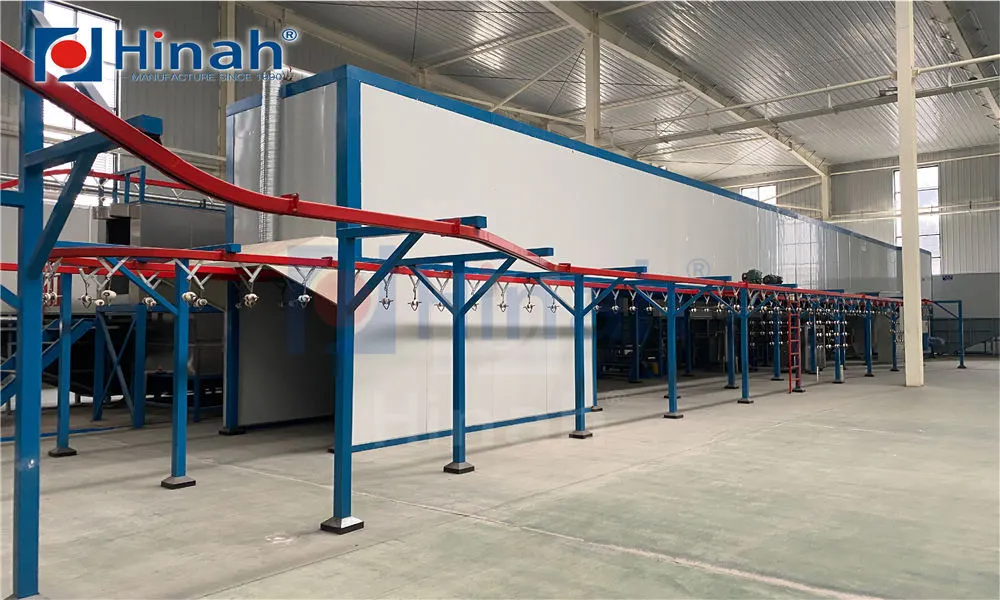
A successful automated paint line is a system of integrated machinery. It is not just a spray booth. The first critical stage is the pre-treatment area.
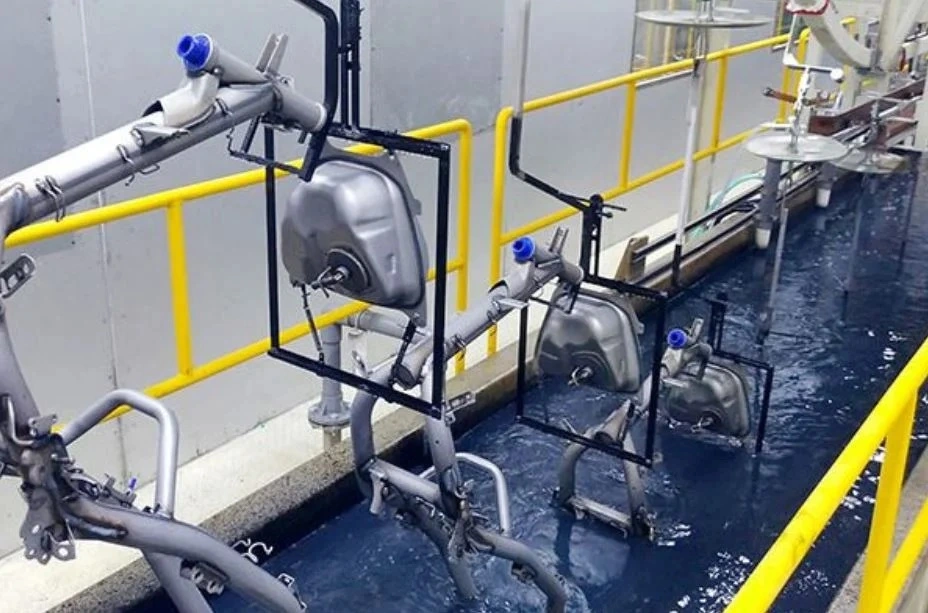
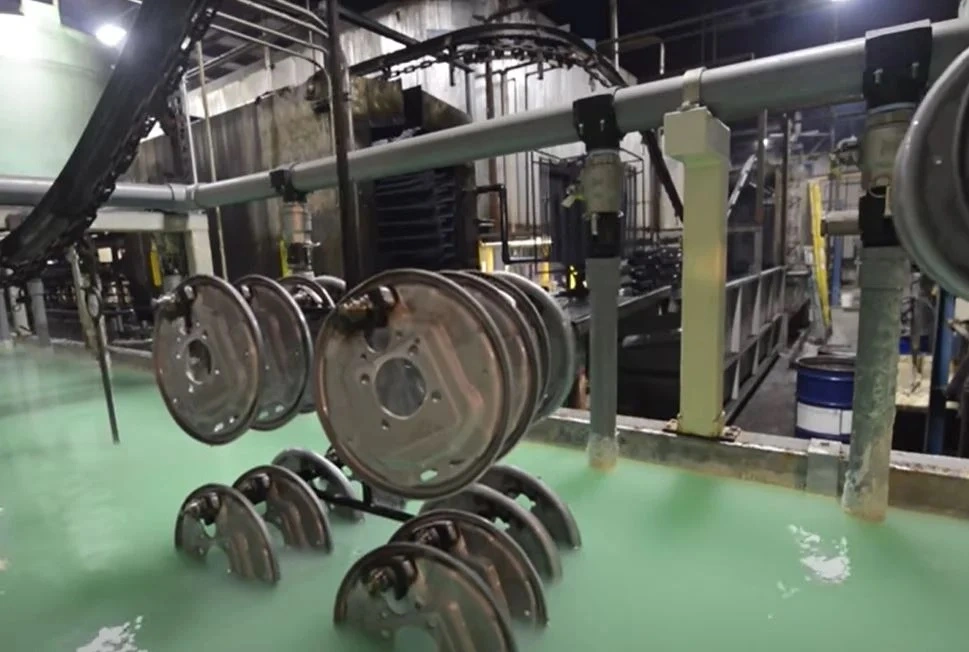
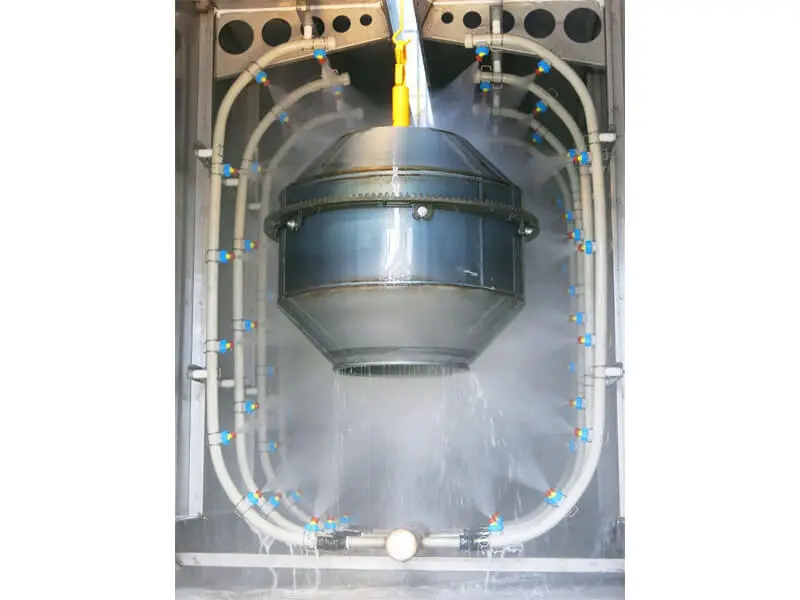
The longevity of a coating depends on the surface preparation. In an automated paint line, parts travel through a multi-stage washer. This removes oil, dust, and contaminants. HANNA designs the automated paint line to include degreasing, rinsing, and chemical conversion stages like phosphating or silane treatment. Without this section, the automated paint line cannot guarantee paint adhesion.
After washing, parts on the automated paint line must be dried. A moisture drying oven is essential. If water remains on the part, the subsequent coating will fail. The automated paint line uses high-velocity air to ensure parts are bone dry before they reach the spray booth.
This is the heart of the automated paint line. Here, automatic guns mounted on reciprocators apply the coating. Sensors at the entrance of the booth detect the part's geometry. They tell the automated paint line exactly when to trigger the guns. This reduces powder waste significantly compared to manual operation.
Once coated, the conveyor moves the parts into the curing oven. An automated paint line requires precise temperature control. The oven cures the powder or liquid paint, forming a durable finish. HANNA engineers these ovens to maintain uniform heat distribution, which is vital for color consistency on the automated paint line.
The backbone of any automated paint line is the conveyor. Whether it is a monorail or a power-and-free system, the conveyor dictates the speed of production. A smooth conveyor ensures that parts do not swing or touch, which protects the finish quality on the automated paint line.
The cost difference between a manual setup and an automated paint line is obvious, but so is the performance gap. Manual booths rely on the steady hand of the operator. An automated paint line relies on programmed logic.
In a manual setup, transfer efficiency (how much paint sticks to the part) is typically around 40-50%. An automated paint line can achieve transfer efficiencies upwards of 70-80% with powder reclamation. This difference directly impacts your bottom line.
Speed is another comparison point. A manual operator needs breaks. They can only spray so many square meters per hour. An automated paint line can run continuously. It only stops for scheduled maintenance or color changes.
Quality control is reactive in manual systems. You find the defect after the cure. In a sophisticated automated paint line, parameters are monitored in real-time. If air pressure drops or voltage fluctuates, the automated paint line system alerts the operator immediately.
Space utilization is often better with automation. While an automated paint line looks large, it utilizes vertical space for curing and cooling. Manual systems often require large staging areas for drying racks. The automated paint line keeps parts moving, reducing the need for Work-In-Progress (WIP) storage.
Choosing a vendor for your automated paint line is a strategic decision. You need a partner, not just a seller. HANNA focuses on customizing the line to your factory floor.
First, look at the engineering capability. Can the supplier design an automated paint line that fits your specific building columns and ceiling height? Standard solutions rarely fit perfectly. A custom automated paint line design maximizes your available space.
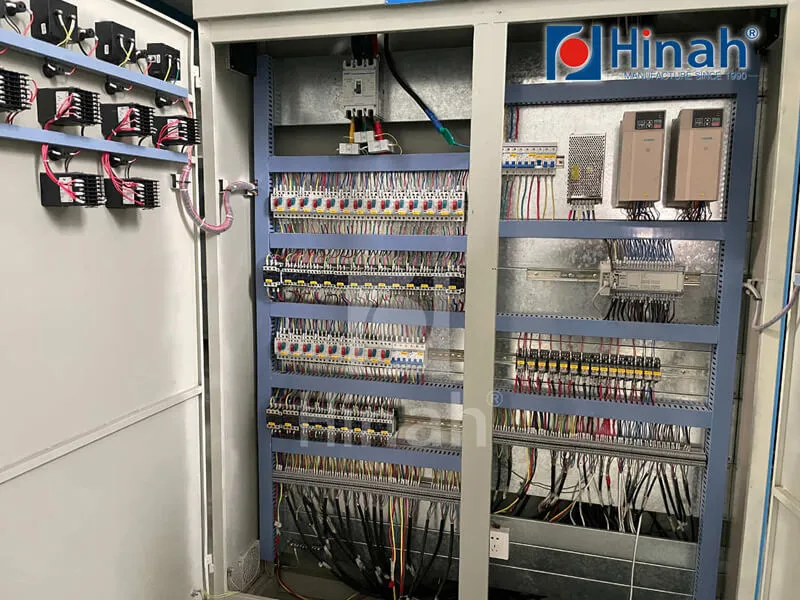
Second, consider the control technology. A modern automated paint line should have a user-friendly HMI (Human Machine Interface). Your operators need to be able to change recipes and settings easily. HANNA ensures that the software driving the automated paint line is intuitive.
Third, ask about support. An automated paint line has many moving parts. You need a supplier who offers spare parts and technical guidance. If a motor fails on your automated paint line, you need a replacement fast to avoid downtime.
References are crucial. Ask the supplier to show you a running automated paint line they have installed. Seeing the equipment in a live production environment gives you confidence in the hardware.
The price of an automated paint line varies wildly based on complexity. A small loop system costs less than a massive, multi-color line. However, you must look at Total Cost of Ownership (TCO).
Initial CAPEX includes the machinery, installation, and shipping. But the OPEX of an automated paint line is where you save money. Reduced labor costs and lower material consumption pay back the investment.
Energy consumption is a major factor. The ovens on an automated paint line consume gas or electricity. HANNA designs ovens with high-density insulation and air seals. This keeps the heat inside the automated paint line, lowering your monthly utility bills.
Maintenance costs must be budgeted. An automated paint line requires regular filter changes, chain lubrication, and gun cleaning. Neglecting this will shorten the lifespan of the automated paint line.
When calculating ROI, most factories find that an automated paint line pays for itself in 18 to 24 months. This depends on your shift volume. If you run two shifts, the automated paint line generates ROI even faster.
One of the biggest advantages of a powder coating automated paint line is recyclability. Unlike liquid paint, overspray powder can be reused.
The cyclone recovery system is a popular choice for the automated paint line. It spins the air to separate heavy powder particles from the air stream. This powder is returned to the feed hopper. An automated paint line with a cyclone allows for quick color changes.
Cartridge filters are another option. They are highly efficient but slower to clean. If your automated paint line runs one color for days, cartridges are excellent. If you change colors often, the cyclone is better for your automated paint line.
The feed center handles the fresh and recycled powder. In a HANNA automated paint line, the feed center is often automated as well. It manages the mix of new and old powder to ensure a consistent finish.
Where do we see these systems most often? The automotive industry is the largest user of the automated paint line. From wheels to chassis components, automation ensures corrosion resistance.
The appliance industry relies heavily on the automated paint line. Washing machines, refrigerators, and microwaves need a perfect aesthetic finish. The automated paint line delivers that glossy, smooth look consumers demand.
Architectural aluminum profiles are coated on vertical automated paint line systems. These lines are massive and designed for high throughput. They protect aluminum from weather elements.
Furniture manufacturing also benefits. Metal office desks and chairs are processed through an automated paint line to handle high volumes of varying shapes.
To protect your investment, a strict maintenance schedule is required. The automated paint line is a precision tool.
Daily checks should focus on the guns. Ensure the electrodes on the automated paint line guns are clean. Buildup here affects the electrostatic charge.
Weekly checks should involve the washer. Check the nozzle spray patterns in the pre-treatment section of the automated paint line. Clogged nozzles mean dirty parts.
Monthly checks should look at the conveyor. Check the chain tension on the automated paint line. A loose chain causes surging, which leads to uneven coating. Lubrication systems on the automated paint line must be full.
Quarterly, inspect the oven burners and airflow. Uneven heat in the automated paint line oven causes curing issues. Calibrate the temperature sensors to ensure the automated paint line is reading accurately.
The industry is moving toward Industry 4.0. A smart automated paint line connects to the cloud. Managers can view production data on their phones.
Robotics are becoming more common. While reciprocators are standard, 6-axis robots are entering the automated paint line market. They can paint complex geometries that standard machines miss.
Energy recovery is another trend. Using waste heat from the curing oven to warm the pre-treatment water makes the automated paint line more sustainable. HANNA is at the forefront of these green technologies.
Quick color change technology is evolving. The goal for any automated paint line is to switch colors in under 10 minutes. New booth designs make this possible.
Investing in an automated paint line is a significant step for any manufacturing business. It transforms your finishing department from a bottleneck into a productivity hub. The transition requires careful planning, but the rewards are clear.
An automated paint line offers speed, quality, and cost savings. It reduces reliance on manual labor and cuts down on material waste. For companies looking to scale, it is an essential piece of infrastructure.
At HANNA, we understand the complexities of these systems. We engineer the automated paint line to meet your specific production goals. If you are ready to modernize your facility, an automated paint line is the technology that will drive your future growth.
Q1: How much space do I need for an automated paint line?
A1: The space required for an automated paint line depends heavily on your product size and production speed. A compact loop for small parts might fit in 150 square meters, while a high-capacity line for large automotive parts could require over 1,000 square meters. HANNA can design "U-turn" or multi-level conveyors to fit an automated paint line into tighter spaces.
Q2: Can an automated paint line handle frequent color changes?
A2: Yes, modern systems are designed for this. If your automated paint line is equipped with a cyclone recovery system and a quick-clean booth made of dielectric materials (like plastic), color changes can be performed in 10 to 15 minutes. Older or simpler cartridge-based automated paint line systems may take 45 minutes or more to clean.
Q3: Is an automated paint line difficult to operate?
A3: It requires training, but modern controls simplify the process. A HANNA automated paint line uses PLC touchscreens where operators select pre-set recipes. The complexity is handled by the software. However, you will need a skilled maintenance technician to keep the mechanical and electrical components of the automated paint line in good condition.
Q4: What is the energy consumption of an automated paint line?
A4: Energy is a major operational cost. The curing oven and the pre-treatment heaters are the biggest consumers. However, a well-insulated automated paint line using infrared boosters or gas catalytic heaters can be very efficient. Variable Frequency Drives (VFDs) on motors also help reduce the electricity usage of the automated paint line.
Q5: Can I upgrade my existing manual booth to an automated paint line?
A5: Usually, it is better to replace than to upgrade. A manual booth is rarely designed to handle the airflow and conveyor openings of an automated paint line. However, you might be able to reuse the oven or conveyor if they meet the specifications. HANNA can assess your current equipment to see if any parts can be integrated into a new automated paint line.