

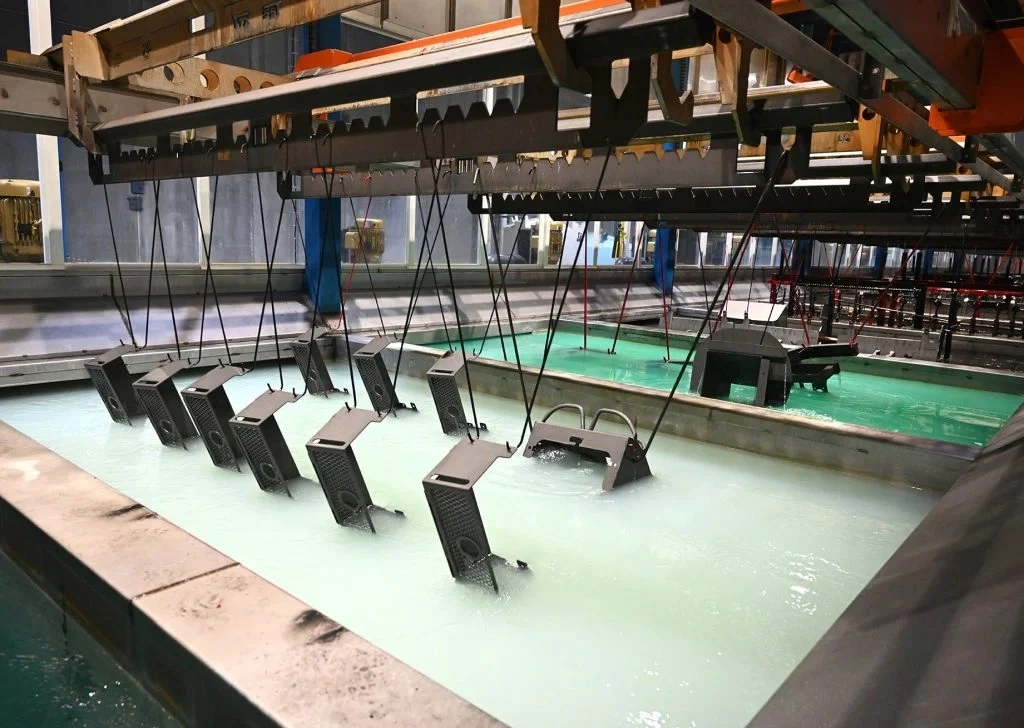
For industrial finishers, the gap between a functional coating and a flawless, durable finish is often defined by the sophistication of their commercial powder coating equipment. In high-volume environments—automotive, architectural, or general manufacturing—the system must deliver consistent film thickness, minimal waste, and rapid changeover capability. This article deconstructs the technology behind modern powder coating lines, examines performance metrics that directly impact profitability, and explains how intelligent system integration from HANNA sets a new benchmark in surface finishing.
Deconstructing Commercial Powder Coating Systems: Key Components and Their Roles
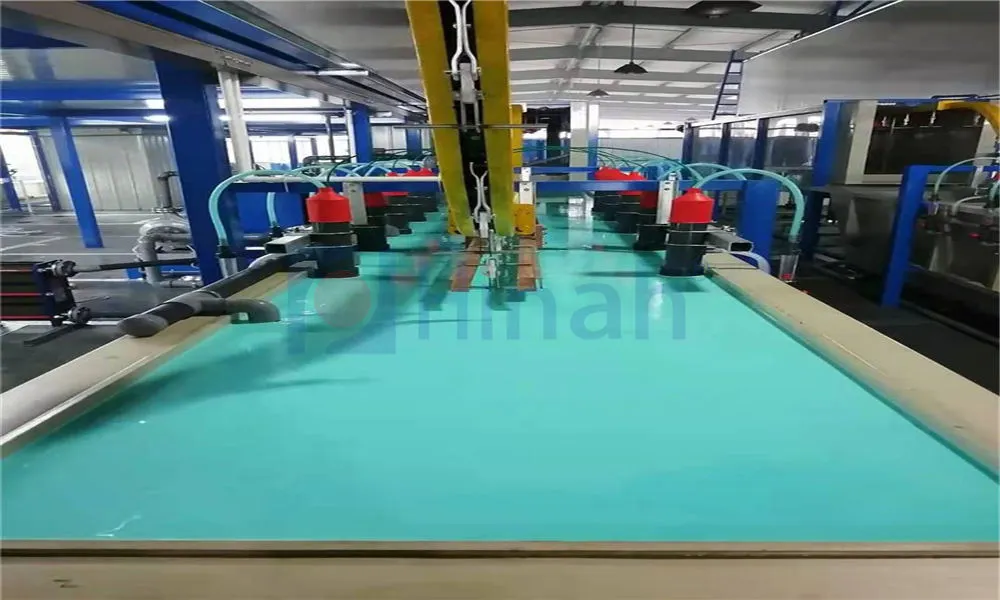
A high-performance powder coating line is not a collection of isolated machines; it is a finely orchestrated ecosystem. Each component must work in harmony to achieve transfer efficiencies above 90% while maintaining consistent cure profiles. Below are the critical subsystems that define a robust commercial powder coating equipment configuration.
Spray Booths and Containment Design
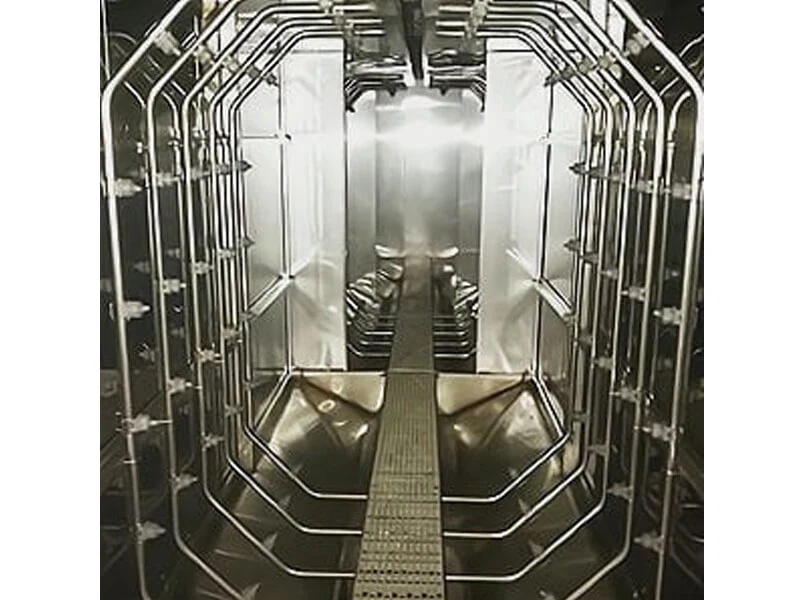
The spray booth is the first line of defense against overspray and cross-contamination. Modern booths utilize stainless steel or polypropylene walls to facilitate quick color changes. Integrated airflow systems—often with downdraft or crossdraft configurations—ensure that uncharged powder is immediately drawn toward the recovery cyclones or cartridge filters. For high-output operations, booth design directly influences reclaim efficiency; a well-engineered booth can recover up to 98% of overspray, drastically reducing material costs.
Electrostatic Spray Guns: Precision Application
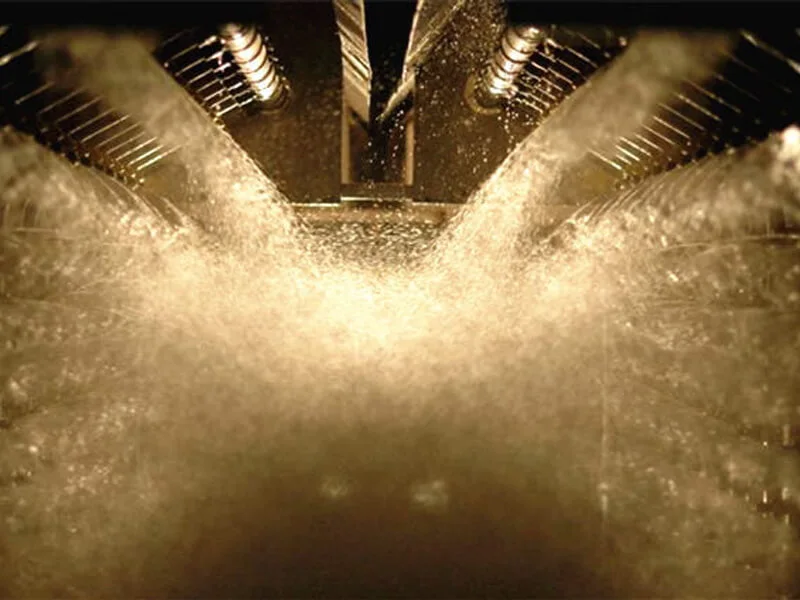
Corona-charged or tribo guns determine how powder particles adhere to the substrate. Advanced systems offer programmable voltage (60–100 kV) and amperage controls to manage the Faraday cage effect in recessed areas. Leading-edge guns now feature closed-loop feedback that adjusts parameters in real time based on part geometry and conveyor speed. This precision is non-negotiable for achieving uniform film builds between 60–120 microns without sags or orange peel.
Powder Recovery and Reclaim Systems
Reclaim systems separate usable powder from contaminants. Cyclone separators are preferred for large-scale lines due to their ability to handle high air volumes with minimal pressure drop. However, cartridge filter systems offer superior color-change speed. The best commercial lines incorporate a hybrid approach: cyclones for primary recovery and cartridge after-filters for final air cleaning. Effective reclaim not only reduces waste by up to 95% but also ensures consistent particle size distribution, which is critical for electrostatic attraction.
Conveyor Systems and Automation Integration
Overhead monorail or power-and-free conveyors are the backbone of continuous finishing operations. Variable-frequency drives allow precise speed modulation to match coating and curing dwell times. Integrating conveyor controls with the powder application system enables automated gun triggering, reducing powder consumption by 15–20% on mixed-product lines. HANNA specializes in synchronized conveyor-application logic that eliminates manual intervention and minimizes rejected parts.
Curing Ovens: Achieving Cross-Link Perfection
The curing oven is where thermoset powders reach their full chemical resistance and mechanical strength. Gas-fired convection ovens remain the industry standard, but infrared (IR) boosters are increasingly used for rapid gelation on heavy-gauge substrates. Temperature uniformity (within ±5°F) across the oven profile is essential to avoid under-cure (poor adhesion) or over-cure (color shift). Data loggers and real-time thermocouples are now standard in high-end commercial powder coating equipment to validate cure schedules for every batch.
Critical Performance Metrics: Transfer Efficiency, Film Build, and Faraday Cage Penetration
Three quantifiable metrics separate entry-level systems from industrial-grade lines: transfer efficiency (TE), film thickness consistency, and complex geometry coverage. High-performance equipment achieves TE of 85–95% when properly maintained, compared to 50–60% in outdated systems. This directly impacts material cost: a 10% increase in TE can save over $30,000 annually in powder consumption for a medium-volume line. Film thickness variation should remain within ±5 microns across the part; exceeding this invites rejection by automotive or architectural specifiers. Faraday cage penetration—coating recessed corners—is solved through dual-voltage gun controllers and optimized booth airflow, parameters that are fine-tuned during system commissioning.
Industry-Specific Applications: Tailoring Equipment for Demanding Environments
No single configuration suits all sectors. Effective commercial powder coating equipment must adapt to the substrate, geometry, and quality standards of each industry.
Automotive Tier Suppliers: High-speed lines (up to 15 ft/min) with rapid color-change capabilities (under 10 minutes) are mandatory. Systems must comply with IATF 16949 standards, requiring full traceability of application parameters. HANNA’s modular booths and quick-release gun mounts reduce downtime during shift changes.
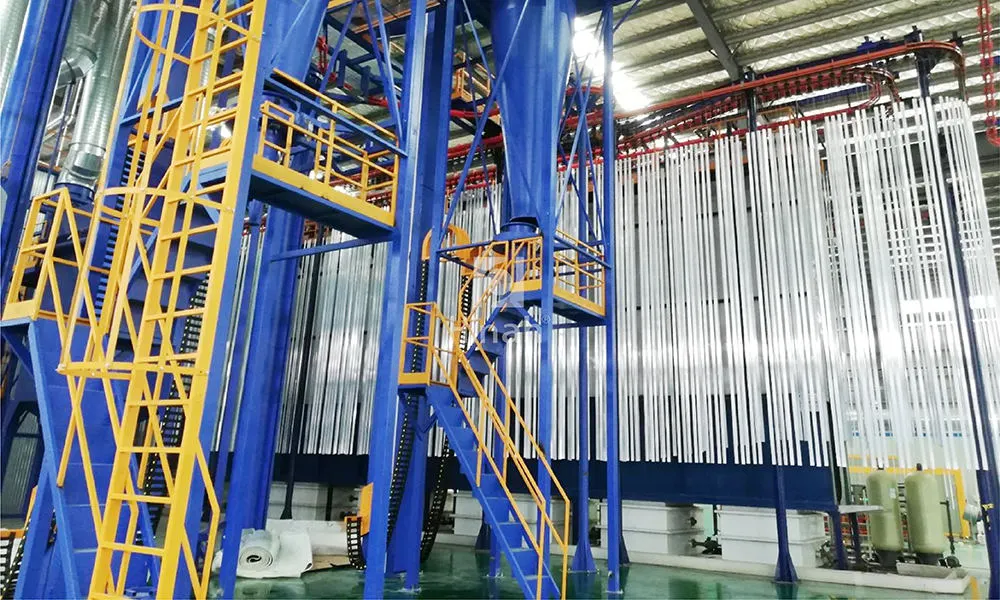
Architectural Aluminum Extrusions: AAMA 2604/2605 specifications demand exceptional weathering resistance and film uniformity on long profiles. Vertical reciprocators with multiple gun adjusters ensure consistent coverage on complex cross-sections. Horizontal lines for extrusions often incorporate pre-treatment zirconium baths integrated with the coating line.
Appliance and General Finishing: White goods manufacturers prioritize transfer efficiency and low VOC compliance. High-reclaim systems combined with automatic booths can achieve material utilization rates above 97%, aligning with strict sustainability goals.
Overcoming Operational Pain Points with Intelligent System Design
Industrial finishers face persistent challenges: color change downtime, inconsistent film thickness on complex parts, and environmental compliance. Modern commercial powder coating equipment addresses these through purposeful engineering.
Color Change Downtime Reduction: Conventional lines lose 45–60 minutes per color change. By implementing booth sweep systems, quick-release powder feed hoses, and independent cyclone purge cycles, advanced lines reduce changeover to under 8 minutes. HANNA integrates fully automated color change modules that flush feed lines and reset gun parameters with a single command.
Consistent Film Thickness in Complex Geometries: Parts with deep recesses or sharp edges traditionally require manual touch-up. New-generation equipment employs electrostatic field shaping—via multi-axis gun movers and real-time profile scanning—to automatically adjust voltage and powder output. This eliminates Faraday cage failures and ensures first-pass acceptance rates above 98%.
Environmental Compliance and Overspray Management: Stringent EPA and EU regulations demand near-zero emissions. Closed-loop reclaim systems with HEPA after-filters ensure that stack particulate levels stay below 0.02 grains per dry standard cubic foot. Additionally, energy recovery systems on curing ovens can cut natural gas usage by up to 30%.
Why HANNA’s Commercial Powder Coating Equipment Sets the Benchmark
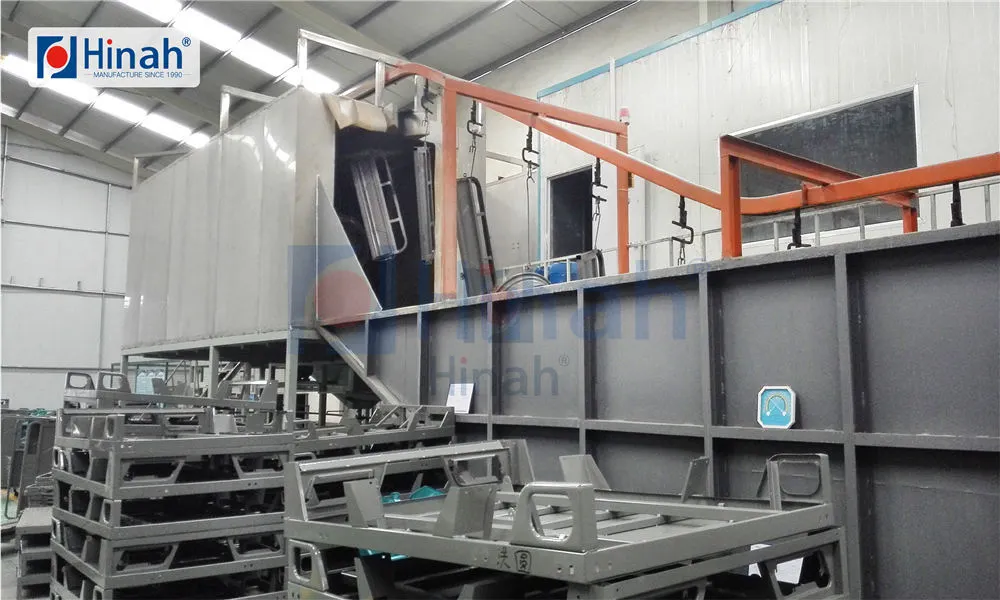
With over two decades of engineering experience, HANNA has developed a reputation for delivering fully integrated powder coating plants that prioritize uptime, precision, and long-term ROI. Unlike component-based suppliers, HANNA designs, fabricates, and programs the entire finishing line—from pretreatment to curing—ensuring seamless interoperability. Their proprietary HANNA-ICON™ control platform provides real-time OEE dashboards, predictive maintenance alerts, and recipe management for over 500 SKUs. One recent installation for a Midwest automotive supplier resulted in a 22% reduction in powder consumption and a 40% decrease in color-change downtime within the first six months of operation. By combining modular booth designs with energy-smart ovens, HANNA’s systems consistently achieve the industry’s highest first-pass yield rates.
Maximizing ROI: Data-Driven Maintenance and Process Optimization
Acquiring premium commercial powder coating equipment is only the first step; maintaining peak performance requires a structured maintenance protocol. Data from differential pressure sensors on filters, amperage logs on spray guns, and temperature profiles from ovens should be reviewed weekly. Predictive maintenance algorithms can detect a 5% drop in transfer efficiency before it results in reject parts. HANNA’s remote diagnostic service allows finishers to access live machine data, reducing mean time to repair (MTTR) by up to 50%. Additionally, periodic nozzle wear checks and reclaim sieve analysis ensure that particle size distribution remains within OEM specifications—a critical factor for electrostatic wrap and flowability.
Future Trends: Industry 4.0 and Smart Powder Coating Lines
The next generation of powder coating lines will be defined by artificial intelligence and full connectivity. Edge computing devices will analyze real-time film thickness using optical sensors, automatically adjusting gun parameters without operator intervention. Digital twins of the entire coating line allow engineers to simulate color change sequences or oven ramp-up scenarios before physical implementation. HANNA is already piloting AI-driven powder management systems that predict reclaim purity based on production schedules, minimizing the need for virgin powder additions. For finishers aiming to remain competitive, investing in Industry 4.0-ready infrastructure today ensures adaptability to tomorrow’s standards for carbon footprint reporting and fully automated batch processing.
Frequently Asked Questions (FAQ)
Q1: What is the typical return on investment (ROI) period for upgrading to automated commercial powder coating equipment?
A1: For high-volume operations (over 5,000 parts/day), ROI is typically achieved within 12–18 months. The savings come from three areas: material savings (15–25% due to improved transfer efficiency), labor reduction (automated gun triggering and conveyor tracking reduce manual handling), and energy efficiency (modern ovens and reclaim systems cut utility costs by 20–35%). Detailed ROI models from HANNA factor in current rejection rates and downtime to provide plant-specific projections.
Q2: How does powder reclaim affect final coating quality, and what is the ideal reclaim-to-virgin ratio?
A2: Reclaimed powder, if properly sieved and stored, can be reintroduced at ratios up to 30% without impacting appearance or mechanical properties. High-end systems classify reclaim by particle size, blending it with virgin powder in real time to maintain fluidity and chargeability. Exceeding the 30% ratio may lead to inconsistent film thickness due to fines accumulation. Systems from HANNA include integrated reclaim management that automatically adjusts blend ratios based on real-time particle analysis.
Q3: What are the most common causes of Faraday cage penetration failure, and how can commercial equipment solve it?
A3: Faraday cage issues occur when electrostatic charges build up on recessed areas, repelling further powder. Common causes are excessive voltage, incorrect gun positioning, and poor booth airflow. Advanced commercial powder coating equipment addresses this through programmable voltage ramping (starting at 60 kV for recesses and increasing to 90 kV for open surfaces), oscillating gun movers with multi-angle nozzles, and airflow adjustments that direct charged particles into corners. Implementing these features typically reduces touch-up labor by 80%.
Q4: What maintenance schedule is recommended for powder coating booths and reclaim systems to ensure consistent performance?
A4: A preventive maintenance schedule should include daily checks of booth air velocity (maintain 80–100 ft/min), weekly inspection of cartridge filter pulse cleaning systems, and monthly sieve analysis of reclaim powder. Cyclone separator liners should be inspected every 500 operating hours for abrasive wear. HANNA provides digital maintenance logs and automatic filter change alerts integrated into their control platform, reducing unplanned downtime by up to 60%.
Q5: Can commercial powder coating equipment handle both metallic and solid-color powders without cross-contamination?
A5: Yes, but it requires dedicated booth modules or extremely efficient cleaning protocols. Metallic powders contain aluminum or mica flakes that can remain in the reclaim system, causing streaking in subsequent solid-color batches. High-end lines use independent powder circuits for metallics or employ fully automated booth washing systems that clean all contact surfaces in under 10 minutes. When specifying equipment, it is critical to design the system with metallic-compatible feed hoses and separate cyclone/reclaim units to guarantee color purity.
Selecting the right commercial powder coating equipment is a strategic decision that influences operational efficiency, environmental compliance, and end-product quality for years. As coating specifications tighten and sustainability pressures mount, investing in fully integrated, data-driven systems from experienced manufacturers like HANNA ensures that finishers remain competitive in a demanding global market. Whether the priority is ultra-fast color change, near-zero waste reclaim, or Industry 4.0 connectivity, the foundation of success lies in engineering precision and a holistic approach to line design.