
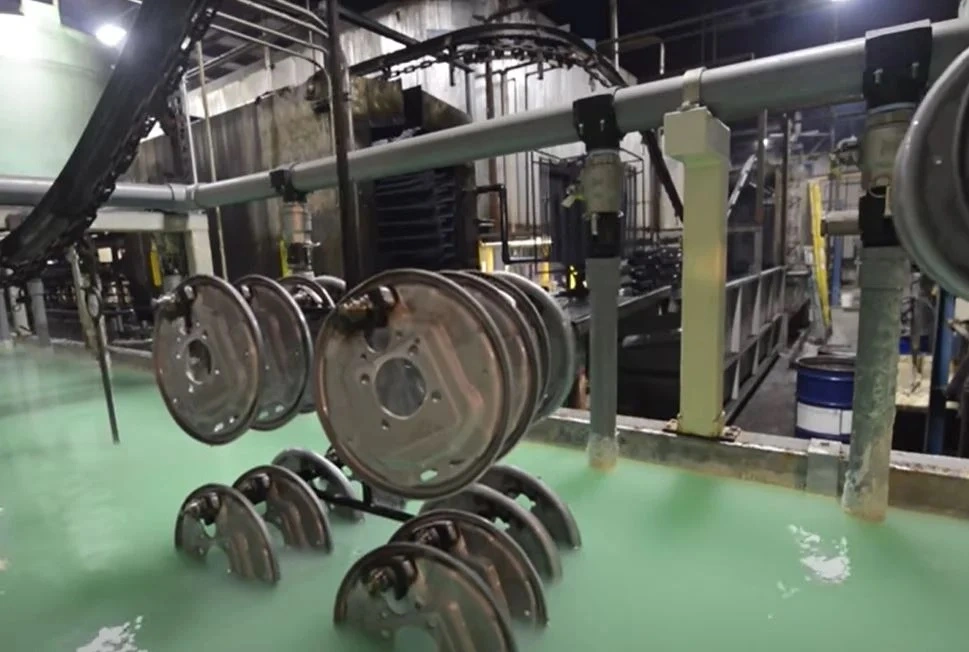
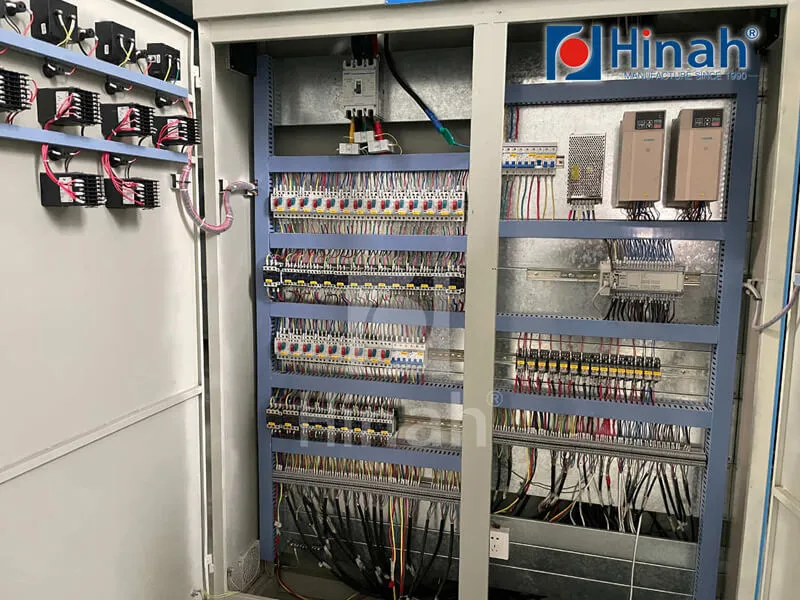
In modern surface finishing, the powder coating oven is the decisive link between applied powder and a durable, high-quality finish. While powder application gets significant attention, the curing process dictates adhesion, impact resistance, and corrosion protection. A suboptimal oven leads to rejects, rework, and excessive energy bills. This article provides a technical deep dive into powder coating oven design, operational parameters, and real-world solutions to meet the demands of high-throughput industrial environments.
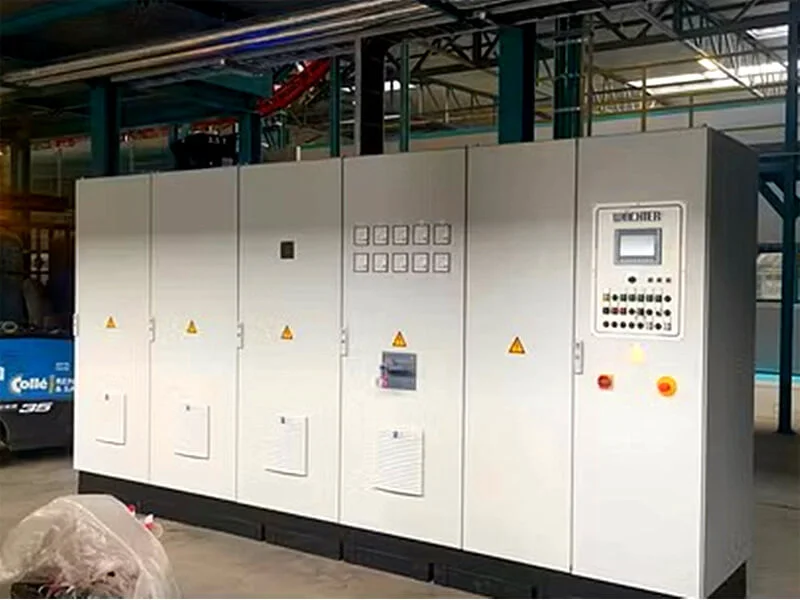
1. Understanding the Fundamentals: How a Powder Coating Oven Works
A powder coating oven performs three critical functions: heat transfer to the substrate, chemical cross-linking of the polymer resins, and flow-out of the coating into a continuous film. The cure schedule—typically 10 to 30 minutes at 180°C to 220°C (measured at the part surface)—must be precisely maintained. Unlike liquid paints, powder requires this thermal energy to melt and polymerize. The oven must compensate for part mass variations, line speed changes, and ambient conditions. Convection (air-heated) is the dominant method, but infrared (IR) and combination ovens are used for specific geometries and high-speed processes. Understanding the required heat input (kW) based on specific heat of materials and production rate is the first step in specification.
2. Key Types of Powder Coating Ovens: Batch vs. Continuous Systems
Selecting the right oven architecture directly impacts capital expenditure and operational flexibility. Two primary configurations dominate the industry:
Batch ovens: Ideal for job shops and low-to-medium volumes with varied part sizes. They are essentially walk-in or overhead-trolley enclosures where parts are cured in lots. Thermal uniformity (±3°C to ±5°C) across the chamber is a common challenge that can be addressed with high-velocity air plenums.
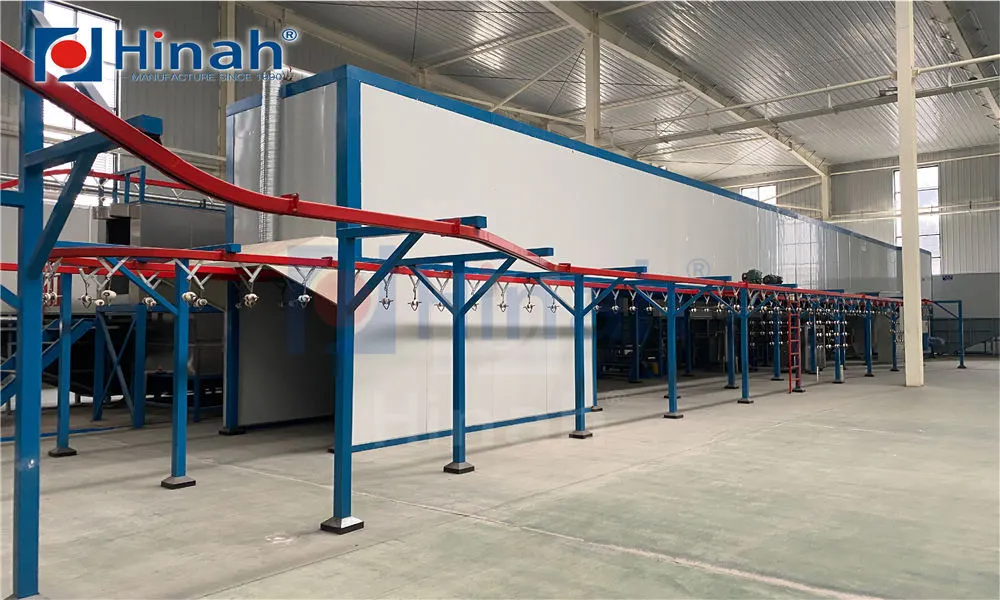
Continuous ovens (convection or IR): Designed for high-volume production lines. Parts travel on a conveyor through a tunnel, receiving a consistent thermal profile. These systems maximize throughput but require precise zoning to handle mixed part geometries. A well-designed continuous powder coating oven can achieve thermal uniformity within ±2°C, which is critical for thin-gauge metals to avoid distortion.
Hybrid solutions, such as combination IR/convection ovens, are increasingly adopted to rapidly boost part temperature and then hold for cure, reducing overall footprint and energy consumption. HANNA specializes in custom-engineered continuous lines that integrate these technologies seamlessly.
3. Critical Design Elements for Thermal Uniformity and Throughput
Thermal uniformity is the single most important quality metric of any powder coating oven. Without it, under-cured (soft, poor adhesion) or over-cured (discolored, brittle) parts result. Achieving uniformity requires attention to:
Airflow Management
High-velocity air nozzles and strategic return-air placements prevent dead zones. Computational Fluid Dynamics (CFD) modeling is now standard for designing plenums that ensure air changes per minute (typically 20–60 times) are optimized for the part density. Air seals at entry/exit points minimize heat loss and cold-air infiltration.
Insulation and Heat Containment
Mineral wool or ceramic fiber panels with appropriate R-value (e.g., 100mm thickness with 0.04 W/mK conductivity) reduce skin temperature and operational costs. Payback calculations on high-grade insulation often show ROI in less than 18 months.
Heating System Selection
Direct gas-fired burners are cost-effective, but indirect systems (using heat exchangers) are mandatory when combustion by-products could contaminate sensitive parts. Electric infrared emitters provide instant ramp-up for preheat zones. Modern powder coating oven designs often incorporate modulating burners and variable-frequency drives (VFDs) on recirculation fans to match heat input to actual load, reducing energy waste by up to 30%.
4. Energy Efficiency Strategies in Powder Coating Oven Operation
Energy represents a significant portion of lifecycle costs. Data from industrial audits show that ovens account for 60-70% of total powder line energy consumption. Four proven strategies mitigate this:
Heat recovery wheels: Capture exhaust heat to preheat combustion air or make-up air.
Variable-speed drives: Adjust airflow based on real-time temperature differentials.
Automated pressure control: Maintain slightly negative pressure inside the oven to contain fumes while minimizing conditioned air loss.
High-emissivity coatings on interior walls: Improve radiant heat transfer to parts, particularly beneficial for complex geometries.
HANNA integrates these features into their standard designs, with documented energy savings of 15–25% compared to legacy equipment. Their advanced control systems also enable peak-load shedding to reduce demand charges.
5. Common Industry Pain Points and Engineering Solutions
Even well-designed ovens face operational challenges. Here are frequent issues and technical fixes:
Problem: "Hot spots" causing discoloration.
Solution: Re-balance duct dampers and verify burner tuning; install perforated diffuser plates.Problem: Slow ramp-up time limiting line speed.
Solution: Add IR booster modules at the entrance; increase burner capacity or airflow.Problem: High natural gas consumption.
Solution: Retrofit with recuperative burners; enhance door seals; implement automatic idle-standby mode during breaks.Problem: Inconsistent cure on heavy versus light parts.
Solution: Implement zone-specific temperature control and conveyor indexing to vary dwell time.
Addressing these pain points often requires a combination of mechanical modification and advanced process control, turning the powder coating oven into a precise thermal instrument rather than a simple box.
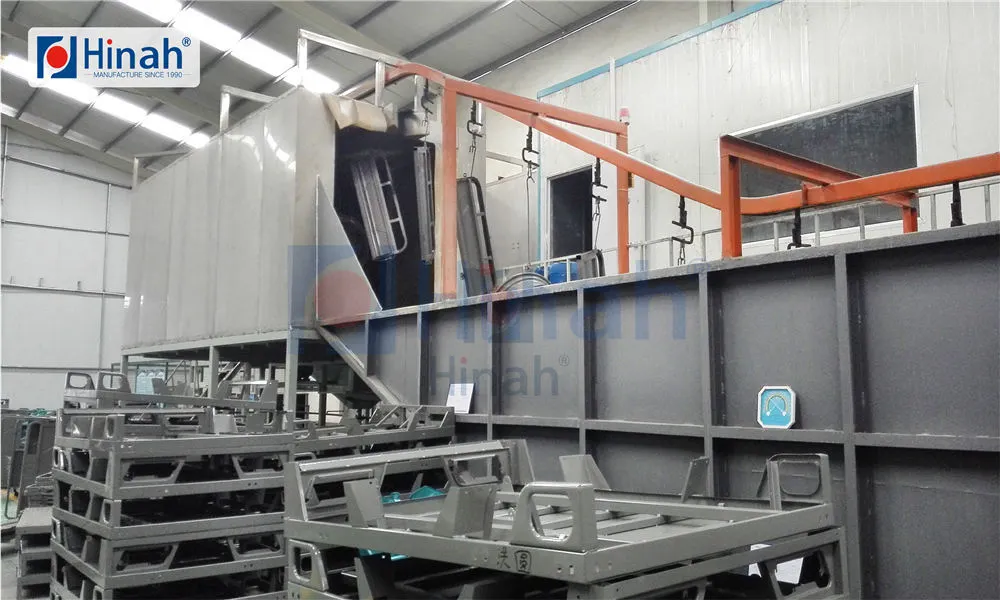
6. How HANNA’s Advanced Powder Coating Oven Solutions Address Modern Demands
With over two decades of engineering experience, HANNA has developed a modular oven platform that meets the rigorous E-E-A-T standards of today's manufacturers. Their powder coating oven series incorporates features derived from direct customer feedback:
Adaptive PID control algorithms that learn production cycles and preemptively adjust temperature.
Heavy-duty galvanized steel interiors with full penetration welds to prevent contamination.
Modular panel construction allowing future capacity expansion without replacing the entire oven.
Integrated data logging for ISO 9001 compliance and predictive maintenance alerts.
HANNA's engineers work with clients to perform thermal profiling using 12+ channel data loggers, ensuring that every part—from thin aluminum extrusions to thick castings—receives the correct time-temperature curve.
7. Best Practices for Maintenance and Safety Compliance
Regular maintenance ensures longevity and safety. Key actions include:
Quarterly: Inspect seals, gaskets, and hinges; check burner flame rods and UV sensors.
Semi-annually: Clean recirculation fans and shafts; verify airflow switch calibration.
Annually: Perform a full thermal uniformity survey (per AMS 2750 or similar standards); inspect interior walls for powder accumulation and clean as needed to prevent fire risk.
Compliance with NFPA 86 (for ovens and furnaces) is non-negotiable. Modern powder coating oven designs include purge cycles, high-temperature limit controls, and explosion relief panels where required by local codes.
8. Future Trends: Smart Ovens and Industry 4.0 Integration
The next generation of curing systems leverages IoT sensors and machine learning. Smart ovens can predict maintenance needs, automatically adjust recipes based on part ID (read from barcodes), and report real-time energy consumption to plant MES systems. Data from multiple powder coating oven installations show that Industry 4.0 integration reduces unplanned downtime by 22% and improves first-pass yield by 5-8%. These gains are driving the shift toward fully connected paint lines.
Frequently Asked Questions About Powder Coating Ovens
Q1: What is the typical temperature range for a powder coating
oven?
A1: Most thermoset powders cure between 160°C and 210°C (320°F
to 410°F) for 10 to 20 minutes part temperature. Low-temperature powders (curing
at 120-150°C) are available for heat-sensitive substrates, but standard ovens
are designed for the conventional range.
Q2: How do I calculate the correct oven size for my production
line?
A2: Size is determined by required dwell time, conveyor speed,
and part dimensions. Formula: Oven length = (line speed) × (cure time) +
clearance allowance. You must also consider air seals and zone separation.
HANNA offers free thermal modeling
based on your part mix and throughput goals.
Q3: What is the difference between a gas-fired and an electric
infrared oven?
A3: Gas-fired convection ovens are best for complex
shapes and high mass due to even air heating. Electric infrared (IR) ovens
provide rapid heat-up for flat panels or simple geometries, often reducing cure
time by 50%. Many high-performance lines combine both: IR for boost, convection
for soak.
Q4: How often should I perform thermal profiling on my
oven?
A4: Industry best practice (e.g., for automotive or aerospace
suppliers) requires profiling at least quarterly or after any major maintenance.
Continuous monitoring using fixed thermocouples is recommended for critical
processes to detect drift immediately.
Q5: Can I retrofit my existing batch oven to improve energy
efficiency?
A5: Yes. Common retrofits include adding VFDs on fans,
upgrading insulation, installing high-temp gaskets on doors, and using ceramic
burner blocks. These investments typically yield 15-25% energy savings and pay
back within two years.
Q6: What safety standards apply to powder coating
ovens?
A6: In North America, NFPA 86 is the primary standard. It
covers safety shutoff systems, ventilation interlocks, operating limits, and
fire prevention. In Europe, EN 1539 and relevant machinery directives apply.
Always ensure your equipment supplier certifies compliance.
Selecting and maintaining a powder coating oven is a multidisciplinary engineering task. By focusing on thermal uniformity, energy management, and smart controls, manufacturers can achieve consistent finish quality and lower total cost of ownership. For tailored solutions, consult with specialists like HANNA who combine decades of application knowledge with modern design tools.