
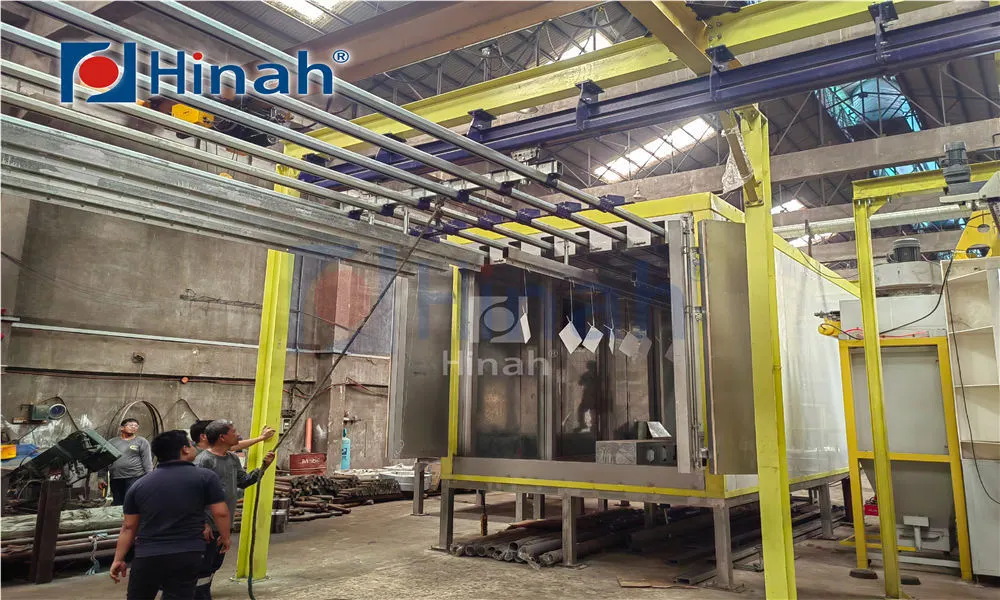
If you're researching a powder coating machine price, you’ve likely discovered a vast range. Quotes can vary from a few thousand to several hundred thousand dollars. This isn't random. The final cost is a direct reflection of your specific production needs, the technology required, and the quality you invest in.
Understanding the factors behind the numbers is crucial. It ensures you invest in equipment that boosts your efficiency, rather than a machine that becomes a costly bottleneck. This article breaks down the real components that shape a powder coating machine price, helping you make an informed decision.
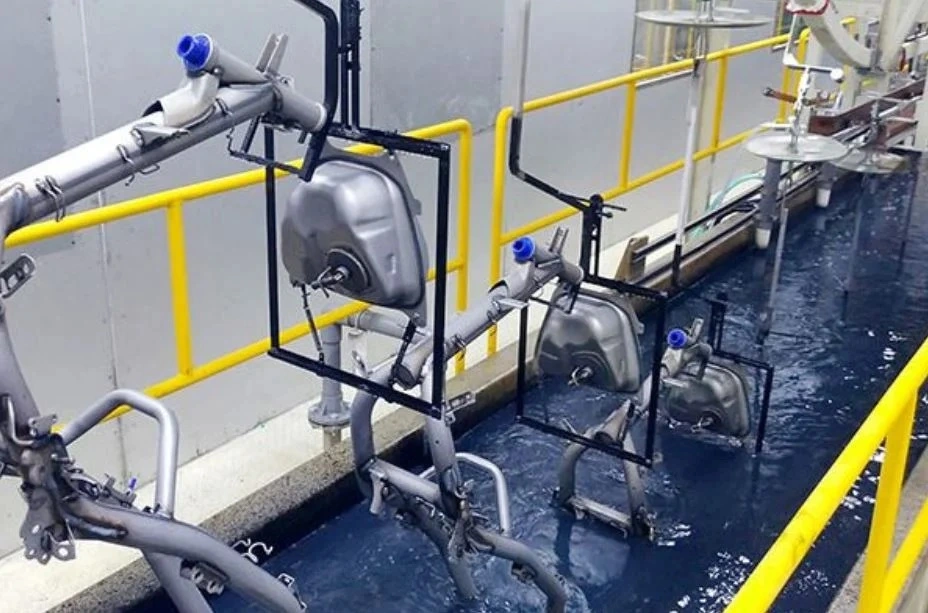
The cost is not just about the machine itself. It's a package built from several key engineering and operational decisions.
1. Technology and Process Type
The core spraying technology is the primary cost driver. Manual systems are the entry point. An automated powder coating machine price increases significantly with add-ons like reciprocators, multi-axis guns, and sophisticated control systems. Electrostatic corona guns are common, but tribo guns for specific applications may affect the price.
2. Line Configuration and Automation Level
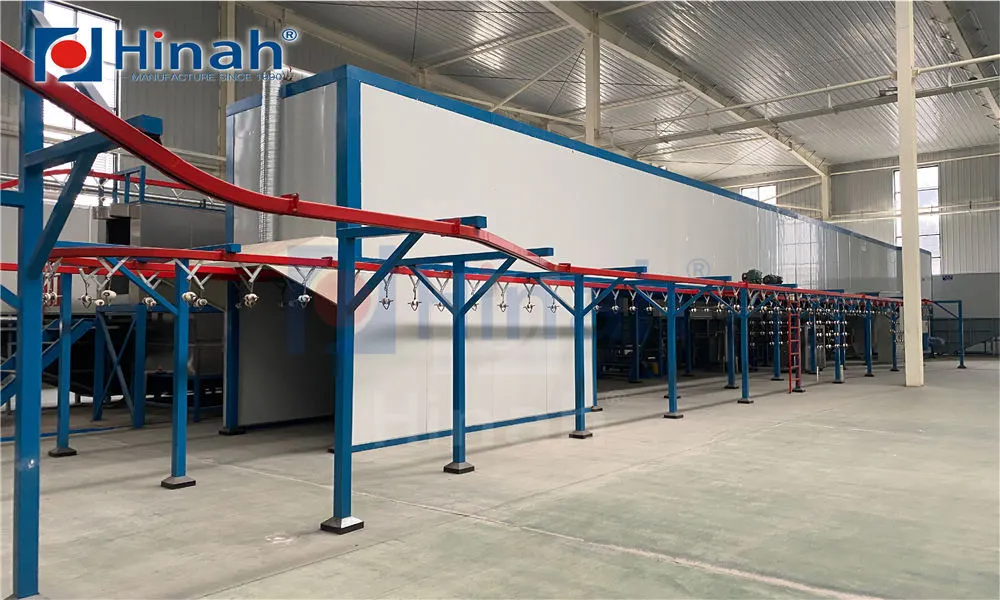
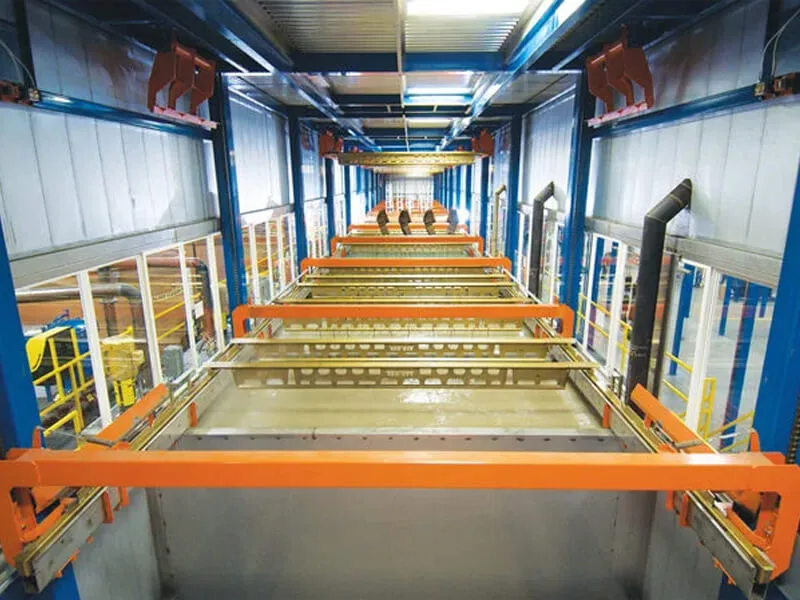
A simple standalone booth is one thing. A complete line with pre-treatment stages, curing oven, and conveyor system is another. The level of automation—from basic chain-on-edge to powered monorails—directly scales the powder coating machine price. Higher automation means higher initial cost but lower long-term labor expense.
3. Production Capacity and Size
Throughput dictates size. The dimensions of the booth, oven, and conveyor are custom-built for your largest parts and desired output speed. Larger internal volumes, heavier-duty construction, and more powerful recovery systems for high-volume work all contribute to a higher equipment price.
4. Powder Recovery System Efficiency
This is a critical subsystem. Simple manual booths may use a single filter. High-transfer-efficiency systems use advanced cyclone recovery with cartridge filters. A more efficient recovery system increases the initial powder coating machine price but delivers dramatic powder savings (often 95%+), paying for itself over time.
5. Control System and Software
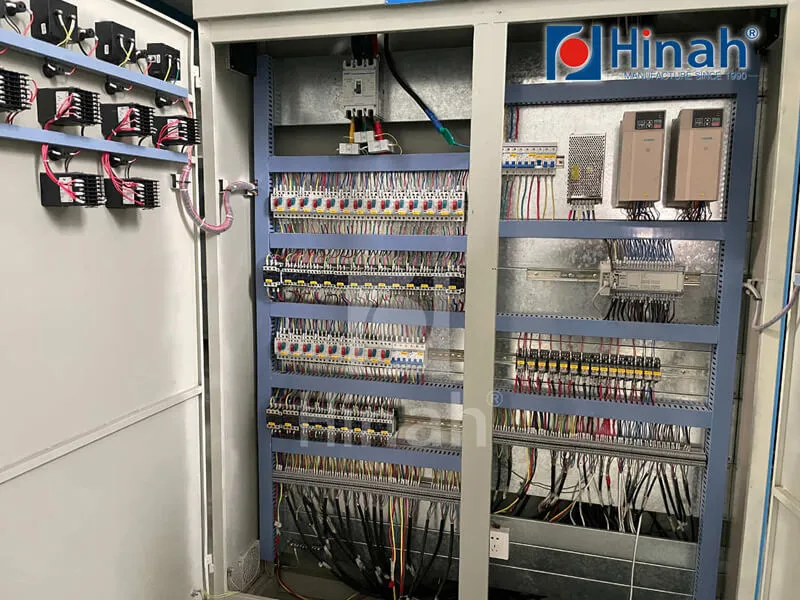
Basic panels offer simple controls. Modern PLC-based systems with touchscreen HMIs allow for recipe storage, diagnostics, and integration with plant networks. This sophistication enhances repeatability and reduces errors, adding to the initial investment.
6. Brand, Quality, and Compliance
Established brands like HANNA build machines with durable materials, proven components, and adhere to strict international safety (CE, UL) and environmental standards. This engineering rigor ensures uptime and longevity, which is reflected in the purchase price compared to uncertified alternatives.
At HANNA, we believe a powder coating machine price should translate into long-term productivity, not just an initial expense. Our systems are engineered for operational savings.
We focus on high-transfer-efficiency gun technology and ultra-efficient recovery systems. This minimizes powder waste, a major variable cost. Our robust construction and accessible design reduce maintenance time and costs. When evaluating a powder coating machine price, considering these total cost of ownership (TCO) factors is essential.
To give context, here’s a broad overview. Remember, these are estimates; final quotes are project-specific.
Focusing solely on the lowest powder coating machine price can be a costly mistake. The true goal is to find the system that offers the optimal balance of capability, efficiency, and reliability for your business. By understanding the factors that drive cost and prioritizing total value, you can make an investment that strengthens your quality and profitability for years to come.
Your research into powder coating machine price should end with a clear understanding of what you’re buying and why it’s worth the investment.
Q1: What is the most significant factor affecting a powder coating machine price?
A1: The level of automation and line configuration is typically the largest cost driver. A simple manual booth costs a fraction of a fully automated, conveyorized line with pre-treatment and curing ovens. Your required production volume and part complexity determine this need.
Q2: Can I get a reliable powder coating machine at a lower price by buying used?
A2: Yes, the secondary market can offer cost savings. However, it carries risks: unknown maintenance history, potential lack of modern efficiency features, outdated safety standards, and limited warranty. Always inspect used equipment thoroughly and factor in potential refurbishment costs.
Q3: Does a higher powder coating machine price always mean better quality?
A3: Generally, yes, but with nuance. A higher price from a reputable manufacturer like HANNA reflects better materials, engineering, compliance, and efficiency technology. However, comparing prices should always involve evaluating the specific components, build quality, and the supplier's support services behind the number.
Q4: Are there hidden costs beyond the quoted powder coating machine price?
A4: Absolutely. Key additional costs often include shipping and installation, utility connections (electrical, gas, compressed air), facility modifications (foundations, ventilation), operator training, and initial spare parts. A professional supplier will provide a clear outline of these ancillary expenses.
Q5: How does the powder recovery system impact the long-term cost?
A5: Dramatically. An efficient recovery system (like a high-end cyclone and filter setup) may increase the initial powder coating machine price but can reclaim over 95% of overspray powder. This drastically reduces material consumption, making the system pay for the price difference through powder savings in a relatively short time.