
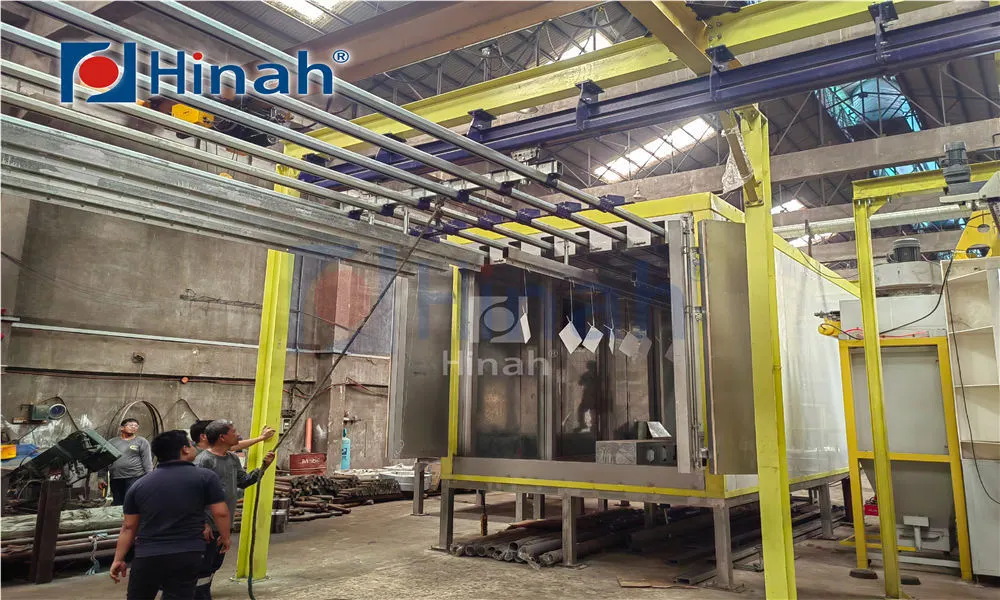
If you're in the market for a new powder coating system, the first question on your mind is undoubtedly about the powder coating machine price. The answer, however, is rarely a simple number. You might find a small starter kit for a few hundred dollars, while a fully automated, industrial-grade line can easily reach hundreds of thousands. Understanding what drives this massive cost range is crucial to making a smart investment that fits both your budget and your production needs. This guide breaks down the five primary factors that will determine the final number on your invoice.
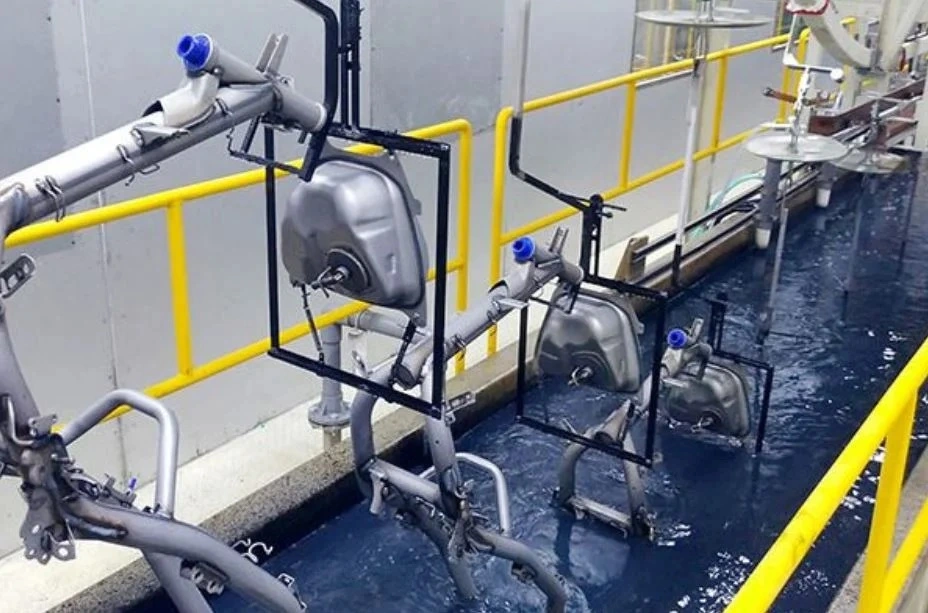
The core of your investment is the type of equipment you choose, which directly dictates the baseline powder coating machine price.
Manual Systems: Ideal for hobbyists, small workshops, or low-volume custom work. These typically include a spray gun, a small power unit, and a basic hopper. The powder coating machine price for a basic manual setup can start as low as $500 to $2,000. While affordable, they require significant operator skill for consistent results.
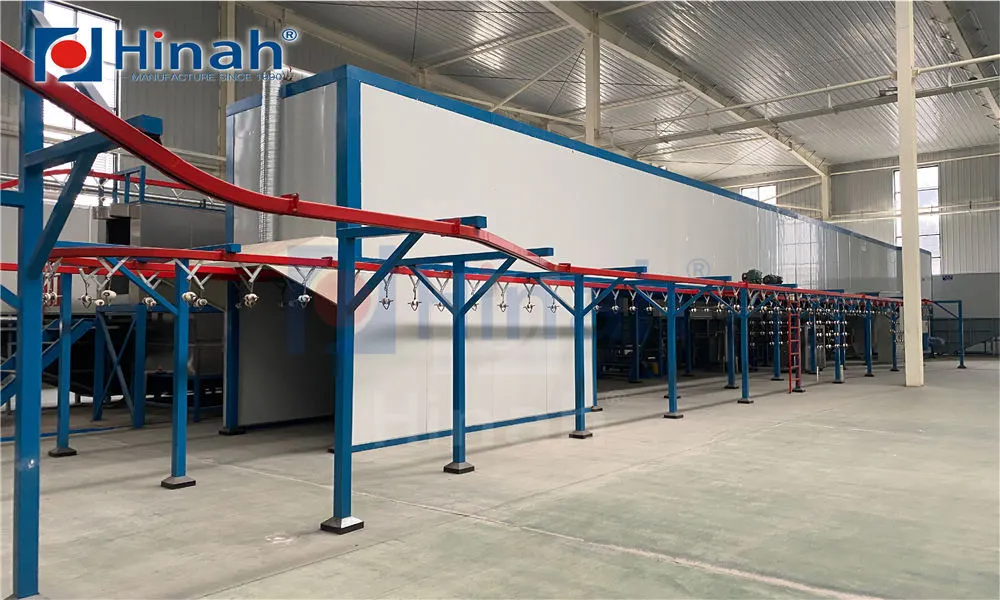
Automatic Systems: For medium to high-volume production, automated systems are the standard. These use fixed or reciprocating guns mounted on booths that spray parts on a conveyor system according to a programmed path. The addition of automation controllers, sophisticated gun movers, and integration with the conveyor significantly increases the powder coating machine price but delivers unmatched consistency and labor savings.
Powder Coating Booths: The booth is a non-negotiable component for reclaiming oversprayed powder. Its size, construction (e.g., mild steel vs. stainless steel), and recovery system (cartridge vs. cyclone) are major price drivers. A small, single-gun booth might cost a few thousand dollars, while a large, complex recovery booth can be $20,000 or more.
How much human intervention do you want in the process? The level of automation is a massive multiplier in the overall powder coating machine price.
Basic Manual Control: The operator manually triggers the gun and controls the powder flow. This is the lowest-cost option.
Semi-Automatic: Features like automatic gun triggering (when a part is detected) and timed spraying cycles are included. This improves efficiency and reduces powder waste.
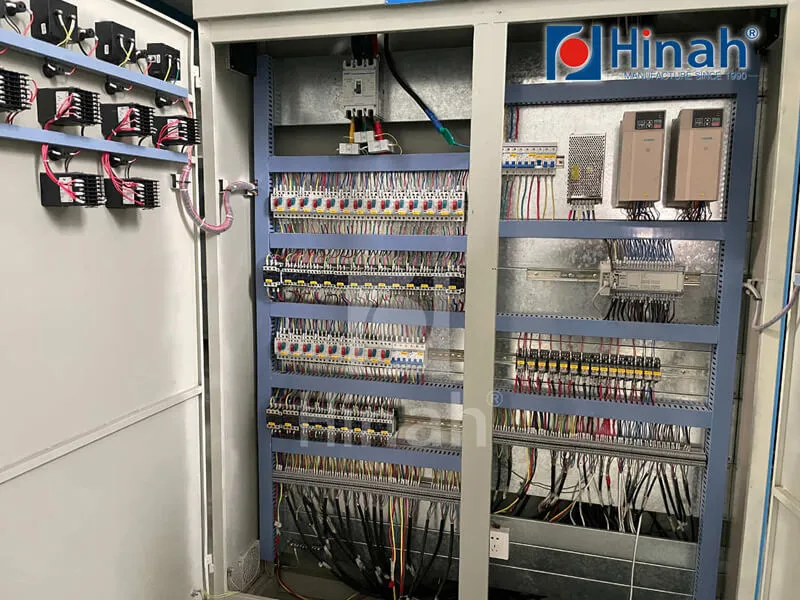
Fully Automatic: This is the pinnacle of efficiency. The system uses programmable logic controllers (PLCs) to manage every aspect: gun on/off, voltage, powder flow, and gun positioning. This ensures every part is coated identically. While it carries the highest initial powder coating machine price, it drastically reduces labor costs, material waste, and human error in a high-volume setting.
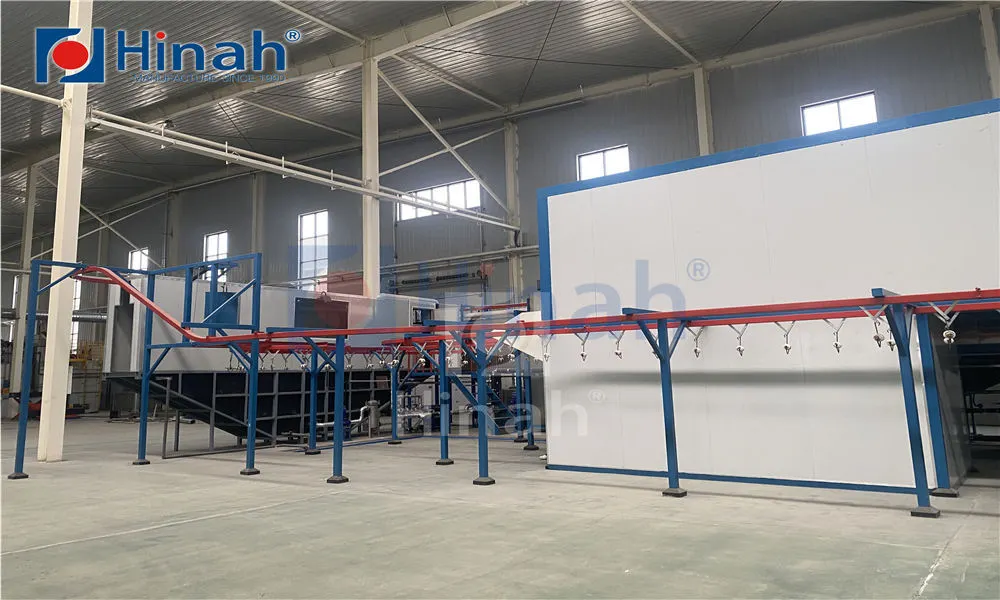
The scale of your operation is a direct cost driver. You must invest in a system that can handle your largest parts at your required throughput.
Booth and Oven Dimensions: The physical size of your powder coating booth and curing oven is a primary cost factor. Coating a small bicycle frame requires a much smaller (and cheaper) system than coating a 20-foot-long aluminum extrusion or a heavy-duty piece of construction equipment.
Throughput Speed: How many parts do you need to coat per hour? A higher throughput requires a wider booth, a longer conveyor system, a larger oven with higher BTU capacity, and potentially more spray guns. All these elements scale up the powder coating machine price accordingly. A system designed for 10 feet per minute will be less expensive than one built for 30 feet per minute.
A complete powder coating line is more than just a spray booth. The quality and type of pre-treatment and curing systems are integrated into the total system cost.
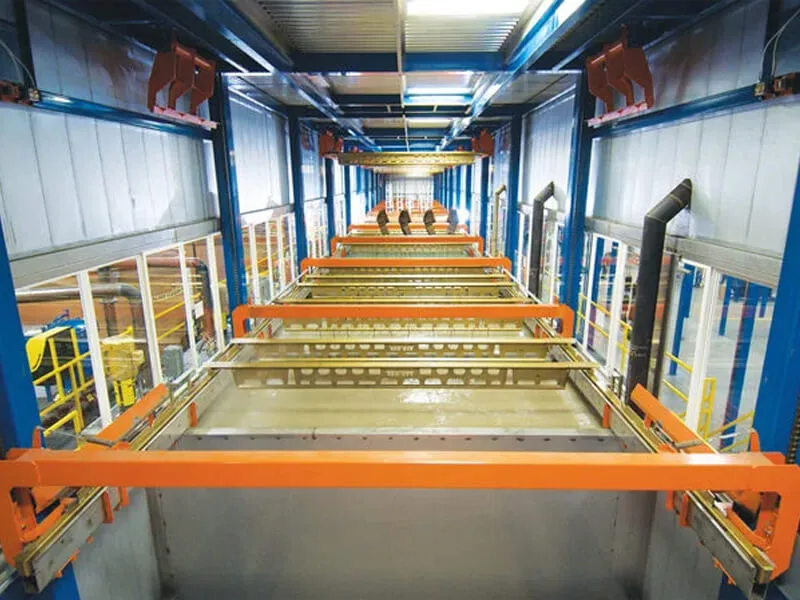
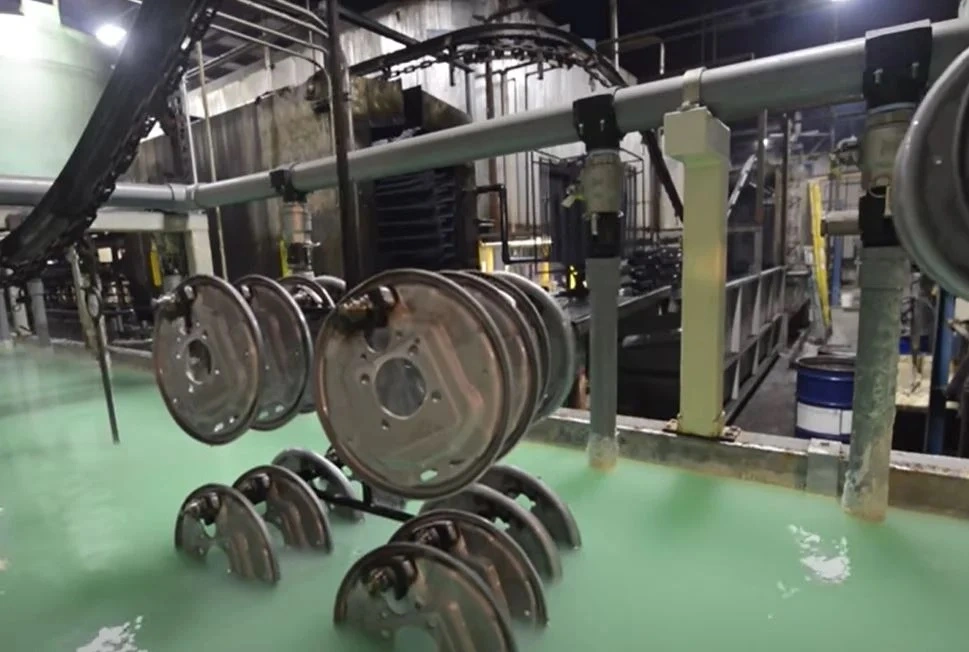
Pre-Treatment Systems: Properly cleaning and preparing the metal surface is critical for adhesion and corrosion resistance. A simple, 3-stage wash (clean, rinse, seal) system will be far less expensive than a sophisticated, heated 7-stage zinc phosphating system. The choice here depends on the end-use of your product but has a significant impact on the overall powder coating machine price for the entire line.
Curing Ovens: The type of oven—electric, gas, infrared (IR), or a combination—affects both the initial price and long-term operating costs. Gas convection ovens are common for their even curing but have higher installation costs. Infrared ovens can be faster and more energy-efficient for certain part geometries but may have a higher initial powder coating machine price component.
Finally, the intangible factors of quality and support play a role in the pricing structure.
Component Quality: A system built with commercial-grade pumps, high-efficiency motors, and durable stainless-steel components will outlast and outperform one built with lighter-duty parts. This superior quality is reflected in a higher initial powder coating machine price but results in lower downtime and longer service life.
Engineering and Support: Does the price include system design, installation supervision, and comprehensive operator training? What about the warranty and the availability of spare parts? A supplier with a strong reputation for technical support and readily available service will likely not be the cheapest option, but this investment in reliability can save immense costs and headaches down the line.
Focusing solely on the lowest powder coating machine price can be a costly mistake. A cheap, undersized, or poorly designed system will lead to production bottlenecks, inconsistent quality, high reject rates, and excessive powder waste—erasing any initial savings. The right approach is to view this purchase as a long-term investment. By carefully evaluating your part mix, desired throughput, quality requirements, and available space, you can select a system with a powder coating machine price that represents true value, delivering a fast return on investment through efficiency, quality, and reliability.
Q1: What is the typical price range for a basic, small-scale powder coating setup?
A1: For a small business or serious hobbyist, a basic manual setup including a spray gun, power pack, and a small open-style booth typically ranges from $1,500 to $5,000. This price usually does not include the curing oven or air preparation equipment, which are separate, necessary investments.
Q2: For a manufacturing facility, what is a more realistic budget for an automatic system?
A2: For an integrated automatic powder coating line with a conveyor, pre-treatment wash, automatic spray booth, and curing oven, you should be prepared for a significant investment. A complete system for medium-volume production can range from $80,000 to over $300,000. The final powder coating machine price is highly dependent on the level of automation, size, and specific technical requirements.
Q3: Besides the initial machine price, what are the ongoing operational costs?
A3: Key operational costs include powder coating material itself, compressed air (electricity), natural gas or electricity for the curing oven, replacement filters and wear parts for the booth, preventive maintenance, and labor. An efficient system minimizes powder waste and energy consumption, which are major long-term cost factors.
Q4: How does the cost of a powder coating system compare to a liquid paint system?
A4: While the initial powder coating machine price can be higher than a comparable liquid setup, powder coating often has a lower total cost of ownership. This is due to higher material utilization (up to 99% of overspray can be reclaimed), elimination of solvents and associated VOC abatement costs, faster cure times, and reduced labor due to automation.
Q5: Can I get a precise powder coating machine price without providing details?
A5: No, it is impossible. Reputable manufacturers cannot provide an accurate quote without understanding your specific needs. Be prepared to discuss your part dimensions and weights, production throughput (parts per hour), required film thickness, quality standards, available factory space, and utility capacities (air, gas, electricity).