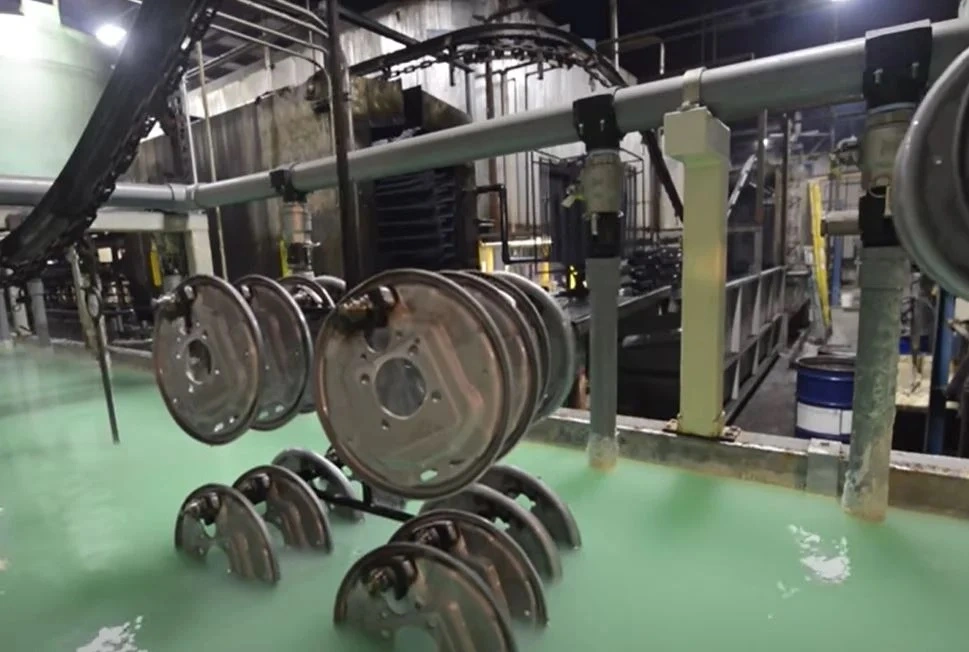

When a powder coating equipment sale opportunity arises, finishing professionals face a complex decision. It is not merely about comparing price tags; it is about matching system capabilities to production realities, future-proofing against market shifts, and ensuring every dollar spent translates into measurable throughput and quality gains. This article provides a technical framework for evaluating equipment, drawing on decades of field data to help you navigate the next powder coating equipment sale with confidence.
Before engaging with any vendor, quantify your current and projected production. Key parameters include maximum part dimensions (length, width, height), weight, substrate material, and required coating thickness (typically 60–120 µm for decorative finishes, up to 300 µm for functional coatings). Annual volume dictates line speed: a job shop running 500 parts/day requires different equipment than an automotive supplier processing 5,000 parts/day. Also consider color change frequency—high-mix operations benefit from quick-change booths and cyclone recovery systems. Documenting these metrics ensures that any powder coating equipment sale discussion is grounded in your actual needs.
Booth design affects containment and cleanliness. Look for:
Airflow velocity: 120–150 ft/min face velocity ensures overspray capture without disturbing the powder cloud.
Booth materials: Stainless steel or polypropylene for corrosion resistance, with smooth surfaces to ease color change cleaning.
Recovery type: Cyclone + cartridge filter systems achieve 95–98% recovery efficiency, with cyclone classifying powder for reuse (fines removal).
Corona guns (with high-voltage electrodes) are versatile for most powders but may struggle with Faraday cage areas. Tribo guns (charge by friction) excel on complex geometries and are preferred for certain chemistries (e.g., some epoxies). Modern controllers allow dynamic voltage adjustment and gun triggering based on part presence, improving transfer efficiency by 15–25% over manual systems.
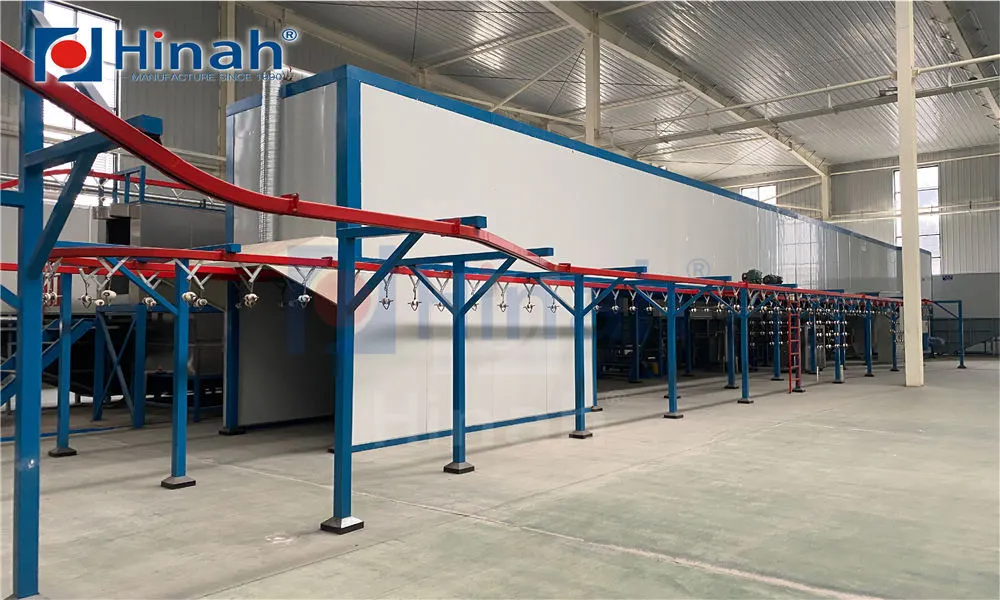
Convection ovens (gas-fired) dominate high-volume lines; infrared (IR) ovens cure faster for flat parts but may shadow complex shapes. Hybrid designs combine IR boosters with convection hold zones. Key specs:
Temperature uniformity: ±5°F (or better) across the oven profile to prevent under/over-cure.
Heat-up rate: Affects cycle time; typical dwell times 10–20 minutes at metal temperature.
Insulation R-value: Higher R reduces energy loss.
Overhead I-beam or Power & Free conveyors must match part weight and required indexing accuracy. Variable-frequency drives (VFDs) with encoder feedback ensure precise speed control (±1%), critical for consistent film build. Rotators or indexers can be integrated for multi-sided coverage.
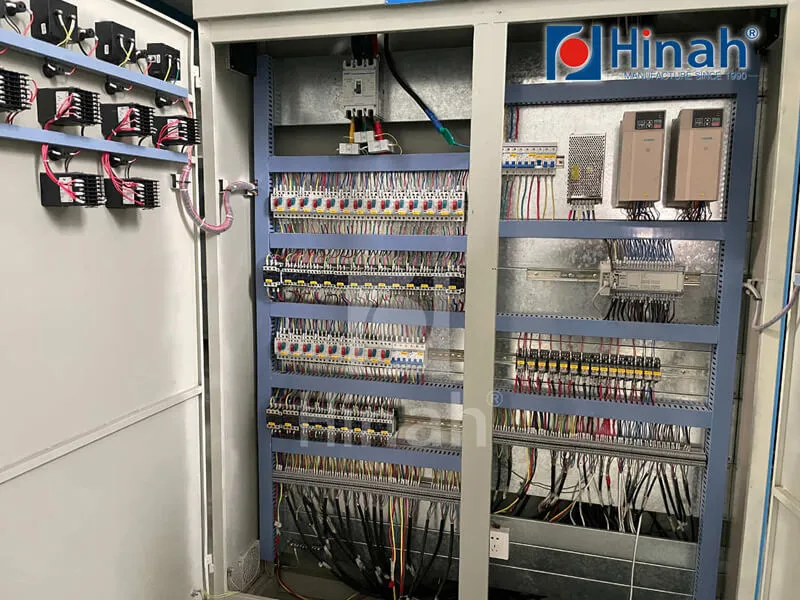
Modern equipment should include programmable logic controllers (PLCs) with touchscreen HMIs that store recipes for different parts. Advanced systems offer:
Conveyor tracking: Real-time synchronization of gun triggering with part position.
Data logging: Recording oven temperatures, gun parameters, and line speed for quality audits.
Remote monitoring: IIoT-ready interfaces allow diagnostics and performance benchmarking across multiple lines.
HANNA integrates these features into their turnkey lines, enabling predictive maintenance and OEE tracking.
A low initial price in a powder coating equipment sale can be deceptive. Calculate TCO over 10 years, including:
Energy consumption: Ovens and booths are major energy users. High-efficiency burners and variable-speed drives reduce gas/electricity bills by up to 30%.
Powder usage: Transfer efficiency differences (e.g., 50% vs. 80%) translate to hundreds of thousands of dollars in annual material savings.
Maintenance: Sealed bearings, durable chain, and easy-access filters lower labor costs.
Changeover time: Quick-color systems reduce downtime; a 10-minute saving per changeover with two changes/day adds 120+ hours of production annually.
Seasoned engineers recognize these traps:
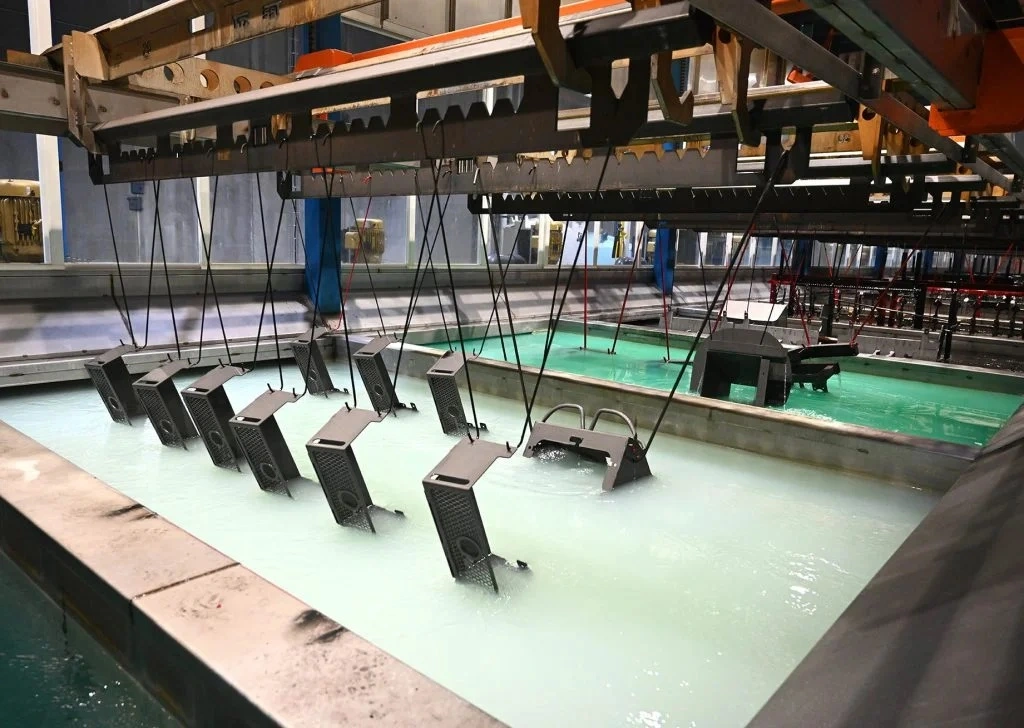
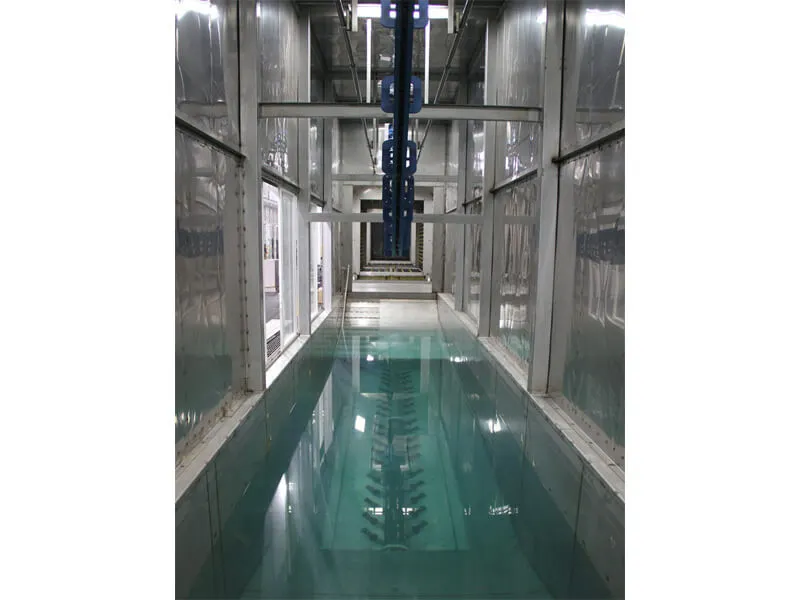
Under-specified pretreatment: Inadequate washer stages lead to adhesion failures. Aim for 5-stage (clean, rinse, phosphate, rinse, DI) for most industrial applications.
Ignoring air quality: Powder requires clean, dry compressed air (ISO 8573-1 Class 1.4.1). Inadequate drying causes nozzle clogging and film defects.
Overlooking floor space: Layout must accommodate future expansion and safe access for maintenance.
Choosing based on brochure specs: Always request references and, if possible, visit a live installation.
The powder coating equipment sale market includes both new and pre-owned systems. New equipment offers the latest technology, warranties, and compliance with current safety standards (e.g., NFPA 33 for explosion venting). Used equipment can be budget-friendly but requires careful inspection:
Check chain wear in conveyors (pitch elongation >3% indicates replacement needed).
Verify oven burner condition and insulation integrity.
Test all electrical controls and safety interlocks.
Obtain maintenance records if available.
Retrofitting used equipment with modern controls or recovery systems may be cost-effective if the core structure is sound.
Navigating a powder coating equipment sale is easier when you partner with an integrator that understands both the hardware and the process. HANNA provides comprehensive engineering support—from layout simulation and thermal modelling to installation and operator training. Their systems are designed for longevity, with heavy-duty construction and readily available spare parts. Whether you need a compact lab line or a high-volume automated system, HANNA’s team ensures your investment meets performance targets.
Q1: What is the typical payback period for automated powder coating equipment?
A1: For most mid-volume operations, payback ranges from 18 to 36 months. Savings come from labor reduction (typically 60% fewer operators), powder savings (higher transfer efficiency), and lower reject rates. A detailed TCO analysis is recommended before any purchase.
Q2: How do I determine the correct line speed for my parts?
A2: Line speed is dictated by the slowest process stage—often the curing oven. Calculate required dwell time at temperature and oven length; for example, if cure requires 15 minutes at temperature and oven is 30 feet long, line speed = 2 ft/min. Adjust for part mass and heat-up characteristics.
Q3: What are the most common coating defects linked to equipment, and how can they be prevented?
A3: Common equipment-related defects include:
Dirt inclusions: Poor booth filtration or conveyor debris. Use HEPA final filters and enclosed track conveyors.
Orange peel: Incorrect gun settings or powder formulation. Calibrate voltage and airflow per powder supplier specs.
Light coverage in recesses: Faraday cage effect. Use tribo guns or adjust gun angles; robotic programming can optimize paths.
Regular maintenance and validation are essential.
Q4: Can I retrofit my existing line with energy-efficient components?
A4: Yes. Upgrades include high-efficiency burners, variable-speed drives on fans, improved insulation, and regenerative drives on conveyors. HANNA offers energy audits and retrofit packages that often achieve 20–30% energy savings with payback under two years.
Q5: How important is powder recovery efficiency in equipment selection?
A5: Extremely. Recovery efficiency directly impacts material cost. A system with 95% recovery vs. 80% can save thousands of dollars annually, especially with expensive powders (e.g., anti-microbial or specialty finishes). Cyclone-based recovery also reduces waste disposal costs.
Q6: What maintenance schedule is recommended for powder coating equipment?
A6: Daily: inspect gun tips, clean booth filters, check fluidized beds. Weekly: lubricate conveyor chain, check oven seals, verify safety interlocks. Monthly: calibrate temperature sensors, inspect powder feed hoses. Quarterly: deep clean recovery system, check electrical connections. Predictive maintenance using vibration and current monitoring can prevent unexpected failures.
Making an informed decision in a powder coating equipment sale requires balancing technical specifications, production realities, and long-term costs. By focusing on these seven critical factors and partnering with experienced integrators like HANNA, you can secure a system that delivers consistent quality, high efficiency, and rapid return on investment.