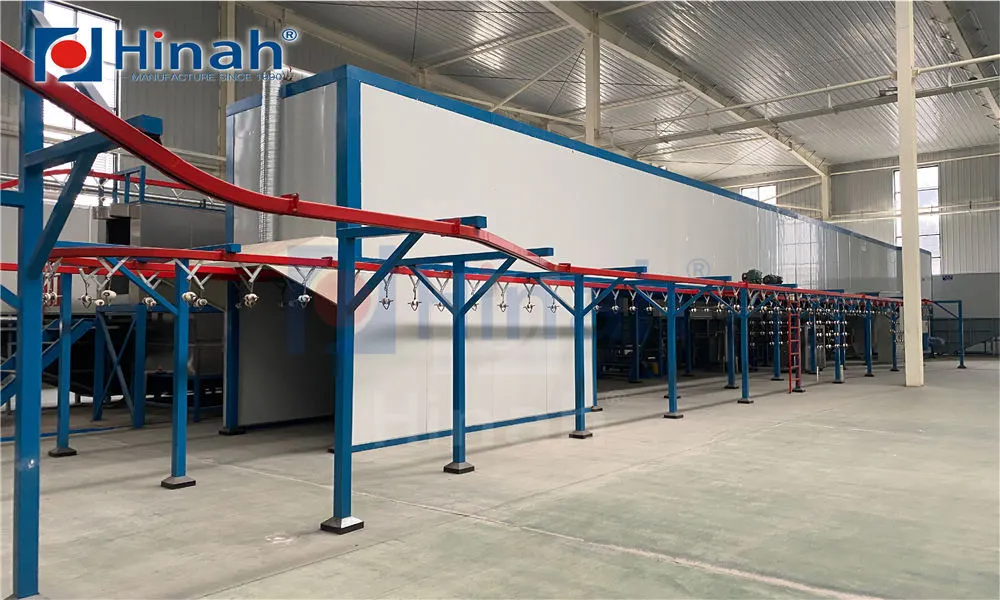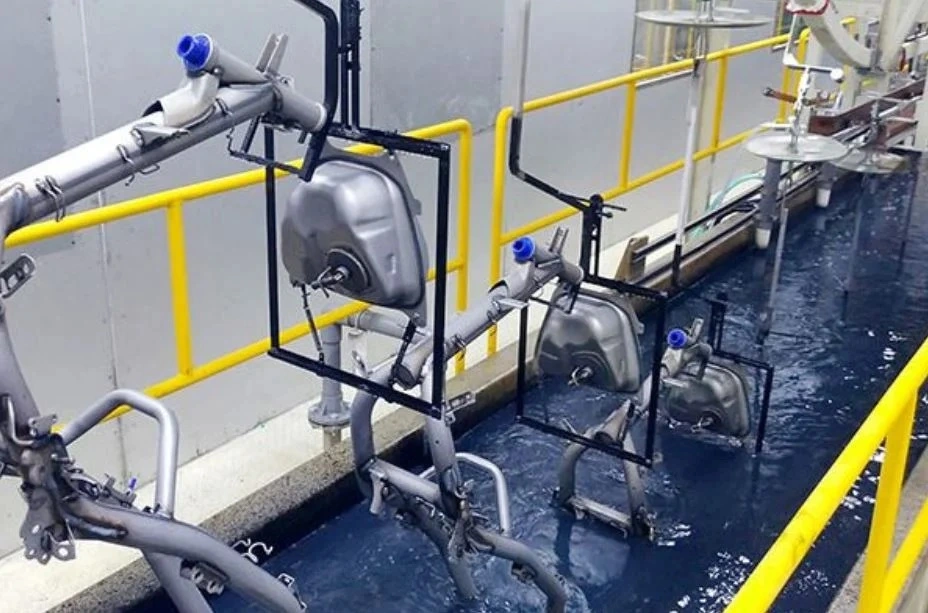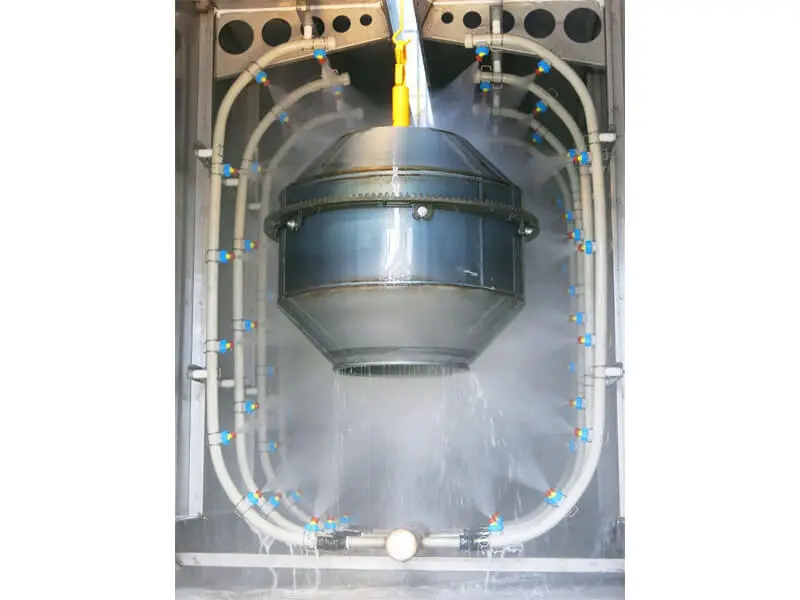
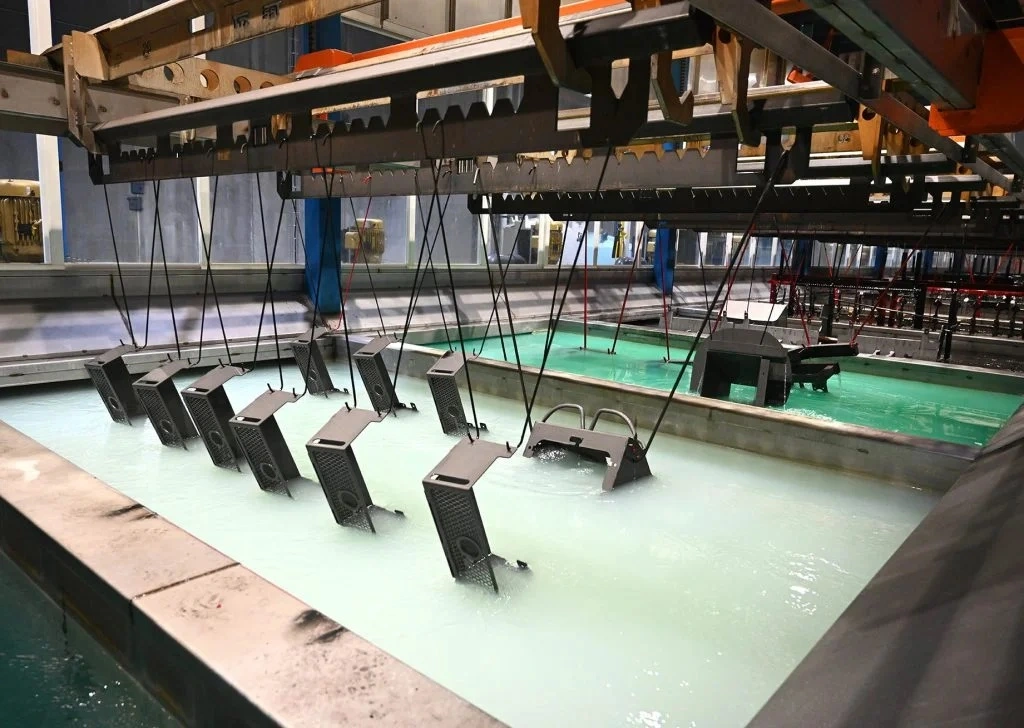
The powder coating spray booth is the central component of any finishing line, directly influencing transfer efficiency, material utilization, and operator safety. Whether you are applying decorative finishes on architectural aluminum or functional coatings on automotive components, the booth's design dictates containment, recovery, and changeover speed. Modern engineering has transformed these enclosures from simple containment structures into intelligent systems that maximize productivity while meeting stringent environmental and safety standards. HANNA integrates these principles into every system, ensuring reliable, high-quality output for job shops and high-volume manufacturers alike.
Selecting a powder coating spray booth requires a deep understanding of the two dominant recovery technologies: cartridge filtration and cyclone separation. Each offers distinct advantages depending on your production mix and material costs.
Cartridge booths utilize pleated cellulose or polyester filter elements to capture overspray. Air is drawn through the filters, depositing powder on the outer surface, while clean air is recirculated or exhausted. Key performance indicators include:
Filtration Efficiency: Modern cartridge media achieves 99.9% efficiency at 0.5 microns, meeting or exceeding OSHA air quality standards for recirculation.
Pulse-Jet Cleaning: Automatic reverse-pulse cleaning dislodges collected powder into a hopper or drum, maintaining consistent airflow (typically 100–120 fpm face velocity) and extending filter life.
Ideal Applications: Job shops with frequent color changes benefit from cartridge booths when paired with dedicated recovery modules, though cleaning between colors is more labor-intensive than cyclone systems.
Cyclone booths employ a centrifugal separator to reclaim a high percentage of uncontaminated powder before it reaches the final filter. The design forces powder-laden air into a spiral path; heavier particles fall into a collection canister, while fines proceed to a secondary cartridge filter.
Recovery Rate: Cyclones typically reclaim 95–98% of usable powder, making them cost-effective for expensive materials or high-volume operations.
Color Change Efficiency: Smooth interior walls and minimal horizontal surfaces allow for rapid wash-down. Changeover times of 10–15 minutes are achievable, drastically reducing downtime.
Space Considerations: Cyclone systems require more vertical clearance and external ducting but offer the lowest operating cost per pound of reclaimed powder.
Regardless of recovery type, airflow must be precisely engineered to contain overspray and protect operators. NFPA 33 mandates a minimum capture velocity of 100 feet per minute across all booth openings. Advanced booths incorporate:
Balanced Airflow Design: Perforated diffusers and tuned plenums ensure uniform air movement, preventing dead zones where powder can escape.
Variable Frequency Drives (VFDs): Automatically adjust fan speed based on filter loading or part presence, saving energy while maintaining containment.
Investing in a powder coating spray booth should solve specific operational challenges. Below are common pain points and how contemporary designs address them.
For contract coaters, every minute spent cleaning is lost revenue. Traditional booths can require hours to switch colors. Modern solutions from HANNA feature:
Self-Cleaning Slide Seals: Isolate the recovery plenum during wash-down, preventing cross-contamination.
Smooth Radius Corners: Eliminate ledges where powder accumulates, reducing manual scraping.
Quick-Disconnect Feed Systems: Allow operators to swap powder hoses and guns in seconds.
These enhancements can cut color change time by 70%, directly increasing productive spray hours.
Wasted powder erodes profitability. Data indicates that cyclone-equipped booths reduce virgin powder consumption by 30–40% compared to non-reclaim systems. To maximize recovery:
Optimized Cyclone Geometry: Tapered bodies and correctly sized inlets ensure maximum particle separation.
Integrated Sieving: Reclaimed powder passes through a vibratory sieve to remove agglomerates and contamination before reuse.
Powder coating involves combustible dust risks. A compliant powder coating spray booth must incorporate:
Explosion Venting: Panels or ducts that relieve pressure in the event of a deflagration, directing it to a safe outdoor area.
Grounding and Bonding: Continuous conductive paths prevent static spark discharge, a common ignition source.
Interlock Systems: Ensure the spray gun cannot operate unless the exhaust fan is running and the filters are properly seated.
Choosing between cartridge and cyclone depends on quantifiable factors. Consider these metrics when evaluating powder coating spray booth options.
For operations running 5+ color changes per shift, cyclone booths offer the lowest overall cost despite higher initial investment. Calculate:
Material Savings: If powder cost exceeds $4/lb and monthly usage is 2,000 lbs, a 95% cyclone recovery saves $76,000 annually compared to 50% non-reclaim efficiency.
Labor Reduction: Faster changeovers save 8–10 hours weekly, which can be redirected to billable spraying.
Automotive suppliers or appliance coaters running the same color for weeks may prefer cartridge booths due to lower capital cost and compact footprint. Key considerations:
Filter Life: High-quality cartridges last 1–2 years with proper pulse cleaning, minimizing replacement expense.
Energy Consumption: Recirculating conditioned air reduces HVAC load compared to 100% exhausted systems.
HANNA provides tailored booth solutions that integrate seamlessly with upstream pretreatment and downstream curing. Whether you require a walk-in batch booth for large parts or a fully automated line with reciprocators, HANNA engineers systems with:
Modular Construction: Bolt-together panels allow future expansion or relocation.
IoT-Ready Controls: Monitor pressure differentials, filter status, and airflow remotely via PLC and HMI.
Third-Party Certifications: All booths are designed to meet NFPA, OSHA, and local codes, simplifying insurance and inspection.
Q1: What is the difference between a cartridge and a cyclone powder coating spray booth?
A1: A cartridge booth uses replaceable filter elements to capture overspray and is best for operations with limited space and fewer color changes. A cyclone booth uses centrifugal force to separate and reclaim a high percentage of powder before it reaches the filters, enabling faster color changes and higher material savings, especially for expensive powders.
Q2: How do I determine the correct size of a powder coating spray booth for my parts?
A2: Booth dimensions should provide at least 3 feet of clearance around the largest part to allow proper spray pattern development and airflow containment. For manual booths, typical widths range from 6 to 12 feet; for automatic lines, width is determined by the gun array. Always consult airflow calculations to ensure face velocity meets NFPA 33 requirements (100 fpm minimum).
Q3: What are the NFPA 33 requirements for powder coating booths?
A3: NFPA 33 mandates: (1) minimum 100 fpm capture velocity at all openings; (2) non-combustible booth construction; (3) explosion relief venting unless the booth volume is below 8 ft³ and other conditions are met; (4) electrical equipment within 10 feet must be Class II, Division 1 or 2 rated; (5) grounding of all conductive components. HANNA booths are engineered to exceed these standards.
Q4: Can a powder coating spray booth handle multiple colors efficiently?
A4: Yes, if designed for rapid changeover. Cyclone booths with smooth interior surfaces, self-cleaning seals, and dedicated purge stations enable color changes in under 15 minutes. Cartridge booths require more effort unless equipped with multiple removable cartridge modules or a two-booth configuration.
Q5: What maintenance is required to keep a powder coating spray booth in optimal condition?
A5: Daily: Inspect filters for pressure drop (replace when differential exceeds manufacturer spec), clean booth floor and walls to prevent buildup, and verify grounding continuity. Weekly: Check seals and gaskets, empty recovery drums, and test safety interlocks. Quarterly: Deep-clean the recovery system, inspect fan bearings, and calibrate airflow monitors.
Q6: How does HANNA ensure booth quality and performance?
A6: HANNA conducts factory acceptance tests (FAT) including airflow profiling, filter efficiency verification, and safety interlock validation. On-site commissioning includes thermal imaging and velocity measurements to guarantee the booth meets its design specifications. All systems come with complete documentation for OSHA and insurance compliance.