A powder coating spray booth is far more than just a enclosed space where you apply powder. It is the very heart of a successful, efficient, and high-quality powder coating operation. Whether you're a seasoned professional looking to optimize your line or a newcomer researching your first setup, understanding the intricacies of the powder coating spray booth is non-negotiable. This article dives deep into seven critical aspects that directly impact your finish quality, operational safety, and bottom line.
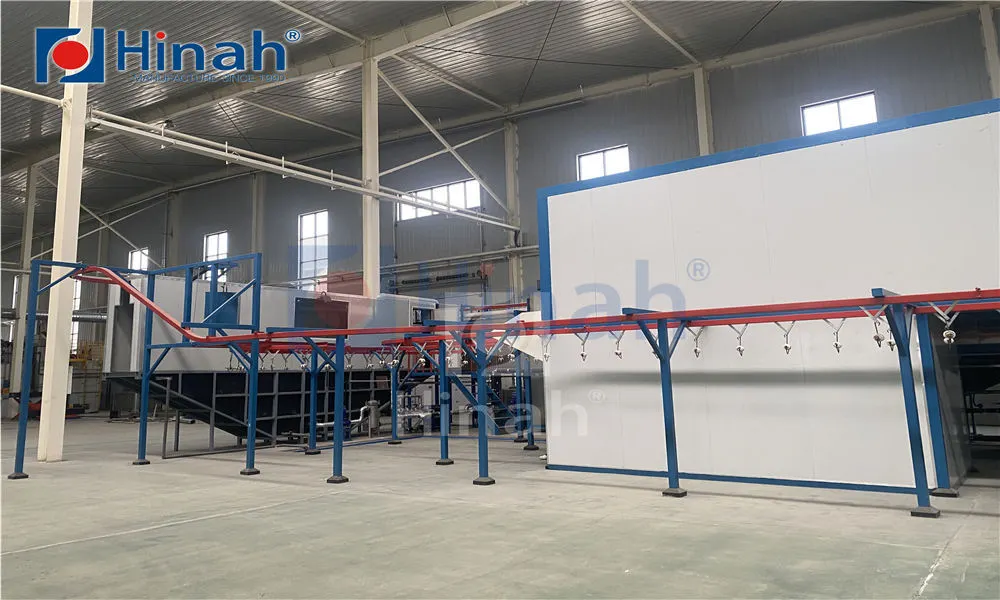
At its simplest, a powder coating spray booth is a controlled environment designed to contain the powder overspray during the application process. Unlike liquid paint booths that need to manage solvent vapors, the primary function here is to ensure that airborne powder particles are effectively captured and contained. This serves multiple crucial purposes:
Containment: It prevents powder from escaping into the wider shop environment, which is a critical safety and housekeeping concern.
Efficiency: A well-designed booth incorporates a recovery system that allows for the collection and, in many cases, the reuse of oversprayed powder. This can dramatically increase material utilization rates, often exceeding 95%.
Quality: By providing a clean, well-lit, and enclosed space, it minimizes the risk of contaminants like dust or debris from settling on the freshly applied powder, leading to a superior finish.
Operator Safety: It protects the applicator from inhaling fine powder particles by ensuring proper airflow away from the breathing zone.
The design and components of the booth work in harmony to achieve these goals, making it a sophisticated piece of industrial equipment.
A typical powder coating spray booth is a system of integrated components, each playing a vital role. Understanding these parts is key to troubleshooting and maximizing performance.
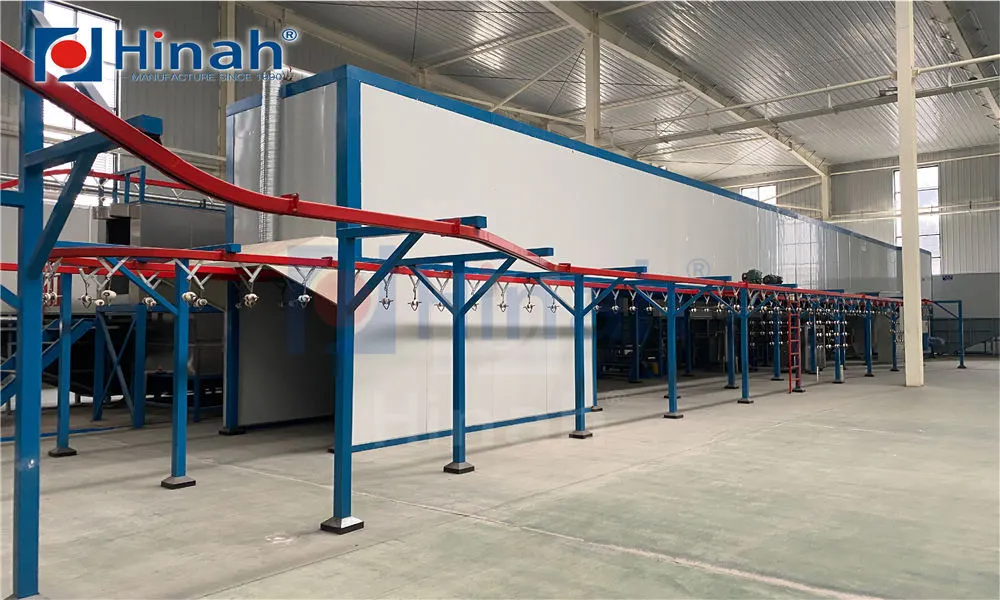
Booth Structure: The physical enclosure, typically made from coated steel, stainless steel, or durable plastics. It features large viewing windows for operator visibility and access doors for parts loading and unloading.
Air Ventilation System: This is the "lungs" of the operation. It consists of an exhaust fan that creates a consistent, negative-pressure airflow through the booth. This inward airflow is essential for pulling overspray away from the operator and the part.
Powder Collection System (Filters/Cartridges): As air is pulled through the booth, it carries oversprayed powder. This air-powder mixture passes through a series of cartridge filters or cyclone separators. These filters are designed to capture the fine powder particles while allowing clean air to pass through.
Recovery System (for Reclaim Booths): In a reclaim-style powder coating spray booth, the powder collected on the filters is periodically dislodged (often by a reverse-pulse of air) and falls into a collection hopper below. From there, it can be sieved and mixed with virgin powder for reuse.
Exhaust System: The cleaned air is then exhausted from the booth, either back into the facility (if local regulations permit) or to the outside atmosphere.
Not all coating jobs are the same, and neither are the booths. The two primary designs cater to different production needs and color change frequencies.
Reclaim (Recovery) Booths: This is the most common type for high-volume production or situations where a limited number of colors are used. Its main advantage is powder recycling, which leads to significant material cost savings. The downside is that color changes can be time-consuming, as the entire system must be meticulously cleaned to prevent cross-contamination.
Non-Reclaim (Single-Pass) Booths: Ideal for job shops, custom coaters, or operations with frequent color changes. In this design, the overspray is captured on disposable or cleanable filters, but it is not typically recycled. The focus is on quick cleanup and changeover. While material usage is less efficient, the flexibility for rapid color switching is the key benefit.
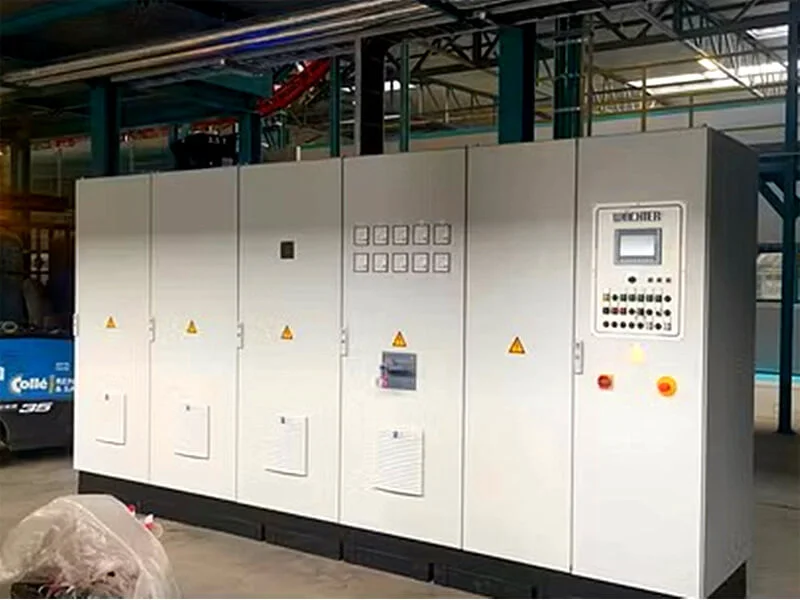
The performance of your powder coating spray booth hinges almost entirely on one factor: airflow. Proper airflow, measured in feet per minute (fpm) across the booth opening, is what ensures powder is pulled into the collection system and not out into your shop.
Insufficient Airflow: Leads to powder "rolling" out of the booth, creating a messy work environment, posing a health risk, and wasting material. It can also cause the powder to fall out of the air prematurely, resulting in an uneven application on the part itself.
Excessive Airflow: Can create turbulence, disturbing the delicate, electrostatically attached powder on the part and leading to defects like orange peel or poor wrap.
Routine maintenance is non-negotiable. Daily, weekly, and monthly tasks include:
Cleaning the booth walls and floors.
Inspecting and replacing cartridge filters when the pressure drop indicates they are loaded.
Checking and cleaning the reclaim sieve.
Ensuring all electrical components, including the grounding system, are functioning correctly.
A powder coating spray booth deals with fine, combustible particles, making safety the top priority.
Explosion Hazard: Any concentration of fine powder in the air can be explosive. The booth is designed with features to mitigate this risk, including:
Grounding: The booth, part, and operator must be properly grounded to prevent a static spark, which could ignite a cloud of powder.
Explosion Venting: Panels designed to fail in a controlled manner, directing the force of an explosion away from personnel.
Fire Suppression Systems: Some booths are integrated with automatic suppression systems.
Health and Ventilation: While powder is safer than many solvent-based paints, inhalation should be avoided. Proper booth airflow protects the operator. Furthermore, compliance with local OSHA (Occupational Safety and Health Administration) and EPA (Environmental Protection Agency) regulations regarding air quality and waste disposal is mandatory.
Choosing a powder coating spray booth is a significant investment. The right choice depends on several factors:
Part Size and Volume: What are the dimensions of your largest parts? How many parts do you coat per hour or day?
Color Change Frequency: Do you run one color for weeks, or do you need to switch colors multiple times per day? This is the single biggest factor in deciding between a reclaim and non-reclaim system.
Available Space: The booth's footprint, plus space for maintenance access, must be considered.
Budget: This includes not only the initial purchase price but also the long-term costs of maintenance, filter replacement, and powder utilization efficiency.
Once your powder coating spray booth is installed, continuous optimization is key.
Lighting: Excellent, shadow-free lighting is crucial for the operator to see the application clearly and ensure complete coverage.
Gun Positioning: Train operators on the optimal distance and angle for the spray gun to maximize transfer efficiency and minimize overspray.
Grounding Checks: Implement a daily routine to verify that the racking and parts are properly grounded. A poor ground is a primary cause of application issues like back-ionization (the "starring" effect).
Powder Management: For reclaim systems, maintain a consistent ratio of virgin to reclaimed powder and sieve it regularly to prevent clogs and contamination.
Q1: How often should I replace the filter cartridges in my powder coating spray booth?
A1: There's no fixed timeline; it depends on your production volume and powder usage. The best indicator is the pressure drop gauge on your booth. When the pressure drop reaches the manufacturer's recommended limit (often indicated by a red zone on the gauge), it's time to clean or replace the cartridges. Neglecting this will severely reduce airflow and booth performance.
Q2: Can I install a powder coating spray booth myself?
A2: While smaller, pre-assembled booths might be manageable, it is highly recommended to have a professional handle the installation. This ensures proper electrical wiring, correct exhaust fan setup, and compliance with all local building and safety codes, which is critical for both performance and insurance purposes.
Q3: Why is my powder "blowing" off the part inside the booth?
A3: This is almost always a grounding issue. If the part is not properly grounded, the electrostatic charge from the spray gun cannot adhere the powder effectively. Check all electrical connections, ensure your ground clamps are making solid contact with clean metal on the rack, and that the rack itself is not overly coated with cured powder, which acts as an insulator.
Q4: What is the main difference between a powder coating spray booth and a liquid paint booth?
A4: The fundamental difference is in what they capture. A liquid paint booth is designed to handle solvent vapors and wet overspray, typically using a water wash system or paper filters. A powder coating spray booth is designed to capture dry, solid powder particles, using cartridge filters and a recovery system, and does not need to manage volatile organic compounds (VOCs).
Q5: Is the powder collected in a reclaim booth as good as new powder?
A5: Reclaimed powder is functionally excellent but may have slight differences. It can pick up a small amount of moisture and may contain a few "fines" (extremely small particles) from the recycling process. For this reason, it is standard practice to mix reclaimed powder with a percentage of virgin powder (e.g., 50/50) to maintain optimal application and finish quality. Always sieve reclaimed powder before reusing it.