

In powder coating, applying the powder is only half the process. The final quality, durability, and appearance of the finish are determined in the next critical stage: curing. This is where an industrial powder coating oven becomes indispensable.
These ovens provide the controlled heat necessary to transform a layer of dry powder into a tough, continuous film. Selecting the right oven is a major decision that impacts productivity, energy use, and finish consistency.
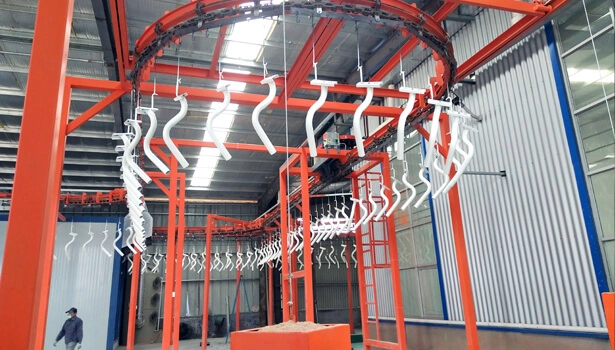
The Role of an Industrial Powder Coating Oven
The primary function of a curing oven is to apply precise, uniform heat to coated parts. This heat triggers a chemical reaction in the powder known as cross-linking.
Without proper curing, the powder coating will not achieve its intended protective or aesthetic properties. A well-designed industrial powder coating oven ensures every part meets specification.
The Curing Process Explained
Curing happens in three key stages as the part heats up:
Melt: The powder particles begin to melt and flow together.
Flow: The melted powder forms a smooth, continuous liquid film over the substrate.
Gel: Chemical cross-linking occurs, creating a hard, durable, and inert plastic coating.
Time and temperature are the two most critical variables in this process.
Main Types of Industrial Powder Coating Ovens
Ovens are categorized by their heat source and method of heat transfer. The choice depends on production needs, part geometry, and energy considerations.
Convection Ovens
Convection ovens are the most common type. Heated air is circulated around the parts using fans.
Advantages: Excellent temperature uniformity; suitable for complex shapes and batch processing; reliable.
Considerations: Generally longer heat-up and cure times compared to some alternatives.
They are a versatile choice for many applications and are a core product for manufacturers like HANNA.
Infrared (IR) Ovens
IR ovens use electromagnetic radiation to directly heat the part and the powder coating.
Advantages: Very fast heating and cure times; high energy efficiency for flat or simple parts.
Considerations: Heat shadowing can occur on complex parts; line-of-sight heating.
Combination Oven Systems
Many modern lines use a hybrid approach to leverage the benefits of different technologies.
A common setup uses IR for rapid heat-up to melt the powder, followed by a convection zone for even, controlled curing. This optimizes speed and quality.
Key Design and Performance Features
Beyond the heat source, several engineering aspects define the performance of an industrial powder coating oven.
Temperature Uniformity
This is the single most important performance metric. A quality oven must maintain temperature within a tight range (e.g., ±5°C to ±10°C) throughout the entire workspace.
Uniformity is achieved through strategic airflow design, proper insulation, and accurate sensor placement.
Airflow and Circulation
Effective airflow is the engine of a convection oven. It ensures even heat distribution and carries away volatiles.
Powerful, correctly sized fans.
Well-designed ductwork and plenums.
Adjustable air intake and exhaust dampers.
Insulation and Construction
Robust construction minimizes heat loss and ensures safety.
Heavy-gauge steel exterior frames.
High-density mineral wool or ceramic fiber insulation in walls, ceiling, and doors.
Durable interior linings (e.g., aluminized steel) that resist corrosion and are easy to clean.
Selecting the Right Oven for Your Operation
Choosing an oven requires a careful analysis of your specific production needs. Here are the main factors to consider.
Production Volume and Line Speed
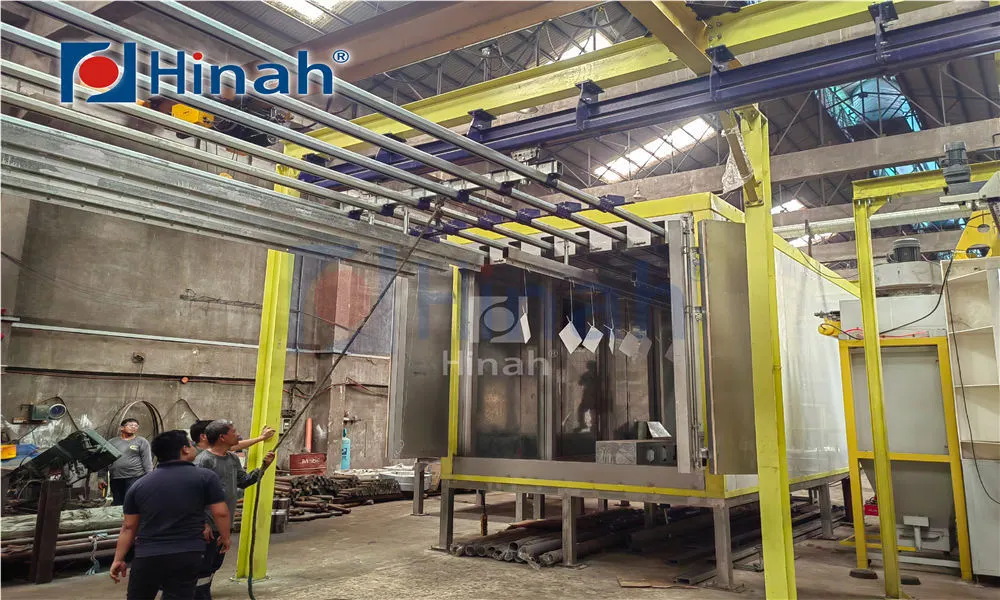
Is your operation batch-based or continuous? The required throughput (parts per hour) directly determines oven size and heating capacity.
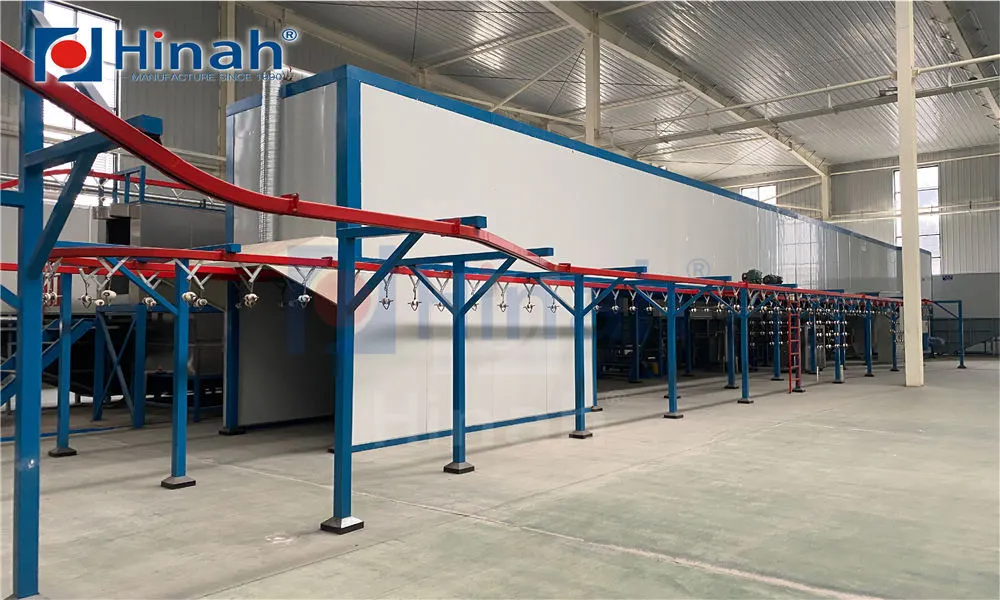
A high-volume line needs a large, continuous industrial powder coating oven on a conveyor system. A job shop may opt for a smaller batch oven.
Part Characteristics
The size, shape, material, and mass of your parts are critical.
Mass: Heavy, thick metal parts require more energy (BTUs) to heat up than thin-gauge sheet metal.
Geometry: Complex parts with many recesses are better suited for convection ovens.
Material: Different substrates (steel, aluminum, MDF) have different thermal properties.
Powder Specifications
Always follow the powder manufacturer's recommended cure schedule. This includes the required Metal Temperature (PMT) and the time at that temperature.
Your oven must be capable of reliably and consistently meeting these parameters for your specific part mix.
Energy Efficiency and Operating Costs
The curing oven is often the largest energy consumer in a coating line. Intelligent design can significantly reduce operating expenses.
Heat Source Efficiency
Natural gas convection ovens often have lower operating costs than electric in areas with cheap gas. Electric IR can be very efficient for the right application.
Direct-fired gas systems offer high thermal efficiency but require careful combustion air management.
Heat Recovery and Retention
Modern ovens incorporate features to save energy:
High-R-value insulation to reduce wall heat loss.
Air seals on doors and openings to prevent hot air escape.
Heat exchangers to pre-heat incoming fresh air with exhaust air.
Safety and Maintenance Considerations
Regular maintenance is essential for safe, efficient, and consistent oven operation over its lifespan.
Essential Safety Systems
A properly designed industrial powder coating oven includes multiple safety features:
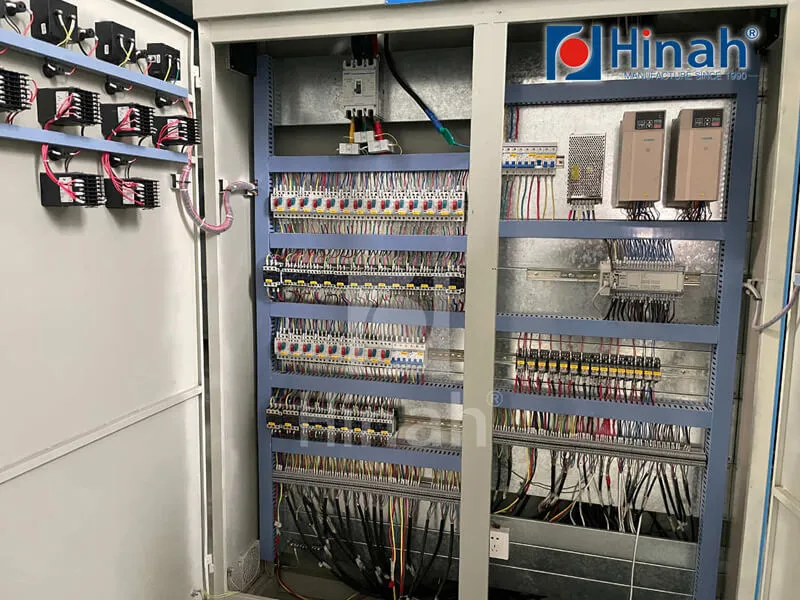
Over-temperature controllers with independent safety limits.
Proper ventilation to manage fumes and prevent solvent buildup (for certain primers).
Fire suppression systems, often using water mist or chemical agents.
Emergency stop buttons and clearly marked exits.
Routine Maintenance Tasks
A basic maintenance schedule helps prevent downtime:
Regularly clean filters and air intakes.
Inspect and calibrate temperature sensors and controllers quarterly.
Lubricate fan motors and bearings as per manufacturer guidelines.
Check the integrity of door seals and insulation.
An industrial powder coating oven is not merely a heating chamber; it is a precision tool that finalizes the coating process. Its design, type, and operation directly influence the quality, durability, and cost-effectiveness of the finished product.
By understanding the principles, types, and selection criteria outlined here, you can make an informed decision for your coating line. Partnering with an experienced provider like HANNA ensures access to ovens built for reliability, efficiency, and consistent performance year after year.
Frequently Asked Questions (FAQs)
Q1: What temperature does an industrial powder coating oven typically run at?
A1: Most powder coatings cure at a Part Metal Temperature (PMT) between 150°C and 200°C (300°F to 400°F). The exact temperature and time are specified by the powder manufacturer. The oven air temperature is often set 10-20°C higher to achieve the correct PMT on the part.
Q2: How long do parts need to stay in the curing oven?
A2: Cure time varies by powder chemistry and part mass. Typical times range from 10 to 30 minutes once the part reaches the recommended PMT. It is the part temperature over time that matters, not just the oven timer.
Q3: Can I cure different types of powder in the same oven?
A3: Yes, but careful planning is needed. You must adjust the oven's time and temperature profile to meet the requirements of each specific powder. Cross-contamination must be avoided, so thorough cleaning between different colors or chemistries is essential.
Q4: What are the main differences between electric and gas-fired ovens?
A4: Electric ovens use heating elements and offer precise, clean, and localized heat. Gas-fired ovens (direct or indirect-fired) use burners and are often more cost-effective to operate for high-volume applications, but require proper venting of combustion gases.
Q5: What safety certifications should I look for in an industrial oven?
A5: Look for ovens built to relevant safety standards, such as those from NFPA (National Fire Protection Association) or local machinery directives (like CE in Europe). Key certifications relate to electrical components, temperature controls, and fire prevention systems. A reputable manufacturer like HANNA will ensure compliance.