

In manufacturing and fabrication, the final finish is critical for product durability, aesthetics, and value. Achieving a consistent, high-quality coating requires specialized machinery. This machinery is collectively known as industrial painting equipment.
From automotive parts to furniture and metal fixtures, these systems ensure efficiency, safety, and repeatability. A well-integrated setup from a trusted provider like HANNA can significantly enhance production outcomes.
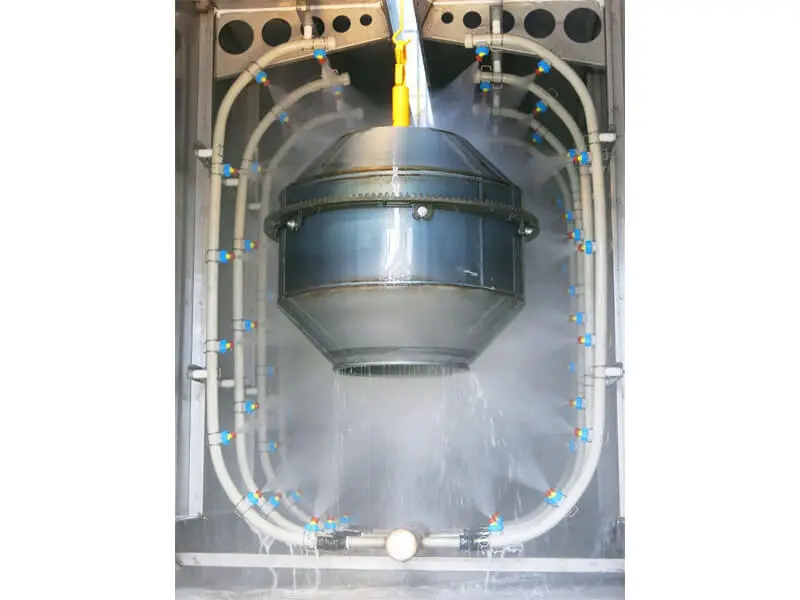
What Constitutes Industrial Painting Equipment?
Industrial painting equipment encompasses all machinery and tools used to apply and cure paints or coatings on a large scale. It is designed for durability, precision, and compliance with environmental and safety standards.
The core goal is to automate and control the finishing process. This reduces human error, increases throughput, and ensures a uniform finish on every part.
Core Components of a Finishing Line
A typical integrated line consists of several key stations:
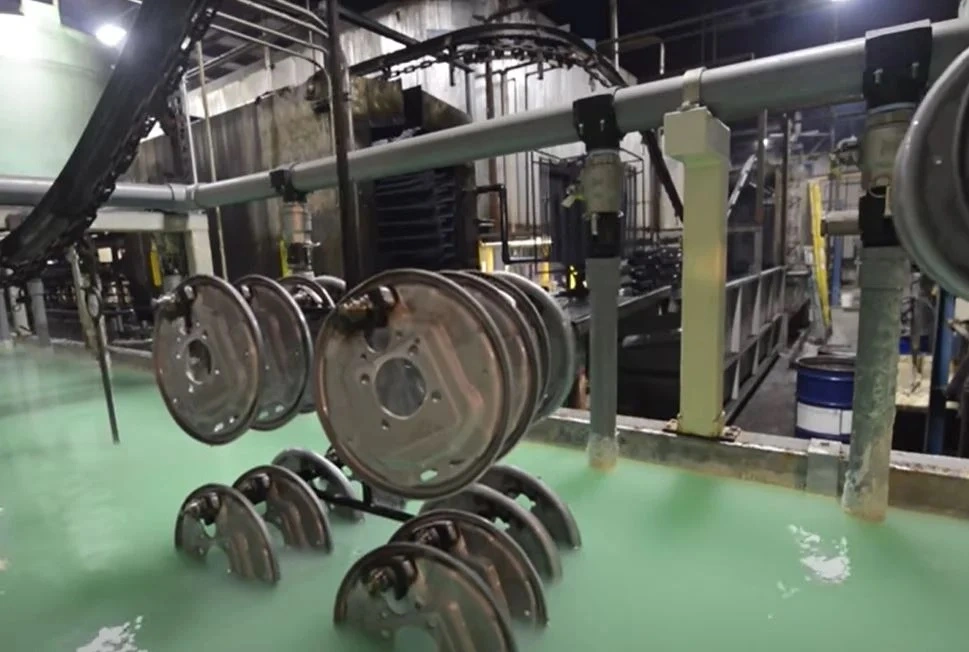
Pre-treatment: Washers and chemical stages for cleaning and preparing the substrate.
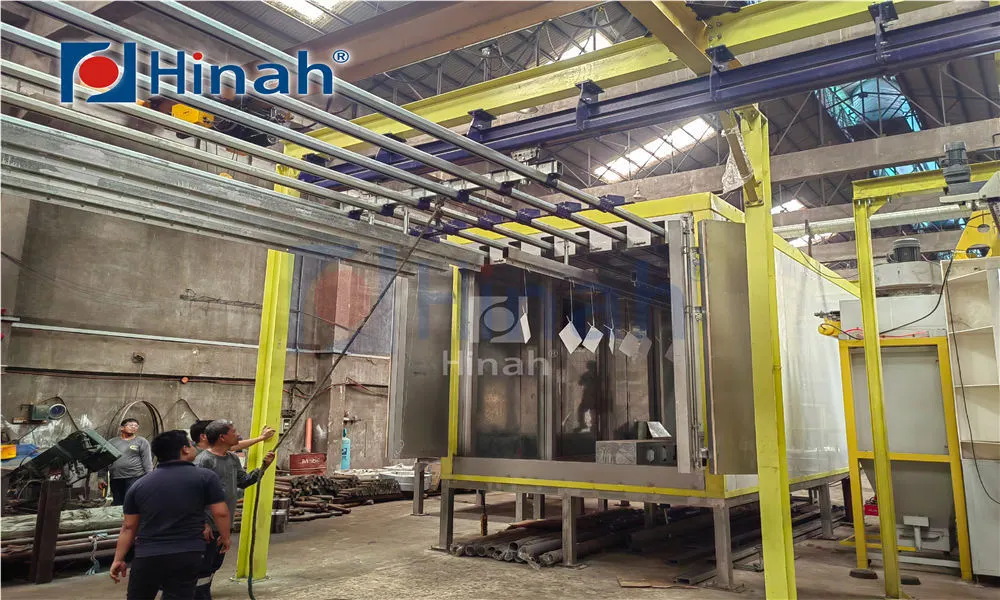
Application Booth: An enclosed space for applying liquid or powder coating.
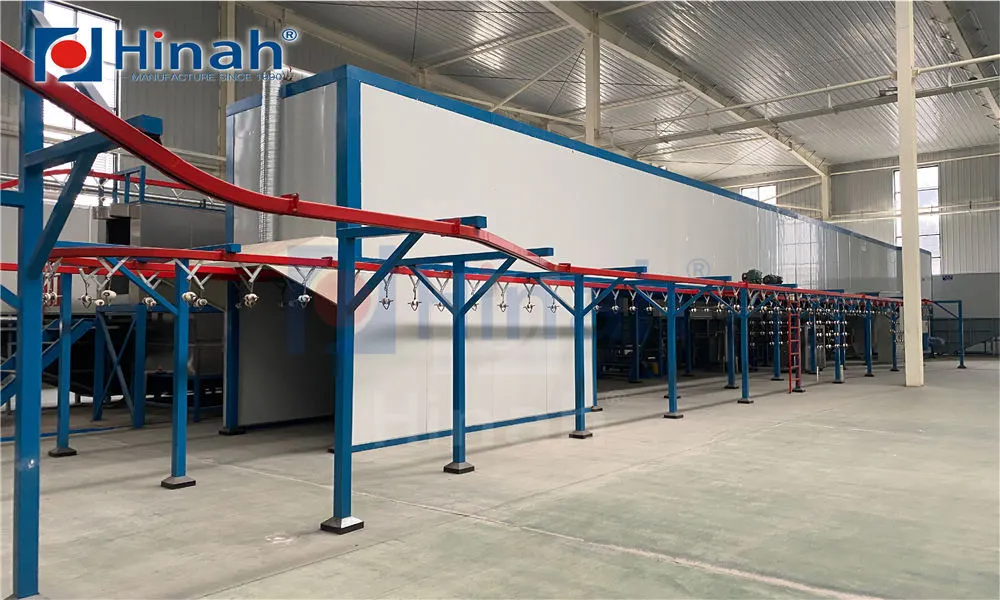
Curing Oven: A heated chamber to dry or cure the applied coating.
Conveyor System: Transports parts consistently through all stages.
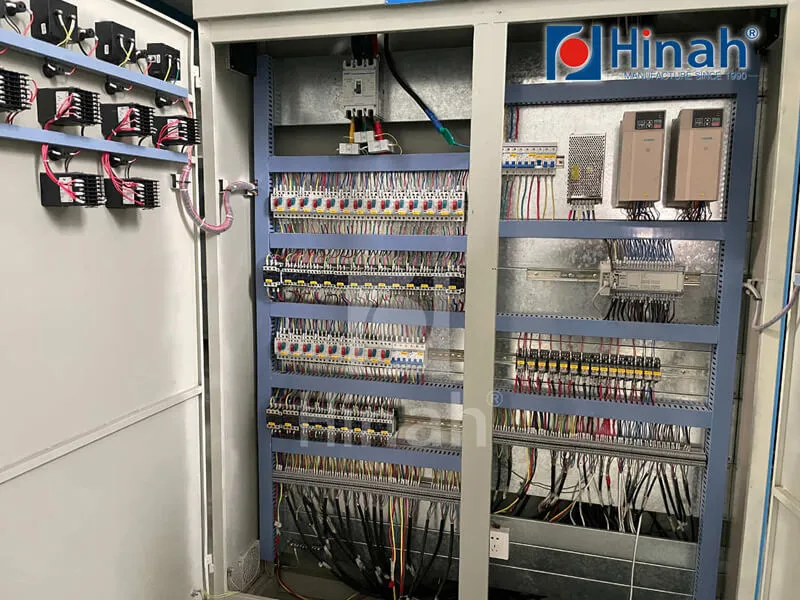
Control System: The central brain that monitors and manages the entire process.
Main Types of Industrial Painting Equipment
Different applications require different technologies. The main categories are defined by the coating method and the curing process.
Liquid Application Systems
These systems apply traditional solvent-based or water-based paints.
Conventional Air Spray: Uses compressed air to atomize paint. Simple but has lower transfer efficiency.
HVLP (High Volume Low Pressure): Delivers a high volume of air at low pressure for better paint transfer and less overspray.
Airless Spray: Forces paint at high pressure through a small tip. Excellent for high-viscosity materials and fast coverage.
Electrostatic Spray: Charges paint particles to attract them to a grounded part. Dramatically increases transfer efficiency and wrap-around.
Powder Coating Systems
This is a dry finishing process where electrostatically charged powder is applied and then cured.
The core industrial painting equipment for powder coating includes:
Powder Spray Booth: Contains overspray and allows for powder recovery.
Powder Guns & Controllers: Apply the electrostatic charge and control powder flow.
Powder Recovery Unit: Filters and often recycles overspray powder.
Curing Oven: Melts and cures the powder into a hard film.
Curing and Drying Equipment
Curing is what transforms a wet layer or powder into a solid, durable finish.
Convection Ovens: Use circulated hot air. Most common for both powder and liquid curing.
Infrared (IR) Ovens: Use radiant heat for very fast curing of specific part geometries.
UV Curing Systems: Use ultraviolet light to instantly cure specially formulated coatings.
Selecting the right curing system is as vital as choosing the application equipment.
Key Factors in Selecting Industrial Painting Equipment
Choosing the right system is a significant investment. Several practical factors must guide this decision to ensure a return on investment and meet production goals.
Production Volume and Part Characteristics
The scale and nature of your production run dictate the equipment type.
High Volume/Continuous Flow: Requires automated, conveyorized lines with fast-cure ovens.
Low Volume/High Mix: Batch ovens and manual or semi-automatic spray booths are more flexible.
Part Size & Shape: Large, heavy parts need robust conveyors and large ovens. Complex shapes may favor electrostatic application for coverage.
Coating Material and Finish Requirements
The desired finish dictates the technology.
Powder coating requires a full powder system and oven.
High-gloss automotive finishes may demand advanced electrostatic liquid systems with clean rooms.
Thick protective coatings might need airless spray equipment.
Always match the industrial painting equipment to the coating manufacturer's specifications.
Space, Energy, and Compliance
Physical and operational constraints are critical.
Facility Space: Measure the available footprint for the entire line, including maintenance access.
Energy Source: Gas vs. electric ovens have different installation and operating cost implications.
Environmental Regulations: Equipment must meet local VOC (Volatile Organic Compound) emission and waste disposal standards.
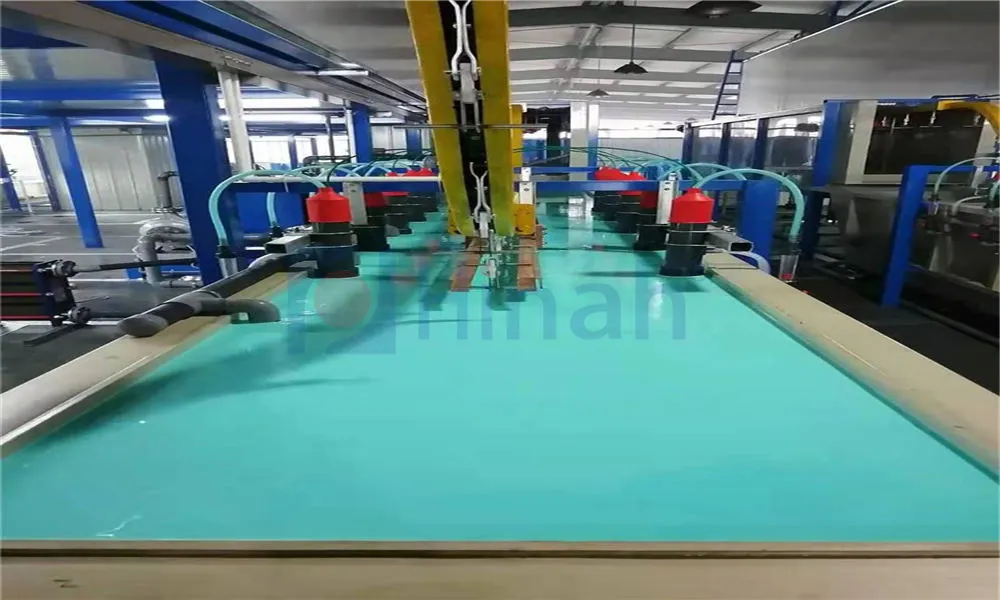
Integration and Automation
Modern finishing lines are not just collections of individual machines. They are integrated systems where each component communicates with the next.
The Role of Conveyor Systems
Conveyors are the backbone of an automated line, moving parts at a controlled speed.
Types include overhead monorails, power-and-free systems, and floor conveyors. The choice affects layout flexibility and cleaning access.
Control and Monitoring Technology
Programmable Logic Controllers (PLCs) and Human-Machine Interfaces (HMIs) allow precise control.
Set and monitor oven temperature zones.
Control booth airflow and filter pressure drops.
Track production data and maintenance schedules.
This level of control is essential for consistent quality and efficient operation of all industrial painting equipment.
Maintenance for Longevity and Performance
Regular maintenance prevents costly downtime and ensures consistent finish quality. It also extends the life of your investment.
Daily and Weekly Tasks
Focus on cleanliness and basic checks.
Clean spray booth walls and floors to prevent contamination.
Check and clean spray gun tips and fluid passages.
Inspect filters in booths and recovery systems.
Check for proper air pressure and fluid pressures.
Scheduled Maintenance
Follow the manufacturer's schedule for more involved procedures.
Calibrate oven temperature sensors and controllers quarterly.
Inspect and service pump seals and motor bearings.
Check conveyor chain tension and lubricate as specified.
Inspect electrical connections and safety interlocks.
Proactive maintenance keeps your HANNA equipment running at peak performance.
Conclusion
Selecting and operating the right industrial painting equipment is a complex but crucial task for any manufacturing operation. It directly impacts product quality, production efficiency, and overall operational costs.
By understanding the different types of equipment, key selection criteria, and the importance of integration and maintenance, you can build a finishing line that meets your specific needs. Partnering with an experienced supplier like HANNA provides access to reliable, efficient systems designed for industrial durability and consistent results.
Frequently Asked Questions (FAQs)
Q1: What is the main difference between liquid and powder coating equipment?
A1: The core difference lies in the application and curing stages. Liquid systems use pumps, fluid lines, and guns to spray wet paint, often requiring flash-off time before curing. Powder systems use electrostatic guns to apply dry powder and require a dedicated curing oven to melt and fuse the powder. Powder systems typically have higher material efficiency and produce less hazardous waste.
Q2: How important is the pre-treatment stage before painting?
A2: It is critically important. Pre-treatment (cleaning, degreasing, phosphating) removes contaminants and creates a surface that promotes coating adhesion and corrosion resistance. Skipping or inadequately performing pre-treatment is a leading cause of coating failures like peeling, blistering, or rust creep, regardless of how advanced the painting equipment is.
Q3: Can I use the same oven for curing both powder and liquid paints?
A3: Technically, a convection oven can cure both, but it is not recommended without careful procedures. Switching between the two can cause cross-contamination. Powder overspray in an oven used for liquid paints can create defects. Liquid paint fumes can contaminate parts in a powder oven. Dedicated ovens or rigorous cleaning between processes are needed.
Q4: What does "transfer efficiency" mean for spray equipment?
A4: Transfer efficiency refers to the percentage of coating material that actually adheres to the target part versus what is lost as overspray. Higher transfer efficiency means less material waste, lower emissions, and reduced cleanup costs. Electrostatic application methods (for both liquid and powder) generally offer the highest transfer efficiency.
Q5: What safety features are essential for industrial painting equipment?
A5: Essential safety features include:
Explosion-proof electrical fittings and motors in spray areas.
Proper ventilation and airflow to prevent buildup of flammable vapors or powder dust.
Fire suppression systems (often automatic) in ovens and booths.
Grounding systems to prevent static electricity sparks.
Emergency stop buttons and clear safety signage throughout the line.