
In composite manufacturing, a Composite curing oven is crucial for achieving durable and high-performance materials. This equipment ensures proper curing of resins and coatings, enhancing strength and longevity. Industries rely on these ovens for consistent results in powder coating and other processes. This guide covers key aspects of composite curing ovens to help you make informed decisions.
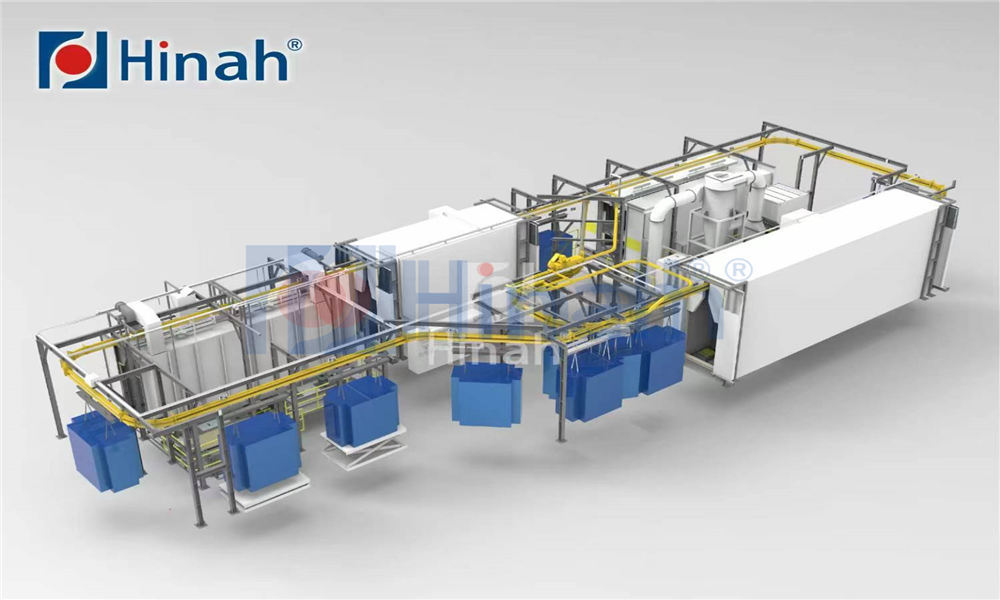
A Composite curing oven is a specialized heating system used to cure composite materials. It applies controlled heat to solidify resins and coatings. This process is vital in manufacturing to ensure material integrity. Ovens can vary in size and technology to suit different needs.
These ovens operate by generating heat through electric or gas systems. The temperature is carefully regulated to match material requirements. Air circulation ensures even heat distribution. This prevents defects and ensures uniform curing.
Heat is applied to composite parts to trigger chemical reactions.
Temperature controls are precise to avoid under or over-curing.
Timing is adjusted based on material thickness and type.
There are several types of ovens used in composite curing. Each type offers unique benefits for specific applications.
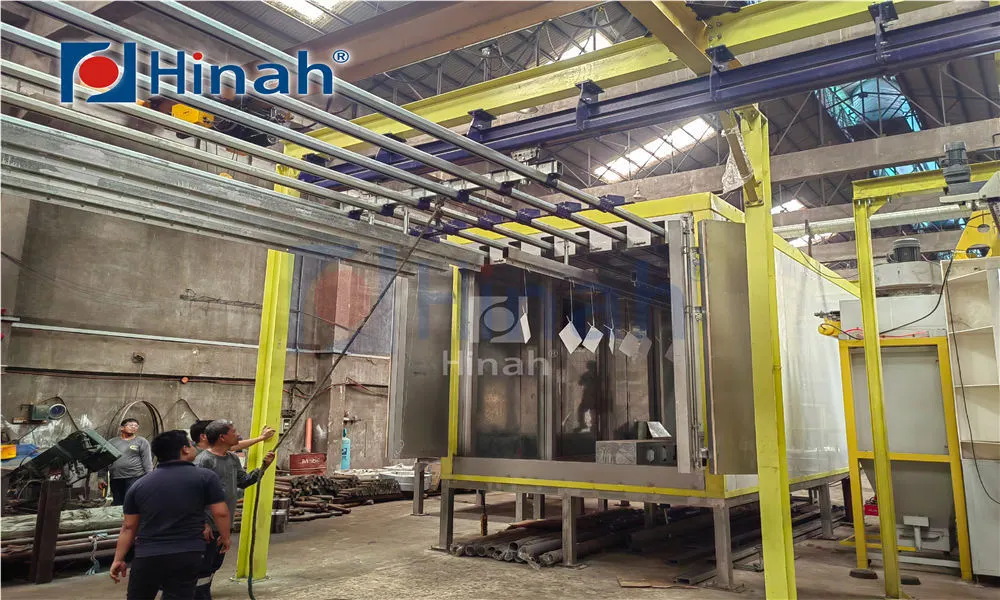
Batch Ovens: Ideal for small to medium production runs. They cure parts in batches, offering flexibility.
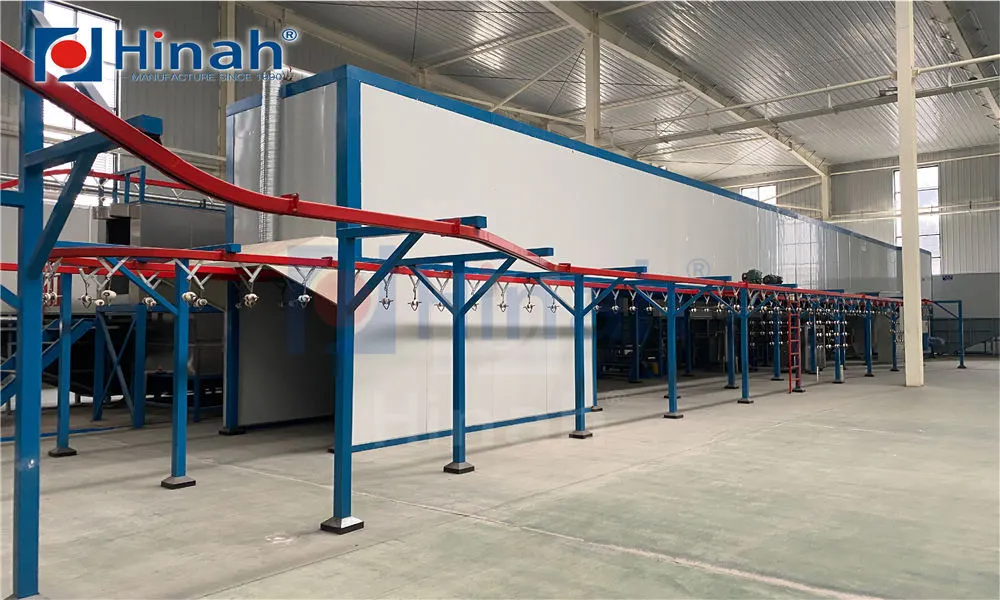
Continuous Ovens: Suited for high-volume production. Parts move on a conveyor for efficient curing.
Infrared Ovens: Use infrared radiation for fast, targeted heating. They reduce energy consumption.
Convection Ovens: Rely on heated air circulation. They provide consistent temperature control.
Composite curing oven systems are used across various industries. They play a key role in enhancing product quality and performance.
In aerospace, composite curing ovens cure parts like fuselage panels and wings. They ensure materials meet strict safety standards. High temperatures and precision are critical. This application demands reliable ovens for durable components.
The automotive sector uses these ovens for curing composite body parts and coatings. They help in producing lightweight, fuel-efficient vehicles. Powder coating processes often rely on composite curing ovens. This improves corrosion resistance and aesthetics.
Wind turbine blades are cured using composite curing ovens. The process ensures blades withstand harsh environmental conditions. Large ovens are designed for these oversized parts. Efficient curing extends the lifespan of turbines.
Boats and sports gear use composites cured in these ovens. The curing enhances strength and water resistance. Consistent heat application is key for quality. This supports durable and high-performance products.
Investing in a Composite curing oven offers multiple advantages. These benefits impact production efficiency and product quality.
Improved Material Strength: Proper curing increases durability and load-bearing capacity.
Energy Efficiency: Modern ovens reduce power usage, lowering operational costs.
Consistent Results: Automated controls ensure repeatable curing cycles.
Versatility: Ovens handle various materials, from polymers to advanced composites.
Environmental Compliance: Designed to meet emissions standards in powder coating.
Brands like HANNA provide ovens that align with these benefits. Their equipment supports sustainable manufacturing practices.
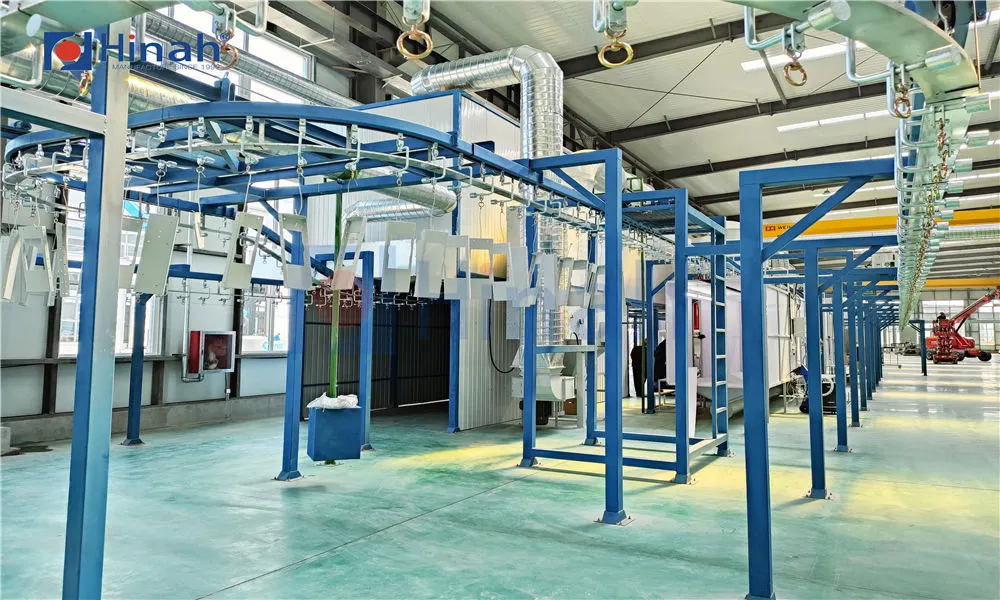
Selecting a Composite curing oven requires careful consideration. Factors include production scale, material types, and budget.
Determine your output volume and part sizes. Batch ovens suit lower volumes, while continuous ovens fit high-speed lines. This affects oven size and configuration.
Choose between convection, infrared, or hybrid systems. Each has pros and cons for specific composites. Energy efficiency should be a priority.
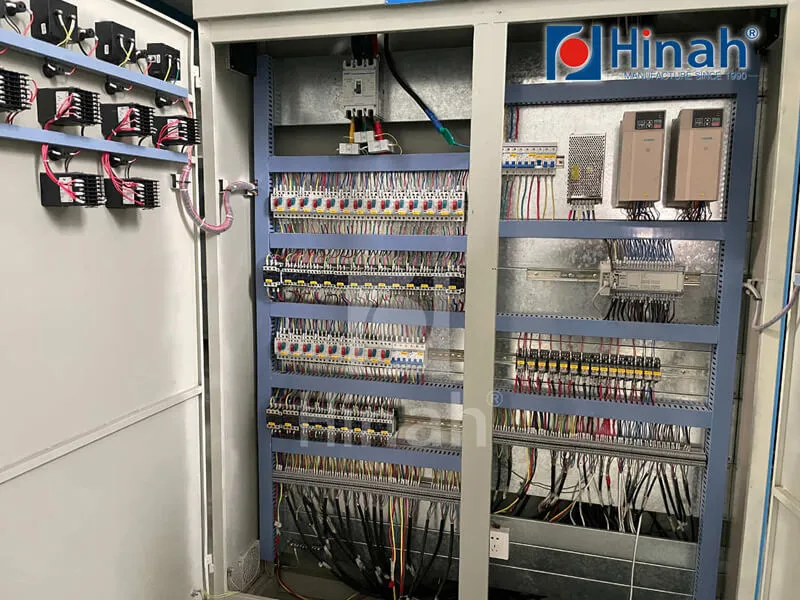
Look for ovens with precise temperature and humidity controls. Digital interfaces allow for easy monitoring. This ensures accurate curing cycles.
Ensure the oven meets industry safety standards. Features like overload protection and ventilation are important. This minimizes risks in powder coating operations.
Opt for reputable brands like HANNA. They offer reliable support and warranties. Customer reviews can guide your decision.
A Composite curing oven is essential for modern composite manufacturing. It enables efficient curing, improves product quality, and supports various industries. By understanding types, applications, and selection criteria, you can optimize your processes. For quality equipment, consider providers like HANNA to meet your production needs.
A1: The main function of a composite curing oven is to apply controlled heat to cure composite materials. This solidifies resins and coatings, ensuring structural integrity and performance in applications like powder coating.
A2: Composite curing ovens improve energy efficiency through advanced insulation, precise temperature controls, and technologies like infrared heating. This reduces heat loss and power consumption, lowering operational costs.
A3: Yes, composite curing ovens are designed to handle various materials, including polymers, carbon fiber, and glass fiber. Adjustable settings allow customization for different curing requirements.
A4: Key safety features include temperature sensors, emergency shut-off systems, proper ventilation, and compliance with industry standards. These minimize risks of overheating or fumes in powder coating environments.
A5: Brand reputation matters because it indicates reliability, product quality, and after-sales support. Brands like HANNA offer tested equipment and customer service, ensuring long-term performance and reduced downtime.