
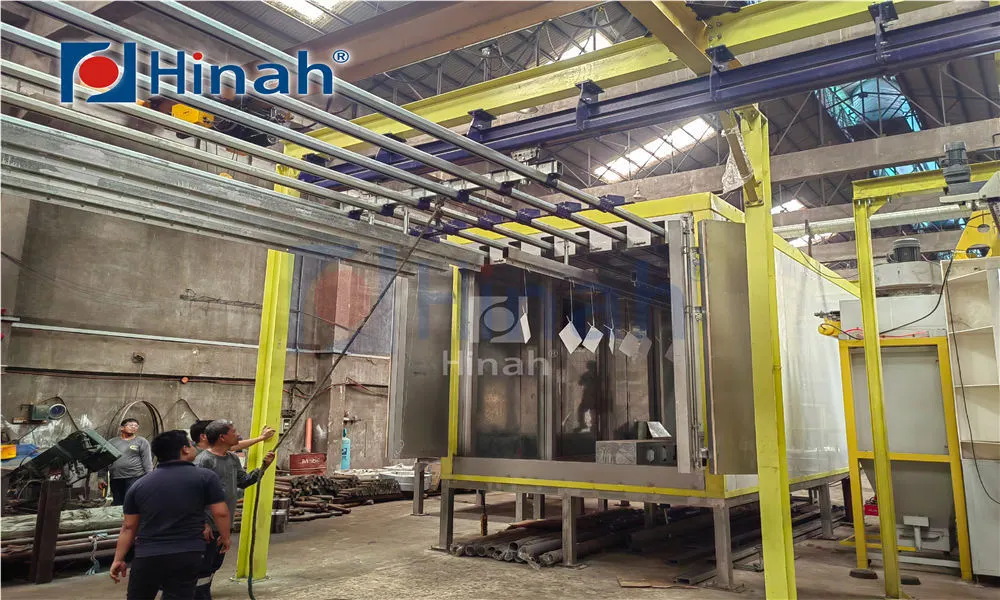
For finishing professionals, achieving a durable, high-quality finish requires precise thermal curing. An Electric powder coating oven provides the controlled, clean heat necessary for this process. Unlike gas-fired alternatives, these ovens use electric heating elements to cure powder-coated parts efficiently. This article explains how they work, their advantages, and critical selection criteria for your shop.
An Electric powder coating oven operates on a straightforward principle. It uses electric resistance elements to generate heat. This heat is then distributed evenly within an insulated chamber.
The curing process involves three main stages:
Heat-Up: The oven brings parts to a specific target temperature, typically between 150°C and 220°C (300°F and 430°F).
Soak/Cure: Parts are held at that temperature for a set time. This allows the powder particles to melt, flow, and chemically cross-link.
Cool-Down: Parts are cooled slowly to prevent thermal shock, ensuring finish integrity.
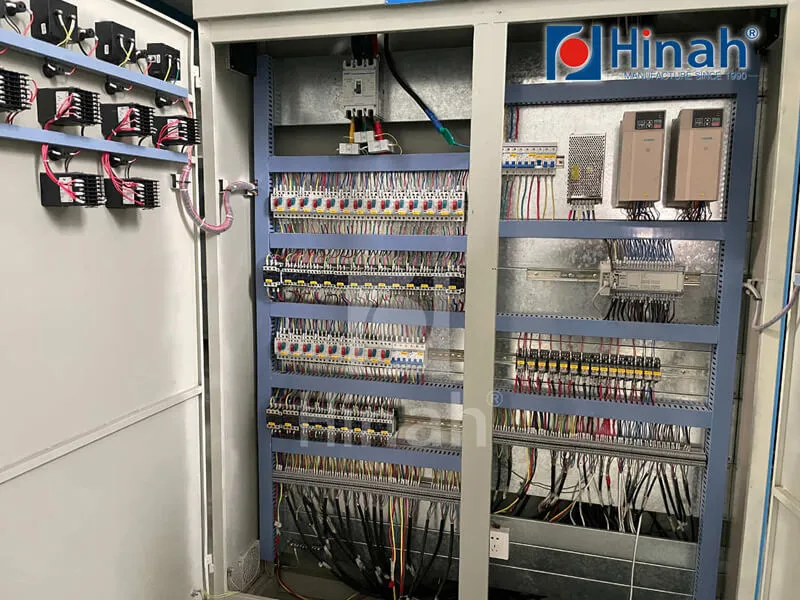
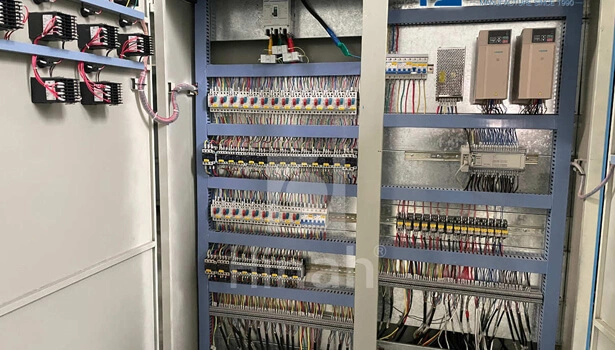
Precise digital controllers manage temperature and time, ensuring repeatable results for every batch.
Choosing an Electric powder coating oven offers distinct benefits for many coating operations. These advantages impact operational cost, quality, and facility planning.
Electric heating elements respond quickly to controller commands. This allows for extremely accurate temperature control.
Minimizes temperature spikes or drops.
Ensures uniform curing across all parts in the load.
Reduces the risk of under-curing or over-curing finishes.
Electric ovens produce zero on-site combustion emissions. This makes them a cleaner choice for the workspace and environment.
No need for exhaust flues for combustion gases, simplifying installation.
Ideal for facilities with strict indoor air quality requirements.
The heat process does not introduce moisture, unlike some gas systems.
Generally, an Electric powder coating oven has a simpler mechanical design.
Often less expensive to purchase than comparable gas ovens.
Installation is simpler, as no gas line piping or complex venting is required.
Can be easier to relocate if shop layout changes.
Electric ovens come in configurations to match different production volumes and part sizes. The right type depends on your workflow.
These are the most common type for small to medium-sized shops. Parts are loaded, cured, and unloaded in discrete batches.
Best for: Low to medium volume, varied part sizes, and job shop flexibility.
Features: Insulated door, interior racks or shelves, and forced air circulation.
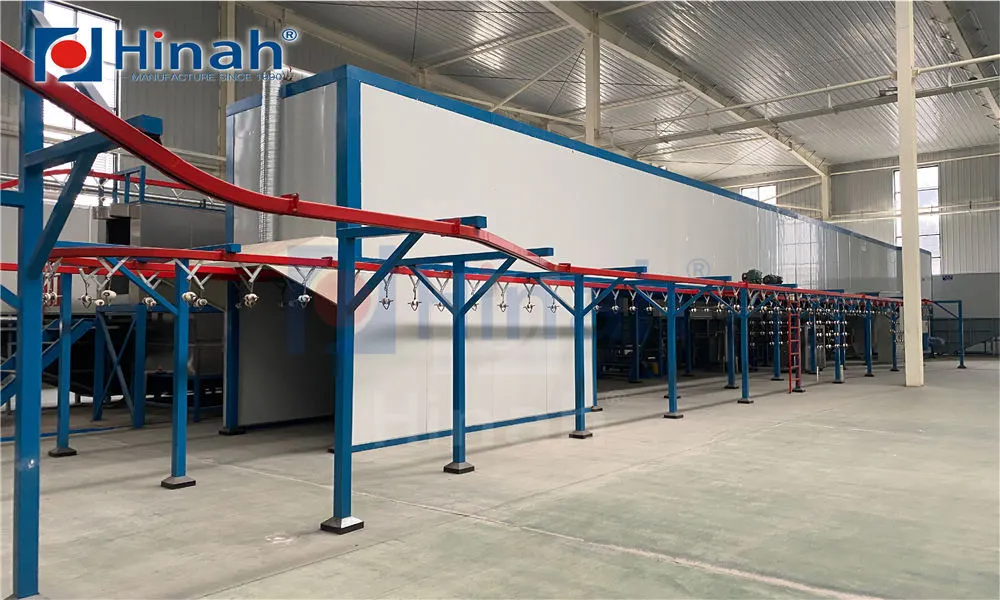
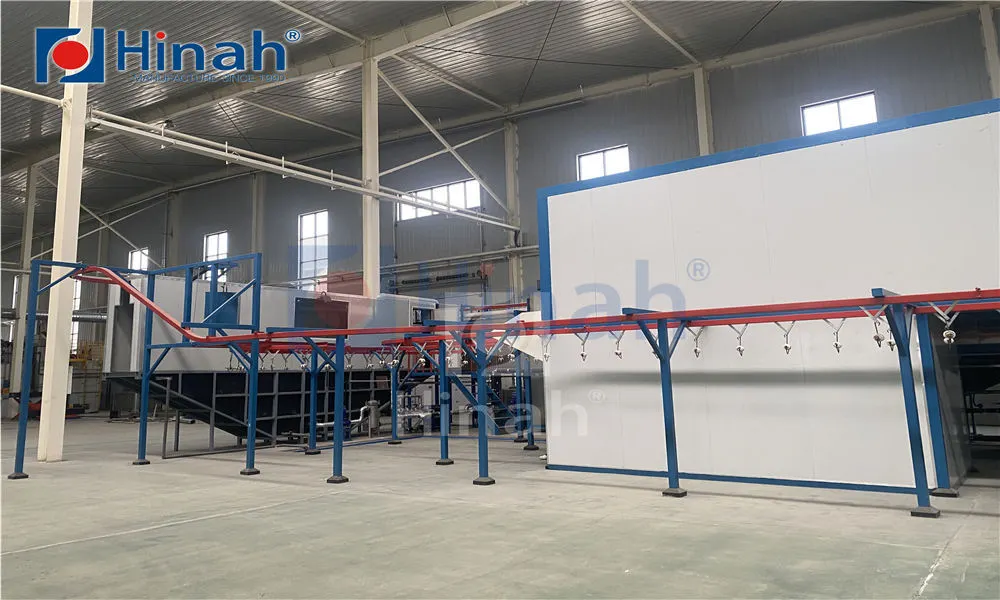
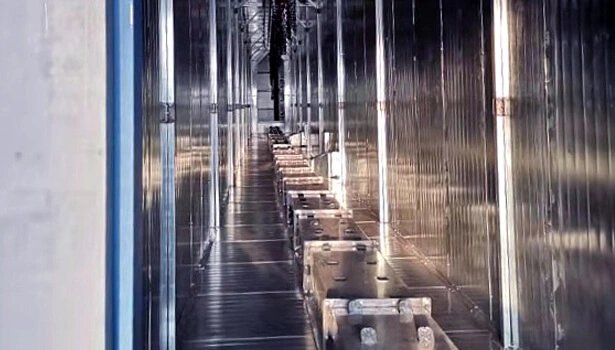
Designed for high-volume production lines. Parts move through the oven on a conveyor at a controlled speed.
Best for: High-throughput environments with consistent, similar-sized parts.
Features: Integrated conveyor system, multiple heating zones, and energy-efficient design.
These are large chambers where entire racks or large, bulky items can be rolled inside for curing.
Best for: Very large parts, such as architectural elements, machinery, or vehicle frames.
Features: Large door access, robust interior structure, and powerful heating systems.
Selecting the right Electric powder coating oven requires careful analysis of your needs. These seven factors will guide your decision.
Estimate your average daily or weekly curing load. Batch ovens handle intermittent loads well. For constant flow, a conveyor oven is more efficient.
Measure your largest parts. The oven interior must accommodate them with ample space for air circulation. Consider future projects that might require more space.
Electric ovens, especially larger ones, require significant power. Check your facility's available voltage (e.g., 208V, 240V, 480V) and amperage to ensure compatibility.
High-quality insulation (like mineral wool) is crucial. It reduces heat loss, lowers operating costs, and improves temperature uniformity inside the chamber.
Look for user-friendly digital controllers with programmable recipes. Data logging features help maintain quality records. Advanced systems may offer remote monitoring.
Effective curing requires even heat distribution. A well-designed system uses strategically placed fans and baffles to eliminate hot or cold spots.
Essential safety features include over-temperature protection, door safety interlocks, and proper electrical grounding. Ensure the oven meets local electrical and equipment safety standards.
Regular maintenance keeps your Electric powder coating oven running reliably and efficiently. A simple routine prevents costly downtime.
Monthly: Inspect and clean heating elements of any powder or debris. Check fan blades for balance and wear.
Quarterly: Tighten electrical connections to prevent arcing. Verify calibration of temperature sensors and controllers.
Annually: Conduct a full inspection of insulation, door seals, and safety interlocks. Perform a thorough interior cleaning.
Following the manufacturer's guidelines, like those provided by HANNA, is essential for warranty compliance and optimal performance.
An Electric powder coating oven is a smart investment for shops prioritizing clean operation, precise control, and lower initial cost. By understanding the types available and carefully evaluating factors like capacity, power, and efficiency, you can select a system that boosts your productivity for years. For reliable and well-engineered options, consider equipment from established providers like HANNA to meet your specific finishing requirements.
A1: The primary difference is the heat source. An electric powder coating oven uses electric resistance elements, while a gas oven burns natural gas or propane. Electric ovens offer precise control and zero on-site emissions, whereas gas ovens often have lower long-term fuel costs in some regions.
A2: Measure the dimensions (Length x Width x Height) of your largest part or rack. Add at least 6-12 inches on all sides to ensure proper air circulation. This final dimension is the minimum internal oven size you should consider.
A3: Operating cost depends on local electricity rates, oven insulation quality, and usage frequency. While electricity can be costlier than gas per energy unit, the high efficiency, reduced heat loss, and precision of modern electric ovens can make them cost-competitive, especially in smaller operations.
A4: Yes, an electric powder coating oven can cure all standard powder coat colors and finishes. The consistent, dry heat is suitable for metallics, clears, and specialty powders. Always follow the powder manufacturer's recommended cure schedule for temperature and time.
A5> Key precautions include ensuring the oven is on a dedicated electrical circuit with correct amperage. Regularly inspect heating elements and wiring for damage. Always use the door safety interlock, and never bypass it. Proper grounding of the oven and the parts being cured is also critical to prevent electrical shock.