In any manufacturing or large-scale fabrication environment, the finish is more than just aesthetics. It’s about protection, durability, and value. Selecting the right industrial painting equipment is a critical decision that directly impacts your production speed, operational costs, and the final quality of your product. From automotive parts to structural steel and consumer appliances, the technology you use defines your output. This article breaks down the key considerations and technologies, highlighting how modern solutions from providers like HANNA are shaping the industry.
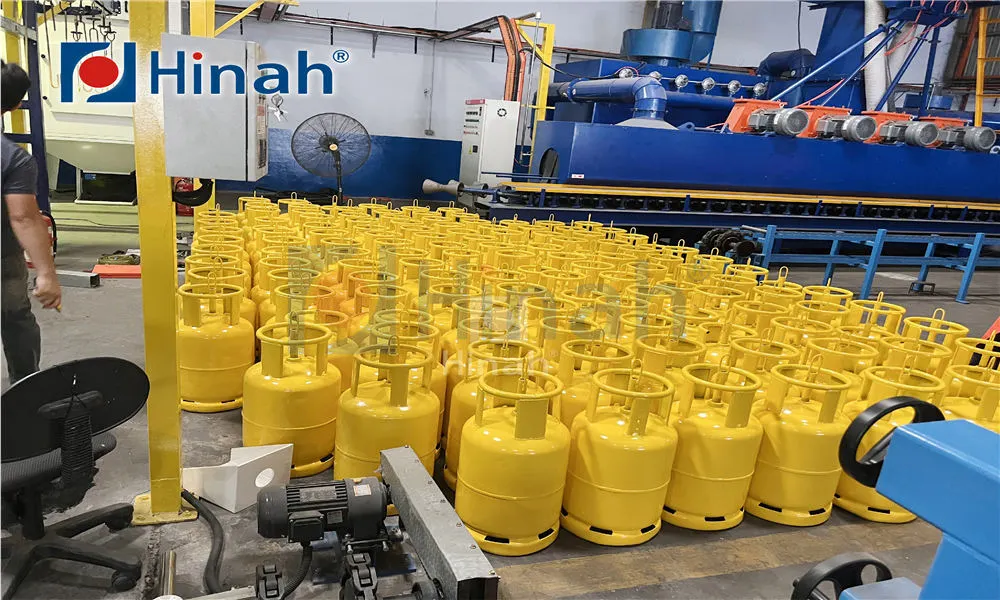
The landscape has moved far beyond simple spray guns. Today's systems are integrated solutions.
For liquid coatings, advanced air-assisted airless and HVLP (High Volume Low Pressure) spray guns offer superior transfer efficiency. This means more paint lands on the target, reducing waste and overspray.
In the powder coating realm, electrostatic charging is king. Powder particles are charged and attracted to the grounded workpiece, ensuring an even coat with virtually no drips. Modern recovery systems then reclaim over-sprayed powder, pushing material utilization rates above 95%.
Automation is now standard. Robotic arms programmed for complex paths ensure unmatched consistency. They are integrated with sophisticated conveyor systems for a continuous flow.
Speed and uptime are profit drivers. The right industrial painting equipment is engineered to minimize bottlenecks.
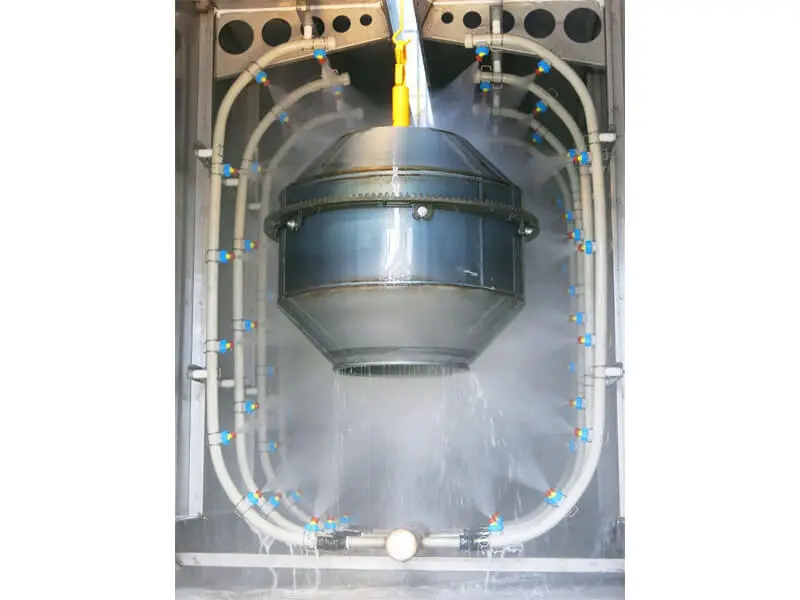
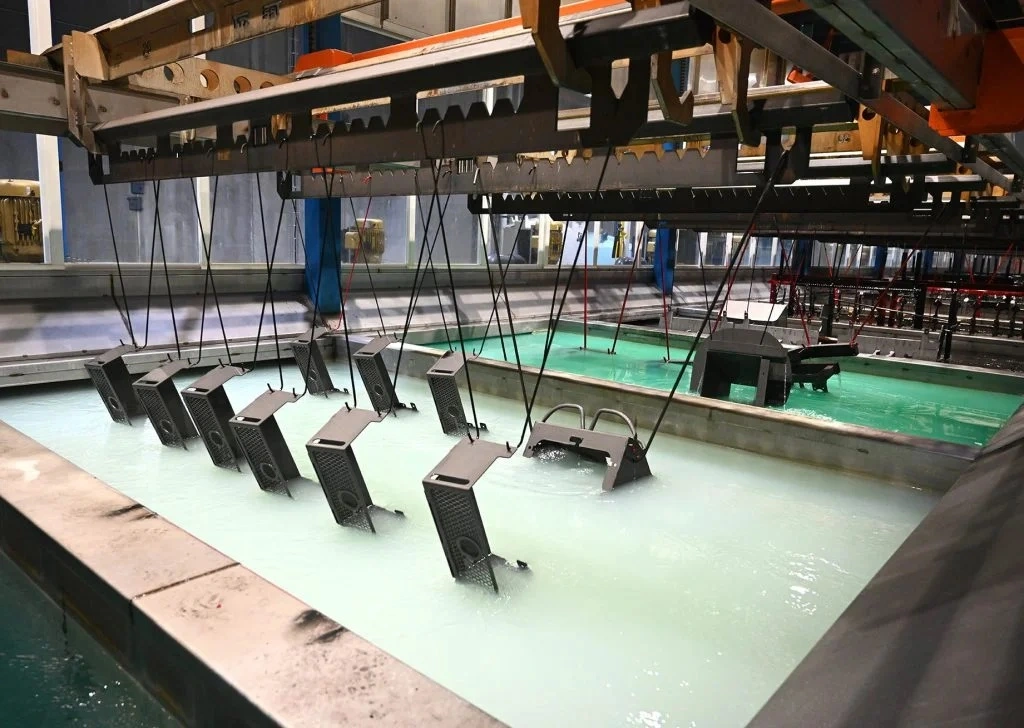
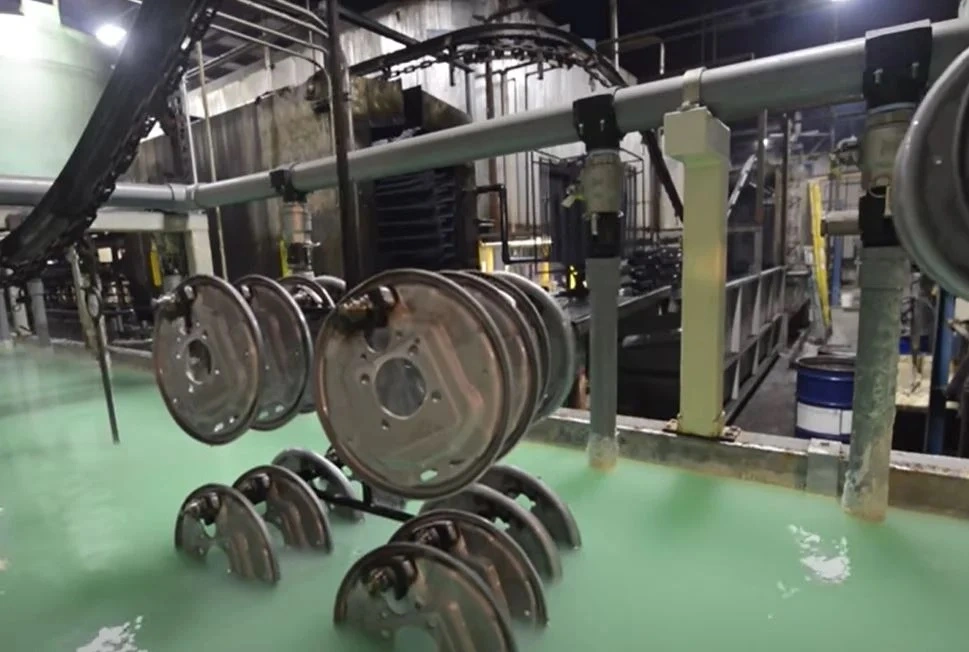
Automated pretreatment stages, like phosphating or chromating, prepare surfaces without manual handling. Integrated drying zones ensure parts are perfectly ready for coating.
High-speed reciprocators or robots can coat multiple parts simultaneously. Fast-color change systems, especially in liquid lines, reduce downtime from hours to minutes. This is crucial for custom or small-batch production.
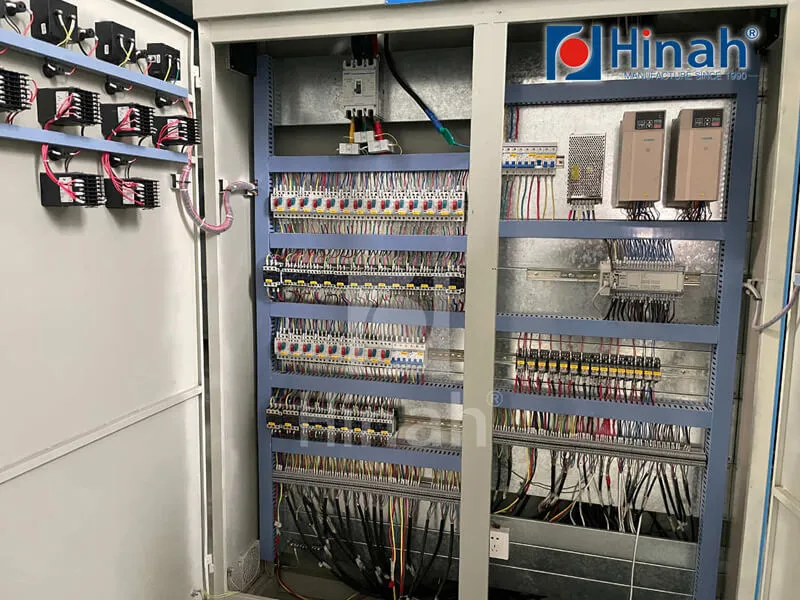
Centralized control panels, like those on HANNA's premium lines, allow operators to monitor and adjust the entire process from a single station. Predictive maintenance alerts prevent unexpected breakdowns.
Repeatability is the hallmark of professional finishing. Variability in film thickness, texture, or color is unacceptable.
Advanced electrostatic controls ensure uniform powder deposition, even on complex geometries with Faraday cage areas. Consistent voltage and current are vital.
Precise fluid delivery pumps and regulators maintain exact paint viscosity and flow rates. Any fluctuation here shows in the finish.
Climate-controlled spray booths manage temperature and humidity. This is critical for both liquid curing and powder application, preventing defects like orange peel or improper fusion.
Modern industrial painting equipment must be safe and sustainable. Regulatory standards are stringent.
Powder coating is inherently more environmentally friendly than many liquid processes. It contains no VOCs (Volatile Organic Compounds). High-efficiency powder recovery booths from HANNA contain materials completely, protecting worker health.
For liquid applications, enclosed spray booths with powerful exhaust and filtration systems capture particulates. Water-wash or dry filter booths are essential for compliance with air quality standards.
Equipment design also focuses on operator safety. Ergonomic gun designs reduce fatigue. Proper grounding systems prevent spark risks in powder applications.
In powder coating, the recovery system is not an add-on; it's a core component of the industrial painting equipment. It directly affects material costs and cleanliness.
A well-designed cyclone and filter recovery unit, like those built by HANNA, separates air from powder. It then sieves the recovered powder, blending it with virgin material for reuse.
This closed-loop system dramatically reduces raw material costs. It also keeps the booth environment clean, maintaining efficiency and reducing filter change frequency. The economic payback on a high-quality recovery system is rapid.
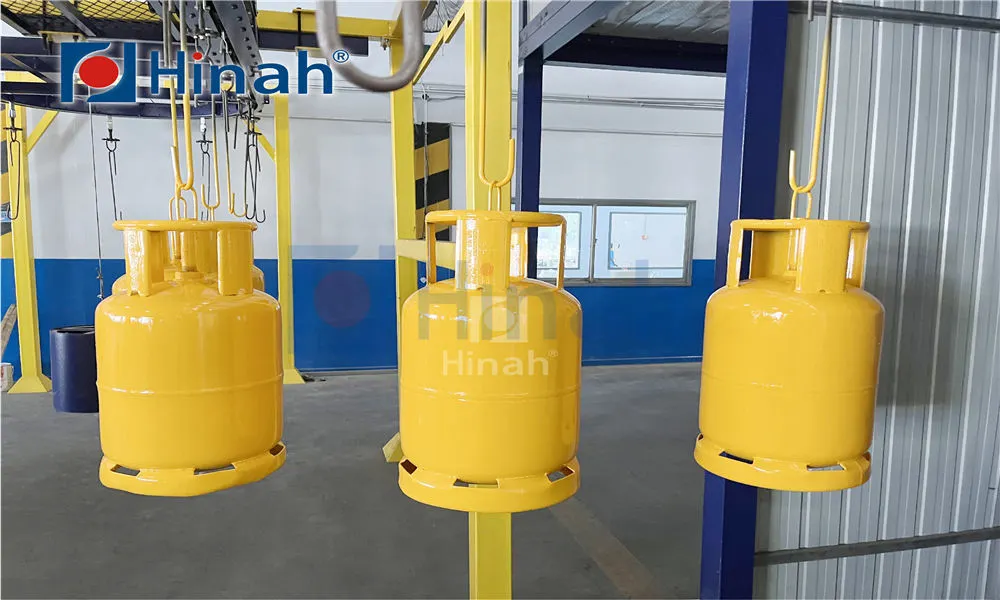
The next wave is Industry 4.0. Smart industrial painting equipment collects and analyzes data to optimize itself.
Sensors monitor gun performance, powder flow rates, and oven temperatures. This data feeds into central software that can predict maintenance needs, track energy consumption, and ensure quality traceability for every part coated.
Investing in equipment with this capability, such as HANNA's connected line, allows for continuous improvement. It turns your finishing department from a cost center into a data-driven value center.
Choosing the right industrial painting equipment is a strategic investment that influences nearly every aspect of your production. It’s not just about buying a spray gun or a booth; it’s about selecting an integrated system that delivers efficiency, flawless quality, and a strong return on investment. By partnering with experienced manufacturers like HANNA, who understand the nuances of both liquid and powder applications, you secure a solution that meets today’s demands and adapts to tomorrow’s challenges.
Q1: What is the main difference between airless and electrostatic powder coating equipment?
A1: Airless spray equipment uses high hydraulic pressure to atomize liquid paint. Electrostatic powder coating equipment uses a high-voltage charge to attract dry powder particles to a grounded part. The powder method generally offers higher material efficiency, no VOCs, and easier cleanup of overspray.
Q2: How often does powder coating equipment require maintenance?
A2: Regular daily and weekly checks are crucial. Guns and nozzles should be cleaned daily. Filters in the recovery system need inspection weekly and replacement as indicated by pressure gauges. A full system audit and pump rebuild should follow the manufacturer's schedule, typically every 1,000-2,000 hours for optimal performance from brands like HANNA.
Q3: Can existing industrial painting equipment be upgraded for automation?
A3: Yes, in many cases. Existing conveyor systems can often be integrated with new robotic spray arms or reciprocators. Control systems can be upgraded to centralized digital panels. It's best to consult with the original equipment manufacturer or a specialist like HANNA to assess the feasibility and design a retrofit plan.
Q4: What safety features are most important in a spray booth?
A4: Key features include explosion-proof electrical fittings (for solvent-based paints), proper grounding for electrostatic systems, adequate mechanical ventilation to prevent fume buildup, and compliant filtration to capture overspray. Fire suppression systems are also a critical safety requirement in many jurisdictions.
Q5: How do I calculate the ROI for new, more efficient industrial painting equipment?
A5: Focus on measurable savings: reduced material consumption (higher transfer efficiency), lower waste disposal costs, decreased energy use (from efficient ovens and recovery), reduced labor (through automation), and fewer rejects (higher quality). A detailed analysis from a supplier will project payback period based on your specific production volume and current costs.