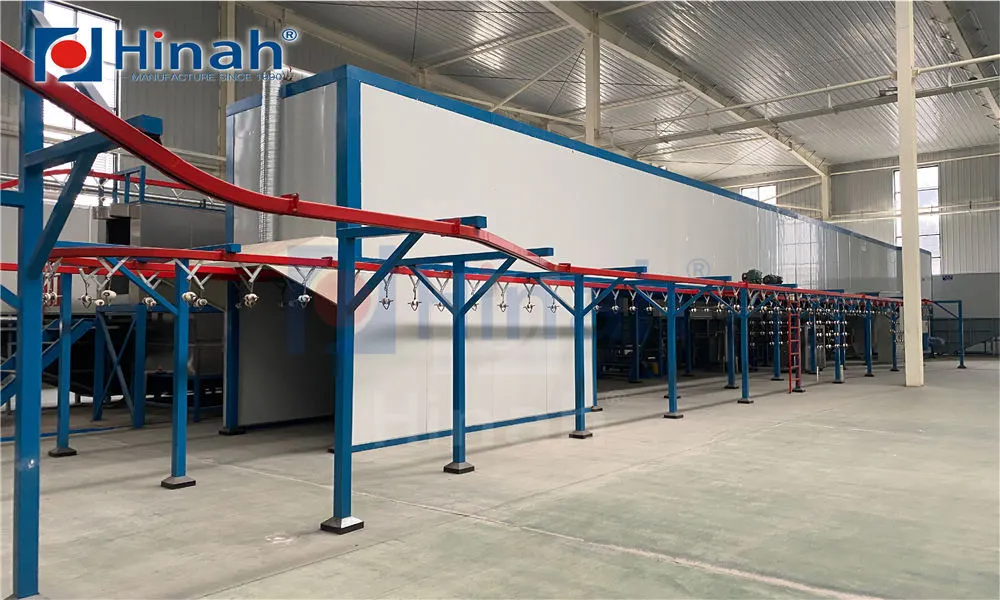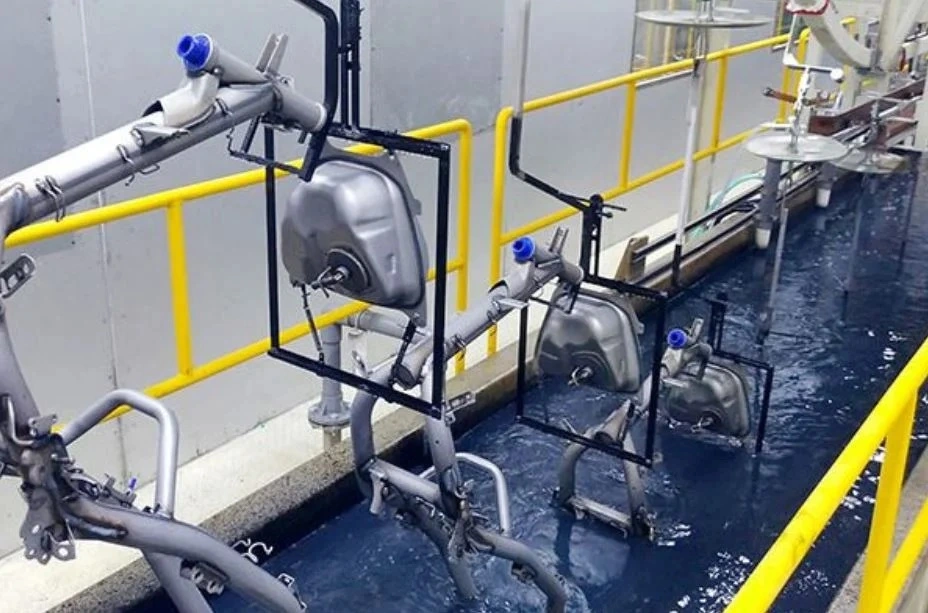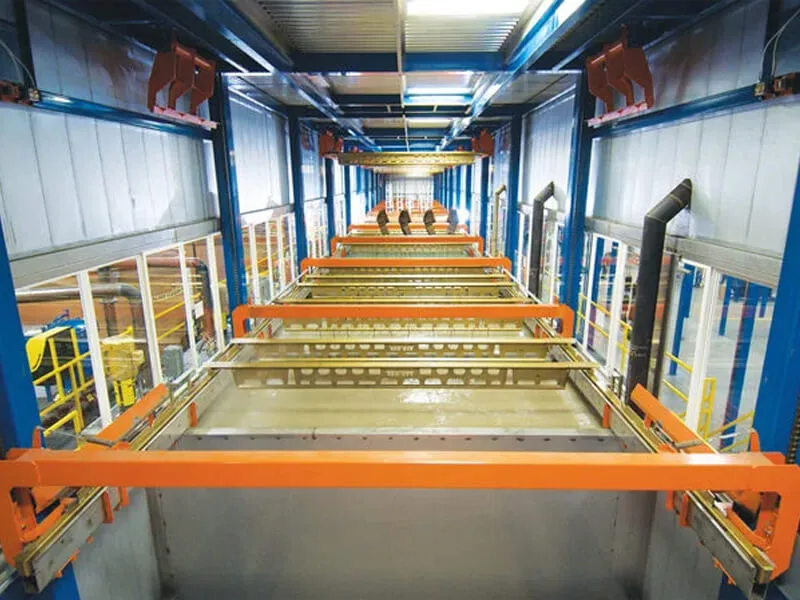

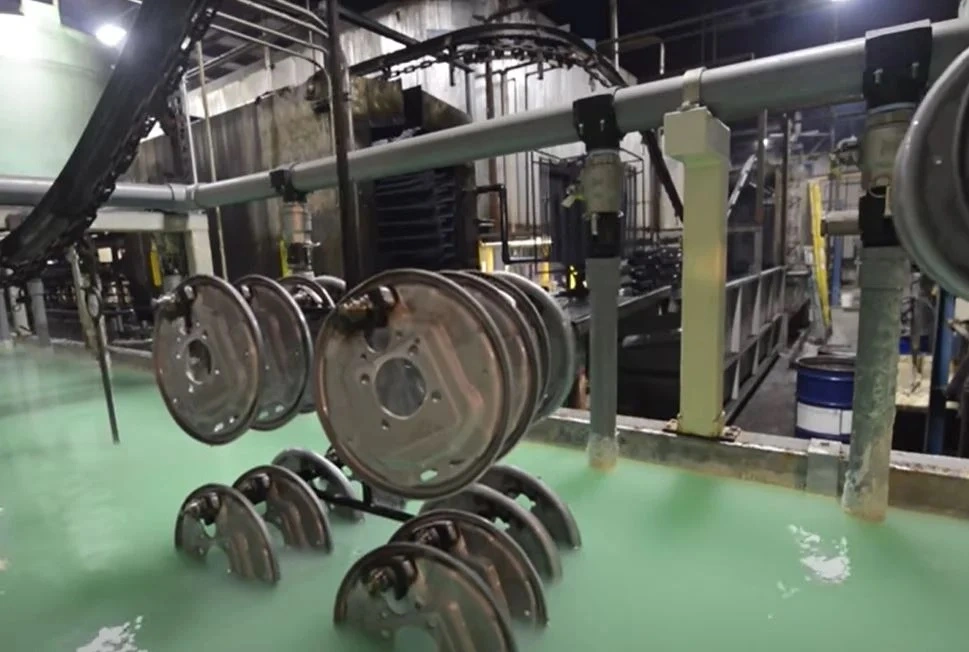
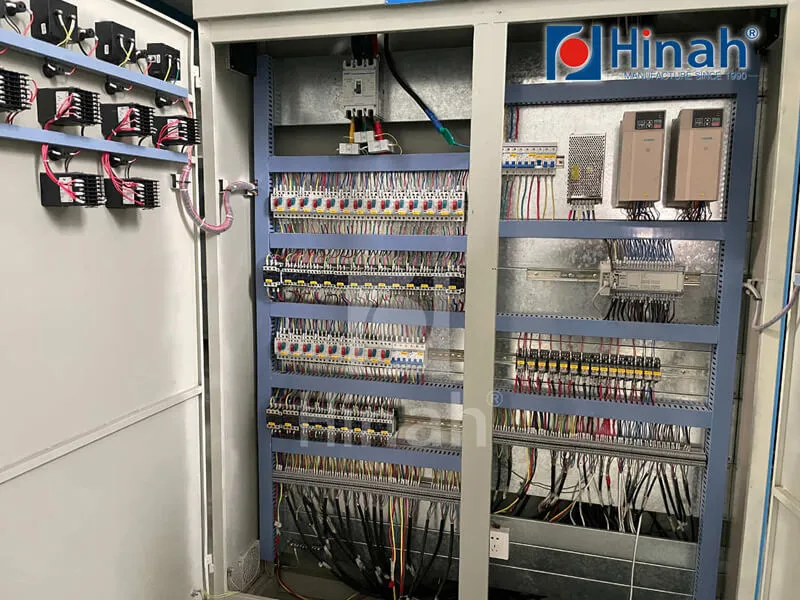

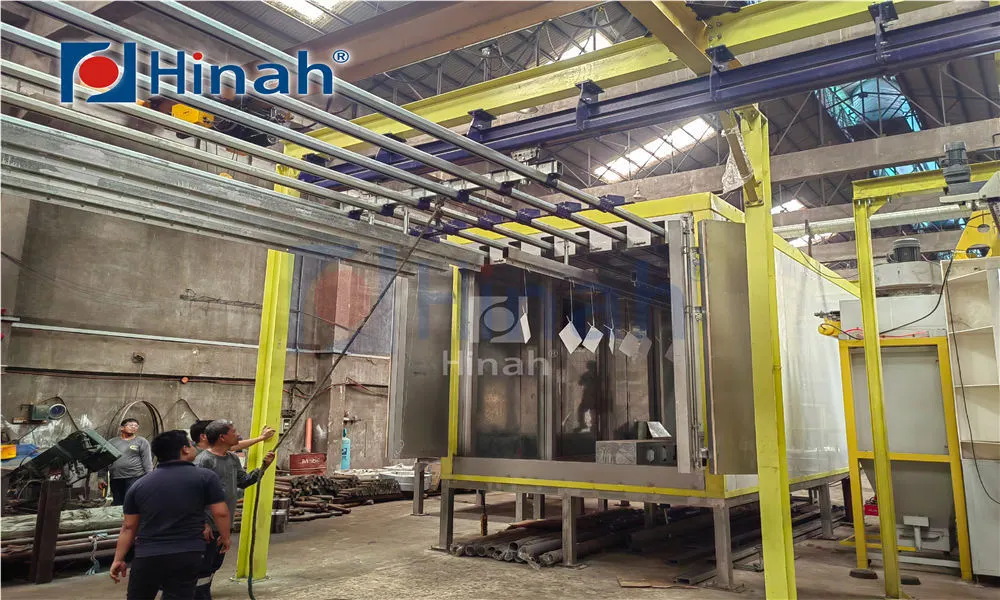
Investing in a powder coating line is a major decision that impacts your production quality, efficiency, and bottom line for years. The success of this investment heavily depends on one critical choice: selecting the right powder coating equipment suppliers.
Not all suppliers offer the same level of quality, service, or technical expertise. Partnering with a reliable company like HANNA can mean the difference between a smooth-running operation and a source of constant challenges.
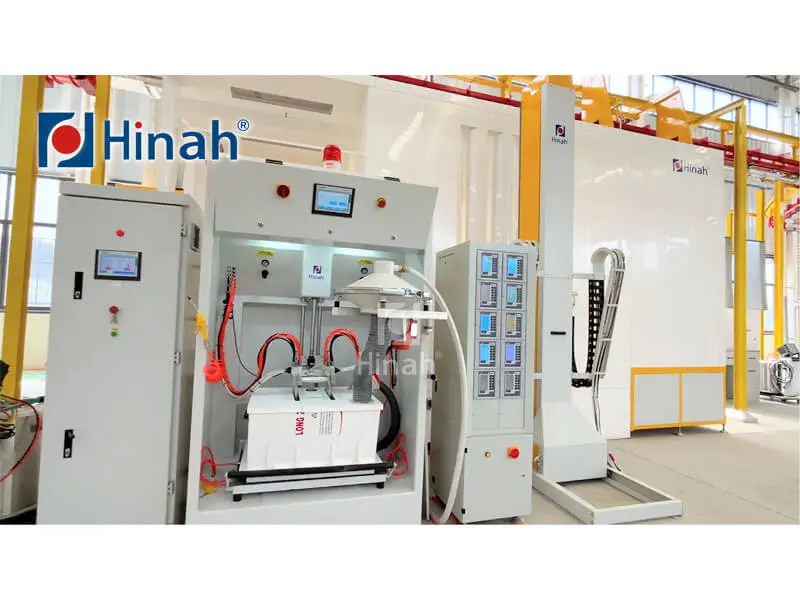
The Critical Role of Powder Coating Equipment Suppliers
Powder coating equipment suppliers provide more than just machinery. They are partners in your finishing process. They offer the technology, knowledge, and support necessary to transform raw parts into durable, high-quality finished products.
A good supplier ensures that every component, from the pre-treatment washer to the curing oven, works in harmony. This system integration is vital for achieving consistent results and maximizing return on investment.
Beyond the Sale: A Partnership for Production
The relationship with your supplier should extend long after the initial purchase. They become a resource for maintenance, troubleshooting, and potential future upgrades as your business evolves.
7 Essential Factors to Evaluate Suppliers
When comparing different powder coating equipment suppliers, a structured evaluation is crucial. Focus on these seven key areas to make an informed decision.
1. Technical Expertise and Industry Experience
Look for a supplier with deep, proven experience in the powder coating industry. Their team should understand not just the equipment, but the entire finishing process.
How long has the company been designing and building powder coating systems?
Can they provide case studies or references from similar industries?
Do their engineers understand your specific application challenges?
Experience directly translates into the ability to design a line that works for your specific parts and production goals.
2. Range and Quality of Equipment Offered
A comprehensive supplier offers a complete range of equipment. This allows for a fully integrated system from a single source.
Key equipment to look for includes:
Pre-treatment and washing systems.
Powder application booths (manual and automatic).
High-efficiency powder recovery units.
Industrial curing ovens (electric, gas, infrared).
Material handling and conveyor systems.
Control and monitoring software.
3. System Integration and Customization Capability
Off-the-shelf solutions rarely fit perfectly. Your chosen powder coating equipment suppliers must be able to customize the system.
They should design a line that fits your facility layout, part size, production volume, and required finish. A cookie-cutter approach often leads to operational bottlenecks.
4. After-Sales Support and Service Network
This is arguably the most important factor. Reliable support minimizes costly downtime.
Installation & Commissioning: Do they provide expert on-site setup and training?
Technical Support: Is phone or remote support readily available?
Spare Parts: Is there a local inventory of critical spare parts?
Preventive Maintenance: Do they offer scheduled service contracts?
5. Compliance with Safety and Environmental Standards
Your equipment must comply with local and international regulations. A reputable supplier designs systems with compliance in mind.
This includes adherence to standards for electrical safety (e.g., UL, CE), fire codes (NFPA), and environmental regulations governing emissions and waste.
6. Energy Efficiency and Operational Cost Design
The initial purchase price is only part of the cost. Evaluate the long-term operating expenses the equipment will incur.
Leading suppliers, like HANNA, design for efficiency:
Ovens with high-efficiency burners and superior insulation.
Powder recovery systems with 95%+ efficiency to reduce material waste.
Energy management systems to optimize power consumption.
7. Financial Stability and Company Reputation
You need a partner that will be there for the lifespan of your equipment. Research the supplier's reputation and financial health.
Read customer testimonials, check industry forums, and ask for a list of previous clients. A strong track record is a good indicator of reliability.
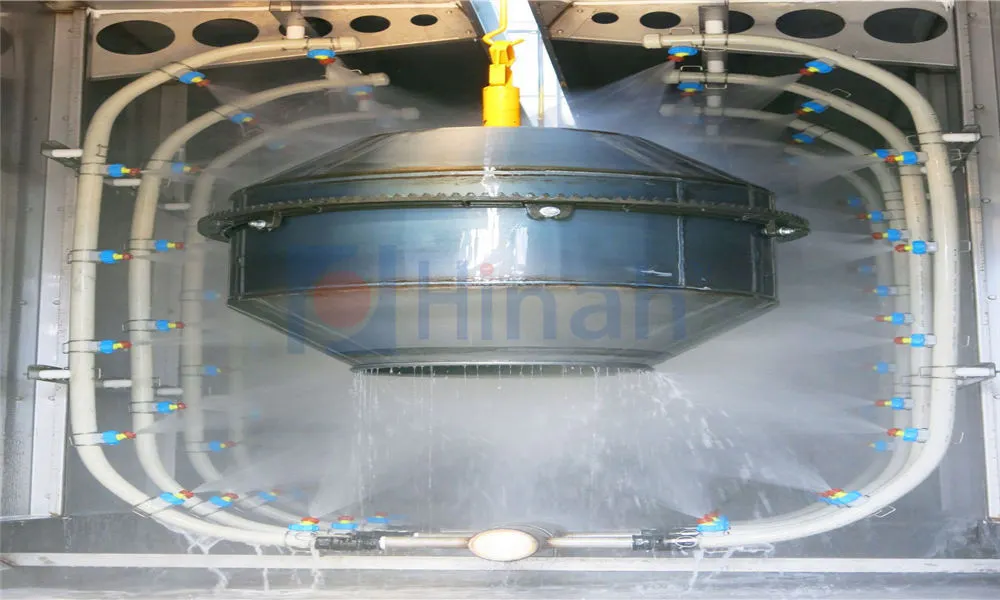
Types of Suppliers in the Market
Understanding the different types of powder coating equipment suppliers can help narrow your search.
Full-Line Manufacturers
Companies like HANNA design, engineer, and manufacture the complete system in-house. This offers the highest level of integration, accountability, and customization.
System Integrators
These suppliers assemble lines using components from various manufacturers. They can offer flexibility but may have less control over core equipment quality and compatibility.
Distributors or Dealers
They sell and service equipment made by other companies. Their expertise and support quality can vary significantly based on their specific agreements and training.
The Supplier Selection Process: A Step-by-Step Approach
A methodical approach to selecting your supplier reduces risk and leads to a better outcome.
Step 1: Define Your Requirements Clearly
Before contacting suppliers, document your needs: part size, throughput, coating type, available space, and budget. This allows for comparable, accurate proposals.
Step 2: Request Detailed Proposals
Invite 3-4 qualified suppliers to submit proposals. The proposal should include technical specifications, layout drawings, a detailed scope of work, and a complete price breakdown.
Step 3: Conduct Site Visits and Reference Checks
Visit the supplier's manufacturing facility if possible. More importantly, visit an existing installation similar to your proposed system. Speak directly to their current customers.
Step 4: Evaluate the Total Package
Compare not just price, but the total value: equipment quality, warranty terms, service offerings, and the confidence you have in the team.
Conclusion
Choosing among powder coating equipment suppliers is a strategic decision that requires careful evaluation. By focusing on technical expertise, system integration, robust after-sales support, and long-term value, you can select a partner that contributes directly to your operational success.
Investing time in this selection process ensures your new powder coating line is a reliable asset. A trusted partner like HANNA provides the equipment, expertise, and support to build a finishing operation that delivers consistent quality and efficiency for years to come.
Frequently Asked Questions (FAQs)
Q1: What is the typical lead time for a complete powder coating system from a supplier?
A1: Lead times vary greatly depending on the system's complexity and customization. A standard batch system may take 8-12 weeks, while a large, fully automated continuous line can take 20-30 weeks from order to delivery. Reputable suppliers provide a detailed project schedule.
Q2: Should I buy all equipment from a single supplier or mix and match from different ones?
A2: A single-source supplier is generally recommended. It ensures system compatibility, simplifies warranty and service (one point of contact), and holds one company accountable for the entire line's performance. Mixing components can lead to integration issues and finger-pointing if problems arise.
Q3: Do equipment suppliers offer operator training?
A3: Yes, comprehensive training should be a standard part of the package. This includes training for operators on how to run the system safely and efficiently, as well as maintenance training for your technical staff. Always confirm what training is included in the proposal.
Q4: How important is it that the supplier has experience with my specific industry (e.g., automotive, furniture, agriculture)?
A4: It is very important. Industry-specific experience means the supplier understands your typical part geometries, finish requirements, and production volumes. They can anticipate challenges and design a line that meets the specific standards and workflows common in your field.
Q5: What should be included in the warranty from a powder coating equipment supplier?
A5: A strong warranty typically covers:
Parts and workmanship for a defined period (e.g., 1-2 years).
Specific performance guarantees for the oven (temperature uniformity) and recovery system (efficiency).
Clarification on what is excluded (e.g., consumable items like filters, wear parts).
Terms for repair or replacement, including who bears the cost of labor and travel.