The right industrial painting equipment can transform your finishing operations. It drives productivity, ensures quality, and directly impacts your bottom line. But with so many options, how do you choose?
As a leader in finishing solutions for decades, HANNA has seen it all. This guide outlines seven critical considerations to help you invest wisely in a system that meets your needs today and grows with you tomorrow.
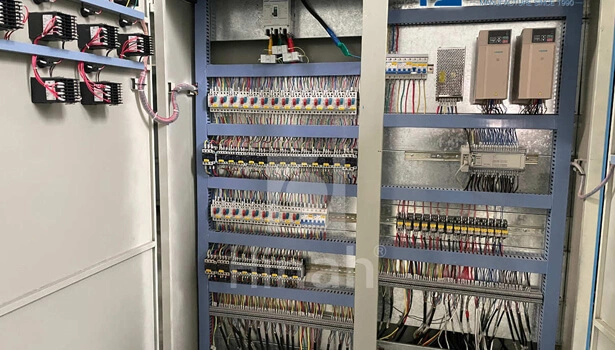
Industrial painting equipment is an ecosystem, not just a single tool. It encompasses everything from surface preparation and application to curing and material handling.
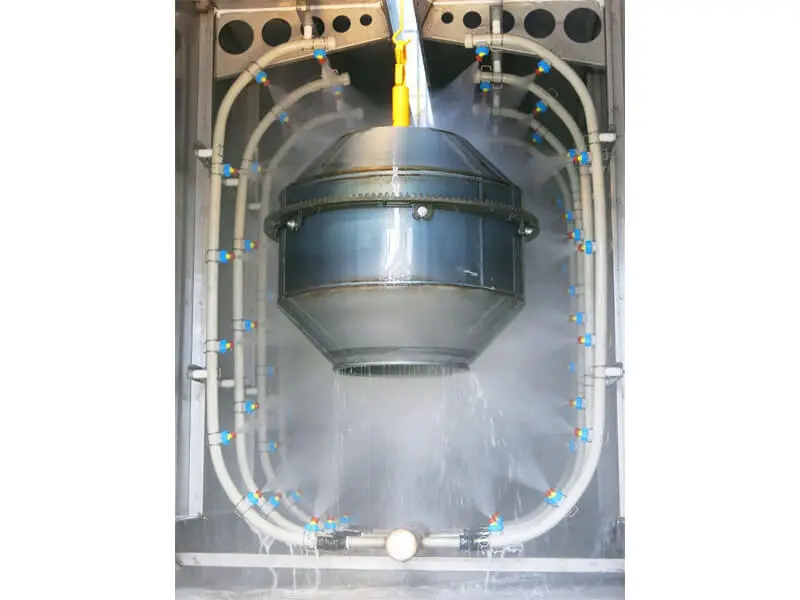
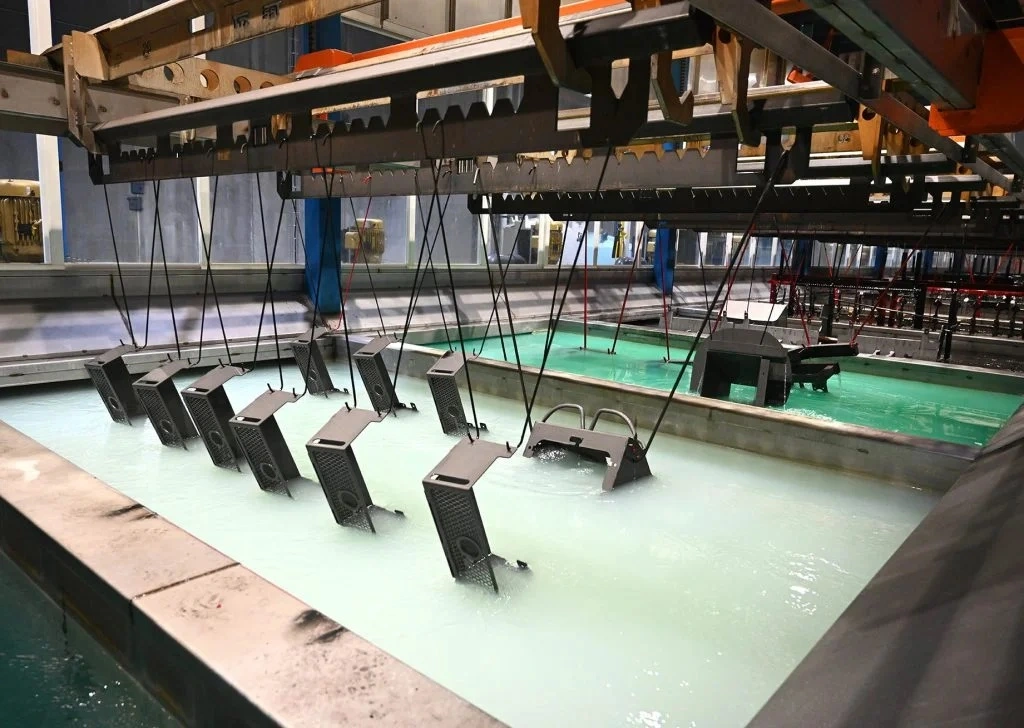
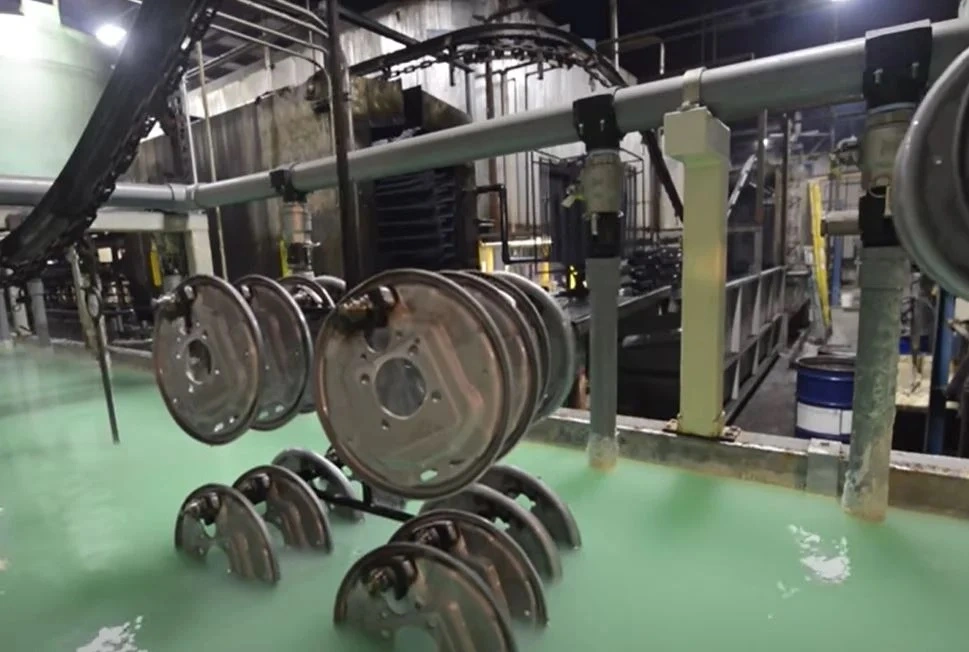
For a powder coating line, this includes pretreatment washers, dry-off ovens, spray booths, recovery systems, curing ovens, and conveyors. For liquid painting, it involves mix rooms, spray booths, paint pumps, and flash-off zones.
Viewing your purchase as an integrated system is crucial. Compatibility between each component, like your spray booth and curing oven, determines overall efficiency. HANNA specializes in designing these cohesive custom industrial painting systems.
Your choice between powder and liquid coatings dictates your primary industrial painting equipment.
Powder Coating Systems are efficient and environmentally friendly. The core equipment includes an electrostatic spray booth with a powder recovery system and a high-temperature curing oven. Overspray can be recycled, leading to high material utilization.
Liquid Painting Systems require equipment for fluid delivery, atomization, and solvent management. This includes high-pressure pumps, spray guns (air spray, HVLP, airless), and booths with sophisticated water wash or dry filtration systems to capture overspray.
Many facilities operate both. The key is selecting industrial painting equipment that offers flexibility or dedicating optimized lines for each process.
The spray booth is where the magic happens. It’s a controlled environment for application, designed for operator safety and finish quality.
Key considerations include size, airflow design, and filtration. Downdraft booths are excellent for capturing overspray on large parts. Crossdraft booths are a common, cost-effective solution.
For powder, a booth with a high-efficiency cartridge recovery system is standard. For liquid, choose between dry filter or water wash systems. HANNA engineers custom painting booths to match your part size, production volume, and specific coating material.
Application is only half the process. Curing or drying is what creates a durable finish. This is non-negotiable industrial painting equipment.
Powder coatings require a curing oven to reach a specific temperature to flow and cross-link. Liquid coatings may need a drying oven or infrared panels to flash off solvents and fully cure.
Oven performance hinges on heat uniformity, energy efficiency, and precise controls. A HANNA industrial curing oven is engineered for consistent results, using advanced airflow technology to ensure every part meets specification.
Modern finishing is about flow. The integration of conveyors and automation is what separates a basic setup from a high-production industrial painting system.
Overhead chain conveyors, monorails, and power-and-free systems move parts through pretreatment, application, and curing stages seamlessly. Automation can include robotic sprayers for repeatable quality and reduced labor.
When planning your industrial painting equipment, consider the entire path a part takes. HANNA designs integrated lines where the conveyor, booth, and oven work in perfect harmony to maximize throughput.
Beyond the main components, several factors determine your long-term satisfaction with the industrial painting equipment.
Capacity & Footprint: Honestly assess your part size, volume, and available space. A custom-designed system from HANNA can optimize a tight layout.
Energy Efficiency: Look for ovens with good insulation, heat recovery, and efficient burners. It reduces operational costs significantly.
Ease of Maintenance: Equipment with easy-access panels, common spare parts, and simple cleaning procedures minimizes downtime.
Compliance & Safety: Your system must meet local environmental (VOC, emissions) and safety (NFPA, OSHA) regulations. A reputable supplier like HANNA builds this into the design.
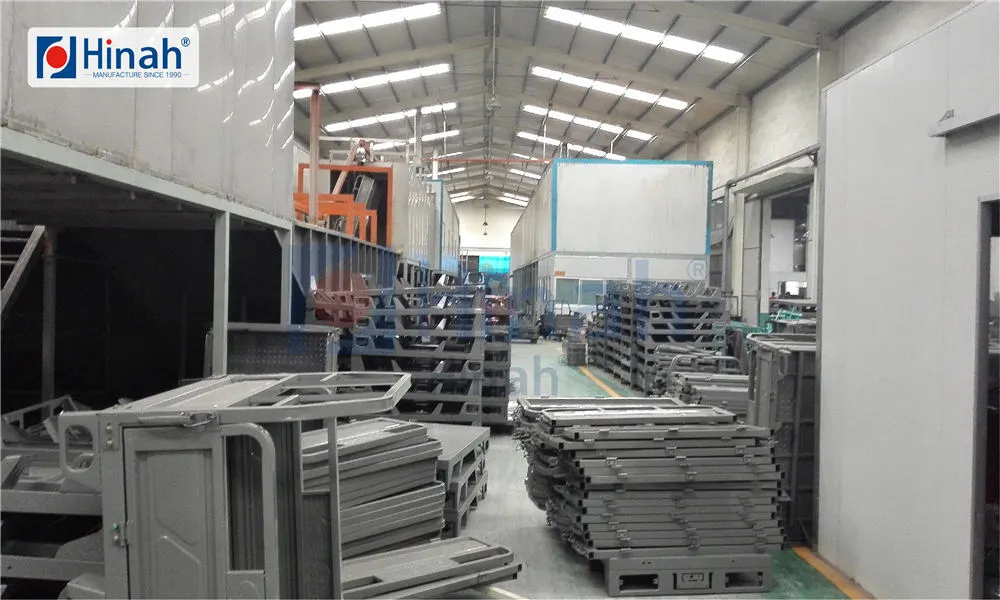
While catalog equipment exists, most operations have unique needs. A custom industrial painting system addresses them directly.
Perhaps you need an extra-wide oven for agricultural machinery. Or a specialty booth for applying non-conductive coatings. Maybe you require a fully automated line with robotic painting cells.
HANNA’s expertise lies in engineering bespoke industrial painting equipment. We start with your challenge and build a solution around it, ensuring optimal performance, efficiency, and return on investment.
The Future: Smart Industrial Painting Equipment
The industry is moving towards connectivity and data. Smart industrial painting equipment features IoT sensors, remote monitoring, and data logging.
Imagine tracking oven temperature profiles in real-time, receiving predictive maintenance alerts, or optimizing gun settings from a central dashboard. This is the future of finishing, and it’s available now.
HANNA is incorporating these smart technologies to give operators unprecedented control and insight into their processes.
Why Partner with HANNA for Your Equipment Needs?
Selecting industrial painting equipment is a major capital decision. You need a partner, not just a vendor.
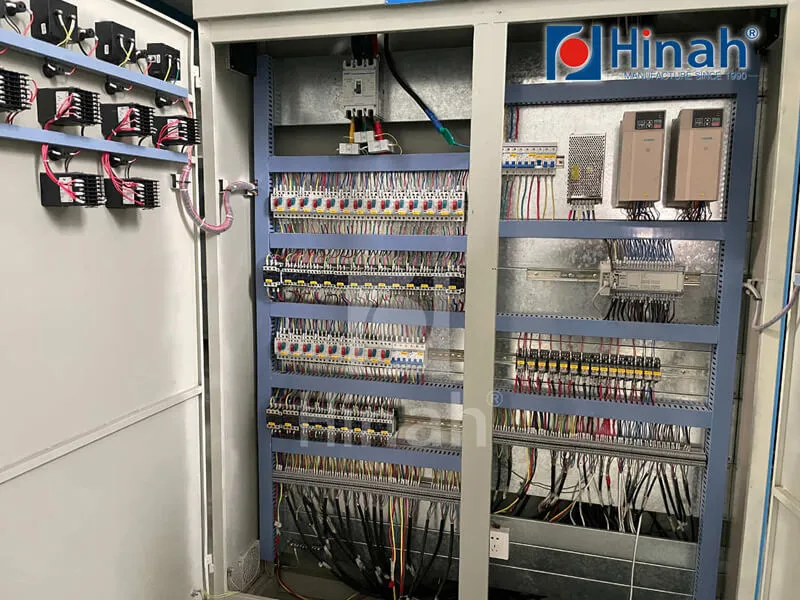
HANNA offers full turnkey responsibility. We design, manufacture, install, and support the entire system. Our deep engineering knowledge ensures all components—from the pretreatment to the final cure—work together flawlessly.
Our global experience across industries means we bring proven solutions to your unique challenges. With HANNA, you gain more than machinery; you gain a partnership dedicated to the success of your finishing operation.
Q1: What is the main difference between a powder coating booth and a liquid paint booth?
A1: The core difference is in overspray management. A powder booth uses a recovery system (often with cartridge filters) to collect dry overspray for potential reuse. A liquid paint booth uses either wet (water wash) or dry (paper/filter) systems to capture wet overspray, which cannot be recycled. The airflow design is also tailored to the different behaviors of powder versus liquid mist.
Q2: Can I retrofit older industrial painting equipment with new, energy-efficient technology?
A2: In many cases, yes. Common retrofits include adding high-efficiency burners to ovens, upgrading insulation, installing variable frequency drives (VFDs) on booth exhaust fans, and integrating modern digital controls. HANNA offers audit and retrofit services to modernize existing lines and reduce operating costs.
Q3: How important is pretreatment before the painting stage?
A3: It is absolutely critical. Pretreatment (cleaning, conversion coating) prepares the metal substrate for coating adhesion. Skipping or inadequately performing pretreatment is a primary cause of coating failure, such as peeling or corrosion. It is a vital part of a complete industrial painting system.
Q4: What are the benefits of automated/robotic painting systems?
A4: Automation provides unmatched consistency, reduces material waste through precise paths, increases throughput, and improves worker safety by removing them from the spray environment. It is ideal for high-volume production or parts with complex geometries.
Q5: What does the process look like for getting a custom HANNA system?
A5: It starts with a detailed consultation to understand your parts, goals, and constraints. HANNA engineers then develop a concept and layout. After approval, we provide detailed design, manufacture the custom industrial painting equipment, handle installation, and provide comprehensive operator training and ongoing support.