
Starting or expanding a finishing business means making smart, long-term investments. At the center of this decision is your commercial powder coating equipment. This isn't a simple appliance purchase. It's the core asset that will define your shop's capacity, quality, and profitability. Choosing the right setup from the start prevents costly upgrades and operational headaches down the line.
The market is full of options, from compact packages to full-scale systems. Understanding the key differences and how they align with your specific business model is critical. This guide breaks down the essential considerations for selecting commercial powder coating equipment that will help your business grow reliably.
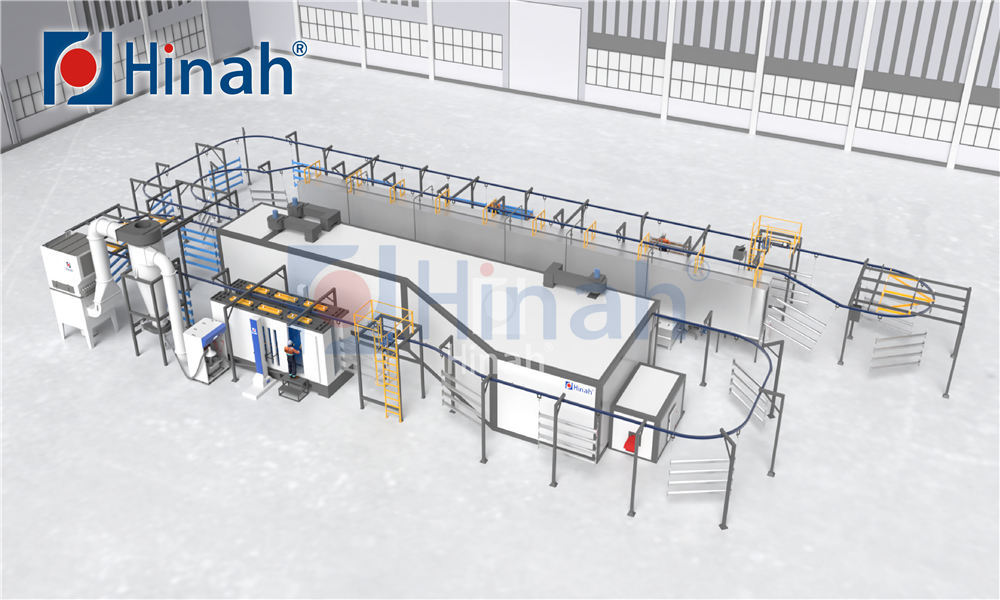
First, let's clarify the scope. Commercial powder coating equipment typically serves businesses that coat a diverse mix of products for various customers. Think of job shops, automotive restoration, architectural metal shops, and fabricators.
The focus is on flexibility, reliability, and a balance between upfront cost and performance. It needs to handle frequent color changes, varied part sizes, and fluctuating daily volumes. While durable, it may not be designed for the punishing 24/7 continuous operation of a high-volume manufacturing plant.
Industrial systems prioritize maximum throughput and automation for a limited range of parts. Commercial systems prioritize adaptability and operational ease for a changing workload.
Your workflow will determine the best equipment layout. There are two primary setups.
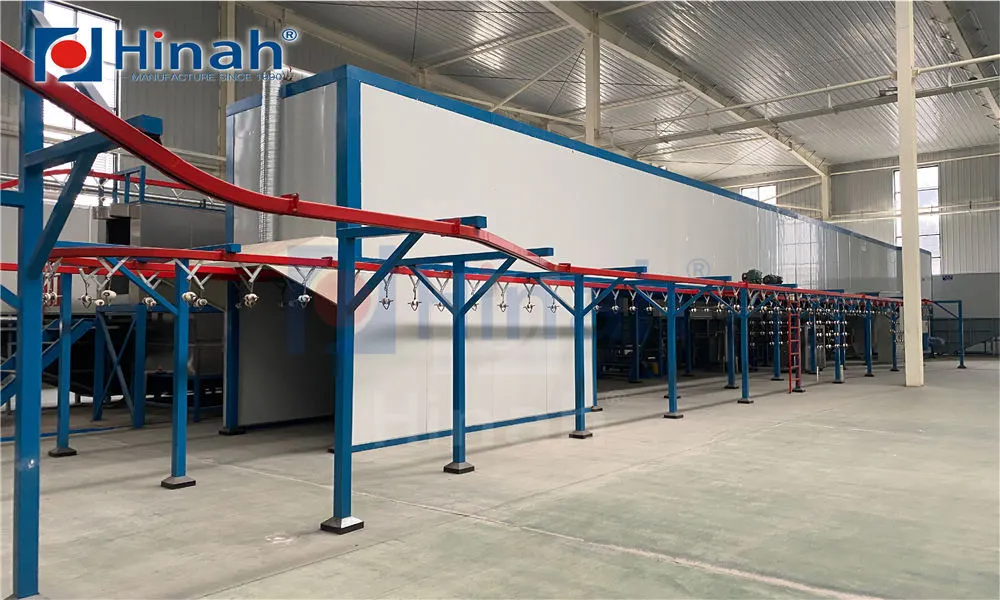
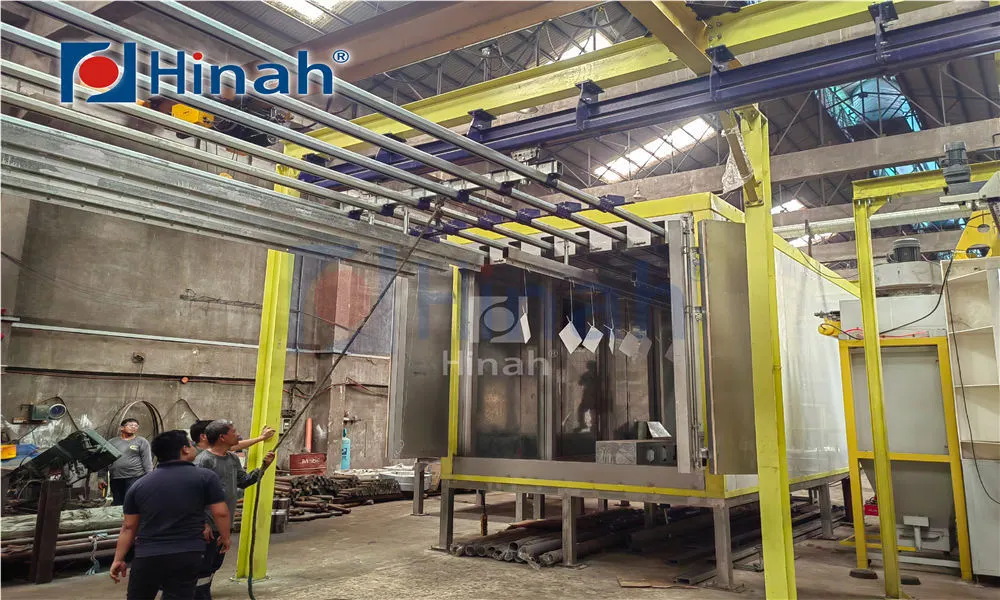
A batch system is the most common for commercial operations. It uses a standalone spray booth and a standalone curing oven. Parts are loaded onto racks, coated in the booth, then transferred to the oven. This offers maximum flexibility for part size and is ideal for lower to medium daily volume with many color changes.
A compact conveyorized system links a small booth and oven with a short loop conveyor. It increases throughput for higher-volume jobs or shops with a steady flow of similar-sized parts. It reduces manual handling but is less flexible for extremely large or heavy items.
A complete system involves several integrated pieces. Each one impacts your final result.
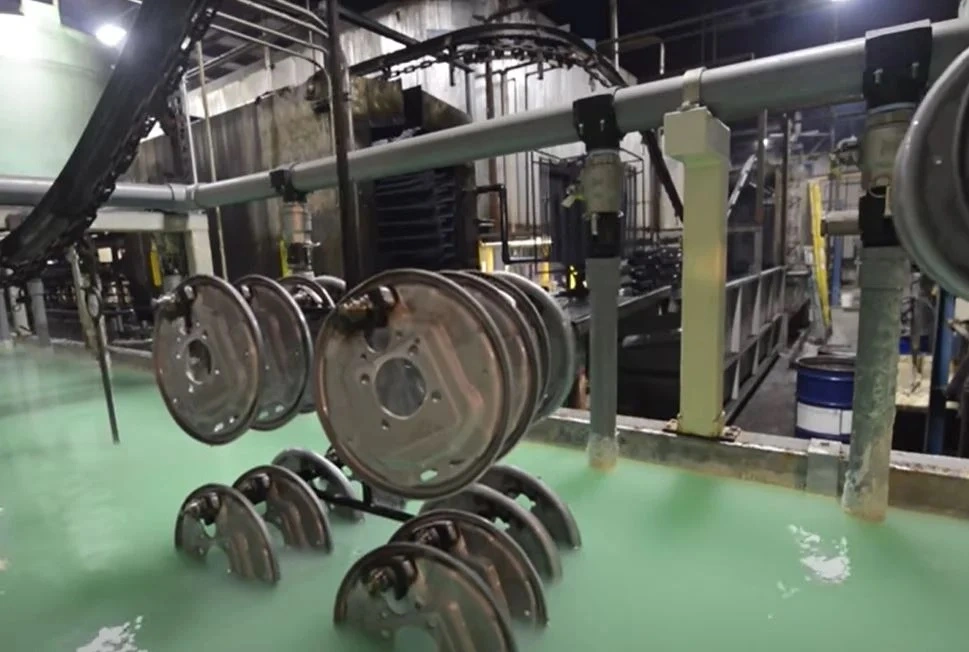
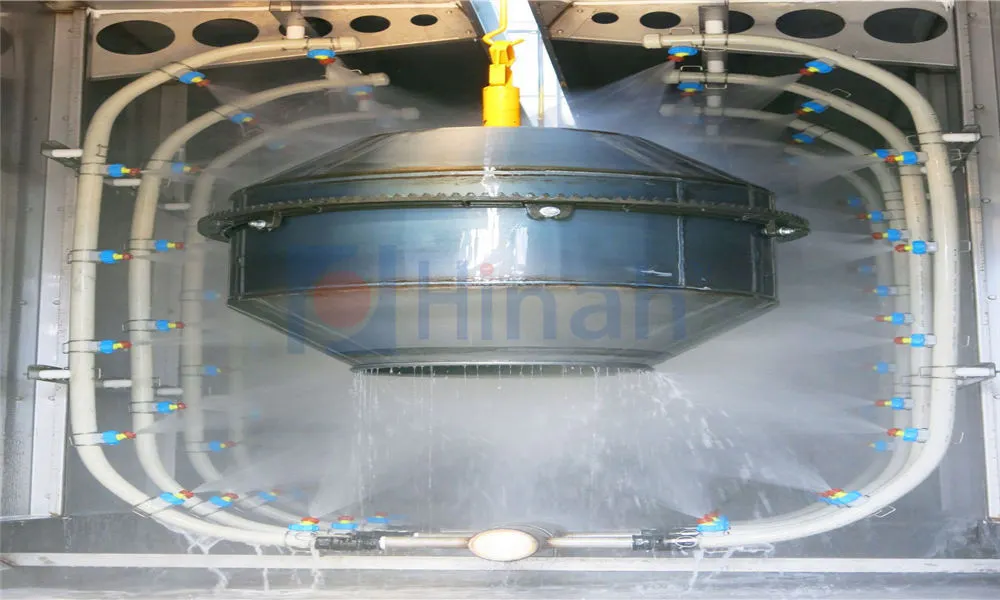
The pretreatment stage is non-negotiable for quality. A commercial 3-stage wash system (clean, rinse, phosphate) is a solid investment. It ensures proper adhesion and corrosion resistance. For many shops, a well-designed powder booth with excellent recovery is the most visible piece of commercial powder coating equipment. Look for a cartridge-based recovery system. It offers high efficiency (over 99%) and allows for relatively quick color changes, minimizing powder waste and downtime. Brands like HANNA engineer their booths for easy filter access and maintenance, which saves valuable labor time.
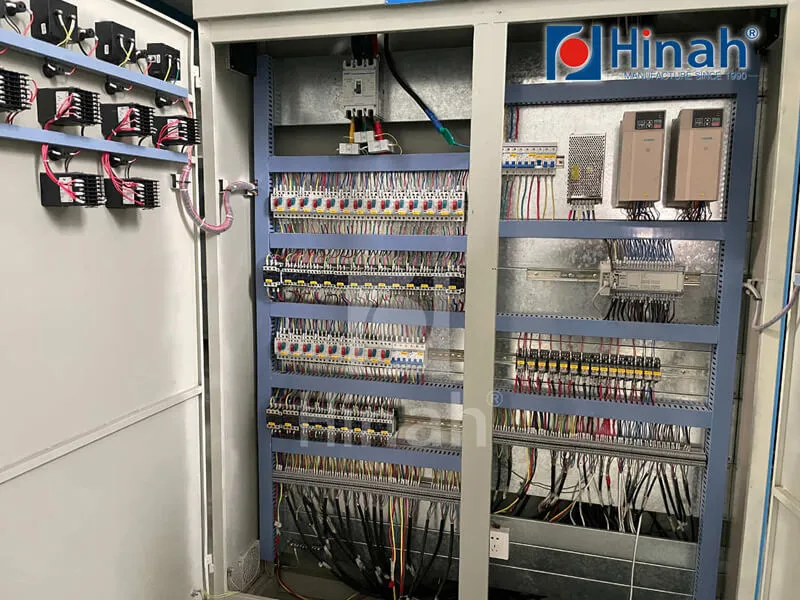
The curing oven must match your typical part mass. For commercial shops curing a mix of light and medium fabrication, a well-insulated convection oven is the most versatile. Look for robust insulation, efficient burners, and precise digital controls. Consistent temperature is key to achieving a perfect, durable cure every time.
The sticker price on a piece of commercial powder coating equipment is just the beginning. Smart buyers calculate the Total Cost of Ownership (TCO).
TCO includes the purchase price, installation, and ongoing operational costs. Operational costs are where differences become clear. An energy-inefficient oven can double your monthly gas bill. A booth with poor recovery might waste 20% of your powder.
High-quality equipment from established manufacturers like HANNA often has a higher initial price but a lower TCO. It uses less energy, wastes less material, and experiences less unscheduled downtime. This reliability protects your business's reputation and cash flow.
Don't just buy the biggest system you can afford. Buy the right system for your specific needs.
First, analyze your part size and weight. Measure your largest potential project. Then, add at least 18 inches of clearance in the booth and oven. This space is needed for proper gun movement and airflow. Check the oven's weight capacity per square foot if you coat dense steel.
Second, project your daily powder usage. This determines the necessary recovery system capacity. A system too small will clog filters constantly. One too large is an unnecessary capital expense.
Third, be honest about your shop's utilities. Do you have sufficient 3-phase electrical power and an adequate gas line? Upgrading utilities can be a major hidden cost during installation. Your equipment supplier should provide detailed utility requirements upfront.
The company you buy from is as important as the equipment itself. For commercial powder coating equipment, you need a partner, not just a vendor.
Look for a supplier with proven experience in the commercial space. They should offer clear installation guidance and thorough startup training. Ask about the availability of spare parts and technical support. When a production-stopping issue arises at 10 AM on a Tuesday, you need help fast.
A manufacturer like HANNA typically supports their equipment with detailed manuals, video resources, and accessible customer service. This support extends the life of your investment and helps you run a smoother operation.
Your business will hopefully grow. Your equipment should be able to grow with you, within reason.
Consider modular designs. Can you start with a standard oven and add extensions later if needed? Some booth designs allow for the addition of automatic guns or a reclaim module as volume increases.
Discuss your 3-5 year vision with your sales engineer. A good partner will recommend a system that meets your current needs without boxing you into a corner. They can help you plan a logical, cost-effective path for expansion.
Investing in the right commercial powder coating equipment sets the foundation for your shop's success. It determines the quality of your work, your efficiency, and your ability to take on new and challenging projects. By focusing on flexibility, total operational costs, and partnering with a reliable supplier, you make a decision that supports profit and growth for years to come.
Take the time to assess your real needs and ask detailed questions. A well-chosen system from a trusted brand becomes your most reliable employee, consistently producing a flawless finish that keeps your customers coming back.
Q1: What is a realistic budget for a complete, new commercial powder coating system?
A1: For a new, quality batch system including a 3-stage pretreatment washer, a mid-sized booth with recovery, and a convection oven, expect a starting range of $80,000 to $150,000. A compact conveyorized system begins around $120,000 and can exceed $250,000. This excludes significant costs for installation, electrical/gas work, and facility preparation.
Q2: How much space do I really need in my shop for this equipment?
A2: You need space for more than the equipment's footprint. A good rule is to allow for the booth and oven, plus a 10-foot clearance on the loading side of the booth and the unloading side of the oven. Don't forget space for pretreatment, powder storage, part racking, and a clean area for masking. A detailed floor plan from your supplier is essential.
Q3: Can I use a residential-grade oven for commercial powder coating?
A3: Absolutely not. Residential ovens lack the necessary insulation, temperature uniformity, robust construction, and safety ratings for commercial powder coating equipment. They are a significant fire risk, cannot cure parts properly, and will fail quickly under commercial use. Always invest in an oven designed and certified for industrial finishing processes.
Q4: How long does it take to get a new system installed and running?
A4: From placing the order, lead time for manufacturing is typically 10-16 weeks for standard commercial systems. Once equipment arrives, professional installation, utility hookup, and commissioning usually take 2-3 weeks. Plan for a total timeline of 14-20 weeks from decision to production. Complex installations or facility modifications can extend this.
Q5: What kind of maintenance does commercial equipment require?
A5: Daily: Empty powder hoppers, clean booth floors, and check filter pressure. Weekly: Perform a thorough cleaning of the spray booth, including walls and filters. Inspect and clean spray guns. Monthly: Check oven calibration, inspect burner assemblies, and clean pretreatment spray nozzles. Following a strict preventative maintenance schedule is the best way to avoid costly breakdowns. Suppliers like HANNA provide clear maintenance checklists.