Industrial painting equipment represents a capital investment that directly dictates coating quality, production throughput, and environmental compliance. Unlike consumer-grade tools, industrial painting equipment must operate continuously under harsh conditions while maintaining repeatability. This article examines eight engineering parameters that separate high-ROI lines from chronic underperformers, drawing on installation data from HANNA’s portfolio of finishing systems across automotive, appliance, and architectural markets.
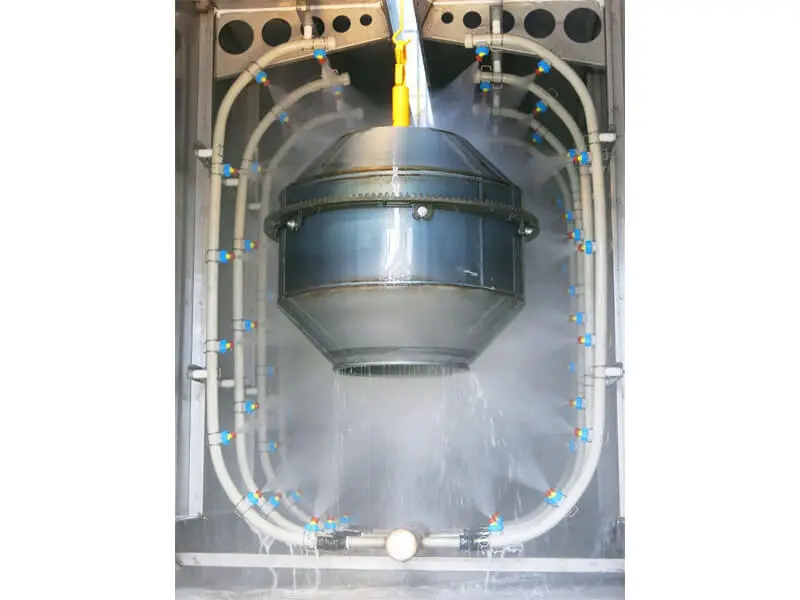
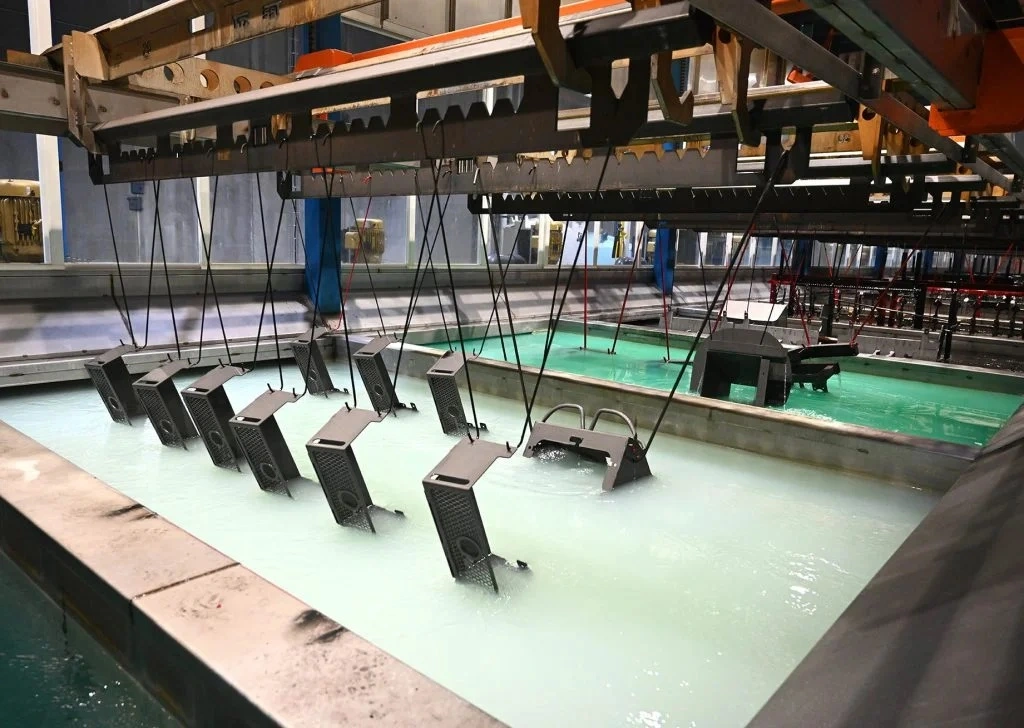
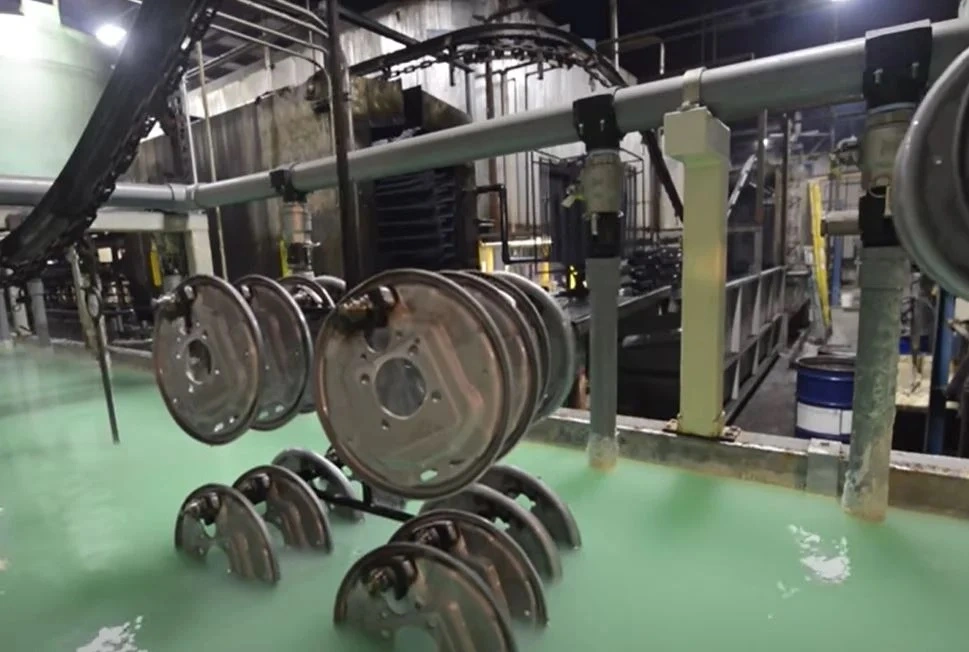
The first stage of any robust industrial painting equipment lineup is the pretreatment system. It must remove oils, stamping lubricants, and surface oxides while depositing a conversion layer (iron phosphate, zinc phosphate, or zirconium-based). For mixed-metal lines, the equipment must handle aluminum, steel, and galvanized surfaces without cross-contamination. HANNA specifies multistage spray washers with cascade rinsing to minimize chemical carryover, which otherwise causes blistering during curing. Data from 150 installations shows that proper pretreatment extends coating life by 300–500 hours in salt spray testing.
Spray booths are the visible core of industrial painting equipment. Their design determines transfer efficiency and operator safety. Key parameters include:
Airflow velocity: 0.5–0.7 m/s for powder, 0.3–0.5 m/s for liquid – prevents overspill while maintaining coating uniformity.
Filtration efficiency: Final filters must be MERV 15 or HEPA for high-visibility finishes.
Crossdraft vs. downdraft: Downdraft booths (air entering ceiling, exiting floor) provide superior particle control for complex geometries.
Booth materials (stainless steel or polypropylene) must resist solvent attack and facilitate cleaning without generating sparks.
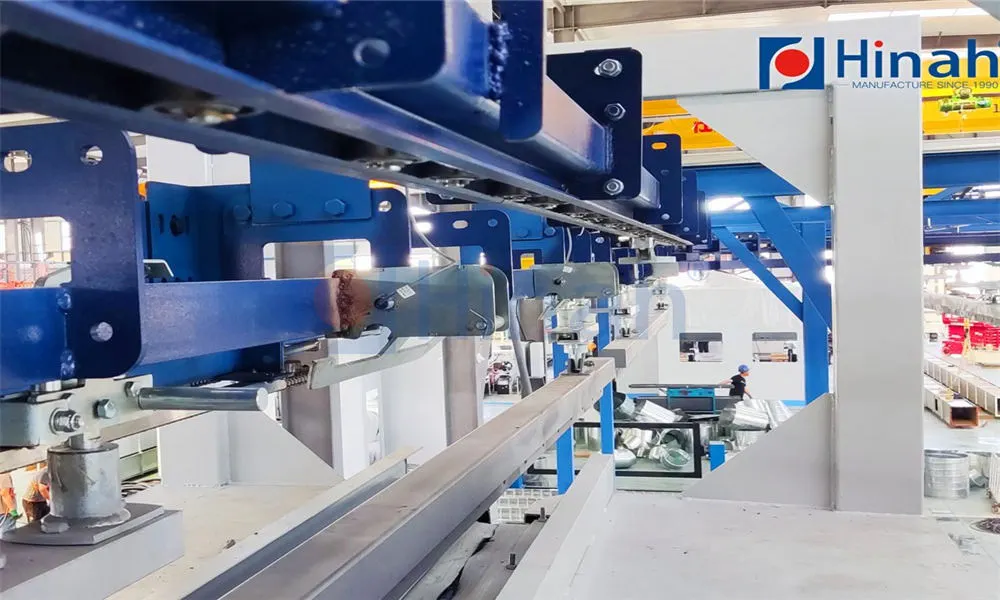
Material handling is often the weakest link in industrial painting equipment lines. Two main types exist:
Power-and-free conveyors: Allow accumulation and off-line processing – ideal for mixed product batches.
Continuous overhead conveyors: Simpler and lower cost, but require precise speed matching with cure ovens.
Chain wear and lubrication affect positional accuracy. HANNA integrates automatic chain lubrication systems that reduce drag by 60% and prevent drips onto coated parts.
For liquid painting, the pumping system determines film build consistency. Industrial painting equipment manufacturers offer:
Diaphragm pumps: For high-viscosity materials with abrasives.
Piston pumps: For high-pressure airless applications.
Gear pumps: For exact metering in robotic cells.
Flow control should include digital pressure feedback to compensate for temperature-induced viscosity changes. In a recent agricultural equipment line, HANNA replaced peristaltic pumps with servo-driven gear pumps, reducing coating thickness variation from ±25 µm to ±5 µm.
While the core keyword of this article remains industrial painting equipment, the curing oven is the thermal heart of the line. For liquid paints, the oven must handle solvent evaporation before cross-linking; for powder, it must maintain precise temperature uniformity (±3°C typical). Multi-zone ovens allow different cure profiles for different part thicknesses. HANNA’s designs incorporate:
Direct/indirect gas firing options
Infrared boosters for rapid升温
Insulated panel joints that prevent thermal bridging
Regulatory compliance is non-negotiable. Modern industrial painting equipment includes integrated abatement technologies:
Carbon adsorbers: For solvent capture in low-volume lines.
Regenerative thermal oxidizers (RTO): Destroy 99%+ VOCs from high-volume ovens.
Dry scrubbers: For powder overspray recovery – closed-loop systems achieve 95% material utilization.
Equipment selection must factor in local air quality permits. HANNA offers pre-engineered RTO skids that match oven exhaust rates exactly, eliminating over-sizing costs.
Digitalization separates commodity industrial painting equipment from smart assets. Key features:
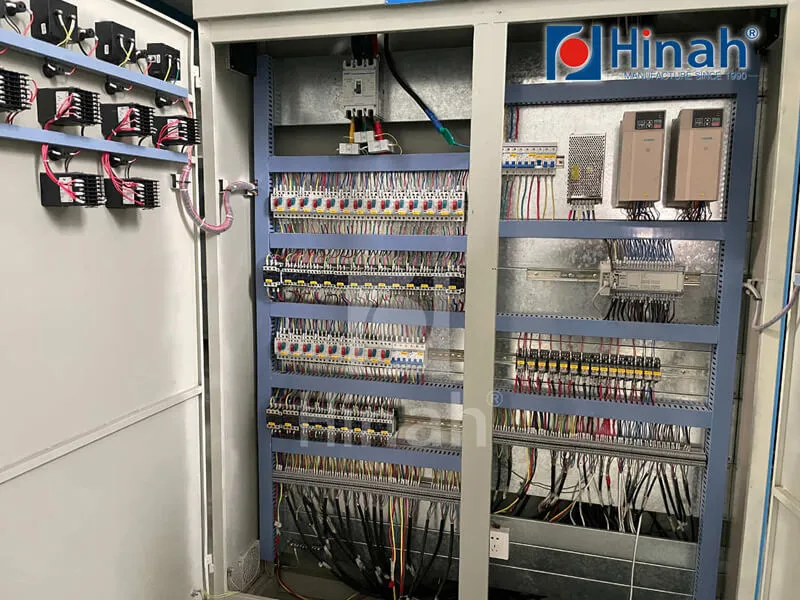
PLC with remote I/O: Reduces field wiring and simplifies troubleshooting.
SCADA integration: Tracks production data (parts coated, powder used, energy consumed) per shift.
Predictive maintenance: Vibration sensors on fans and pumps warn of bearing failure before unplanned downtime.
A HANNA-installed line for construction components reduced unplanned stops by 37% in the first year using cloud-based condition monitoring.
Fixtures are often overlooked but critically affect industrial painting equipment performance. They must:
Minimize contact marks (use pointed or spring contacts).
Conduct electricity for electrostatic powder application.
Withstand repeated thermal cycling without distortion.
HANNA offers custom fixture design services using finite element analysis to optimize weight-to-part ratio, which directly impacts oven energy consumption.
Purchasing industrial painting equipment based solely on first cost leads to higher operating expenses. Consider:
Energy efficiency: Ovens with 100 mm insulation instead of 80 mm save 8–12% on fuel annually.
Spare parts availability: Proprietary components can cause weeks of downtime.
Ease of cleaning: Quick-change filters and smooth interior surfaces reduce labor.
HANNA provides total cost of ownership (TCO) calculators to help clients compare bids objectively.
A Midwest fabricator operated with manual spray guns and a batch oven. After installing fully automated industrial painting equipment from HANNA – including reciprocators, a 5-stage washer, and a gas-fired convection oven – they achieved:
220% increase in throughput
62% reduction in rework
Payback period of 19 months
The key was integrating all components with a single control platform, eliminating the bottlenecks previously caused by manual handling.
Q1: What is the difference between industrial painting equipment and commercial spray systems?
A1: Industrial equipment is designed for continuous duty (8–24 hours/day), with heavy-duty components (cast iron pumps, stainless steel booths, PLC controls). Commercial systems are typically portable and rated for intermittent use. Industrial systems also comply with NFPA 33 and OSHA standards for fire safety and operator exposure.
Q2: How often should industrial painting equipment be calibrated?
A2: Temperature sensors and controllers should be calibrated annually against NIST-traceable standards. Pressure gauges and flow meters every 6 months for critical applications. HANNA recommends including calibration in your preventive maintenance contract to maintain warranty validity.
Q3: Can I mix different brands of industrial painting equipment in one line?
A3: Yes, but integration risks increase. Different control protocols (EtherNet/IP, Profibus, Modbus) may require gateways. Performance responsibility becomes fragmented – if the oven doesn't cure correctly, the booth manufacturer may blame the conveyor. HANNA offers turnkey lines with single-source responsibility, eliminating finger-pointing.
Q4: What safety features are mandatory in industrial painting equipment?
A4: Mandatory features include explosion-proof lighting and motors in classified areas, flame-arrestor vents on ovens, emergency stops at multiple locations, and interlocked doors that shut down equipment if opened during operation. For powder systems, grounding monitoring and antistatic materials are required to prevent dust ignition.
Q5: How do I size an industrial painting equipment line for future growth?
A5: Design the conveyor and oven for 20% higher throughput than current needs. Specify extra capacity in the water treatment and air make-up systems. Ensure the control panel has spare I/O and slots for additional drives. HANNA’s modular designs allow later expansion without scrapping existing equipment.
Q6: What is the typical lifespan of well-maintained industrial painting equipment?
A6: Washer tanks and oven housings: 20+ years. Pumps, motors, and burners: 10–15 years with regular maintenance. Controls (PLC, HMI): 8–10 years before obsolescence. HANNA provides lifecycle support, including control upgrades that interface with legacy mechanical parts.
Q7: How does part geometry affect industrial painting equipment selection?
A7: Complex Faraday-cage areas (deep recesses, corners) require electrostatic guns with variable voltage or tribo-charging capabilities. High-volume simple parts benefit from bell or disc applicators. Oven design must ensure airflow reaches all cavities – HANNA uses computational fluid dynamics (CFD) to model air movement around specific parts before building.
Selecting industrial painting equipment is a multidisciplinary decision involving chemistry, thermodynamics, mechanical handling, and control engineering. By focusing on integration, maintainability, and data transparency, manufacturers can build lines that deliver consistent quality for decades. For detailed system design assistance, contact the engineering team at HANNA to discuss your production requirements.